

Guó huà
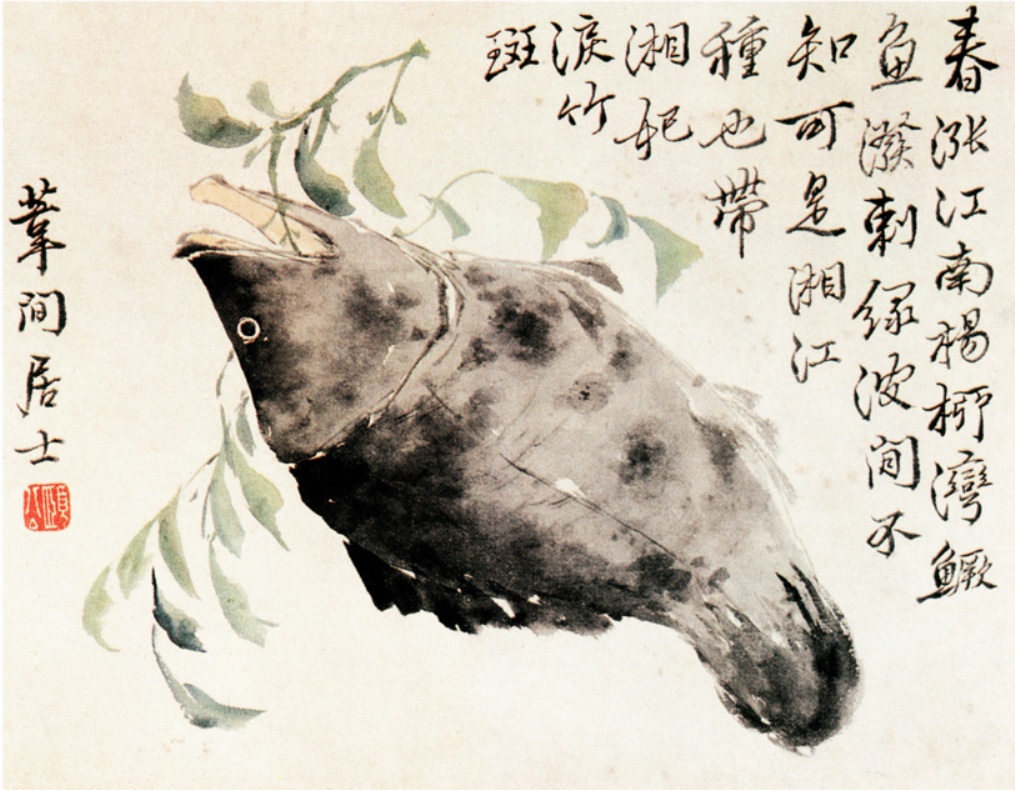
Guó huà
Guó huà, translating to 'national painting', represents the profound tradition of Chinese painting, a form that has flourished through millennia. It's an art that uses brush and ink on paper or silk, reflecting the cultural depth of China and illustrating its rich history. Guó huà is distinct from the Western art styles that infiltrated Chinese culture in the 20th century.
In the Guó huà technique, artists express themes rooted in Zen Buddhism and Daoism, focusing on harmony between man and nature. The art form is known for not just depicting the physical appearance but capturing the essence of a subject. Traditional Guó huà involves the same techniques as calligraphy, emphasizing the intimate relationship between brushwork and the artist's personality.
There are two main techniques in Guó huà: Gongbi and Ink and wash painting. Gongbi, known for its meticulous brushstrokes, vivid colors, and narrative subjects, was often associated with royal courts. On the other hand, Ink and wash painting or shuǐ-mò, embraced a more freehand style, practiced by scholars and literati.
Famous Guó huà masters like Wu Daozi and Gu Kaizhi from the Tang and Jin dynasties, respectively, exemplified this art form. Wu Daozi was celebrated for his dynamic ink paintings, while Gu Kaizhi's works, such as 'Ode to the Goddess by Lou River', showcased detailed outlines and subtle colors, bringing poems and stories to life on silk and paper.
Guó huà continues to inspire and evolve, blending traditional Chinese elements with contemporary influences. It remains a pivotal part of Chinese cultural heritage, captivating collectors, auctioneers, and art enthusiasts worldwide.
For those interested in the ever-evolving world of Guó huà and its impact on modern art, signing up for updates on new sales and auction events is essential. Stay informed and connected to the world of this fascinating art form by subscribing to our newsletter, dedicated exclusively to Guó huà and its related events.
| Country: | Asia, China |
|---|---|
| Start of the period: | XIX century |