

Kǎishū
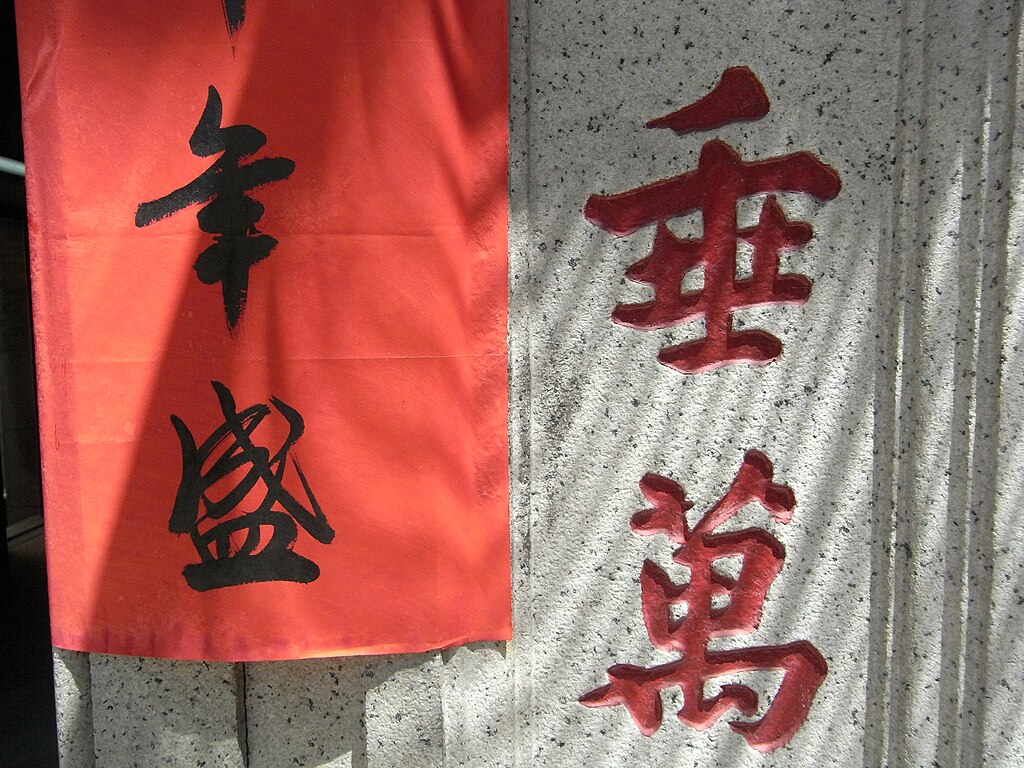
Kǎishū
Kǎishū, the standard script in Chinese calligraphy, stands as a symbol of elegance and precision. Developed during the Han Dynasty, it's the most commonly used calligraphy style today, known for its balanced and even strokes.
This style emerged from earlier scripts like Clerical and Seal Scripts, evolving into its mature form in the Tang Dynasty. Kǎishū's distinct features include well-defined strokes and a systematic approach to writing, where each character adheres to specific dimensions and stroke order. Its characters often resemble squares, aiming for uniformity in spacing and alignment, whether written horizontally or vertically.
Kǎishū is not just a writing style; it's an embodiment of cultural values. It mirrors the ideal Confucian gentleman, achieving a blend of natural dignity, solemnity, and elegance. Its disciplined nature doesn't limit its artistic potential but rather provides a foundation for exploration and improvement.
Historically, masters like Zhong Yao, Wang Xizhi, and Yan Zhenqing have significantly contributed to the development and popularity of Kǎishū. Their styles, ranging from graceful ease to more solid and defined strokes, have left a lasting impact on the art form, offering diverse approaches within the standard script.
For collectors, auctioneers, and art experts, Kǎishū presents a fascinating study. Its historical significance, coupled with the aesthetic beauty of its strokes, makes it a coveted element in art collections. Notable works in Kǎishū can be found in museums and private collections, showcasing the skill and creativity of ancient masters.
If you are fascinated by the art of Kǎishū and wish to stay informed about new sales, auctions, and events related to this exquisite form of calligraphy, sign up for our updates.
| Country: | Asia, China |
|---|---|
| Start of the period: | III century BC |