

Signal art
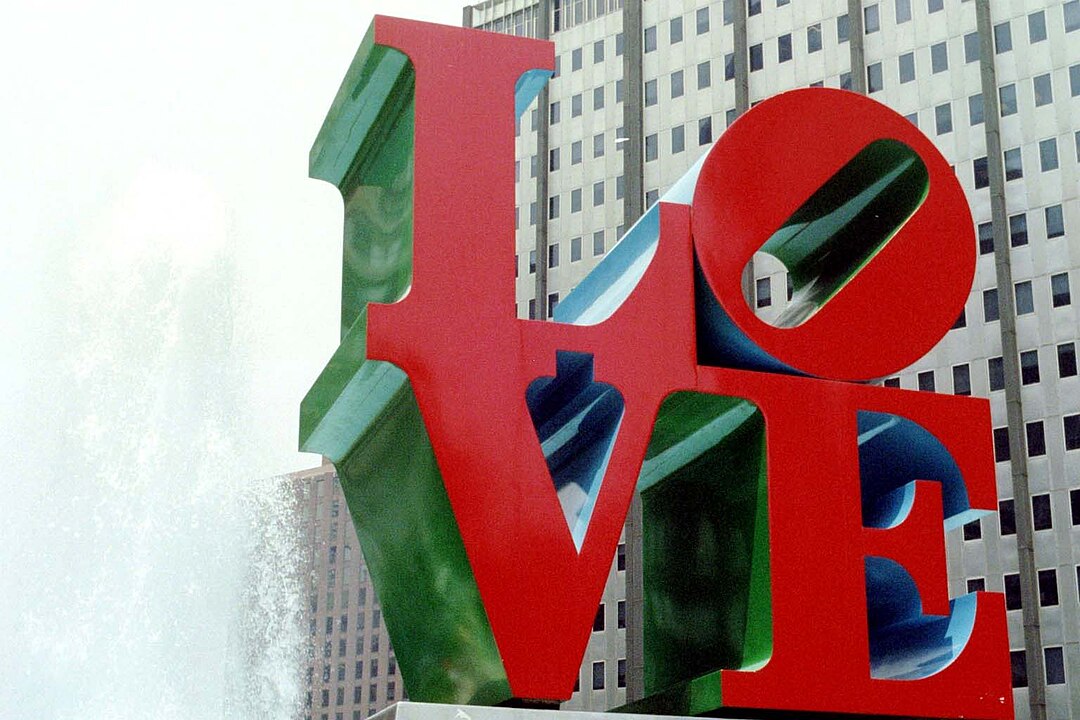
Signal art
Signal art is a visual art form that emerged in the 1960s and is characterised by the use of bright primary and signal colours. This art movement is closely associated with Colour Field Painting and the hard edge, often displaying symmetry and concentration in the design of its works. Sign art often uses advertising and traffic signs as sources for its striking pictograms or typographic elements, which characterise the image of the urban landscape and influence the perception of public space through their iconography.
The American Robert Indiana and, in German-speaking countries, artists such as Peter Brüning, Winfried Gaul and Georg Karl Pfahler are among the most important representatives of sign art. This style is partly comparable to pop art and analytical painting, but shares its own unique aesthetic niche through its specific use of colour and form.
Signal art is characterised by its strong colour palette and forms with precise, sharp contours, often reduced to geometric figures. Although it can thus be associated with American hard edge painting, the main German exponents Winfried Gaul and Georg Karl Pfahler, as well as the American artist Robert Indiana, brought their own defining characteristics to the art. Pfahler's works are characterised, for example, by the use of strong colours and their signal-like luminosity, which create a striking effect.
If you are a collector or expert in the field of art and antiques and are interested in further information and updates on works of signal art, it may be helpful to keep an eye on relevant offers and auctions. Sign up for updates so you don't miss out on news of sales and auction events relating to this fascinating style.
| Country: | America, Europe |
|---|---|
| Start of the period: | 1960 |