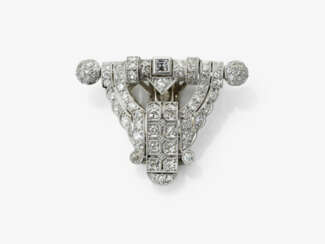
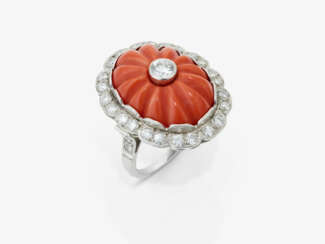
1920er









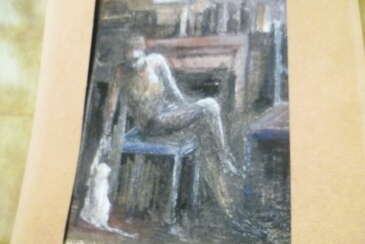

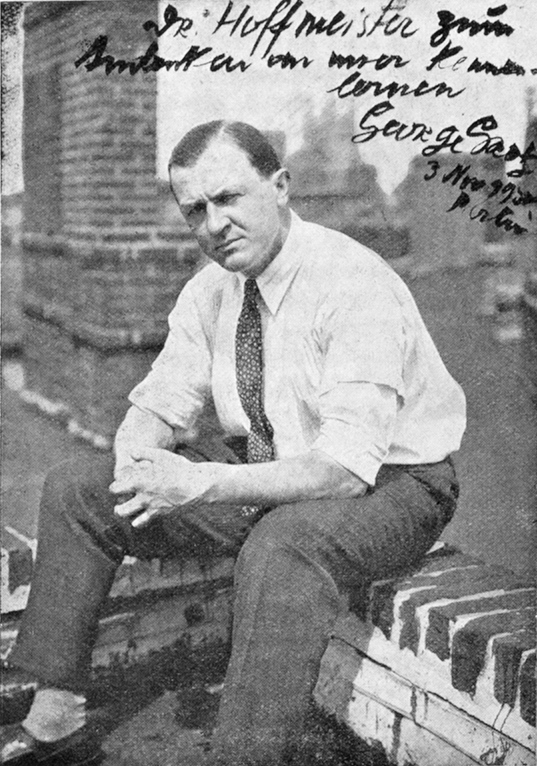
George Grosz was a twentieth-century German painter, graphic artist, and cartoonist. In his work one can find features of various styles of avant-garde art, including Dadaism, Expressionism, and Futurism.
George Grosz drew in every style in a sharp-grotesque and satirical spirit, ridiculing the vices of society. The erotic theme, which occupied a prominent place in Gross's work, was executed in the same spirit.
Grosz devoted more than 20 years to teaching at the Art Students League of New York, and was elected an honorary member of the American and Berlin Academies for his outstanding services to the arts.





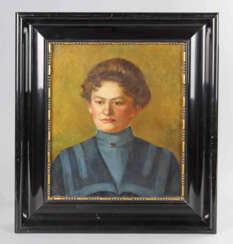

















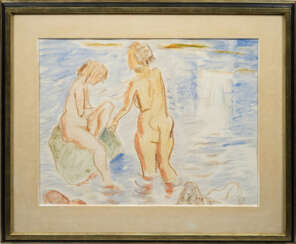

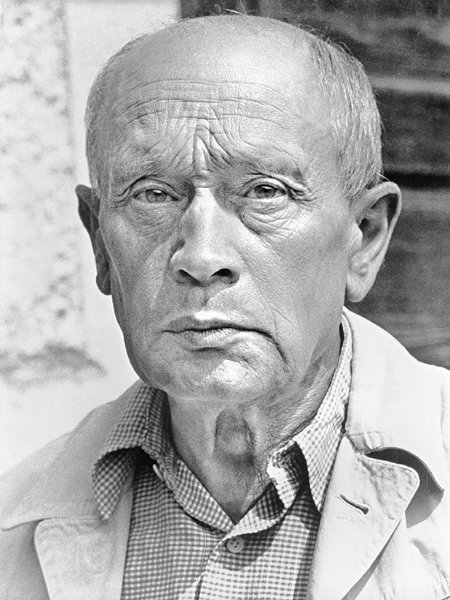
Erich Heckel was a German painter and printmaker, and a founding member of the group Die Brücke ("The Bridge") which existed 1905–1913. His work was part of the art competitions at the 1928 Summer Olympics and the 1932 Summer Olympics.


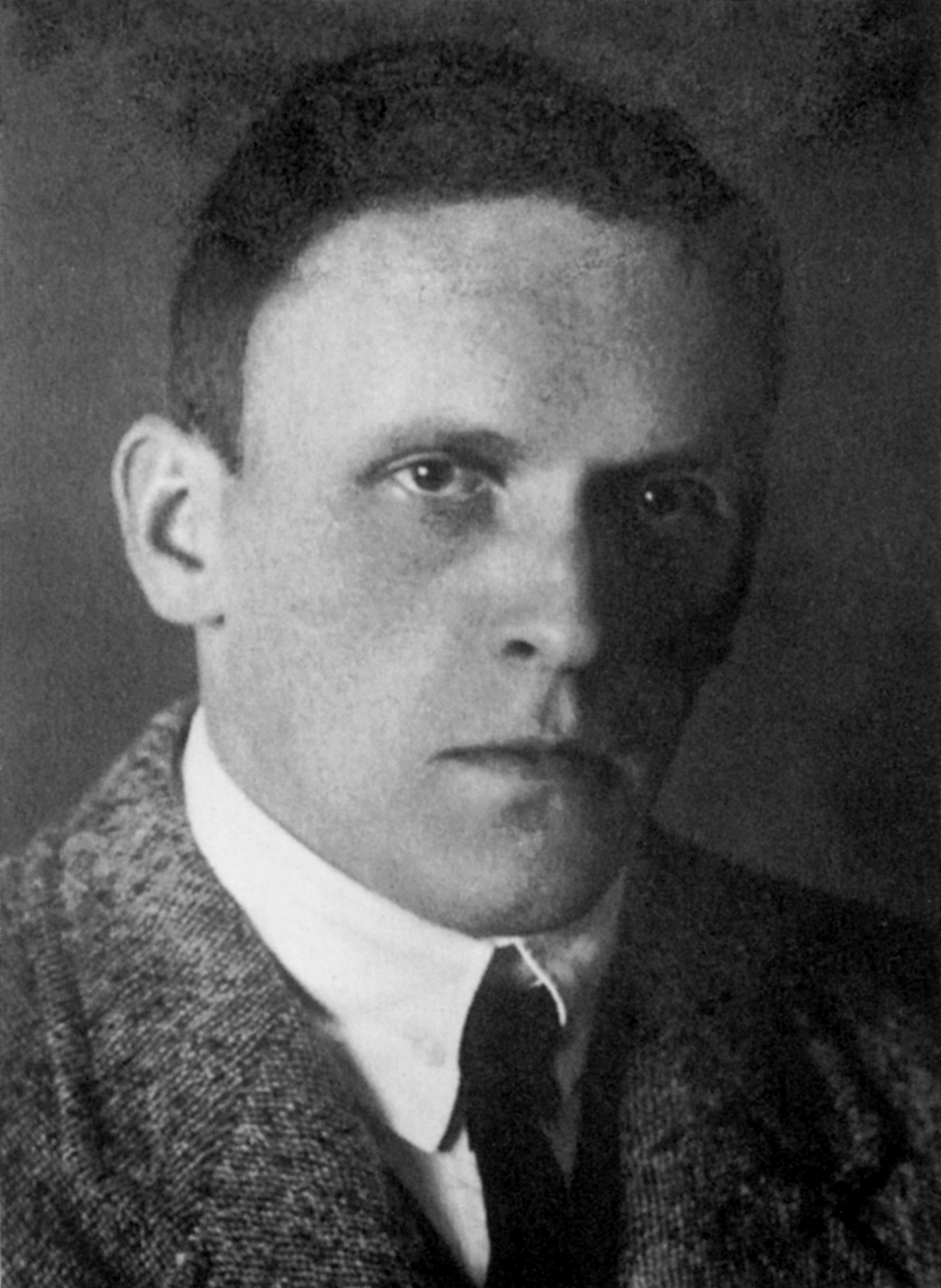
Walter Dexel was a German painter, commercial graphic designer, and transportation planner. He also functioned as an art historian and directed a museum in Braunschweig during the Second World War.








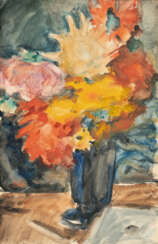

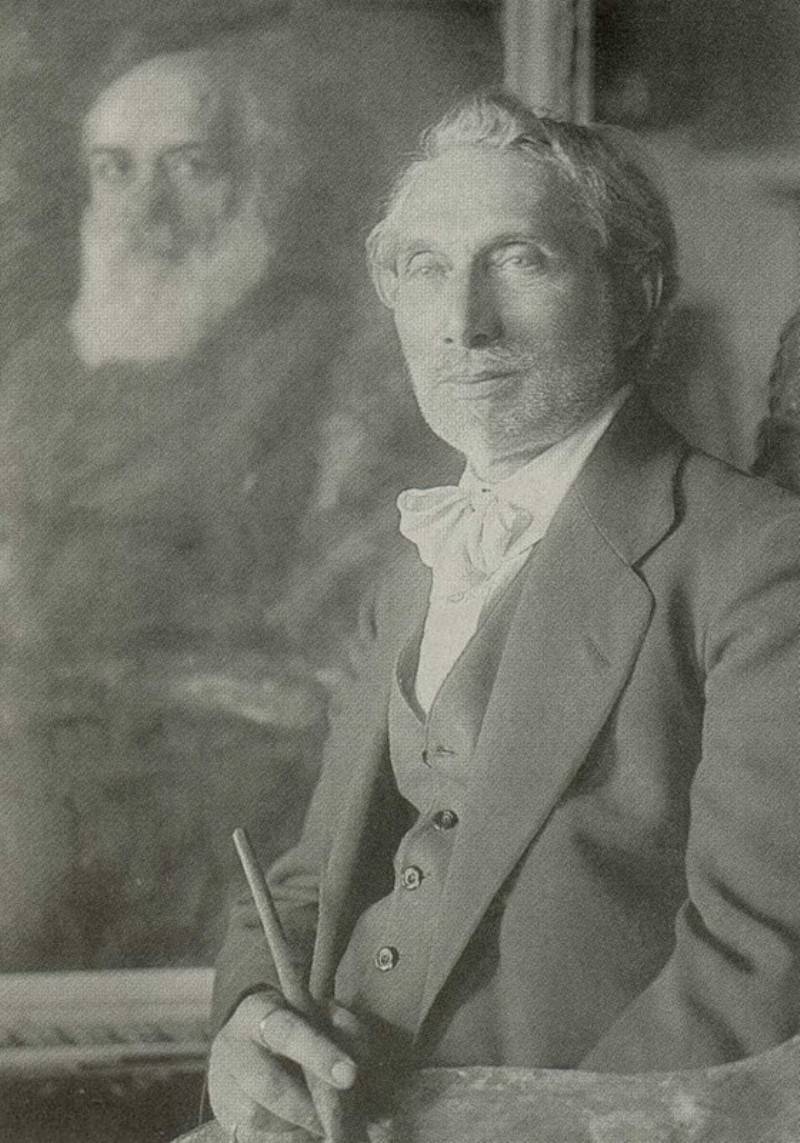
Leonid Osipovich Pasternak (Russian: Леонид Осипович Пастернак), a distinguished Russian painter, was celebrated for his significant contributions to art, especially his remarkable impressionist works. Born in Odessa, Pasternak's artistic journey led him to the prestigious Imperial Academy of Arts, reflecting his mastery and innovation in the realm of painting. His profound association with illustrious figures like Leo Tolstoy, for whom he created memorable illustrations, underscores his influence in Russian cultural circles. Pasternak's works, characterized by their vibrant expression and emotional depth, earned him accolades, including a medal at the World Fair in Paris in 1900. His dedication to teaching at the Moscow School of Painting, Sculpture and Architecture further solidified his legacy in art education.
Despite facing adversity, including a pivotal surgery in Berlin that led to his decision not to return to Russia amid political turmoil, Pasternak's resolve remained unshaken. His works continued to captivate audiences, as evidenced by his successful exhibitions in Europe and significant recognition, including his portrayal of Albert Einstein. The latter years of his life, spent in Oxford due to the Nazi regime's threat, were marked by personal loss but also by continued artistic production until his passing in 1945.
Leonid Osipovich Pasternak's art is held in high esteem, with pieces residing in prestigious museums and collections worldwide, including the Tretyakov Gallery, the Russian Museum, the Musee d'Orsay, and the Tate Gallery. His narrative extends beyond his paintings, encompassing his extensive correspondence and memoirs, which provide insight into his rich inner world and the historical context of his time. Posthumous exhibitions and publications, such as the comprehensive catalogue "The Russian Years, 1875-1921," have further cemented his place in the annals of art history, showcasing his enduring influence and the timeless appeal of his work.
For art collectors and enthusiasts eager to explore the rich tapestry of Russian Impressionism, the legacy of Leonid Osipovich Pasternak offers a compelling journey through the nuances of light, color, and emotion. Sign up for updates related to new product sales and auction events featuring Pasternak's works to deepen your appreciation and understanding of this pivotal artist's contributions to the world of art.