

118 Items by auctions and galleries:
öl auf faserplatte


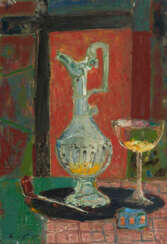



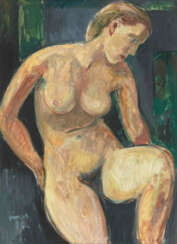

Lot 3162 Carl Walter Liner
Carl Walter Liner (1914 - 1997) 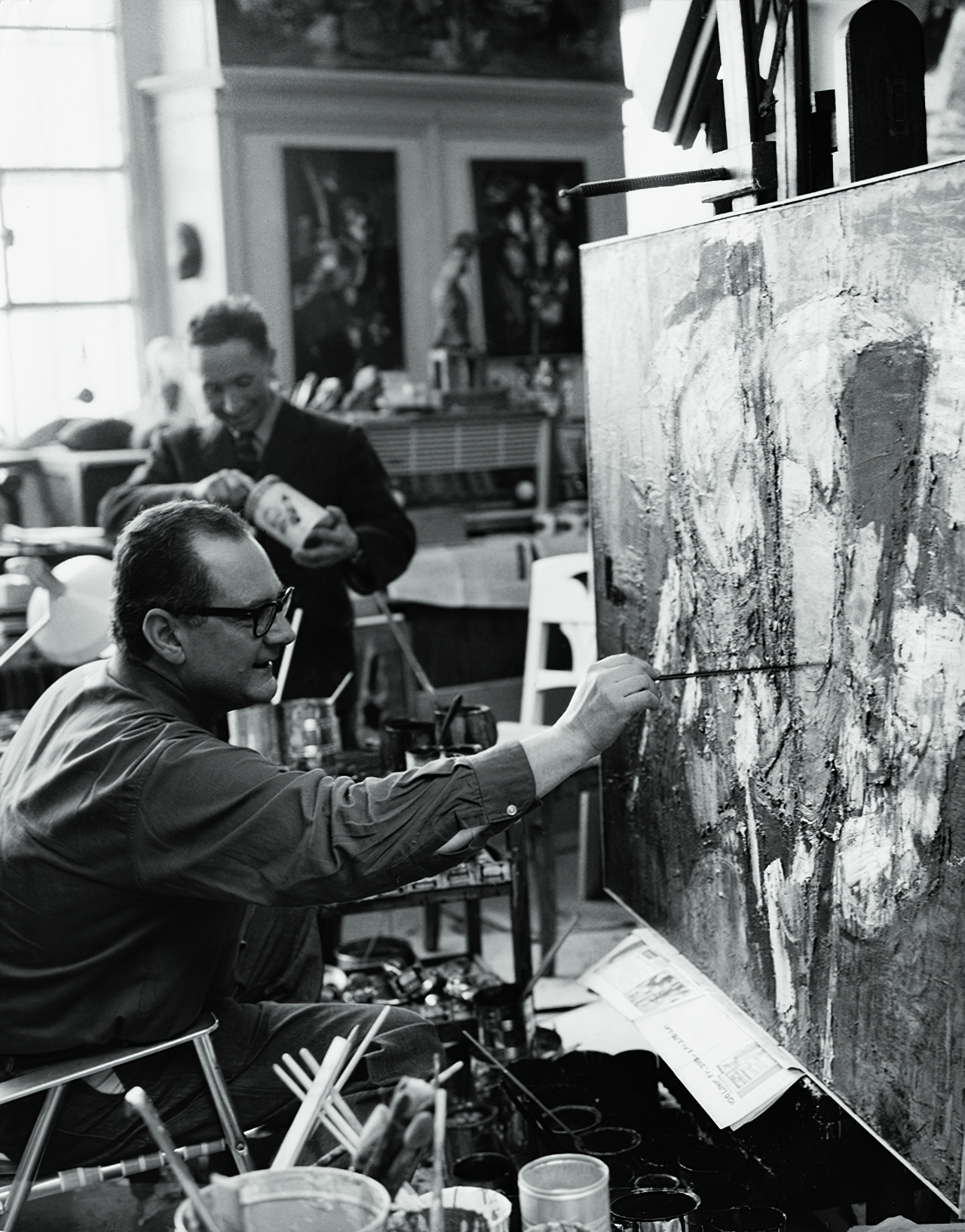 A179: Dezember Auktion 2025 – Teil 4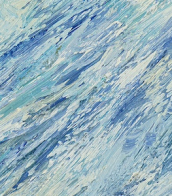
Carl Walter Liner
17.08.1914 - 19.04.1997
Switzerland
Carl Walter Liner was a Swiss painter.
Schuler Auktionen
A179: Dezember Auktion 2025 – Teil 4
Date: 02.12.2025 10:00 UTC +02:00
Number of lots in the catalog: 652


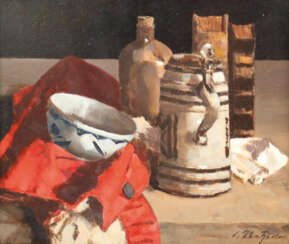





Lot 3702 Max, Gabriel Cornelius von
Gabriel Max (1840 - 1915) 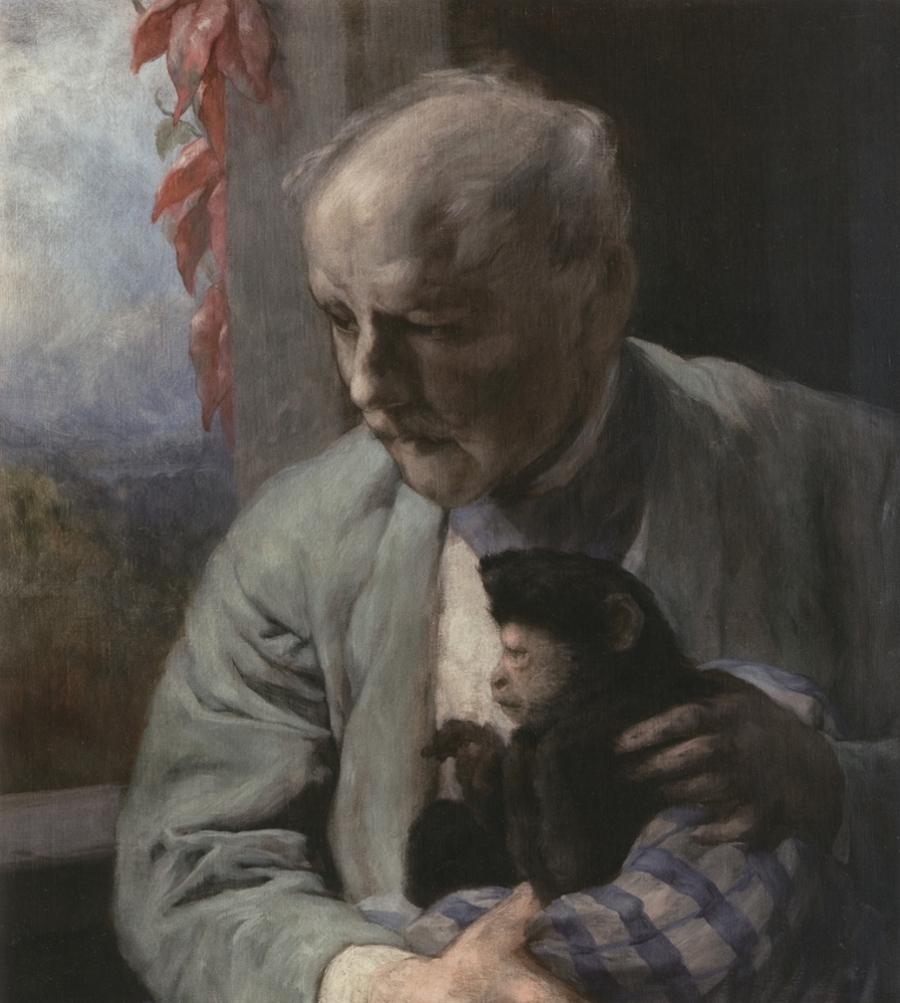 A141: Kunst und Antiquitäten – Teil 3
Gabriel Max
23.08.1840 - 24.11.1915
Germany, Czech Republic
Gabriel Cornelius Ritter von Max was a Prague-born Austrian painter.
Gabriel von Max was a significant artist to emerge from the Piloty School, because he abandoned the themes of the Grunderzeitliche (genre and history), in order to develop an allegorical-mystical pictorial language, which became typical of Secessionist Art.
Auktionshaus Kiefer
A141: Kunst und Antiquitäten – Teil 3
Date: 05.12.2025 10:00 UTC +02:00
Number of lots in the catalog: 1621








Берег мечты.
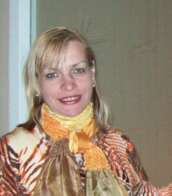
Yanina Mir (b. 1971)  Shop Mir Yanina
Yanina Mir
06.07.1971
Byelorussia
Всем привет. Я,художник любитель - я так думаю.Мне 49
лет.Я решила ,что нужно показать свои работы главным Ценителям картин: коллекционерам, галериистам, любителям искусства и всем, кто любит прекрасное....для души. Я обожаю писать картины реальность. Я больше люблю работать маслом, так же нравиться работать в прикладном искусстве.
Надеюсь,мои работы кто-нибудь и когда-нибудь оценят по достоинству. Я надеюсь на понимания и уважения ко мне.
Спасибо всем, кто уделил свое драгоценное внимания к моим работам и моей персоне.
Artist shop
Mir Yanina
Byelorussia
Number of products: 7


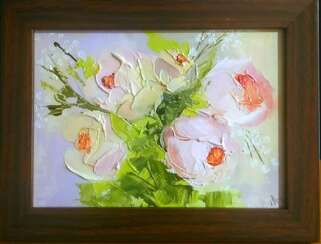

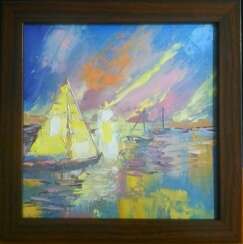

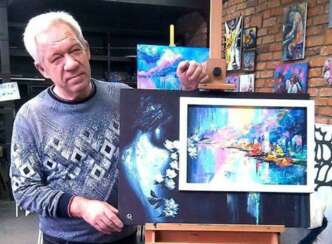

"Выход за рамки"
Oleg Ryzhkov (b. 1960)  Shop Ryzhkov Oleg
Oleg Ryzhkov
29.01.1960
Ukraine
Родился в 1960 году в городе Ясиноватая (Украина). Рисую с детства .Занимался в студии изобразительного искусства и учился живописи у отца.
Я много лет работал инженером, в бизнесе, разных фирмах, предприятиях и рекламных компаниях. Живопись на протяжении этих лет была для меня хобби и отдушиной. В 2015 году переехал из Донецка в Днепропетровск. Теперь занимаюсь живописью профессионально. Постоянно обучаюсь и совершенствую своё мастерство. Проводились персональные выставки в Днепропетровске, мои работы выставлялись в галереях Киева, участвовал в творческих проектах с музыкантами и композиторами в Украине. Пишу в разных стилях, предпочитаю импрессионизм с яркими и насыщенными цветами.
Многие из моих картин теперь находятся в частных коллекциях в США, Канады, Израиля, Франции, Германии и стран СНГ.
Хочу, чтобы мои работы дарили людям радость и хорошее настроение.
Занимаюсь благотворительностью.
Даю уроки живописи детям и взрослым.
Моя цель - сделать мир добрее и лучше.
Artist shop
Ryzhkov Oleg
Ukraine
Number of products: 21
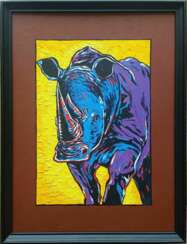

Rhino
Vyacheslav IG (b. 1964)  Shop IG Vyacheslav
Vyacheslav IG
17.05.1964
Russia
I was born and live in Russia, in the city of Samara.
From time to time in different years of his life he drew pictures and cartoons. I have been doing oil painting since 1998. He painted pictures for several years. Then there was a break.
For the last few years I have been doing oil and acrylic paintings on canvas and hardboard. I like this activity. Many works have been sold and donated. So I decided to participate on the VIL site.
Я родился и живу в России, в городе Самара.
Время от времени? в разные годы жизни я рисовал картины и карикатуры. Занимаюсь масляной живописью с 1998 года. Несколько лет писал картины. Потом был перерыв.
Последние несколько лет я делаю картины маслом и акрилом на холсте и оргалите. Мне нравится это занятие. Многие работы были проданы и подарены. Поэтому я решил участвовать на сайте VIL
Artist shop
IG Vyacheslav
Russia
Number of products: 103
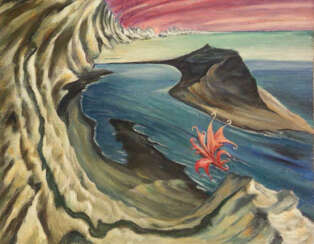

Одинокий кораблик
Andrew Raputo (b. 1967)  Shop Raputo Andrew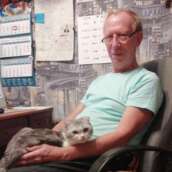
Andrew Raputo
12.09.1967
Russia
Живу в Москве. Имею техническое и художественное образование. Участвовал в различных художественных выставках, в том числе за рубежом ( порядка 27 выставок). Мои работы находятся как в России, так и за рубежом. Недавно создал виртуальную NFT галерею по адресу https://oncyber.io/spaces/mq3LoVQiUpR2izZphAE1.
Галерея называется "Storm in my head"
Еще литература. в России масса издательств, где мои книжки можно купить, например
https://mybook.ru/author/andrej-raputo/
https://kindbook.net/avtor/andrey-raputo
или в Америке на Amazon.com
https://www.amazon.com/s?k=%D0%90%D0%BD%D0%B4%D1%80%D0%B5%D0%B9+%D0%A0%D0%B0%D0%BF
%D1%83%D1%82%D0%BE&i=digital-text&crid=3HTD05D8QC69Q&sprefix=%D0%B0%D0%BD%D0%B4%D1%80%D0%B5%D0%B9+
%D1%80%D0%B0%D0%BF%D1%83%D1%82%D0%BE%2Cdigital-text%2C357&ref=nb_sb_noss
Artist shop
Raputo Andrew
Russia
Number of products: 43
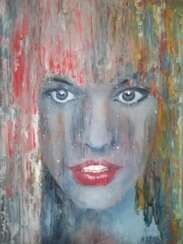



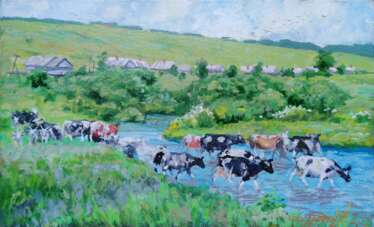

Полуденный моцион
Alexander Bezrodnykh (b. 1955) 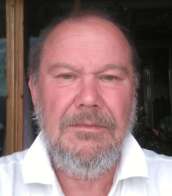 Shop Bezrodnykh Alexander
Alexander Bezrodnykh
20.04.1955
Russia
1955
художник из Санкт-Петербурга. Работает в разных стилях масляной живописи, а также делает на заказ копии классической живописи (голландский натюрморт, импрессионизм). По профессии монументалист, это специалист по настенной живописи: мозаика, сграффито, витраж, фреска,роспись.
Окончил Челябинское художественное училище (1976-1980), Ленинградское высшее художественно-промышленное училище им.В.И.Мухиной (1983-1988). ныне Санкт-Петербургская художественно-промышленная академия имени А. Л. Штиглица.
С 1988 года участвовал в выставках Союза художников, Центрального выставочного зала «Манеж».
Выполнена мозаика 200 квадратных метров в 1989 году: торцевые стены Дома детского творчества.
В 1990 году он участвовал в картине 345 квадратных метров в детской больнице.
В 1994 году он участвовал в росписи Собора, полиполийском радиусе R-7m, высоте 7 метров. город Черновцы, Западная Украина.
В 1999 году он выполнил 14 картин, размер: 60x80 см «Путь Христа» для Церкви, łeba, Польша.
Участвовал в пленэрах:
1998-2003 гг. - łeba, Польша.
1999-2003-Смольджино, Польша.
2001-2003 гг. - Великий Устюг, Северная Россия.
2004-персональная выставка в Пруще-Гданьском (3 мая-16 мая), Польша;
принял участие в выставке «Международное искусство в парке Виссеншафтс» (14 мая-27 августа), Германия.
пленэр 2005 года - город ИНТА, Приполярный Урал.
Июнь 2006 - персональная выставка в Пруще, гданьски, Польша
Июнь 2006 года - пленэр. город Тчев.
2006-выставка в Варшаве. Poland.September
20.3-20.4 / 2008 персональная выставка в Сестрорецке
2017 -Торонто.Канада.участие в конкурсе passiontoperform.ca ..попал в шорт лист..
2020-третье место в конкурсе изобразительного искусства, посвященном творчеству Клода Моне! VATIKAM
2021-принят в члены VATIKAM - Международная ассоциация дизайнеров
Artist shop
Bezrodnykh Alexander
Russia
Number of products: 282


Фантастический водопад
Alexander Bezrodnykh (b. 1955)
Shop Bezrodnykh Alexander
Alexander Bezrodnykh
20.04.1955
Russia
1955
художник из Санкт-Петербурга. Работает в разных стилях масляной живописи, а также делает на заказ копии классической живописи (голландский натюрморт, импрессионизм). По профессии монументалист, это специалист по настенной живописи: мозаика, сграффито, витраж, фреска,роспись.
Окончил Челябинское художественное училище (1976-1980), Ленинградское высшее художественно-промышленное училище им.В.И.Мухиной (1983-1988). ныне Санкт-Петербургская художественно-промышленная академия имени А. Л. Штиглица.
С 1988 года участвовал в выставках Союза художников, Центрального выставочного зала «Манеж».
Выполнена мозаика 200 квадратных метров в 1989 году: торцевые стены Дома детского творчества.
В 1990 году он участвовал в картине 345 квадратных метров в детской больнице.
В 1994 году он участвовал в росписи Собора, полиполийском радиусе R-7m, высоте 7 метров. город Черновцы, Западная Украина.
В 1999 году он выполнил 14 картин, размер: 60x80 см «Путь Христа» для Церкви, łeba, Польша.
Участвовал в пленэрах:
1998-2003 гг. - łeba, Польша.
1999-2003-Смольджино, Польша.
2001-2003 гг. - Великий Устюг, Северная Россия.
2004-персональная выставка в Пруще-Гданьском (3 мая-16 мая), Польша;
принял участие в выставке «Международное искусство в парке Виссеншафтс» (14 мая-27 августа), Германия.
пленэр 2005 года - город ИНТА, Приполярный Урал.
Июнь 2006 - персональная выставка в Пруще, гданьски, Польша
Июнь 2006 года - пленэр. город Тчев.
2006-выставка в Варшаве. Poland.September
20.3-20.4 / 2008 персональная выставка в Сестрорецке
2017 -Торонто.Канада.участие в конкурсе passiontoperform.ca ..попал в шорт лист..
2020-третье место в конкурсе изобразительного искусства, посвященном творчеству Клода Моне! VATIKAM
2021-принят в члены VATIKAM - Международная ассоциация дизайнеров
Artist shop
Bezrodnykh Alexander
Russia
Number of products: 282
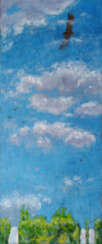

Небо над водопадом
Alexander Bezrodnykh (b. 1955)
Shop Bezrodnykh Alexander
Alexander Bezrodnykh
20.04.1955
Russia
1955
художник из Санкт-Петербурга. Работает в разных стилях масляной живописи, а также делает на заказ копии классической живописи (голландский натюрморт, импрессионизм). По профессии монументалист, это специалист по настенной живописи: мозаика, сграффито, витраж, фреска,роспись.
Окончил Челябинское художественное училище (1976-1980), Ленинградское высшее художественно-промышленное училище им.В.И.Мухиной (1983-1988). ныне Санкт-Петербургская художественно-промышленная академия имени А. Л. Штиглица.
С 1988 года участвовал в выставках Союза художников, Центрального выставочного зала «Манеж».
Выполнена мозаика 200 квадратных метров в 1989 году: торцевые стены Дома детского творчества.
В 1990 году он участвовал в картине 345 квадратных метров в детской больнице.
В 1994 году он участвовал в росписи Собора, полиполийском радиусе R-7m, высоте 7 метров. город Черновцы, Западная Украина.
В 1999 году он выполнил 14 картин, размер: 60x80 см «Путь Христа» для Церкви, łeba, Польша.
Участвовал в пленэрах:
1998-2003 гг. - łeba, Польша.
1999-2003-Смольджино, Польша.
2001-2003 гг. - Великий Устюг, Северная Россия.
2004-персональная выставка в Пруще-Гданьском (3 мая-16 мая), Польша;
принял участие в выставке «Международное искусство в парке Виссеншафтс» (14 мая-27 августа), Германия.
пленэр 2005 года - город ИНТА, Приполярный Урал.
Июнь 2006 - персональная выставка в Пруще, гданьски, Польша
Июнь 2006 года - пленэр. город Тчев.
2006-выставка в Варшаве. Poland.September
20.3-20.4 / 2008 персональная выставка в Сестрорецке
2017 -Торонто.Канада.участие в конкурсе passiontoperform.ca ..попал в шорт лист..
2020-третье место в конкурсе изобразительного искусства, посвященном творчеству Клода Моне! VATIKAM
2021-принят в члены VATIKAM - Международная ассоциация дизайнеров
Artist shop
Bezrodnykh Alexander
Russia
Number of products: 282
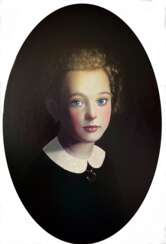

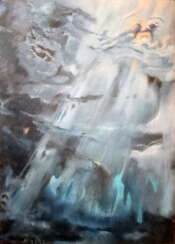

Шторм в моей голове
Andrew Raputo (b. 1967)
Shop Raputo Andrew
Andrew Raputo
12.09.1967
Russia
Живу в Москве. Имею техническое и художественное образование. Участвовал в различных художественных выставках, в том числе за рубежом ( порядка 27 выставок). Мои работы находятся как в России, так и за рубежом. Недавно создал виртуальную NFT галерею по адресу https://oncyber.io/spaces/mq3LoVQiUpR2izZphAE1.
Галерея называется "Storm in my head"
Еще литература. в России масса издательств, где мои книжки можно купить, например
https://mybook.ru/author/andrej-raputo/
https://kindbook.net/avtor/andrey-raputo
или в Америке на Amazon.com
https://www.amazon.com/s?k=%D0%90%D0%BD%D0%B4%D1%80%D0%B5%D0%B9+%D0%A0%D0%B0%D0%BF
%D1%83%D1%82%D0%BE&i=digital-text&crid=3HTD05D8QC69Q&sprefix=%D0%B0%D0%BD%D0%B4%D1%80%D0%B5%D0%B9+
%D1%80%D0%B0%D0%BF%D1%83%D1%82%D0%BE%2Cdigital-text%2C357&ref=nb_sb_noss
Artist shop
Raputo Andrew
Russia
Number of products: 43
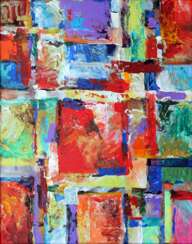

Вибрации
Nikolay Arzhanov (b. 1972) 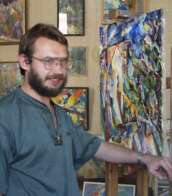 Shop Arzhanov Nikolay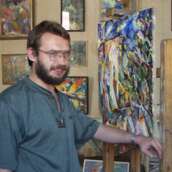
Nikolay Arzhanov
06.10.1972
Russia
В своих живописных работах я стараюсь создать некое волшебство, магию, показать иную, невидимую, сторону реальности нашего мира. Увидеть нематериальное в вещественном, передать на холсте больше, чем видит глаз. Сконцентрировать в небольшом холсте энергию и передать её зрителю. Не за счёт сюжета, а только пользуясь возможностями цвета и света. Дух места в пейзаже, суть вещи в натюрморте и внутренний мир человека в портрете для меня важнее фиксации внешних форм лица, объекта или ландшафта. Этот подход определяет и разнообразие методов и стилей, используемых мною: исходя из конкретной задачи, я могу выбрать в одном случае импрессионистский подход, в другом – экспрессионистское решение, создать реалистическое изображение или абстрактную композицию. Разнообразие и многокрасочность мира определяет и разнообразие техник и технологий, применяемых мною. Любимыми материалами являются масло и акрил на холсте или оргалите, а наиболее близкими мне стилями – импрессионизм и экспрессионизм.
В графических работах для меня довольно важен сюжет, часто он определяет весь характер и строй работы. Однако и в графике, как в живописи, вещественное, материальное начало для меня менее важно, чем образ и дух изображения.
Динамика, движение, экспрессия – почти в любой моей работе, статичные композиции у меня встречаются редко.
Участвовать в выставках начал с 1993 года.
Artist shop
Arzhanov Nikolay
Russia
Number of products: 17
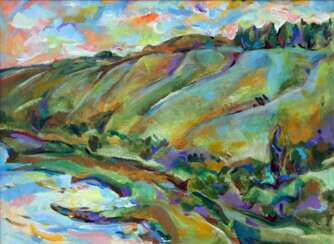

Берег
Nikolay Arzhanov (b. 1972)
Shop Arzhanov Nikolay
Nikolay Arzhanov
06.10.1972
Russia
В своих живописных работах я стараюсь создать некое волшебство, магию, показать иную, невидимую, сторону реальности нашего мира. Увидеть нематериальное в вещественном, передать на холсте больше, чем видит глаз. Сконцентрировать в небольшом холсте энергию и передать её зрителю. Не за счёт сюжета, а только пользуясь возможностями цвета и света. Дух места в пейзаже, суть вещи в натюрморте и внутренний мир человека в портрете для меня важнее фиксации внешних форм лица, объекта или ландшафта. Этот подход определяет и разнообразие методов и стилей, используемых мною: исходя из конкретной задачи, я могу выбрать в одном случае импрессионистский подход, в другом – экспрессионистское решение, создать реалистическое изображение или абстрактную композицию. Разнообразие и многокрасочность мира определяет и разнообразие техник и технологий, применяемых мною. Любимыми материалами являются масло и акрил на холсте или оргалите, а наиболее близкими мне стилями – импрессионизм и экспрессионизм.
В графических работах для меня довольно важен сюжет, часто он определяет весь характер и строй работы. Однако и в графике, как в живописи, вещественное, материальное начало для меня менее важно, чем образ и дух изображения.
Динамика, движение, экспрессия – почти в любой моей работе, статичные композиции у меня встречаются редко.
Участвовать в выставках начал с 1993 года.
Artist shop
Arzhanov Nikolay
Russia
Number of products: 17


