5 factor model


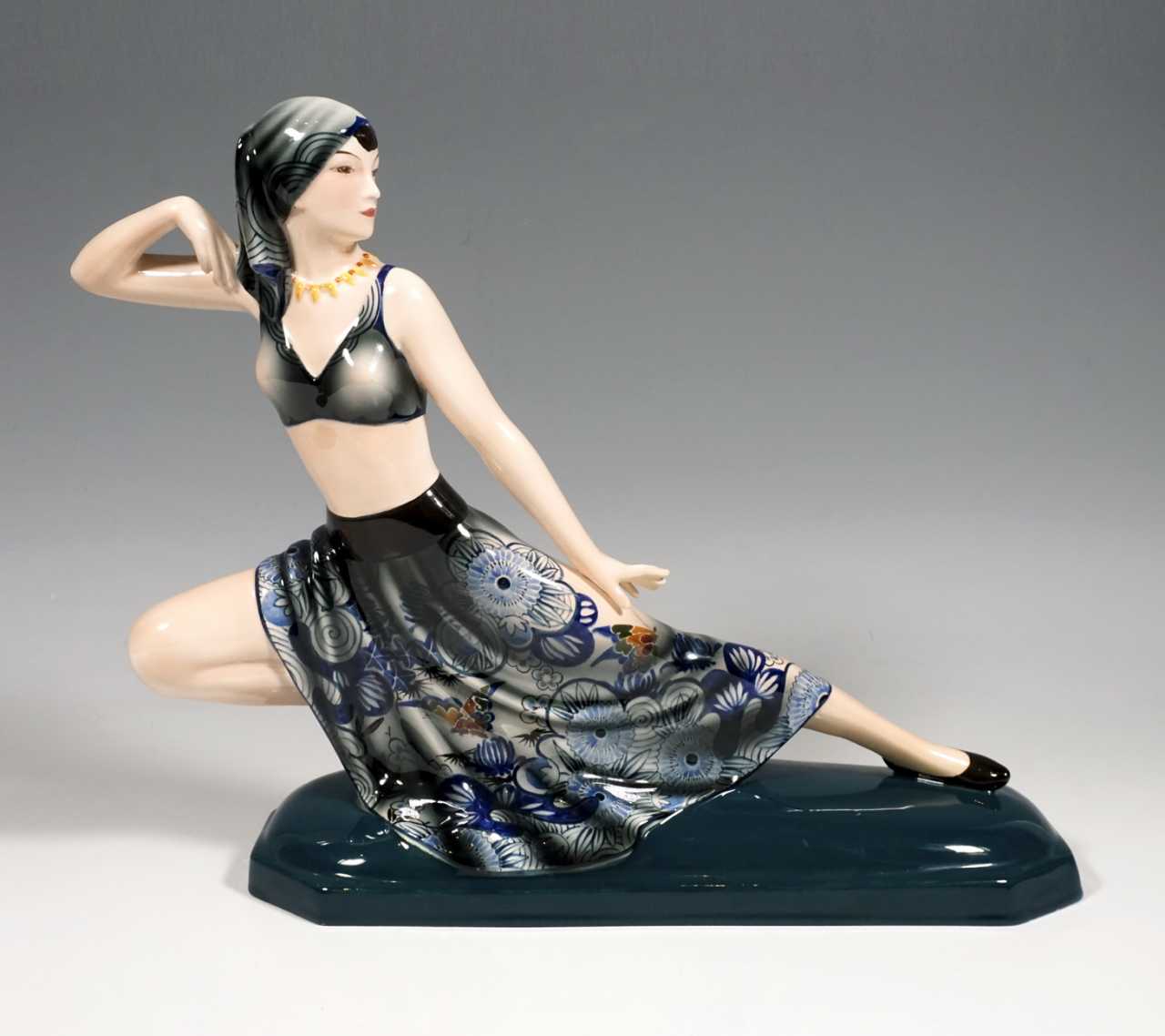
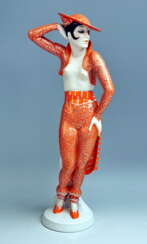
Josef Lorenzl was an Austrian sculptor and ceramicist of the Art Deco period, the same era as Ferdinand Preiss (1882–1943) and Demetre Chiparus (1886–1947).
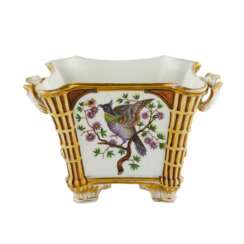



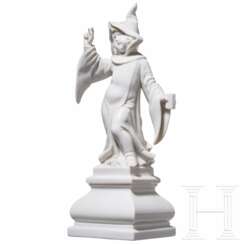



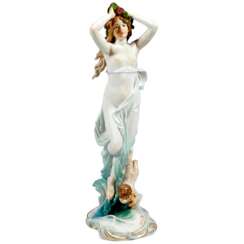

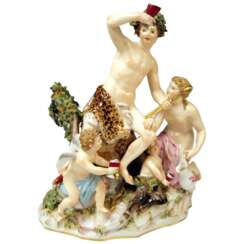







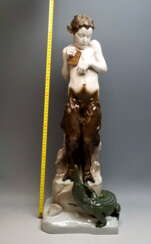

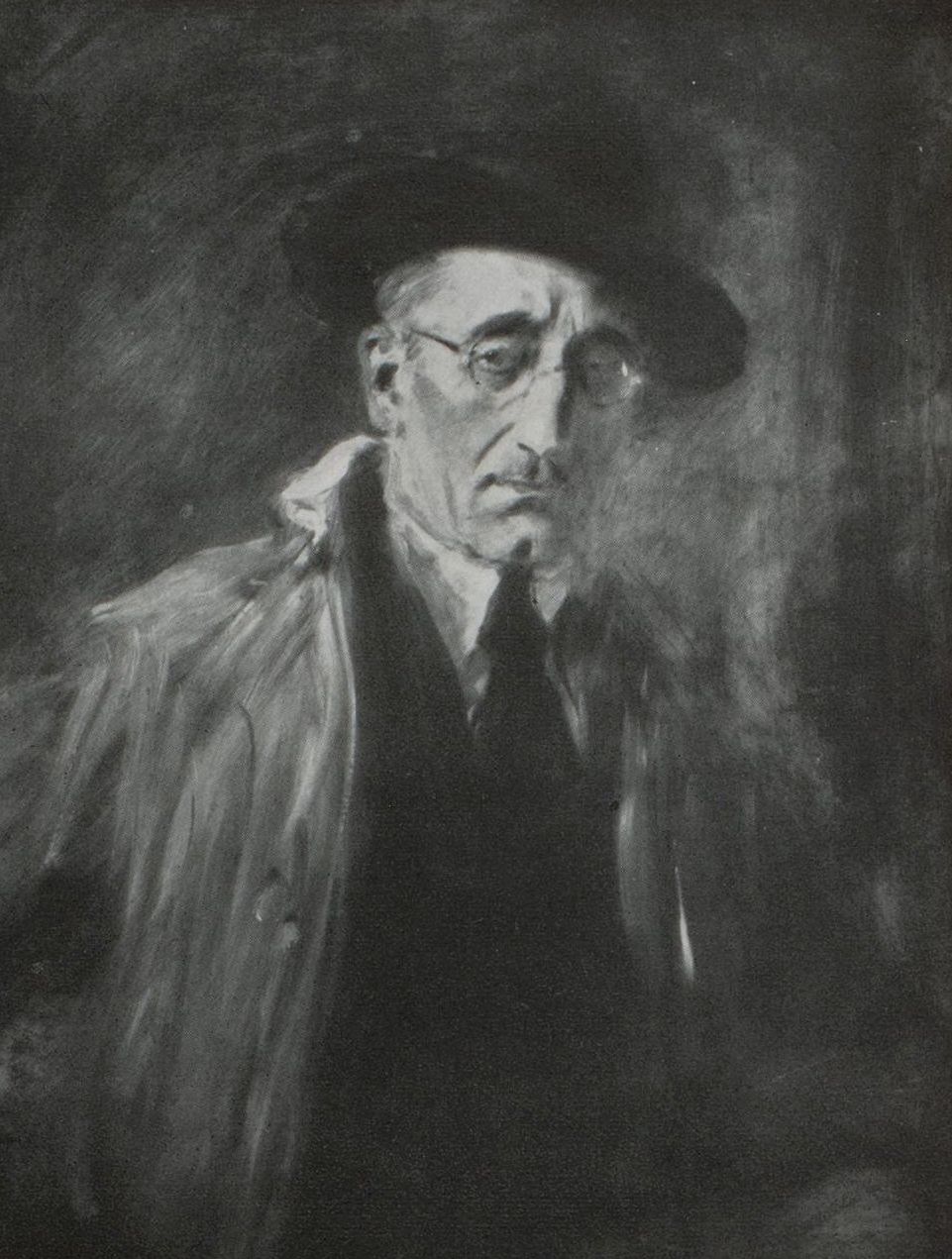
Ferdinand Liebermann was a German sculptor.
Liebermann studied sculpture at the School of Arts and Crafts and at the Academy in Munich with Heinrich Wadere. After additional studies in Rome and Paris, he opened his studio in Munich in 1910 and was awarded the Grand Austrian State Medal in gold for a small bronze the same year. In 1926 he became professor of monumental and portrait sculpture in Munich.
Ferdinand Liebermann's works include numerous sculptures of buildings, monuments and fountains, and he was also one of the most important figure designers for the Rosenthal manufactory.
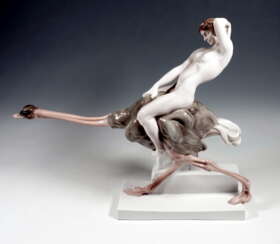

Ferdinand Liebermann was a German sculptor.
Liebermann studied sculpture at the School of Arts and Crafts and at the Academy in Munich with Heinrich Wadere. After additional studies in Rome and Paris, he opened his studio in Munich in 1910 and was awarded the Grand Austrian State Medal in gold for a small bronze the same year. In 1926 he became professor of monumental and portrait sculpture in Munich.
Ferdinand Liebermann's works include numerous sculptures of buildings, monuments and fountains, and he was also one of the most important figure designers for the Rosenthal manufactory.


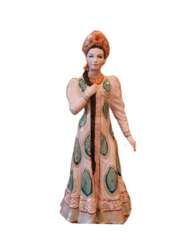




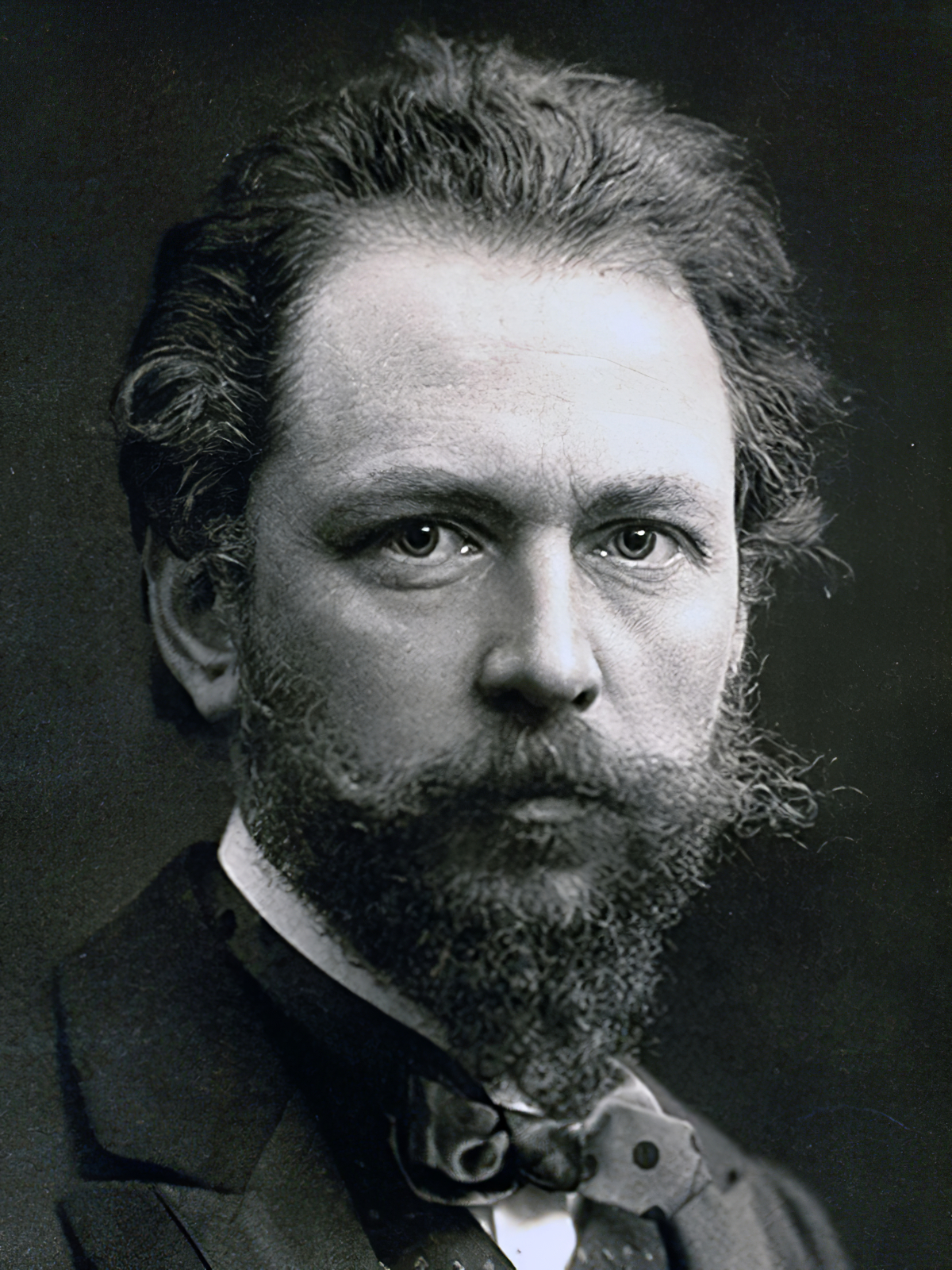
Oskar Erich Hösel, a German sculptor and modeler, was renowned for his distinctive contributions to art and culture. His work is celebrated for its innovation and mastery in sculpture and modeling, with notable creations that include various sculptures and models for the Meissen Porcelain Manufactory. Hösel's talents were recognized early in his career, evidenced by awards such as the small silver medal from the Dresden Academy of Fine Arts in 1891 for his group "In the Desert".
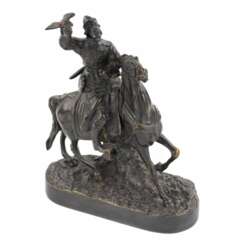
His sculptures, such as "Hunne zu Pferde" and "Entlaufener Negersklave im Kampfe mit einem Bluthund," highlight his ability to capture dynamic and dramatic scenes in his art. Besides his sculptural work, Oskar Erich Hösel contributed significantly to porcelain design, creating pieces that are still celebrated today.
Oskar Erich Hösel's artistry extended beyond conventional sculpture, incorporating elements of realism and a keen observation of nature, evident in his various animal figures and other works. His legacy continues to influence the fields of sculpture and porcelain art, with his works serving as a testament to his skill and creativity.
For collectors and art and antique experts, Hösel's works represent a unique blend of artistic innovation and traditional craftsmanship. If you're keen on staying updated about Oskar Erich Hösel's art, including sales and auction events, consider signing up for updates. This subscription offers a focused way to engage with the ongoing appreciation and study of Hösel's contributions to art and culture.