



5 x 35


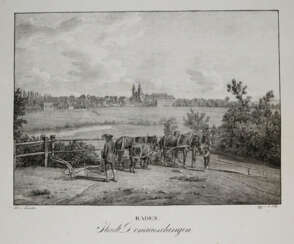
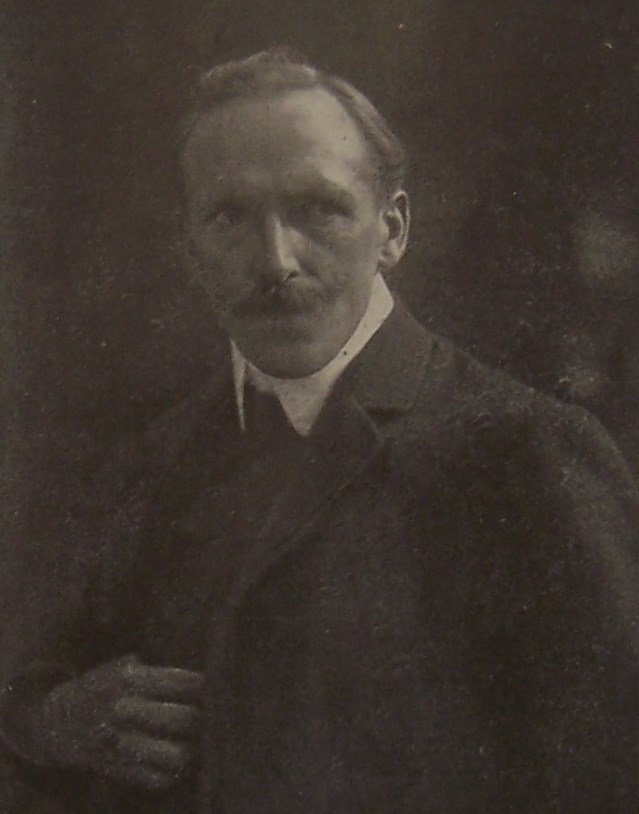
Edward Harrison Compton was a German landscape painter and illustrator of English descent.
Like his father he was inspired by the Alps to become a mountain painter (Bergmaler) working in both oils and watercolour. However, an attack of Polio at the age of 28 meant that he had to find more accessible landscapes to paint in Germany, England, northern Italy and Sicily. He also provided illustrations for several travel books published by A & C Black.


Edward Harrison Compton was a German landscape painter and illustrator of English descent.
Like his father he was inspired by the Alps to become a mountain painter (Bergmaler) working in both oils and watercolour. However, an attack of Polio at the age of 28 meant that he had to find more accessible landscapes to paint in Germany, England, northern Italy and Sicily. He also provided illustrations for several travel books published by A & C Black.


Théodore Rousseau was a prominent French painter, celebrated for his pioneering contributions to the Barbizon school of landscape art. His dedication to capturing nature's essence made him a pivotal figure in landscape painting's evolution. Rousseau's technique involved painting directly from nature, a method that infused his works with a profound sense of realism and vitality. This approach was notably evident in his masterpiece "An Avenue of Trees, Forest of l'Isle-Adam," where he meticulously captured a scene entirely outdoors, a testament to his commitment to authenticity and detail.
Théodore Rousseau's artistry wasn't confined to painting alone; his drawings, like the detailed "Study of an Oak Tree," demonstrate his versatility and deep connection with nature. His works received significant recognition, culminating in a triumphant display at the Universal Exposition of 1855. However, his life was not devoid of challenges. Personal tragedies and professional setbacks marked his later years, yet his resolve and dedication to art remained unshaken.
For art enthusiasts and collectors, Théodore Rousseau's works are pivotal, not just for their beauty but also for their role in the history of landscape painting. His pieces like "The Great Oaks of Old Bas-Bréau" are cherished in collections worldwide, serving as enduring symbols of his talent and his profound influence on subsequent art movements.
For those interested in the intersection of nature and art, subscribing to updates on Théodore Rousseau can provide invaluable insights into his life's work, his contributions to the Barbizon school, and his lasting impact on the world of art. Stay informed about new discoveries, sales, and auction events related to Rousseau's oeuvre to deepen your appreciation and understanding of this illustrious artist's legacy.


Walter Dexel was a German painter, commercial graphic designer, and transportation planner. He also functioned as an art historian and directed a museum in Braunschweig during the Second World War.


Käthe Kollwitz (born as Schmidt) was a German artist who worked with painting, printmaking (including etching, lithography and woodcuts) and sculpture. Her most famous art cycles, including The Weavers and The Peasant War, depict the effects of poverty, hunger and war on the working class. Despite the realism of her early works, her art is now more closely associated with Expressionism. Kollwitz was the first woman not only to be elected to the Prussian Academy of Arts but also to receive honorary professor status.


Horst Janssen was a German graphic artist, printmaker, poster and illustrator. He created many drawings, etchings, woodcuts, lithographs, and woodcuts.
There is a museum dedicated to his legacy in Horst Janssen's hometown of Oldenburg. His works are represented internationally in major museums.


Jean Fautrier was a French painter and sculptor associated with the Art Informel and Tachisme movements. He initially studied architecture before turning to painting in the early 1920s.
Fautrier's early work was influenced by Cubism and Surrealism, but he eventually developed a more abstract style characterized by thick impasto and expressive brushwork. He often used unconventional materials, such as asphalt, sand, and tar, to create textured surfaces that conveyed a sense of materiality.
During World War II, Fautrier was active in the French Resistance and went into hiding to avoid arrest by the Nazis. His experiences during the war had a profound impact on his work, which became darker and more introspective. He began to create what he called "Hostage" paintings, which depicted anonymous faces and figures that were both haunting and vulnerable.
After the war, Fautrier continued to explore themes of violence, trauma, and decay in his art. He created a series of "Otages" (Hostages) sculptures that were made from casts of human limbs and torsos. These works were highly controversial and provoked strong reactions from critics and the public alike.
Fautrier's influence on the development of Art Informel and Tachisme was significant, and he is regarded as one of the key figures of the movement. His work is represented in many major museums and collections around the world, including the Centre Georges Pompidou in Paris and the Museum of Modern Art in New York.


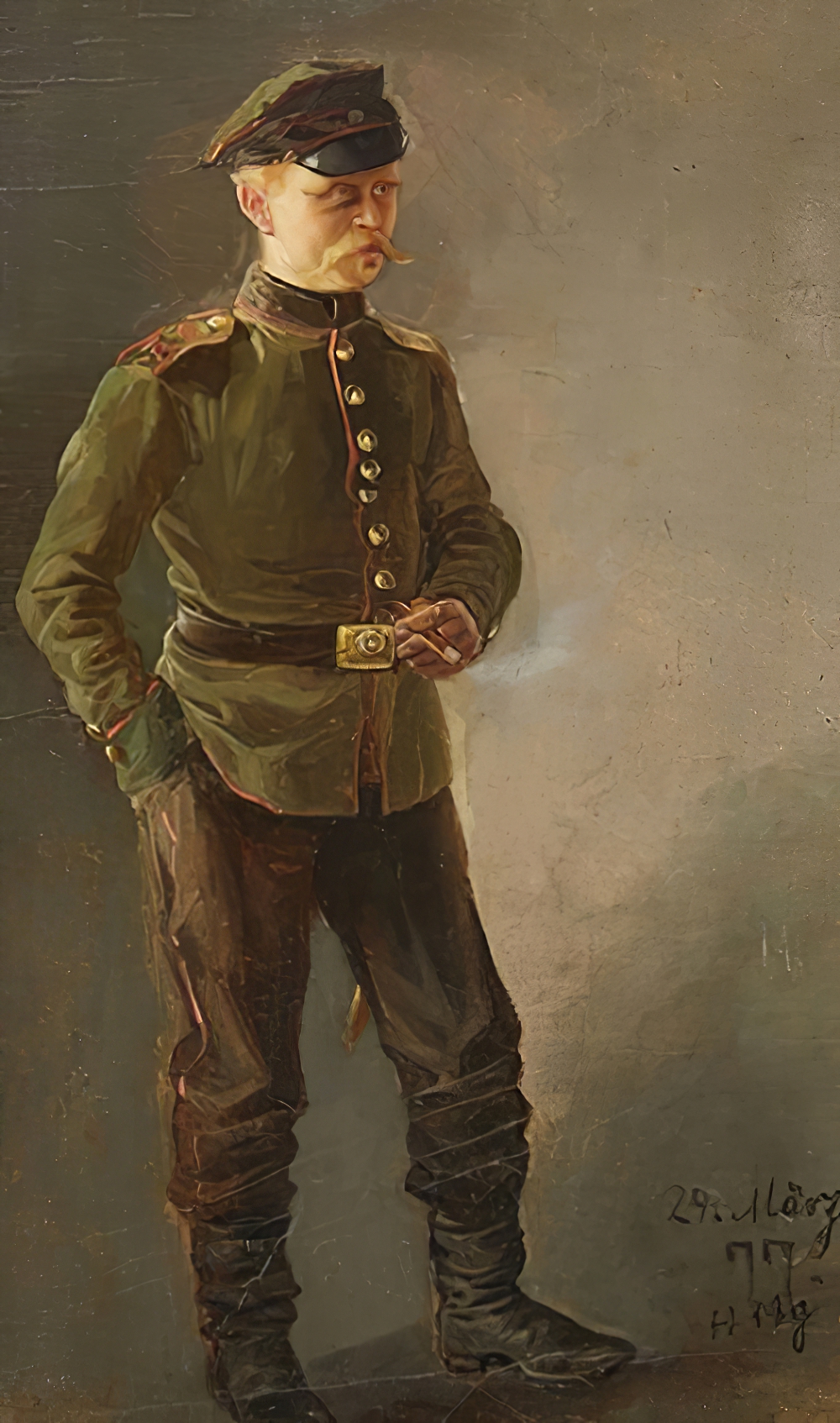
Hugo Mühlig was a German Impressionist painter. From 1881, he lived in Düsseldorf as a painter of landscapes and genre scenes.