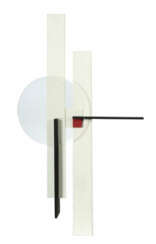
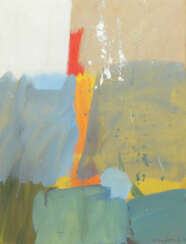
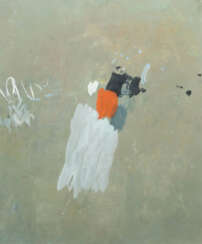
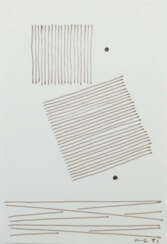
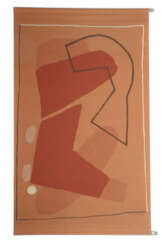
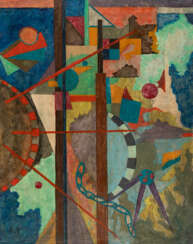
abstrakte komposition


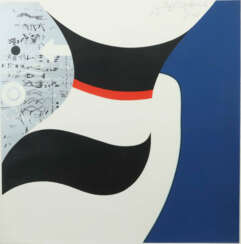



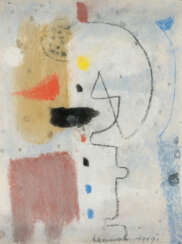

Max Ackermann was a German painter and graphic artist. He was a pupil of Adolf Hölzel and is considered a pioneer of abstract painting.


.jpg)
Hannah Höch was a German Dada artist. She is best known for her work of the Weimar period, when she was one of the originators of photomontage. Photomontage, or fotomontage, is a type of collage in which the pasted items are actual photographs, or photographic reproductions pulled from the press and other widely produced media.
Höch's work was intended to dismantle the fable and dichotomy that existed in the concept of the "New Woman": an energetic, professional, and androgynous woman, who is ready to take her place as man's equal. Her interest in the topic was in how the dichotomy was structured, as well as in who structures social roles.
Other key themes in Höch's works were androgyny, political discourse, and shifting gender roles. These themes all interacted to create a feminist discourse surrounding Höch's works, which encouraged the liberation and agency of women during the Weimar Republic (1919-1933) and continuing through to today.
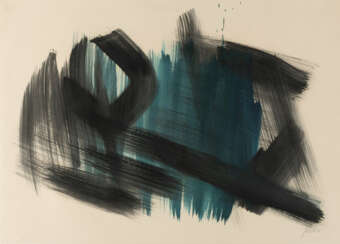

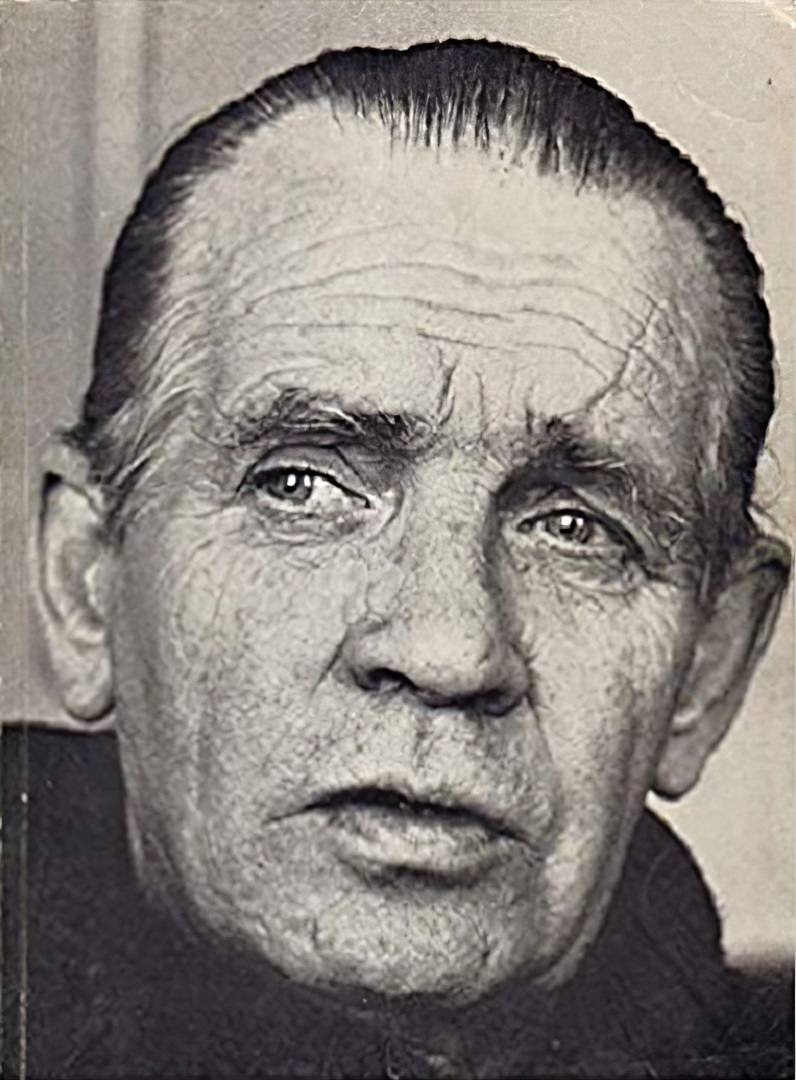
Fritz Winter was a German painter of the postwar period best known for his abstract works in the Art Informel style.