adolf lier


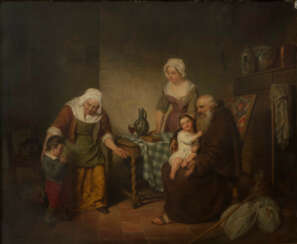

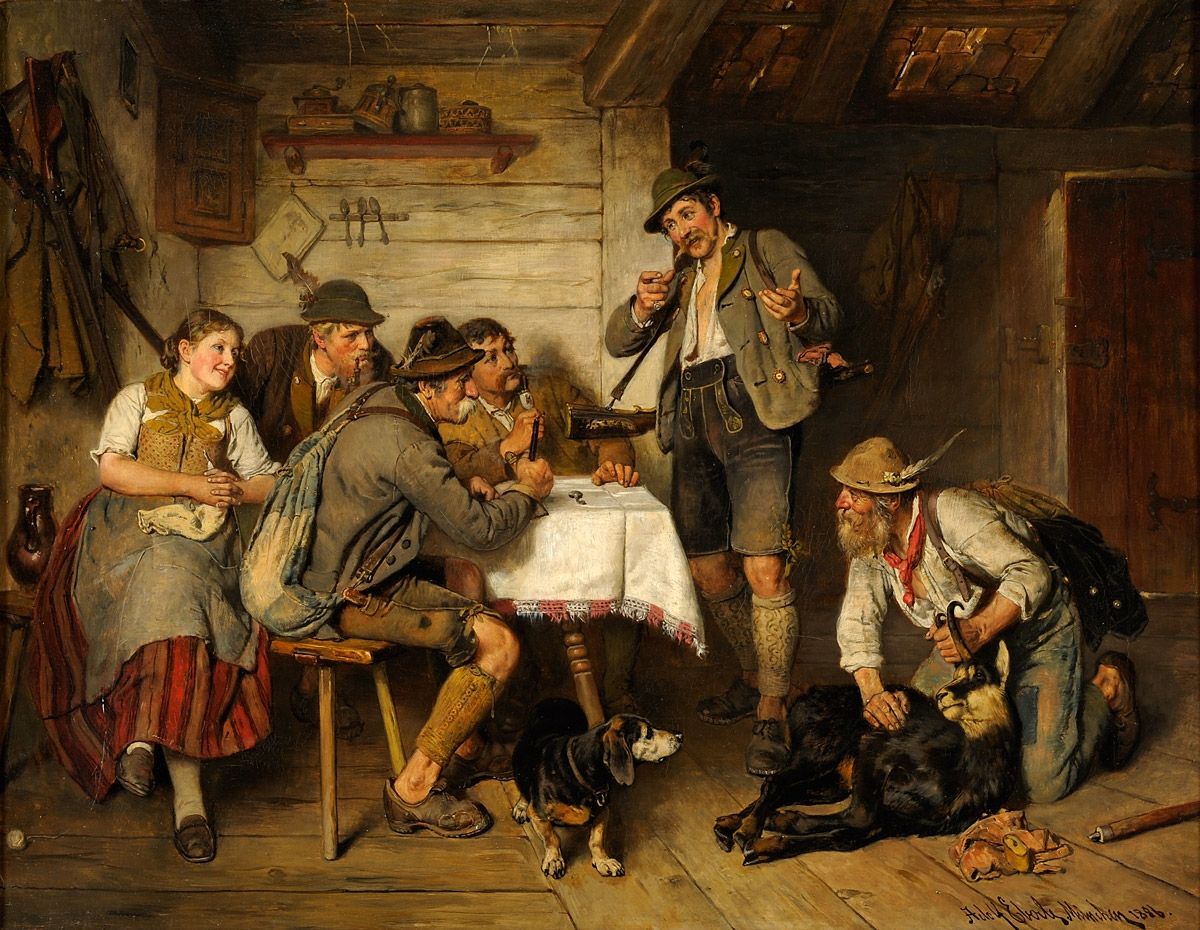
Adolf Eberle was a German painter of the second half of the nineteenth and early twentieth centuries. He is known as a genre painter and animalist.
Adolf Eberle specialized in depicting rural life, especially Bavarian and Tyrolean farmers and hunters. Early in his career, he was interested in historical subjects, but quickly returned to depicting peasant and animal life. His painting "The Sale of the Last Cow" brought him his first great success in 1861, and in 1879 at the Munich exhibition his work "The First Deer" was highly praised by the jury.


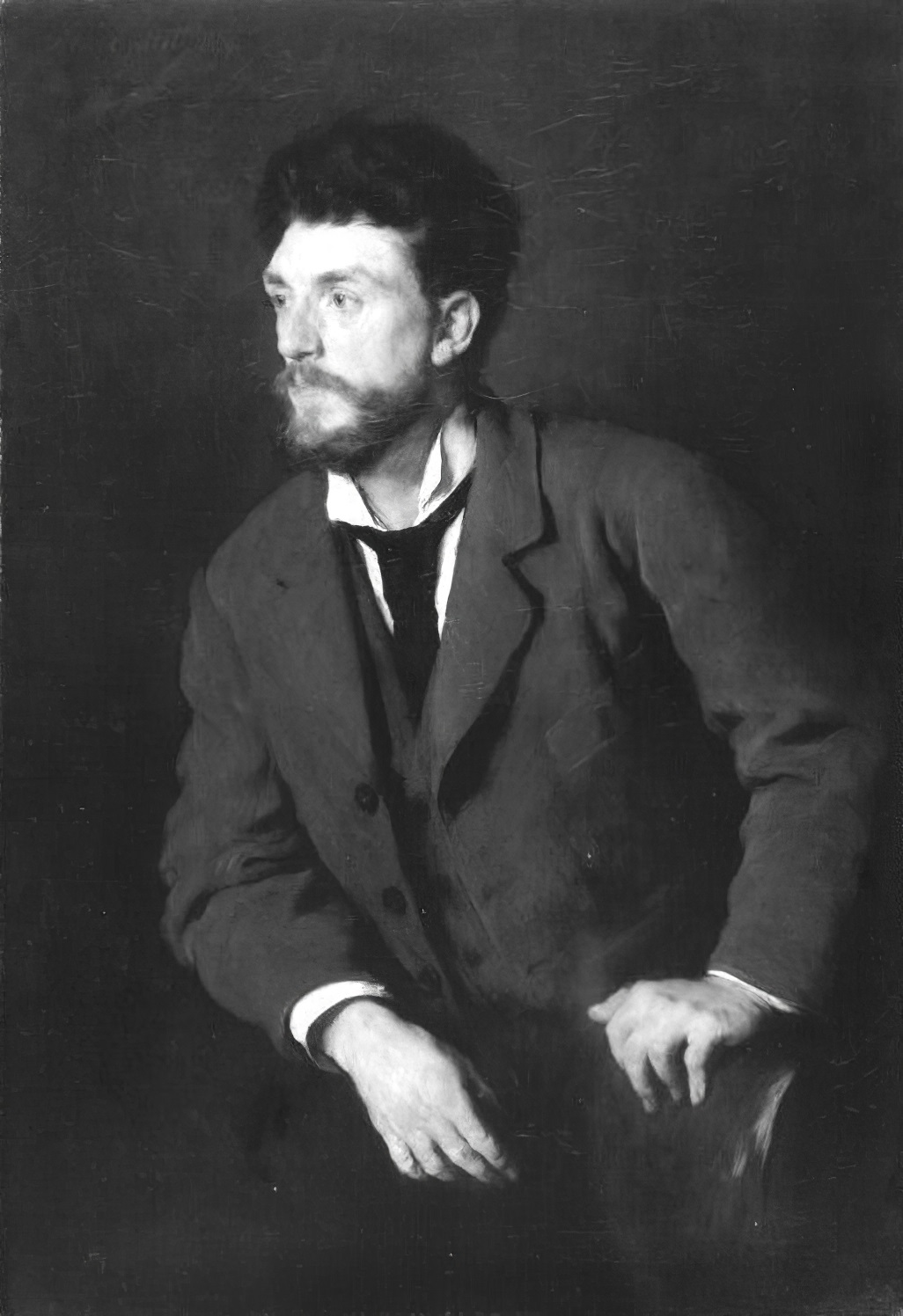
Adolf Richard Hölzel was a German painter. He began as a Realist, but later became an early promoter of various Modern styles, including Abstractionism.




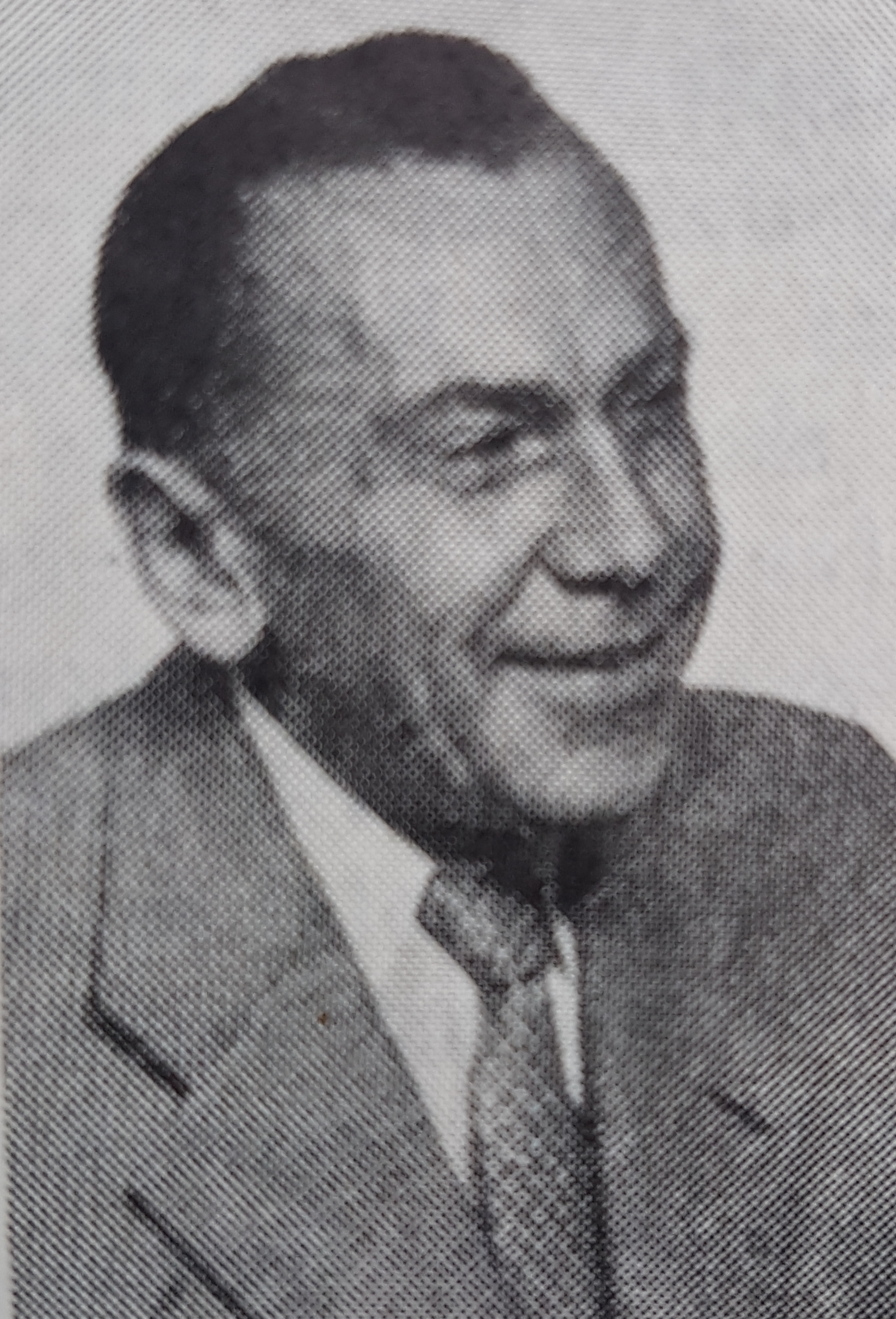
Adolf Konrad Walter Bock was a twentieth-century German painter. He is known as a marine painter.
Adolf Bock, as a sailor in the German Navy, in 1912 accompanied Emperor Wilhelm II on a voyage to the Mediterranean and received, as an artist, the support of the Kaiser. In the interwar period he carried out commissions for steamship companies, publishing houses and magazines. In Nazi Germany his work was also valued, and he received a professorship personally from Hitler. During the Second World War, the artist survived being on the port side of the sunken liner Wilhelm Gustloff and later created prints on the subject of the disaster.




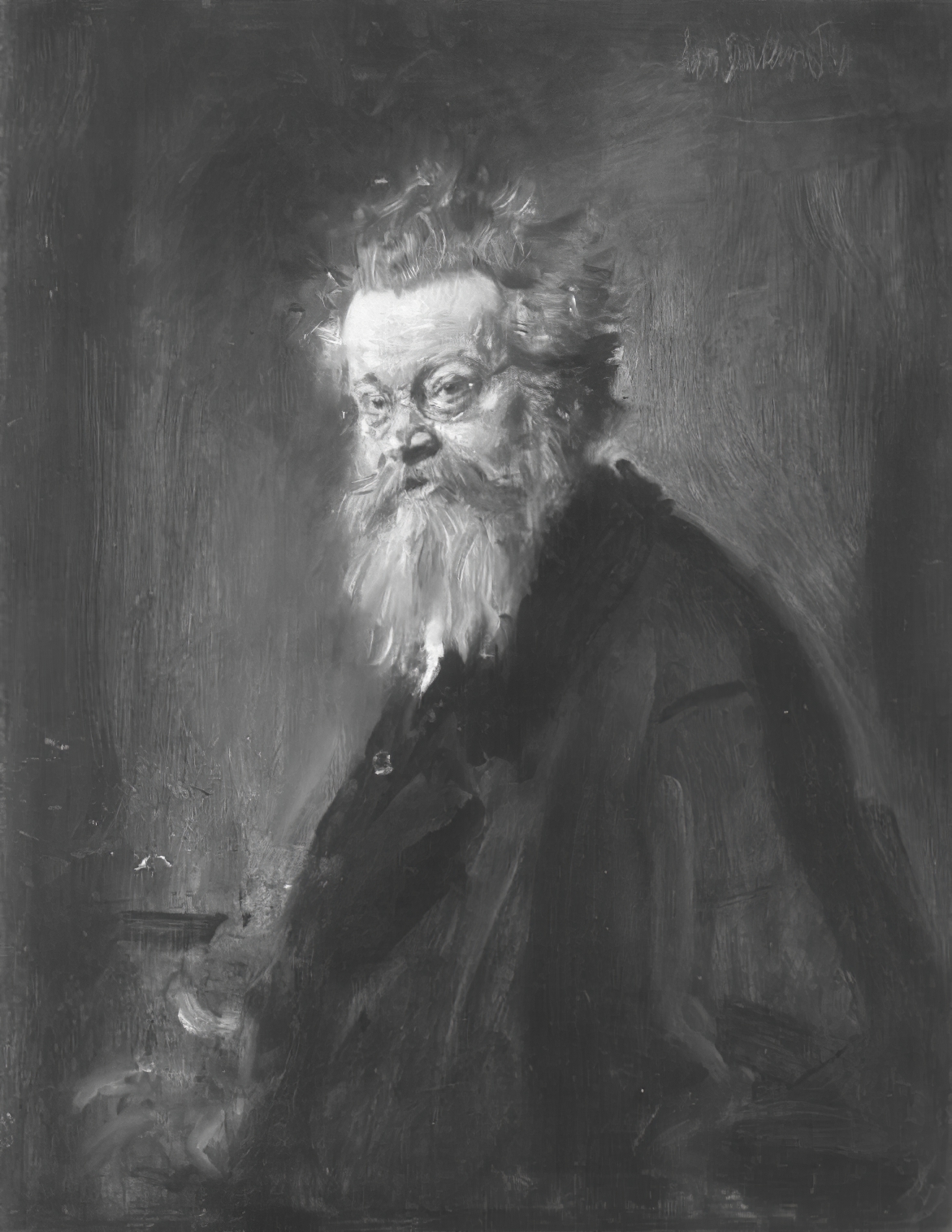
Joseph Wenglein was a German painter who is often referred to as one of the last significant landscape painters of the 19th century Munich school.
Parallel to his law studies Joseph Wenglein studied at the Academy of Fine Arts in Munich. He then switched entirely to art and became a pupil of the landscape painter Johann Gottfried Steffan. On his recommendation, Wenglein sometime later became a pupil of the painter Adolf Heinrich Lier, whose colouristic tendencies, calculated to express profound moods, particularly appealed to him.
Josef Wenglein knew how to reproduce the change of daylight, especially in spring and autumn, with a fine sense of the slightest atmospheric fluctuations and to vary the grey pleasant tone of the Bavarian plateau in all its nuances masterfully.


Joseph Wenglein was a German painter who is often referred to as one of the last significant landscape painters of the 19th century Munich school.
Parallel to his law studies Joseph Wenglein studied at the Academy of Fine Arts in Munich. He then switched entirely to art and became a pupil of the landscape painter Johann Gottfried Steffan. On his recommendation, Wenglein sometime later became a pupil of the painter Adolf Heinrich Lier, whose colouristic tendencies, calculated to express profound moods, particularly appealed to him.
Josef Wenglein knew how to reproduce the change of daylight, especially in spring and autumn, with a fine sense of the slightest atmospheric fluctuations and to vary the grey pleasant tone of the Bavarian plateau in all its nuances masterfully.


Joseph Wenglein was a German painter who is often referred to as one of the last significant landscape painters of the 19th century Munich school.
Parallel to his law studies Joseph Wenglein studied at the Academy of Fine Arts in Munich. He then switched entirely to art and became a pupil of the landscape painter Johann Gottfried Steffan. On his recommendation, Wenglein sometime later became a pupil of the painter Adolf Heinrich Lier, whose colouristic tendencies, calculated to express profound moods, particularly appealed to him.
Josef Wenglein knew how to reproduce the change of daylight, especially in spring and autumn, with a fine sense of the slightest atmospheric fluctuations and to vary the grey pleasant tone of the Bavarian plateau in all its nuances masterfully.


Joseph Wenglein was a German painter who is often referred to as one of the last significant landscape painters of the 19th century Munich school.
Parallel to his law studies Joseph Wenglein studied at the Academy of Fine Arts in Munich. He then switched entirely to art and became a pupil of the landscape painter Johann Gottfried Steffan. On his recommendation, Wenglein sometime later became a pupil of the painter Adolf Heinrich Lier, whose colouristic tendencies, calculated to express profound moods, particularly appealed to him.
Josef Wenglein knew how to reproduce the change of daylight, especially in spring and autumn, with a fine sense of the slightest atmospheric fluctuations and to vary the grey pleasant tone of the Bavarian plateau in all its nuances masterfully.






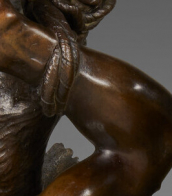
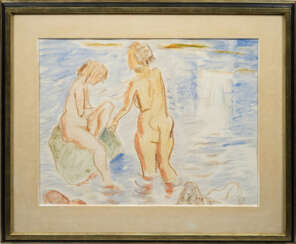

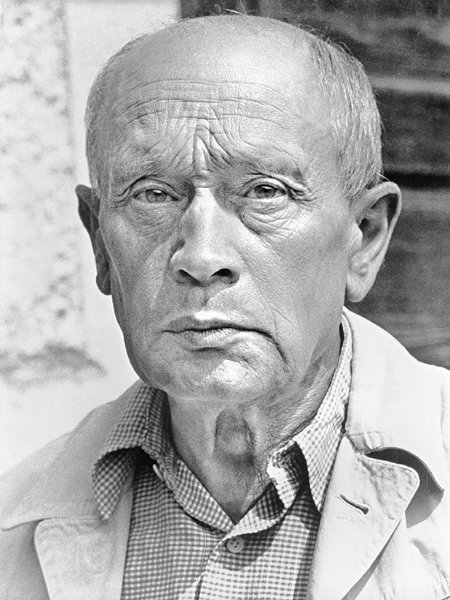
Erich Heckel was a German painter and printmaker, and a founding member of the group Die Brücke ("The Bridge") which existed 1905–1913. His work was part of the art competitions at the 1928 Summer Olympics and the 1932 Summer Olympics.
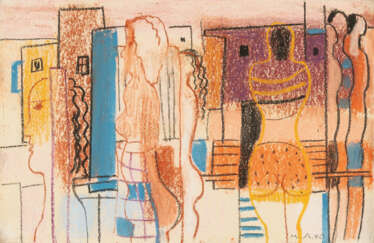

Max Ackermann was a German painter and graphic artist. He was a pupil of Adolf Hölzel and is considered a pioneer of abstract painting.