appropriation art














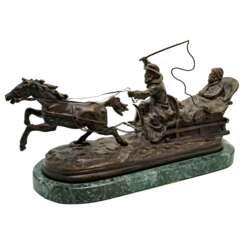

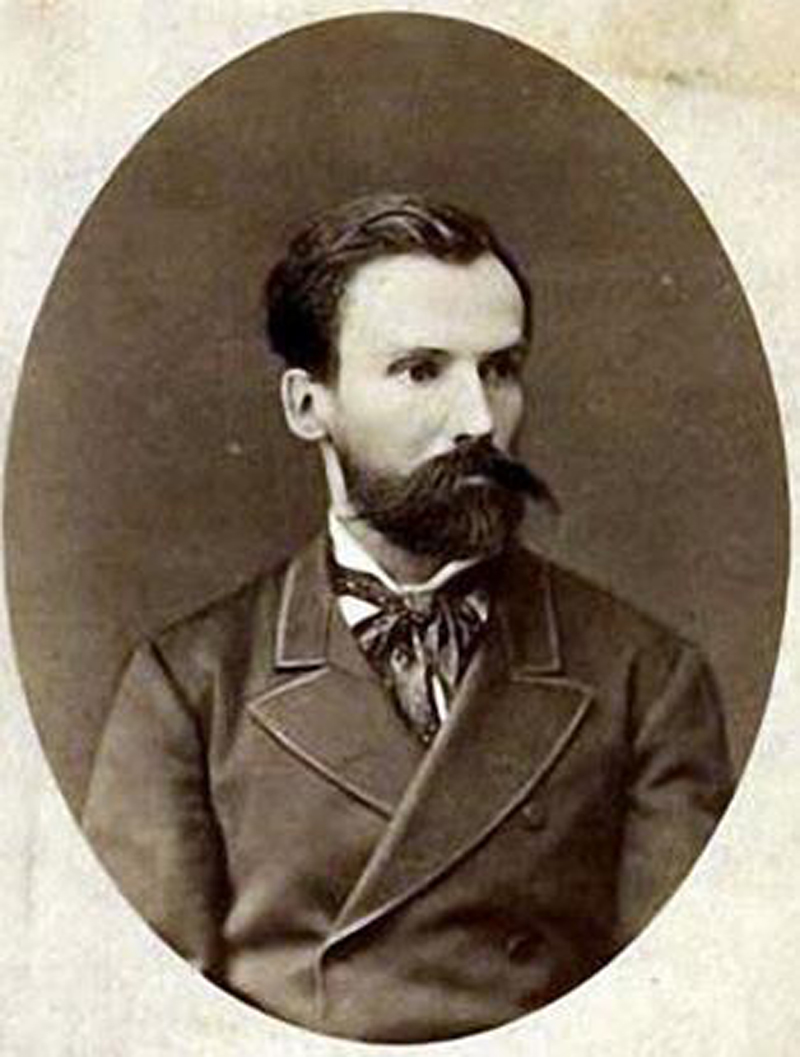
Yevgeny Alexandrovich Lanceray (Russian: Евгений Александрович Лансере) was a Russian sculptor born in 1848, renowned for his detailed bronze sculptures that often depicted historical and ethnographic themes. His works, celebrated for capturing the essence of 19th-century Russian life, include statues such as "Young Ossetian Sitting" and "Royal Falconer" which demonstrate his skill in portraying both human figures and animals with remarkable realism and emotion.
Lanceray's artistic journey began in St. Petersburg, where he was deeply influenced by his surroundings and the vibrant artistic community. He trained under the tutelage of prominent artists and developed a unique style that made substantial contributions to Russian art. His sculptures were widely appreciated for their dynamic representation of subjects and meticulous attention to detail.
Lanceray's legacy extends beyond his sculptures, as his works are featured in major galleries and are highly sought after by collectors. His dedication to art and his ability to portray Russian culture have left an indelible mark on the art world, making his pieces revered collectibles in auctions and exhibitions globally.
For collectors and experts interested in Lanceray's work, staying informed about upcoming auctions and exhibitions can be highly rewarding. To receive updates and exclusive information on Yevgeny Alexandrovich Lanceray, sign up for our newsletter, ensuring you never miss out on the opportunity to add a piece of this master sculptor’s legacy to your collection.