

aquarell und bleistift





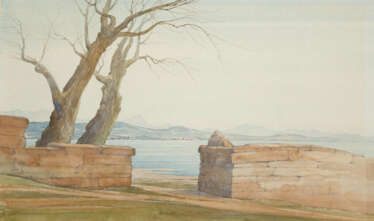



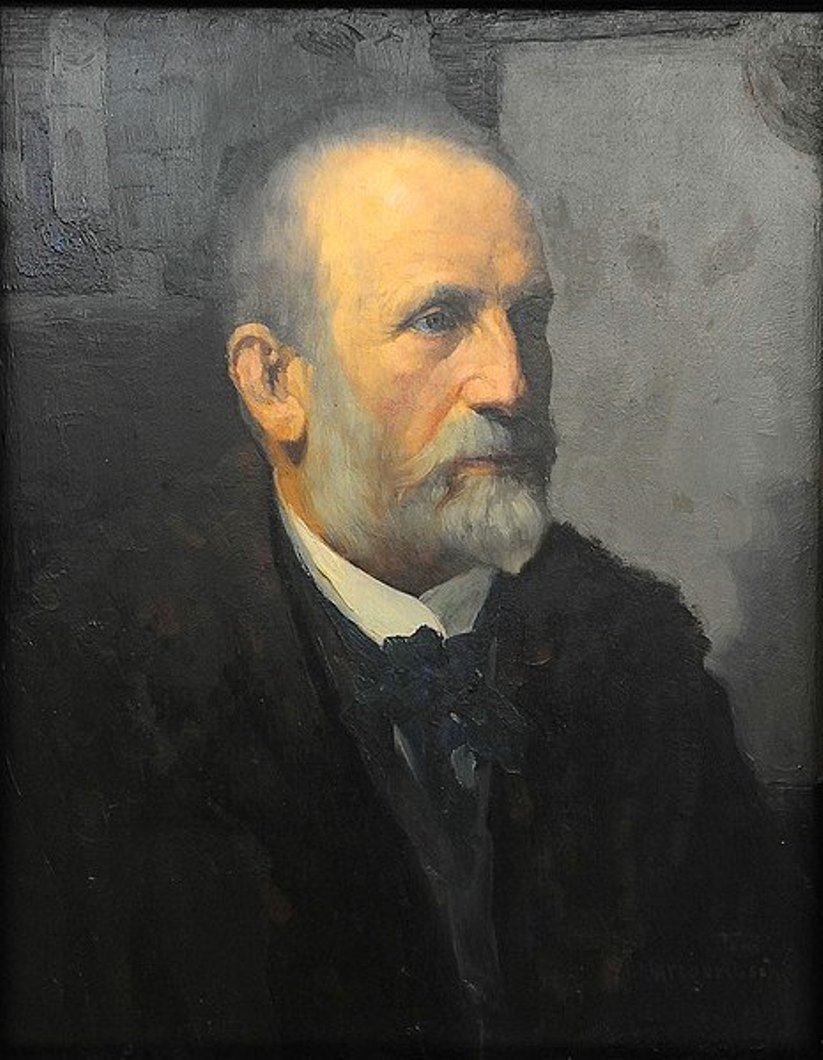
Ludwig Willroider was an Austrian landscape painter, printmaker, and printmaker, the younger brother of the painter Josef Willroider, and an honorary member of the Munich Academy.





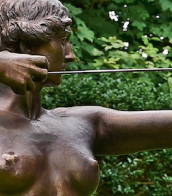


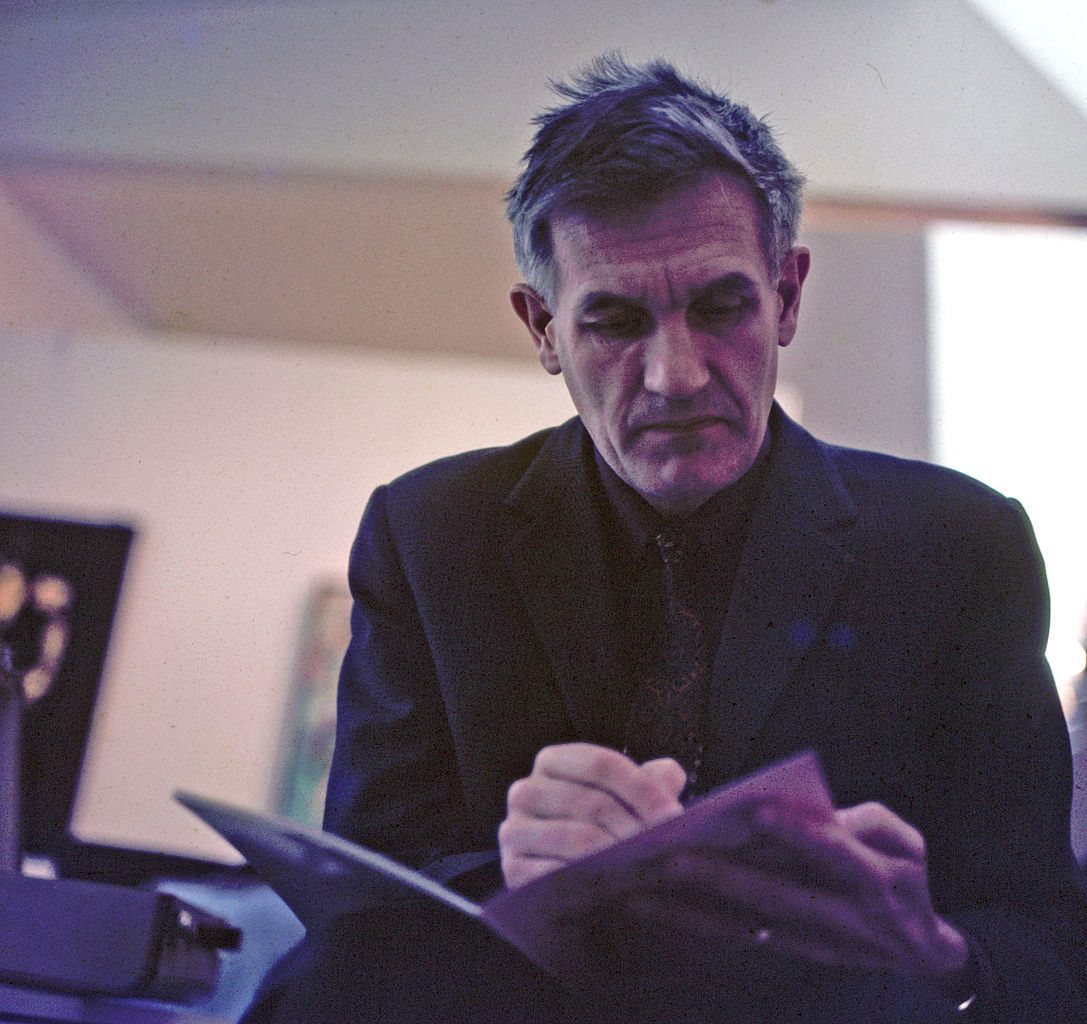
Bernard Schultze was a German painter who co-founded the Quadriga group of artists along with Karl Otto Götz and two other artists.
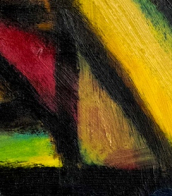




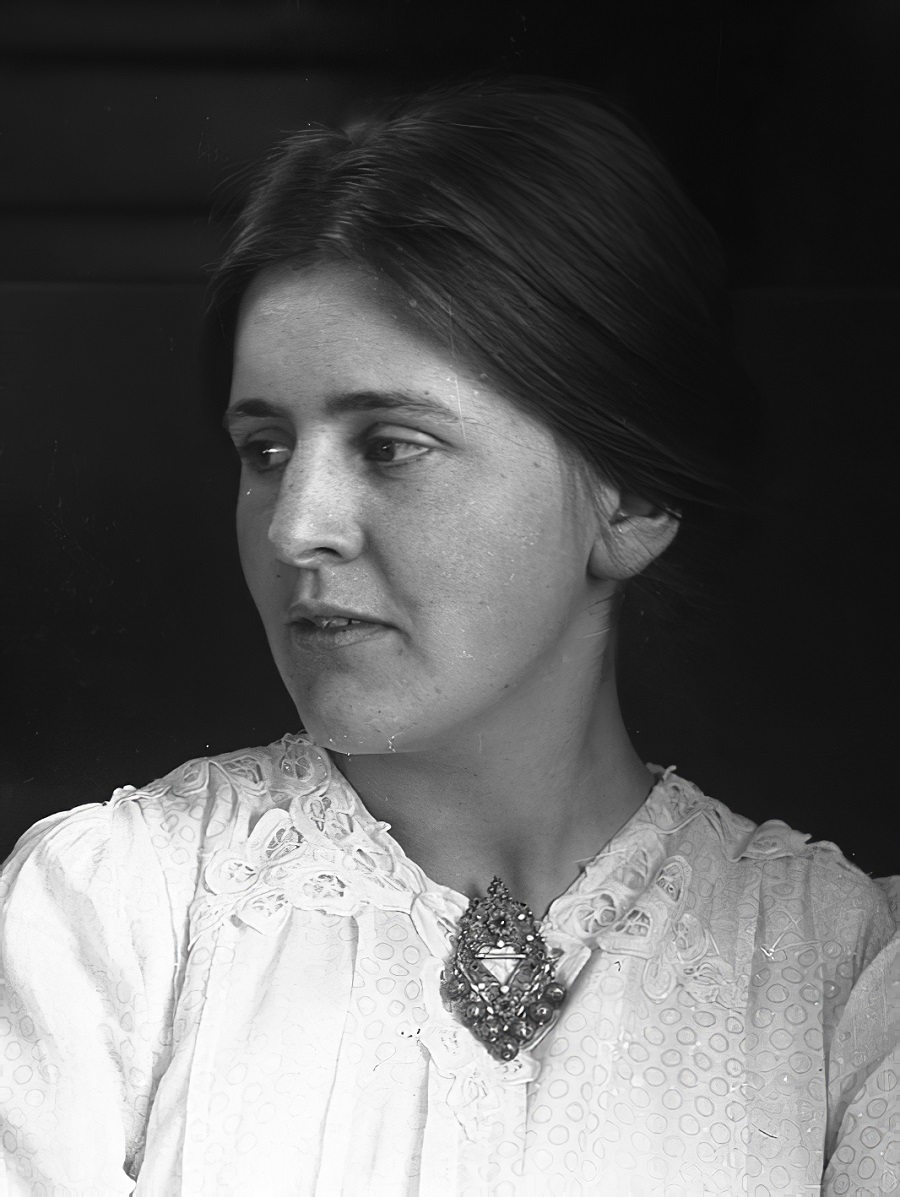
Dorothea Maetzel-Johannsen was a German modernist painter. She was a co-founder of the Hamburg Secession. Since 1919 she based her major expressionist works on the work of the dissolved Brücke (group of artists), early cubism and African sculpture.
Dorothea Maetzel-Johannsen has developed an individual mode of expression in Expressionism. Although her works feature the typical angular contours, two-dimensional concept of space and dynamic oblique compositions, unlike her peers, the artist refrained from any form of aggressiveness in her compositions. In her still life and figurative paintings, a contemplative mood resonates, contrary to the dynamic composition of the painting.
In 1937, Dorothea Maetzel-Johannsen's works were confiscated from the Kunsthalle Hamburg as part of the Nazi action "Degenerate Art" and then destroyed.


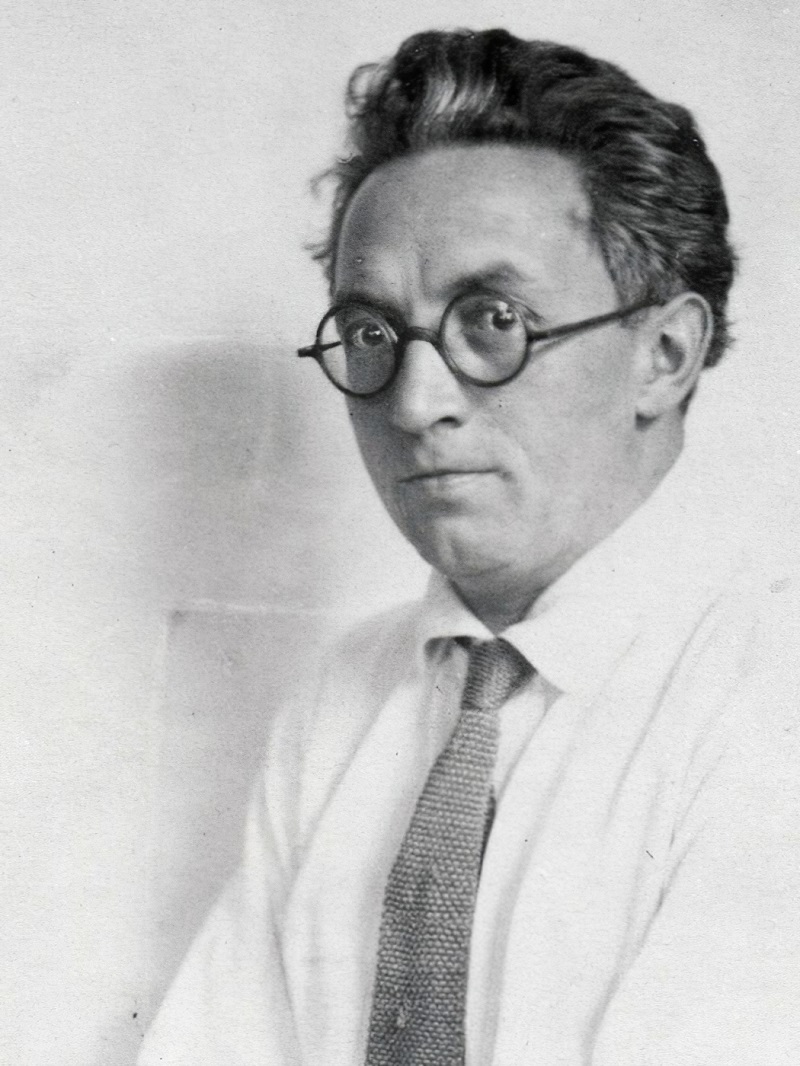
Fritz Schaefler was a German graphic artist. He was known for his expressionist paintings, drawings, and prints.
Schaefler studied at the Academy of Fine Arts in Munich and later taught at the Folkwang University of the Arts in Essen. His early work was influenced by the German Expressionist movement, and he was associated with the group "Die Brücke" (The Bridge), which included other notable artists such as Ernst Ludwig Kirchner and Emil Nolde.
Schaefler's work is characterized by bold, vibrant colors and energetic brushstrokes. He often depicted landscapes, cityscapes, and still-life scenes, infusing them with a sense of emotion and vitality. He also produced a significant body of graphic work, including woodcuts and lithographs.
Schaefler's work was exhibited extensively during his lifetime, including at the Venice Biennale, the Stedelijk Museum in Amsterdam, and the Museum of Modern Art in New York. He was also awarded numerous honors and awards for his work.




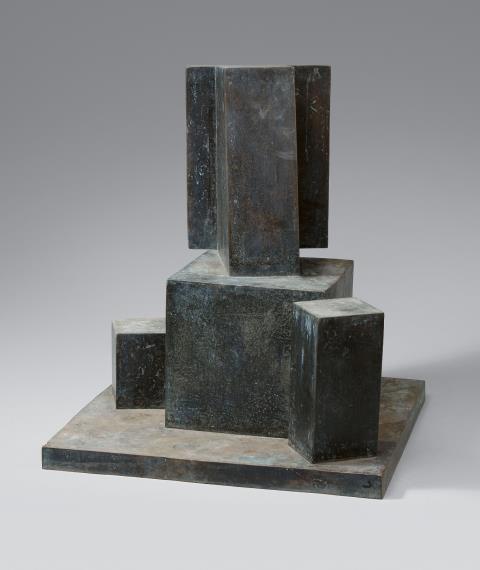
Anton Hiller was a Bavarian sculptor and painter. He grew up in a Catholic farming family in Sigmaringendorf, Hohenzollern. Hiller then studied sculpture at the Academy of Fine Arts Munich under Hermann Hahn (1868–1945), graduating in 1923 and worked later as a freelance sculptor in Munich from 1923, executing commissions for the Bavarian State Gallery and the Municipal Gallery.
From 1946 to 1961, Hiller served as a professor of sculpture at the Academy of Fine Arts Munich, becoming one of the leading representatives of the Munich School of Sculpture in the third quarter of the 20th century. Hiller was a member of the German Artists' Association from 1952 to 1960.


Anton Hiller was a Bavarian sculptor and painter. He grew up in a Catholic farming family in Sigmaringendorf, Hohenzollern. Hiller then studied sculpture at the Academy of Fine Arts Munich under Hermann Hahn (1868–1945), graduating in 1923 and worked later as a freelance sculptor in Munich from 1923, executing commissions for the Bavarian State Gallery and the Municipal Gallery.
From 1946 to 1961, Hiller served as a professor of sculpture at the Academy of Fine Arts Munich, becoming one of the leading representatives of the Munich School of Sculpture in the third quarter of the 20th century. Hiller was a member of the German Artists' Association from 1952 to 1960.





Anton Hiller was a Bavarian sculptor and painter. He grew up in a Catholic farming family in Sigmaringendorf, Hohenzollern. Hiller then studied sculpture at the Academy of Fine Arts Munich under Hermann Hahn (1868–1945), graduating in 1923 and worked later as a freelance sculptor in Munich from 1923, executing commissions for the Bavarian State Gallery and the Municipal Gallery.
From 1946 to 1961, Hiller served as a professor of sculpture at the Academy of Fine Arts Munich, becoming one of the leading representatives of the Munich School of Sculpture in the third quarter of the 20th century. Hiller was a member of the German Artists' Association from 1952 to 1960.


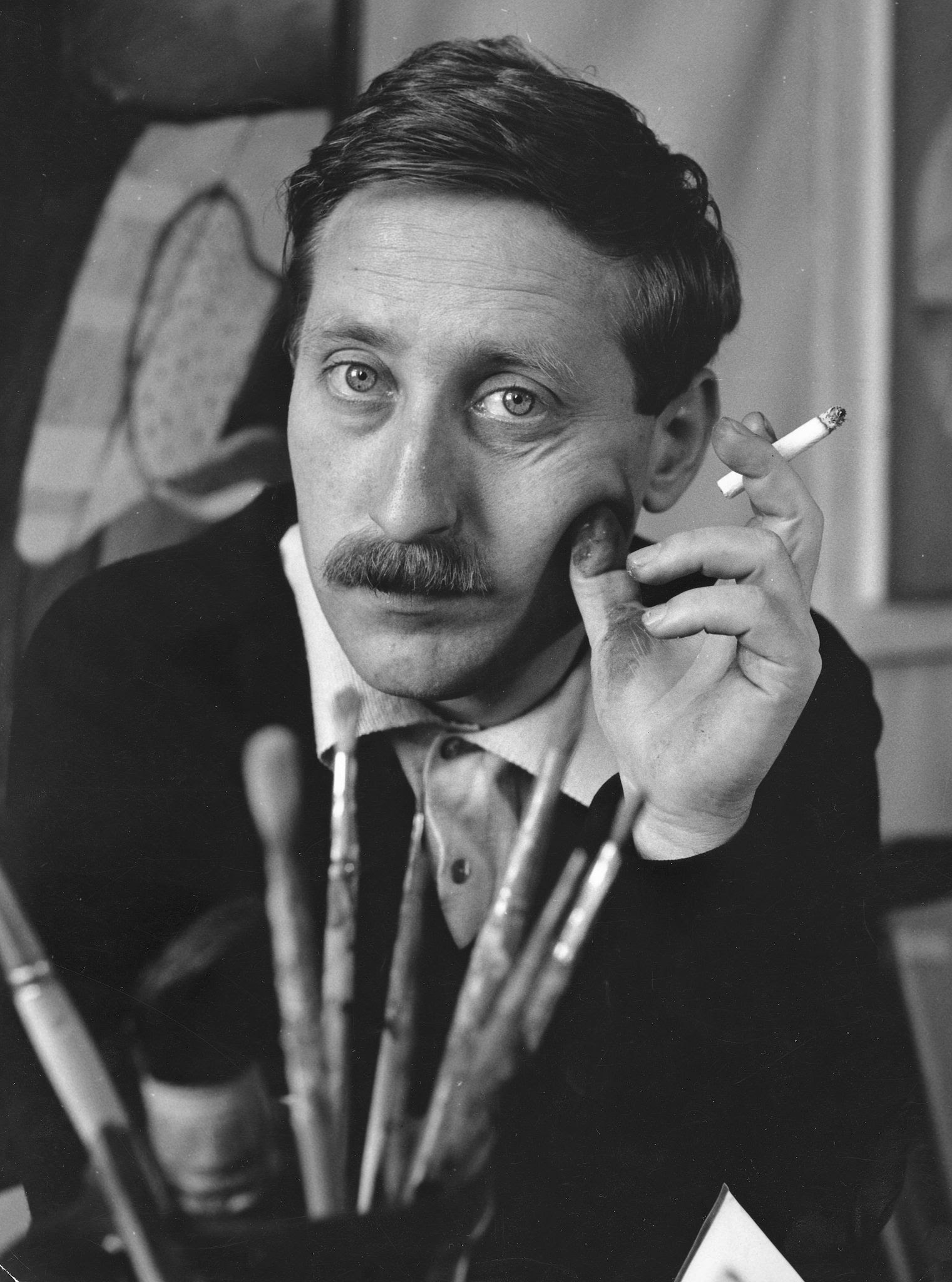
Horst Antes was a German painter, graphic artist and sculptor, a pioneer of the new figurative painting in Germany.
After studying at the Karlsruhe Academy of Fine Arts from 1957 to 1959, Antes taught there himself and later became a professor there.
Antes became known for the Kopffüßler (head-foot) image, which has been a recurring theme in his paintings, sculptures and graphic works since the early 1960s. Antes' work is represented in several major collections in Berlin, Hamburg, Cologne and elsewhere in Germany.