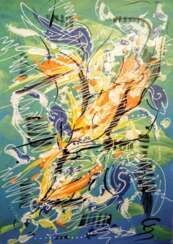
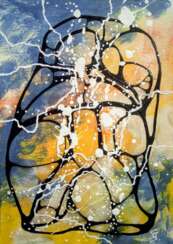
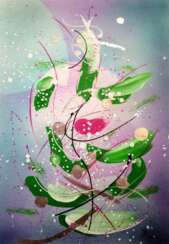
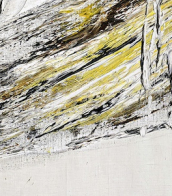
aquarell und tusche






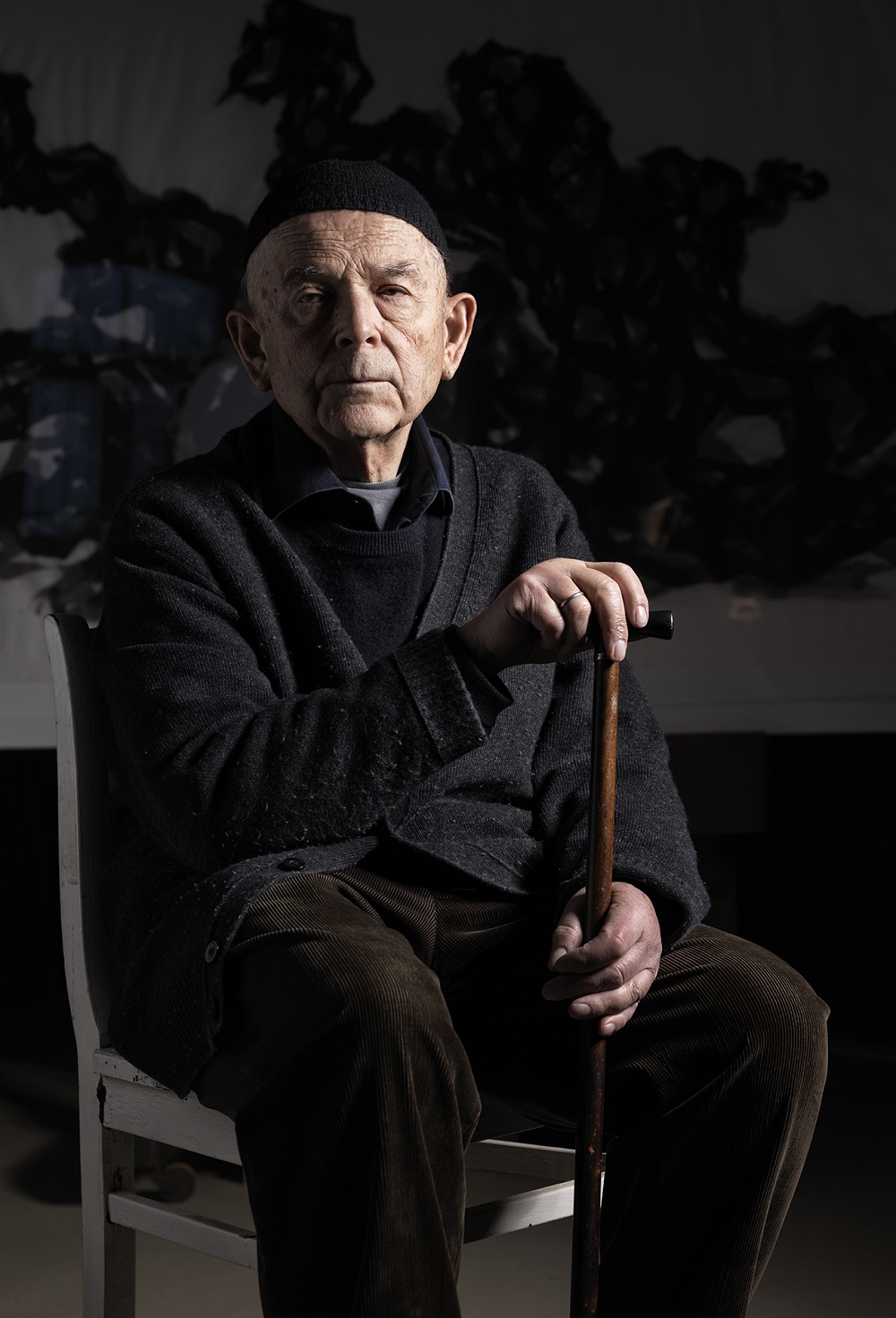
Max Uhlig is a German painter. He won the Hans Theo Richter-Preis of the Sächsische Akademie der Künste in 1998.
In 1978, Max Uhlig presented his characteristic paintings for the first time in the Dresden Kupferstichkabinett.
"Black and white or in colour, lines in the expressive rhythm of their superimposition draw the image mode and the conciseness of an extensive, unmistakable work that is a discovery. Today Max Uhlig is one of the last representatives of the era of open-air painting in modern art that began 150 years ago, but his work elevates it to the height of our time." His late work received significant impulses from annual stays in Faucon (southern France) from 1991 to 2010.
Max Uhlig has been a member of the German Association of Artists since 1990 and a founding member of the Saxon Academy of the Arts. From 1995 to 2002, he was the professor for painting and graphics at the University of Fine Arts in Dresden.
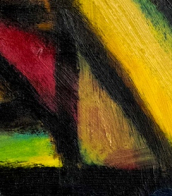


Max Uhlig is a German painter. He won the Hans Theo Richter-Preis of the Sächsische Akademie der Künste in 1998.
In 1978, Max Uhlig presented his characteristic paintings for the first time in the Dresden Kupferstichkabinett.
"Black and white or in colour, lines in the expressive rhythm of their superimposition draw the image mode and the conciseness of an extensive, unmistakable work that is a discovery. Today Max Uhlig is one of the last representatives of the era of open-air painting in modern art that began 150 years ago, but his work elevates it to the height of our time." His late work received significant impulses from annual stays in Faucon (southern France) from 1991 to 2010.
Max Uhlig has been a member of the German Association of Artists since 1990 and a founding member of the Saxon Academy of the Arts. From 1995 to 2002, he was the professor for painting and graphics at the University of Fine Arts in Dresden.


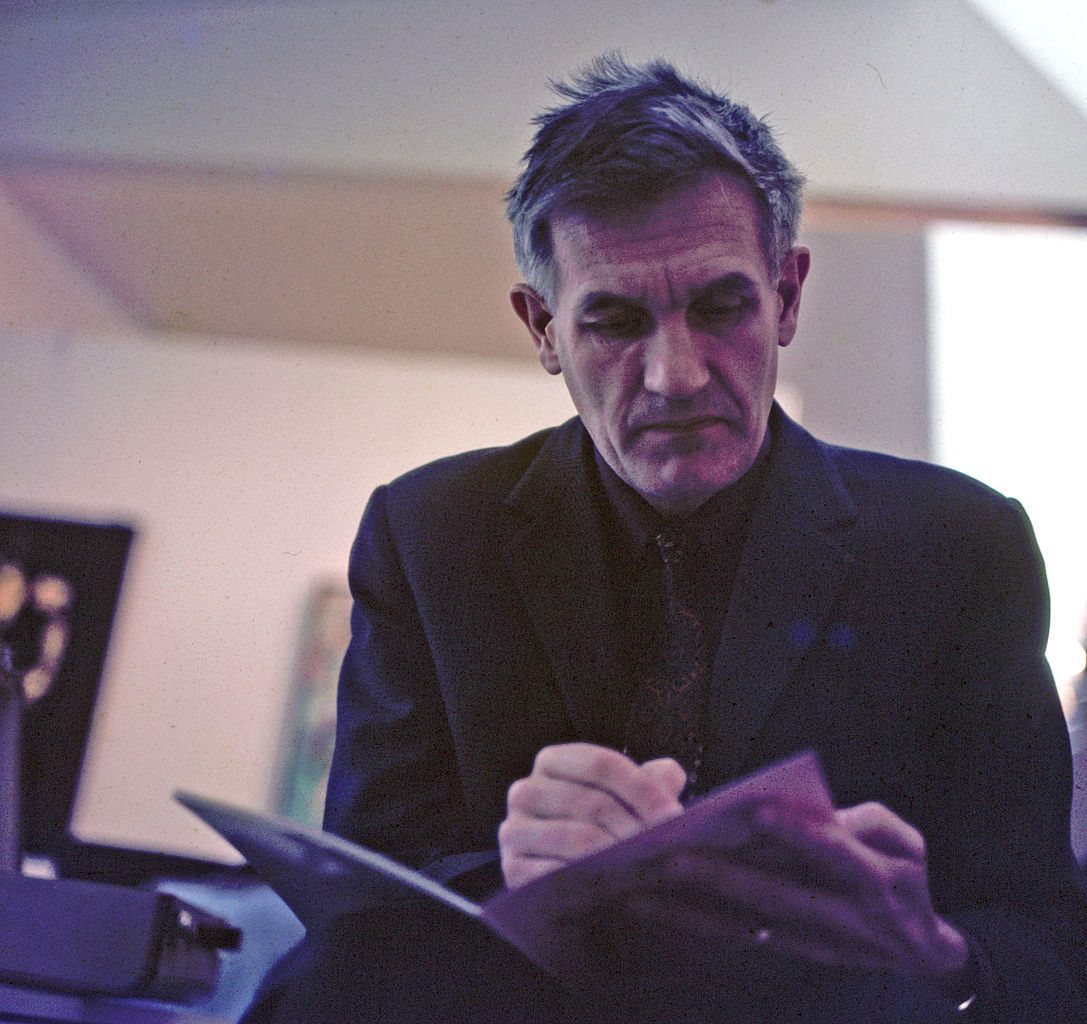
Bernard Schultze was a German painter who co-founded the Quadriga group of artists along with Karl Otto Götz and two other artists.




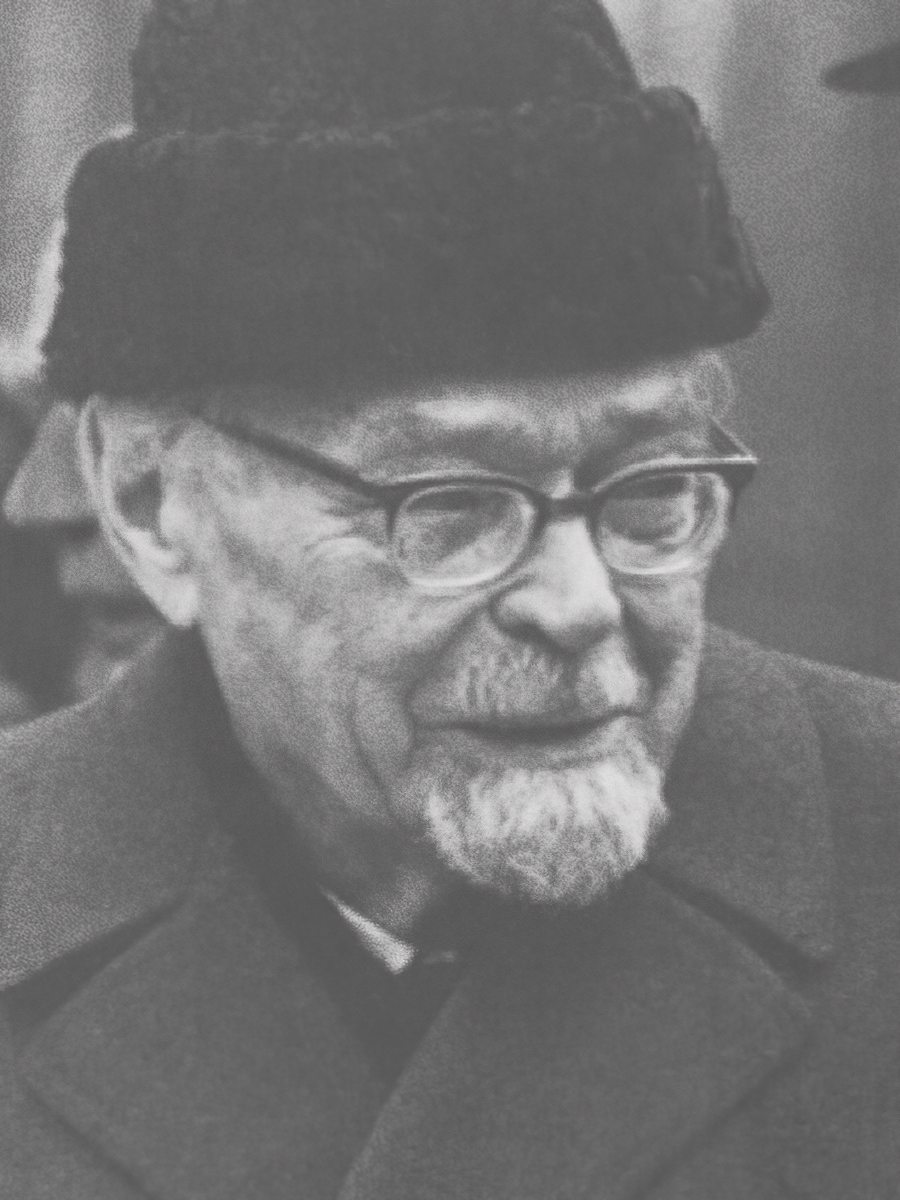
Karl Schmidt-Rottluff, a prominent figure in the German Expressionist movement, was not just an artist but a pioneer who significantly influenced the early 20th-century art scene. Born in Rottluff, Germany, in 1884, he later added his hometown's name to his surname, showcasing a deep connection to his roots. Schmidt-Rottluff was a founding member of the artist group Die Brücke, which played a critical role in the development of Expressionism in Germany. His works, characterized by bold colors and stark contrasts, were a departure from traditional artistic expressions and embraced a more emotional and subjective interpretation of reality.
Schmidt-Rottluff's contributions to art were not limited to painting; he was also a master printmaker, with a significant body of work comprising woodcuts, lithographs, and etchings. His artistic endeavors were marked by a fascination with the natural world, social issues, and an exploration of human emotion, themes that remained consistent throughout his career. Despite facing persecution during the Nazi regime, with many of his works labeled as "degenerate," Schmidt-Rottluff's resolve did not waver. In 1937, 608 of his paintings were seized, and by 1941, he was forbidden to paint. Yet, his legacy continued to grow post-World War II, and he was later honored with professorship at the University of Arts in Berlin-Charlottenburg in 1947, where he influenced a new generation of artists.
The value and impact of Schmidt-Rottluff's work are reflected in the presence of his pieces in prestigious collections worldwide, including the Museum of Modern Art, Neue Galerie, Los Angeles County Museum of Art, and many others. His works are celebrated for their emotional depth, innovative use of color, and ability to convey complex themes through simplified forms. Notably, some of his significant pieces have been subjects of restitution efforts, highlighting the historical importance and continued relevance of his work in the context of art history and cultural heritage.
For collectors and experts in art and antiques, Schmidt-Rottluff's oeuvre offers a profound insight into the evolution of Expressionism and the broader cultural and political narratives of the early 20th century. His works not only serve as a testament to his individual genius but also as a reflection of the tumultuous era that shaped them.
To stay informed about new discoveries, sales, and auction events related to Karl Schmidt-Rottluff's work, signing up for updates is highly recommended. This ensures that enthusiasts and collectors alike are always in the loop regarding opportunities to engage with and acquire pieces by this influential artist, ensuring his legacy continues to inspire and resonate with future generations.


Bernard Schultze was a German painter who co-founded the Quadriga group of artists along with Karl Otto Götz and two other artists.