2743 Items by auctions and galleries:
art moderne







Professor Longhair & Art Tatum
Yurii Yermolenko (b. 1973)  Shop Yermolenko Yurii
Yurii Yermolenko
02.10.1973
Ukraine
Yury Ermolenko – A Master of Fine Arts (MFA)
Born in 1973 Kiev (Ukraine) Lives and works in Kiev.
Education:
1980 – 1992 – T. Shevchenko Republican art school, Kiev, Ukraine
1992 – 1998 – National Academy of Fine Art and Architecture (NAFAA), Kiev, Ukraine
1998 – 2001 – Post-graduate education ( M.A.degree ), NAFAA, Kiev, Ukraine
2003 – Got a scholarship of Ministry of Culture of Poland ”GOUDE POLONIA”, Krakow, Poland
Main exhibitions:
2018 - "Garden of Wandering Geniuses" project, (Х.Л.А.М.), Kyiv, Ukraine.
2017 – 2018 – “MY FAVOURITE DOLLS” project, Tauvers Gallery international, Kiev, Ukraine
2017 – 2018 – “Flea Psychedelic Market” project, (Х.Л.А.М.), Kyiv, Ukraine
2016 – 2017 – In “Search of Dark Energy”, Vysehrad, Prague, Czech Republic; Hofburg Palace, Vienna, Austria.
2014 – 2015 – “Mу Favorite Dolls”, “Brothers in Arms”
2013 – “Facevinyl”
2013 – “Ukrainian Psychedel”, “Suitcases the Classics”
2013 – “Magical Garden”
2013 – “May be always be my mother, may there always be me”
2012 – “Conversion”
2012 – “Immigration to Cuba”
2011 – “Sings of Cuba”
2011 – “Ladies I didn`t get along with”
2010 – “Metaphysical Landscape of Zaporizhia”
2010 – “Metaphysical Landscape of Kaniv”
2010 – “A hedgehog jazz f**k”
2009 – “Eternal Values”
2009 – “Peruvian Toys”
2008 – “Death of Brands”
2007 – “Pink”
2007 – “Lolita’s on the Arena”
2007 – “Silicon”
2006 – “Paradise”
2006 – “Flea Market”
2005 – "Alice new!"
2005 – “Entomology of Souls”
2004 – "13. ICONOSTASIS"
2004 – “Hunting”
2003 – “KANIV – RAPAN”
2003 – “Baltic – Hel”
THE PROJECTS IN THE ART GROUP "TERRACES":
2002 – “Flash
2001 – “Indigo-Purring Cort”
2000 – “New York City”
2000 – “Flash”
1999 – “So good!”
1998 – “Shout on Plateaus”
1997 – “Dances on Colored Rope”
1997 – “Lighting Art and Painting Art”
Artist shop
Yermolenko Yurii
Ukraine
Number of products: 90
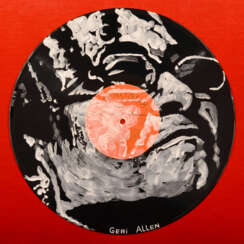

Geri Allen & Regina Carter
Yurii Yermolenko (b. 1973)
Shop Yermolenko Yurii
Yurii Yermolenko
02.10.1973
Ukraine
Yury Ermolenko – A Master of Fine Arts (MFA)
Born in 1973 Kiev (Ukraine) Lives and works in Kiev.
Education:
1980 – 1992 – T. Shevchenko Republican art school, Kiev, Ukraine
1992 – 1998 – National Academy of Fine Art and Architecture (NAFAA), Kiev, Ukraine
1998 – 2001 – Post-graduate education ( M.A.degree ), NAFAA, Kiev, Ukraine
2003 – Got a scholarship of Ministry of Culture of Poland ”GOUDE POLONIA”, Krakow, Poland
Main exhibitions:
2018 - "Garden of Wandering Geniuses" project, (Х.Л.А.М.), Kyiv, Ukraine.
2017 – 2018 – “MY FAVOURITE DOLLS” project, Tauvers Gallery international, Kiev, Ukraine
2017 – 2018 – “Flea Psychedelic Market” project, (Х.Л.А.М.), Kyiv, Ukraine
2016 – 2017 – In “Search of Dark Energy”, Vysehrad, Prague, Czech Republic; Hofburg Palace, Vienna, Austria.
2014 – 2015 – “Mу Favorite Dolls”, “Brothers in Arms”
2013 – “Facevinyl”
2013 – “Ukrainian Psychedel”, “Suitcases the Classics”
2013 – “Magical Garden”
2013 – “May be always be my mother, may there always be me”
2012 – “Conversion”
2012 – “Immigration to Cuba”
2011 – “Sings of Cuba”
2011 – “Ladies I didn`t get along with”
2010 – “Metaphysical Landscape of Zaporizhia”
2010 – “Metaphysical Landscape of Kaniv”
2010 – “A hedgehog jazz f**k”
2009 – “Eternal Values”
2009 – “Peruvian Toys”
2008 – “Death of Brands”
2007 – “Pink”
2007 – “Lolita’s on the Arena”
2007 – “Silicon”
2006 – “Paradise”
2006 – “Flea Market”
2005 – "Alice new!"
2005 – “Entomology of Souls”
2004 – "13. ICONOSTASIS"
2004 – “Hunting”
2003 – “KANIV – RAPAN”
2003 – “Baltic – Hel”
THE PROJECTS IN THE ART GROUP "TERRACES":
2002 – “Flash
2001 – “Indigo-Purring Cort”
2000 – “New York City”
2000 – “Flash”
1999 – “So good!”
1998 – “Shout on Plateaus”
1997 – “Dances on Colored Rope”
1997 – “Lighting Art and Painting Art”
Artist shop
Yermolenko Yurii
Ukraine
Number of products: 90
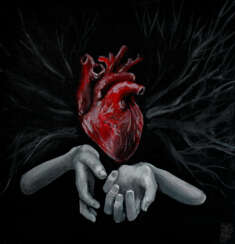

Heart of the Dark forest
Natalie Ina (b. 1998)  Shop Ina Natalie
Natalie Ina
27.08.1998
Russia
Natalie Ina. Artist and art-photographer. I work on paintings in a dark style in various materials from graphics to oil paintings. I also have my own photo project in the style of Dark fashion.
For all questions and to purchase paintings you can write to my email: [email protected].
See more: https://www.instagram.com/natalieina.art
Artist shop
Ina Natalie
Russia
Number of products: 12
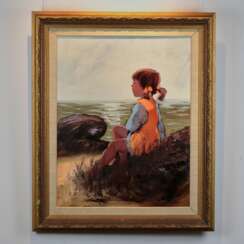

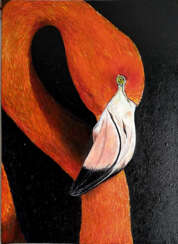

Flamingo painting on canvas Orange bird art Gift for bird lovers
Kristina Degtyareva (b. 1984)  Shop Degtyareva Kristina
Kristina Degtyareva
16.05.1984
Russia
Мне 36 лет. Закончила художественную школу. Писала картины всю жизнь как хобби. Что-то продавала. В последнее время сотрудничаю со студиями дизайна интерьеров и пишу интерьерные картины. Стала продавать работы в интернете и зарабатываю только своим творчеством.
Artist shop
Degtyareva Kristina
Russia
Number of products: 6
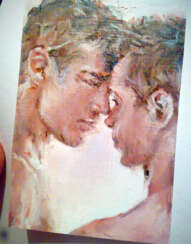


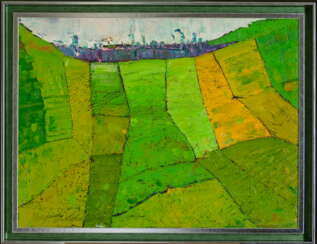




Lot 40 Hartmann (Elberfeld 1886 - Hamburg 1974). Figures by Dostojewski.
Erich Hartmann (1886 - 1974) 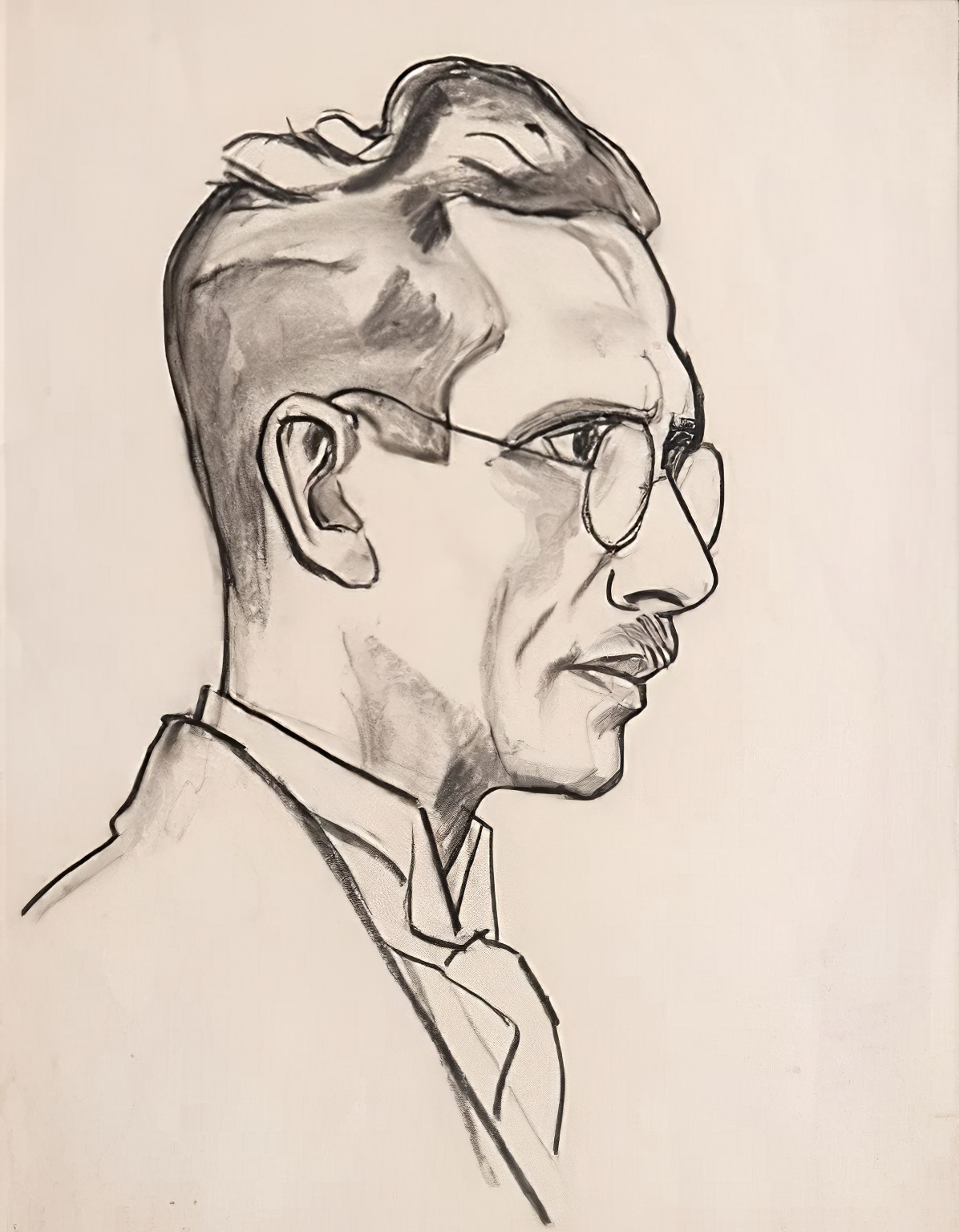 A372: Kunst, Skulpturen, Kunstgewerbe
Erich Hartmann
1886 - 1974
Germany
Erich Hartmann was a German modernist and expressionist painter.
Auktionshaus Stahl
A372: Kunst, Skulpturen, Kunstgewerbe
Date: 05.05.2026 11:00 UTC +02:00
Number of lots in the catalog: 301


Lot 41 Hartmann (Elberfeld 1886 - Hamburg 1974). Portrait of a Woman.
Erich Hartmann (1886 - 1974)
A372: Kunst, Skulpturen, Kunstgewerbe
Erich Hartmann
1886 - 1974
Germany
Erich Hartmann was a German modernist and expressionist painter.
Auktionshaus Stahl
A372: Kunst, Skulpturen, Kunstgewerbe
Date: 05.05.2026 11:00 UTC +02:00
Number of lots in the catalog: 301


Lot 42 Hartmann (Elberfeld 1886 - Hamburg 1974). Refugee.
Erich Hartmann (1886 - 1974)
A372: Kunst, Skulpturen, Kunstgewerbe
Erich Hartmann
1886 - 1974
Germany
Erich Hartmann was a German modernist and expressionist painter.
Auktionshaus Stahl
A372: Kunst, Skulpturen, Kunstgewerbe
Date: 05.05.2026 11:00 UTC +02:00
Number of lots in the catalog: 301