

281 Items by auctions and galleries:
art science




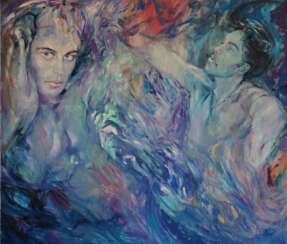

Series: “Daemon”
Anna Privaloff (b. 1976) 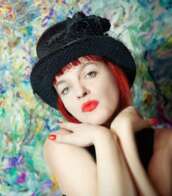 Shop Privaloff Anna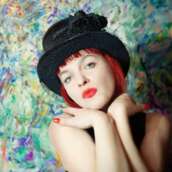
Anna Privaloff
29.03.1976
Cyprus
Anna Privaloff was born in Soviet Union 1976.She started to paint from four years old.Anna studied in art studio,art school,high art school in Ivanovo,completed her studies in university of Herzen in Russia.She is inspired by works of Gustav Klimt,Vinsent Van Gogh,Paul Gauguin ,Tuluz-lotrek and Michael Vrubel.Anna blends styles,colours,and saturates her art with eroticism and ethnic motives.She ties elements of Greek mythology,ancient legends,poetry and literature into her paintings.Through Anna's paintings one enters an enchanting fairytale where reality and illusion meet.Anna participated in exhibitions in the House of Arts in Saint Petersburg,Moscow and in the Art Museum of Ivanovo.Currently Anna lives and work in Cyprus,where she also participated in collective and private exhibitions.Many of her paintings remain in private collections in USA,Russia,Australia,Israel,Austria,England,Germany,Grease and Cyprus.Anna's portraits remain in private collection of Trump family,Robert Rothschild,Robert C. Rockefeller ,Nicos Anastasiades(President of Cyprus)
Artist shop
Privaloff Anna
Cyprus
Number of products: 20
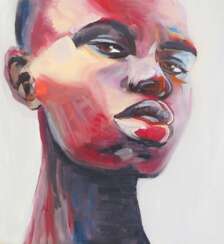











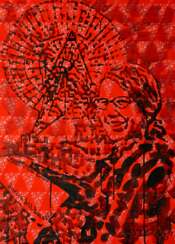

JOCELYN BELL BURNELL II
Yurii Yermolenko (b. 1973)  Shop Yermolenko Yurii
Yurii Yermolenko
02.10.1973
Ukraine
Yury Ermolenko – A Master of Fine Arts (MFA)
Born in 1973 Kiev (Ukraine) Lives and works in Kiev.
Education:
1980 – 1992 – T. Shevchenko Republican art school, Kiev, Ukraine
1992 – 1998 – National Academy of Fine Art and Architecture (NAFAA), Kiev, Ukraine
1998 – 2001 – Post-graduate education ( M.A.degree ), NAFAA, Kiev, Ukraine
2003 – Got a scholarship of Ministry of Culture of Poland ”GOUDE POLONIA”, Krakow, Poland
Main exhibitions:
2018 - "Garden of Wandering Geniuses" project, (Х.Л.А.М.), Kyiv, Ukraine.
2017 – 2018 – “MY FAVOURITE DOLLS” project, Tauvers Gallery international, Kiev, Ukraine
2017 – 2018 – “Flea Psychedelic Market” project, (Х.Л.А.М.), Kyiv, Ukraine
2016 – 2017 – In “Search of Dark Energy”, Vysehrad, Prague, Czech Republic; Hofburg Palace, Vienna, Austria.
2014 – 2015 – “Mу Favorite Dolls”, “Brothers in Arms”
2013 – “Facevinyl”
2013 – “Ukrainian Psychedel”, “Suitcases the Classics”
2013 – “Magical Garden”
2013 – “May be always be my mother, may there always be me”
2012 – “Conversion”
2012 – “Immigration to Cuba”
2011 – “Sings of Cuba”
2011 – “Ladies I didn`t get along with”
2010 – “Metaphysical Landscape of Zaporizhia”
2010 – “Metaphysical Landscape of Kaniv”
2010 – “A hedgehog jazz f**k”
2009 – “Eternal Values”
2009 – “Peruvian Toys”
2008 – “Death of Brands”
2007 – “Pink”
2007 – “Lolita’s on the Arena”
2007 – “Silicon”
2006 – “Paradise”
2006 – “Flea Market”
2005 – "Alice new!"
2005 – “Entomology of Souls”
2004 – "13. ICONOSTASIS"
2004 – “Hunting”
2003 – “KANIV – RAPAN”
2003 – “Baltic – Hel”
THE PROJECTS IN THE ART GROUP "TERRACES":
2002 – “Flash
2001 – “Indigo-Purring Cort”
2000 – “New York City”
2000 – “Flash”
1999 – “So good!”
1998 – “Shout on Plateaus”
1997 – “Dances on Colored Rope”
1997 – “Lighting Art and Painting Art”
Artist shop
Yermolenko Yurii
Ukraine
Number of products: 90
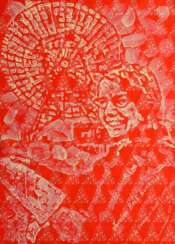

JOCELYN BELL BURNELL
Yurii Yermolenko (b. 1973)
Shop Yermolenko Yurii
Yurii Yermolenko
02.10.1973
Ukraine
Yury Ermolenko – A Master of Fine Arts (MFA)
Born in 1973 Kiev (Ukraine) Lives and works in Kiev.
Education:
1980 – 1992 – T. Shevchenko Republican art school, Kiev, Ukraine
1992 – 1998 – National Academy of Fine Art and Architecture (NAFAA), Kiev, Ukraine
1998 – 2001 – Post-graduate education ( M.A.degree ), NAFAA, Kiev, Ukraine
2003 – Got a scholarship of Ministry of Culture of Poland ”GOUDE POLONIA”, Krakow, Poland
Main exhibitions:
2018 - "Garden of Wandering Geniuses" project, (Х.Л.А.М.), Kyiv, Ukraine.
2017 – 2018 – “MY FAVOURITE DOLLS” project, Tauvers Gallery international, Kiev, Ukraine
2017 – 2018 – “Flea Psychedelic Market” project, (Х.Л.А.М.), Kyiv, Ukraine
2016 – 2017 – In “Search of Dark Energy”, Vysehrad, Prague, Czech Republic; Hofburg Palace, Vienna, Austria.
2014 – 2015 – “Mу Favorite Dolls”, “Brothers in Arms”
2013 – “Facevinyl”
2013 – “Ukrainian Psychedel”, “Suitcases the Classics”
2013 – “Magical Garden”
2013 – “May be always be my mother, may there always be me”
2012 – “Conversion”
2012 – “Immigration to Cuba”
2011 – “Sings of Cuba”
2011 – “Ladies I didn`t get along with”
2010 – “Metaphysical Landscape of Zaporizhia”
2010 – “Metaphysical Landscape of Kaniv”
2010 – “A hedgehog jazz f**k”
2009 – “Eternal Values”
2009 – “Peruvian Toys”
2008 – “Death of Brands”
2007 – “Pink”
2007 – “Lolita’s on the Arena”
2007 – “Silicon”
2006 – “Paradise”
2006 – “Flea Market”
2005 – "Alice new!"
2005 – “Entomology of Souls”
2004 – "13. ICONOSTASIS"
2004 – “Hunting”
2003 – “KANIV – RAPAN”
2003 – “Baltic – Hel”
THE PROJECTS IN THE ART GROUP "TERRACES":
2002 – “Flash
2001 – “Indigo-Purring Cort”
2000 – “New York City”
2000 – “Flash”
1999 – “So good!”
1998 – “Shout on Plateaus”
1997 – “Dances on Colored Rope”
1997 – “Lighting Art and Painting Art”
Artist shop
Yermolenko Yurii
Ukraine
Number of products: 90