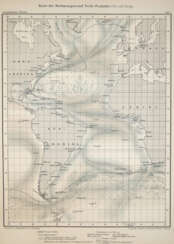
atlantik













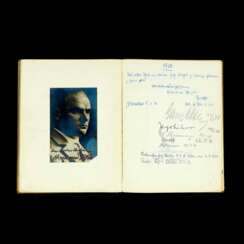



























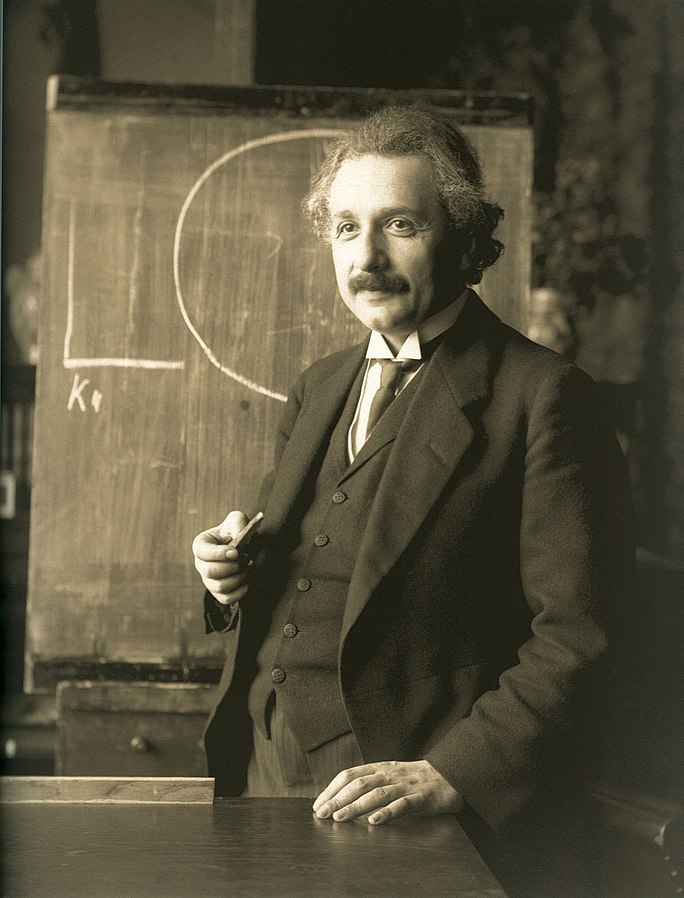
Albert Einstein was a German-born theoretical physicist, widely acknowledged to be one of the greatest and most influential physicists of all time. Einstein is best known for developing the theory of relativity, but he also made important contributions to the development of the theory of quantum mechanics. Relativity and quantum mechanics are together the two pillars of modern physics. His mass–energy equivalence formula E = mc2, which arises from relativity theory, has been dubbed "the world's most famous equation". His work is also known for its influence on the philosophy of science. He received the 1921 Nobel Prize in Physics "for his services to theoretical physics, and especially for his discovery of the law of the photoelectric effect", a pivotal step in the development of quantum theory. His intellectual achievements and originality resulted in "Einstein" becoming synonymous with "genius".


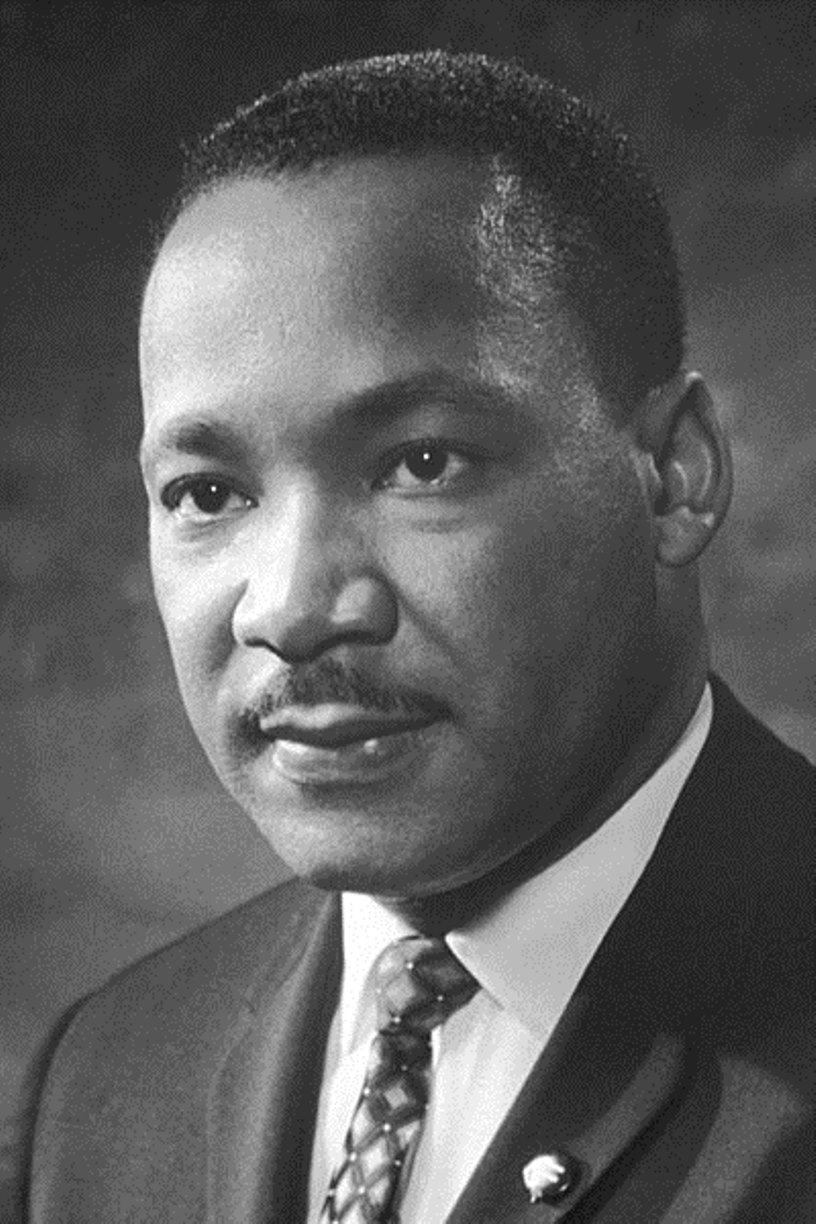
Martin Luther King Jr, born Michael King, is an American preacher, leader of the Black Civil Rights Movement in the United States, and Nobel Laureate.
His father was the famous Baptist missionary and leader of the Civil Rights Movement Martin Luther King Sr. (1899-1984). He studied medicine and law at Morehouse College, then earned a bachelor's degree in theology at Crozer Theological Seminary in Pennsylvania, followed by a doctorate in theology at Boston University. And beginning in 1955, King Jr. became active in the community with protests over segregated seating on public buses.
On September 20, 1958, the first assassination attempt was made on Martin. Isola Ware Curry, a mentally unstable Harlem woman, stabbed King with a metal letter opener at a department store where he was signing copies of Stride Toward Freedom as part of a tour to promote the book.
Martin Luther King, Jr. was a driving force behind such watershed events as the Montgomery Bus Boycott and the 1963 March on Washington, which resulted in the historic Civil Rights Act (1964) and Voting Rights Act (1965). He was a prominent African American leader of the civil rights movement of the 1950s and 1960s. In 1964, Martin Luther King, Jr. was awarded the Nobel Peace Prize for his activism for civil rights and social justice. King also actively opposed the Vietnam War, calling for an end to the bombing, negotiations, and the withdrawal of U.S. troops.
On April 4, 1968, King was assassinated by gunfire on the balcony of the Lorraine Motel in Memphis. James Earl Ray, a petty criminal who had escaped from a maximum-security prison a year earlier, was blamed for the murder. Years after his death, Martin Luther King Jr. became the most famous African-American leader of his era. Today, he has a reputation as a visionary leader who was deeply committed to achieving social justice through nonviolent means. In 1983, President Ronald Reagan signed into law a U.S. federal day in King's honor; it is observed nationwide on the third Monday in January.


Martin Luther King Jr, born Michael King, is an American preacher, leader of the Black Civil Rights Movement in the United States, and Nobel Laureate.
His father was the famous Baptist missionary and leader of the Civil Rights Movement Martin Luther King Sr. (1899-1984). He studied medicine and law at Morehouse College, then earned a bachelor's degree in theology at Crozer Theological Seminary in Pennsylvania, followed by a doctorate in theology at Boston University. And beginning in 1955, King Jr. became active in the community with protests over segregated seating on public buses.
On September 20, 1958, the first assassination attempt was made on Martin. Isola Ware Curry, a mentally unstable Harlem woman, stabbed King with a metal letter opener at a department store where he was signing copies of Stride Toward Freedom as part of a tour to promote the book.
Martin Luther King, Jr. was a driving force behind such watershed events as the Montgomery Bus Boycott and the 1963 March on Washington, which resulted in the historic Civil Rights Act (1964) and Voting Rights Act (1965). He was a prominent African American leader of the civil rights movement of the 1950s and 1960s. In 1964, Martin Luther King, Jr. was awarded the Nobel Peace Prize for his activism for civil rights and social justice. King also actively opposed the Vietnam War, calling for an end to the bombing, negotiations, and the withdrawal of U.S. troops.
On April 4, 1968, King was assassinated by gunfire on the balcony of the Lorraine Motel in Memphis. James Earl Ray, a petty criminal who had escaped from a maximum-security prison a year earlier, was blamed for the murder. Years after his death, Martin Luther King Jr. became the most famous African-American leader of his era. Today, he has a reputation as a visionary leader who was deeply committed to achieving social justice through nonviolent means. In 1983, President Ronald Reagan signed into law a U.S. federal day in King's honor; it is observed nationwide on the third Monday in January.


Martin Luther King Jr, born Michael King, is an American preacher, leader of the Black Civil Rights Movement in the United States, and Nobel Laureate.
His father was the famous Baptist missionary and leader of the Civil Rights Movement Martin Luther King Sr. (1899-1984). He studied medicine and law at Morehouse College, then earned a bachelor's degree in theology at Crozer Theological Seminary in Pennsylvania, followed by a doctorate in theology at Boston University. And beginning in 1955, King Jr. became active in the community with protests over segregated seating on public buses.
On September 20, 1958, the first assassination attempt was made on Martin. Isola Ware Curry, a mentally unstable Harlem woman, stabbed King with a metal letter opener at a department store where he was signing copies of Stride Toward Freedom as part of a tour to promote the book.
Martin Luther King, Jr. was a driving force behind such watershed events as the Montgomery Bus Boycott and the 1963 March on Washington, which resulted in the historic Civil Rights Act (1964) and Voting Rights Act (1965). He was a prominent African American leader of the civil rights movement of the 1950s and 1960s. In 1964, Martin Luther King, Jr. was awarded the Nobel Peace Prize for his activism for civil rights and social justice. King also actively opposed the Vietnam War, calling for an end to the bombing, negotiations, and the withdrawal of U.S. troops.
On April 4, 1968, King was assassinated by gunfire on the balcony of the Lorraine Motel in Memphis. James Earl Ray, a petty criminal who had escaped from a maximum-security prison a year earlier, was blamed for the murder. Years after his death, Martin Luther King Jr. became the most famous African-American leader of his era. Today, he has a reputation as a visionary leader who was deeply committed to achieving social justice through nonviolent means. In 1983, President Ronald Reagan signed into law a U.S. federal day in King's honor; it is observed nationwide on the third Monday in January.


Martin Luther King Jr, born Michael King, is an American preacher, leader of the Black Civil Rights Movement in the United States, and Nobel Laureate.
His father was the famous Baptist missionary and leader of the Civil Rights Movement Martin Luther King Sr. (1899-1984). He studied medicine and law at Morehouse College, then earned a bachelor's degree in theology at Crozer Theological Seminary in Pennsylvania, followed by a doctorate in theology at Boston University. And beginning in 1955, King Jr. became active in the community with protests over segregated seating on public buses.
On September 20, 1958, the first assassination attempt was made on Martin. Isola Ware Curry, a mentally unstable Harlem woman, stabbed King with a metal letter opener at a department store where he was signing copies of Stride Toward Freedom as part of a tour to promote the book.
Martin Luther King, Jr. was a driving force behind such watershed events as the Montgomery Bus Boycott and the 1963 March on Washington, which resulted in the historic Civil Rights Act (1964) and Voting Rights Act (1965). He was a prominent African American leader of the civil rights movement of the 1950s and 1960s. In 1964, Martin Luther King, Jr. was awarded the Nobel Peace Prize for his activism for civil rights and social justice. King also actively opposed the Vietnam War, calling for an end to the bombing, negotiations, and the withdrawal of U.S. troops.
On April 4, 1968, King was assassinated by gunfire on the balcony of the Lorraine Motel in Memphis. James Earl Ray, a petty criminal who had escaped from a maximum-security prison a year earlier, was blamed for the murder. Years after his death, Martin Luther King Jr. became the most famous African-American leader of his era. Today, he has a reputation as a visionary leader who was deeply committed to achieving social justice through nonviolent means. In 1983, President Ronald Reagan signed into law a U.S. federal day in King's honor; it is observed nationwide on the third Monday in January.