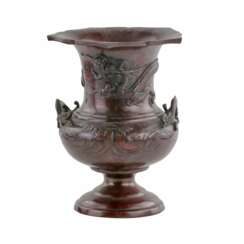
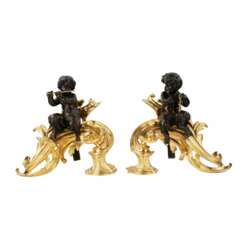
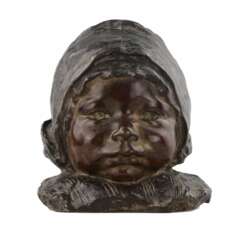
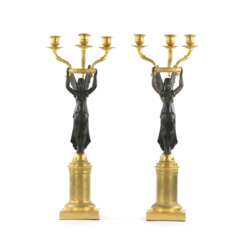
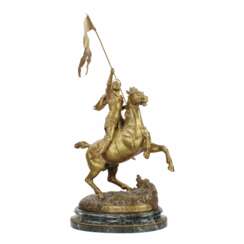
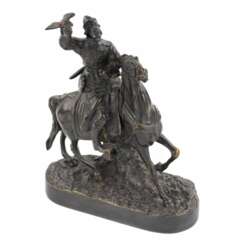
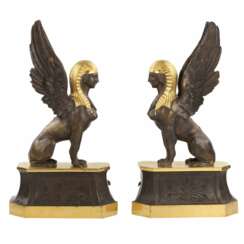
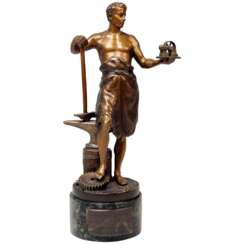
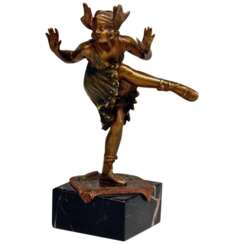
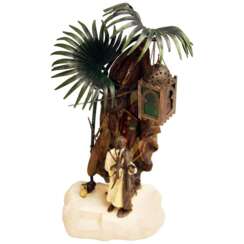
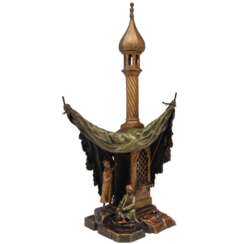
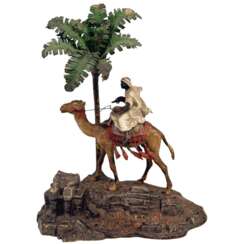
bronze patiné
Käthe Kollwitz (born as Schmidt) was a German artist who worked with painting, printmaking (including etching, lithography and woodcuts) and sculpture. Her most famous art cycles, including The Weavers and The Peasant War, depict the effects of poverty, hunger and war on the working class. Despite the realism of her early works, her art is now more closely associated with Expressionism. Kollwitz was the first woman not only to be elected to the Prussian Academy of Arts but also to receive honorary professor status.

.jpg)
Ernst Heinrich Barlach was a German expressionist sculptor, medallist, printmaker and writer. Although he was a supporter of the war in the years leading to World War I, his participation in the war made him change his position, and he is mostly known for his sculptures protesting against the war. This created many conflicts during the rise of the Nazi Party, when most of his works were confiscated as degenerate art. Stylistically, his literary and artistic work would fall between the categories of twentieth-century Realism and Expressionism.


Stephan Balkenhol is a German artist known for his sculptures capturing the human form. Based in France and Germany, he specializes in wood sculptures, reliefs, drawings, and graphic techniques like lithography, woodcuts, and stencils. His distinct style features roughly carved and vibrantly painted wooden sculptures, often depicting people, animals, and architecture.
Balkenhol's subjects lack emotions, often gazing into emptiness, resulting in a distant and enigmatic aura. Wood is his primary medium, with softer woods allowing precise facial details while maintaining imperfections like chips, knots, and tool marks. The artist adds paint as a finishing touch, accentuating anatomy and vitality. The textured surfaces beneath the paint layer amplify the sense of life in Balkenhol's works.


Stephan Balkenhol is a German artist known for his sculptures capturing the human form. Based in France and Germany, he specializes in wood sculptures, reliefs, drawings, and graphic techniques like lithography, woodcuts, and stencils. His distinct style features roughly carved and vibrantly painted wooden sculptures, often depicting people, animals, and architecture.
Balkenhol's subjects lack emotions, often gazing into emptiness, resulting in a distant and enigmatic aura. Wood is his primary medium, with softer woods allowing precise facial details while maintaining imperfections like chips, knots, and tool marks. The artist adds paint as a finishing touch, accentuating anatomy and vitality. The textured surfaces beneath the paint layer amplify the sense of life in Balkenhol's works.


Hede Bühl is a German artist. She is known for her abstract paintings, which often feature bold colors and expressive brushstrokes. Bühl studied at the Kunstakademie Düsseldorf under Joseph Beuys and worked as a freelance artist from the 1970s onwards.
Her work has been exhibited in numerous galleries and museums across Germany, including the Museum Ludwig in Cologne and the Kunstmuseum Düsseldorf. Bühl's art has been described as energetic and intuitive, with an emphasis on the emotional and physical experience of painting. Her work has also been noted for its connection to the natural world, as she often incorporates elements of landscape and organic forms into her compositions.


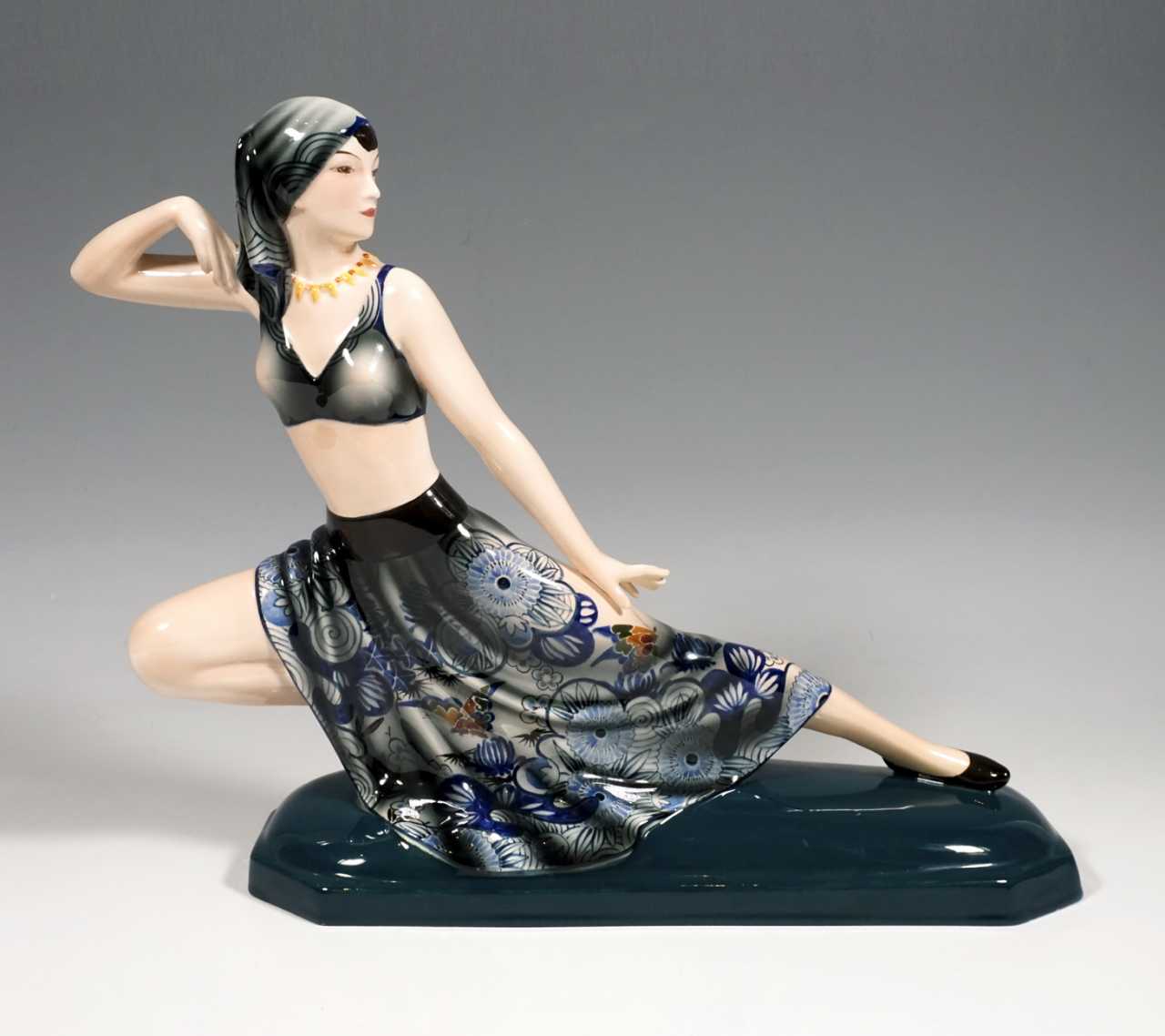
Josef Lorenzl was an Austrian sculptor and ceramicist of the Art Deco period, the same era as Ferdinand Preiss (1882–1943) and Demetre Chiparus (1886–1947).