colour












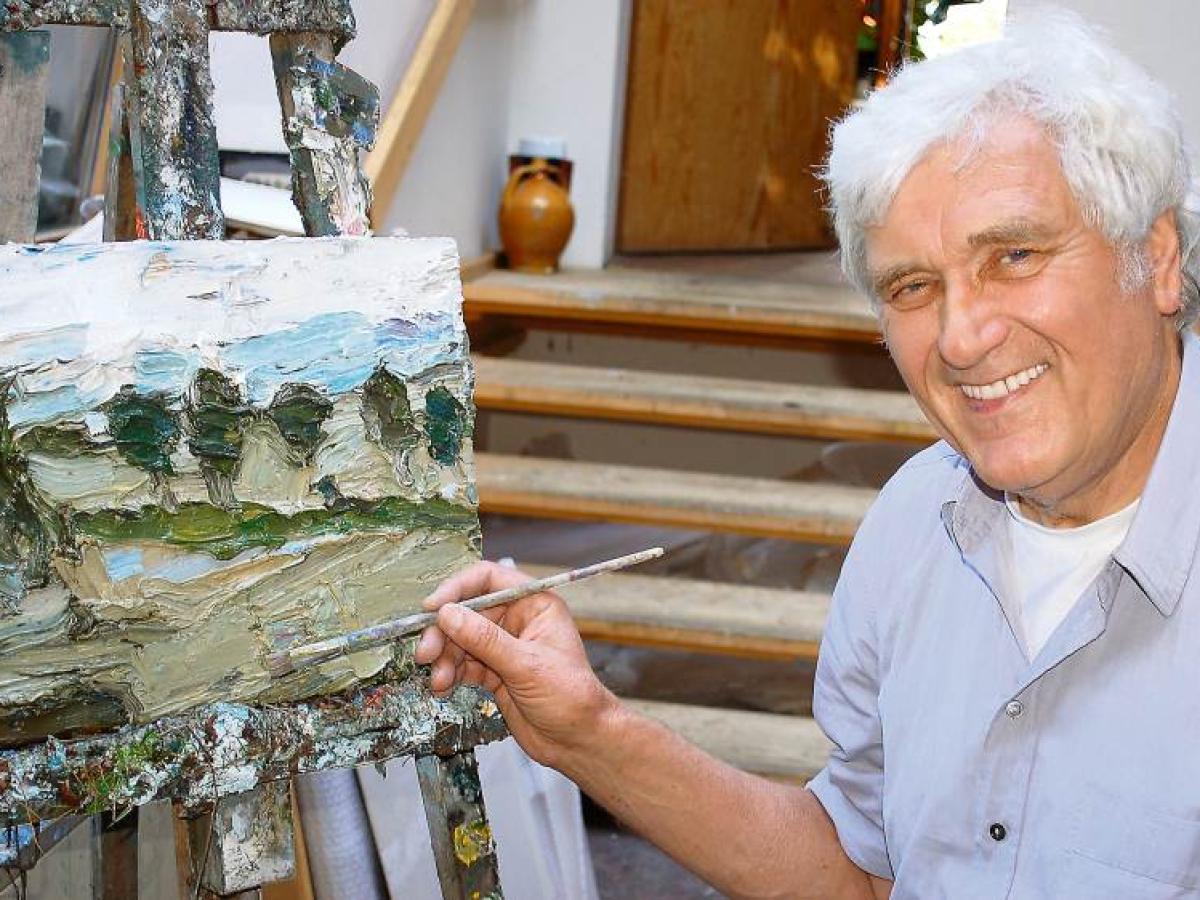
Klaus Fußmann is a contemporary German painter. He studied from 1957 to 1961 at the Folkwang University of the Arts in Essen and from 1962 to 1966 at the Berlin University of the Arts. From 1974 to 2005, he was a professor at the Berlin University of the Arts. His work has won several awards, such as the Villa Romana prize in 1972 and the Art Award of Darmstadt in 1979. Major presentations of his work include exhibitions at the Neue Nationalgalerie in Berlin, 1972; the Mathildenhöhe in Darmstadt, 1982; the Kunsthalle Emden, 1988; the Kunsthalle Bremen, 1992; and the Museum Ostwall in Dortmund, 2003. In 2005 Fußmann completed a monumental ceiling painting in the Mirror Hall of the Museum für Kunst und Gewerbe Hamburg.


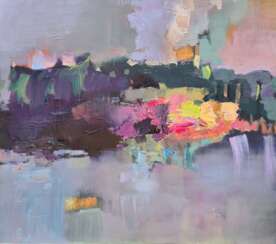
Klaus Fußmann is a contemporary German painter. He studied from 1957 to 1961 at the Folkwang University of the Arts in Essen and from 1962 to 1966 at the Berlin University of the Arts. From 1974 to 2005, he was a professor at the Berlin University of the Arts. His work has won several awards, such as the Villa Romana prize in 1972 and the Art Award of Darmstadt in 1979. Major presentations of his work include exhibitions at the Neue Nationalgalerie in Berlin, 1972; the Mathildenhöhe in Darmstadt, 1982; the Kunsthalle Emden, 1988; the Kunsthalle Bremen, 1992; and the Museum Ostwall in Dortmund, 2003. In 2005 Fußmann completed a monumental ceiling painting in the Mirror Hall of the Museum für Kunst und Gewerbe Hamburg.


Klaus Fußmann is a contemporary German painter. He studied from 1957 to 1961 at the Folkwang University of the Arts in Essen and from 1962 to 1966 at the Berlin University of the Arts. From 1974 to 2005, he was a professor at the Berlin University of the Arts. His work has won several awards, such as the Villa Romana prize in 1972 and the Art Award of Darmstadt in 1979. Major presentations of his work include exhibitions at the Neue Nationalgalerie in Berlin, 1972; the Mathildenhöhe in Darmstadt, 1982; the Kunsthalle Emden, 1988; the Kunsthalle Bremen, 1992; and the Museum Ostwall in Dortmund, 2003. In 2005 Fußmann completed a monumental ceiling painting in the Mirror Hall of the Museum für Kunst und Gewerbe Hamburg.


Klaus Fußmann is a contemporary German painter. He studied from 1957 to 1961 at the Folkwang University of the Arts in Essen and from 1962 to 1966 at the Berlin University of the Arts. From 1974 to 2005, he was a professor at the Berlin University of the Arts. His work has won several awards, such as the Villa Romana prize in 1972 and the Art Award of Darmstadt in 1979. Major presentations of his work include exhibitions at the Neue Nationalgalerie in Berlin, 1972; the Mathildenhöhe in Darmstadt, 1982; the Kunsthalle Emden, 1988; the Kunsthalle Bremen, 1992; and the Museum Ostwall in Dortmund, 2003. In 2005 Fußmann completed a monumental ceiling painting in the Mirror Hall of the Museum für Kunst und Gewerbe Hamburg.