

düsseldorf school
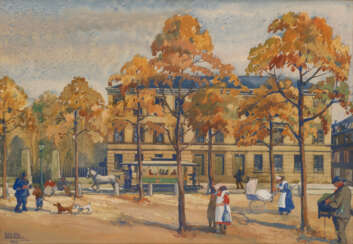






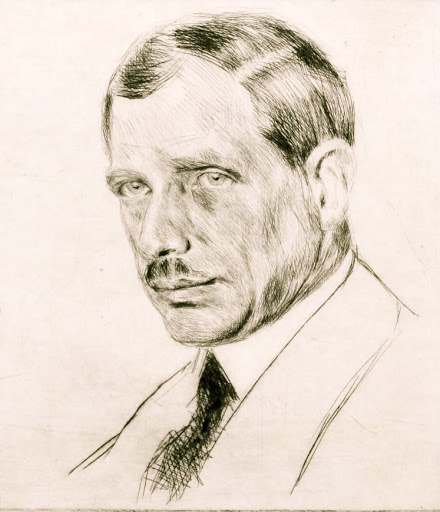
Max Clarenbach was a German painter of the first half of the twentieth century. He is known as a painter, landscape painter, genre painter and teacher and is considered one of the most important representatives of Rhenish painting of his time.
Max Clarenbach made study trips to Italy and Holland early in his career, where he formed his genre preferences and became a landscape painter. His work reflected the influence of the Hague School and the French Barbizonians. The artist skillfully depicted winter scenes and the nature of western Germany. He also painted sports and street scenes.
Clarenbach was one of the organizers of the Düsseldorf Sonderbund and taught at the Düsseldorf Academy of Art.


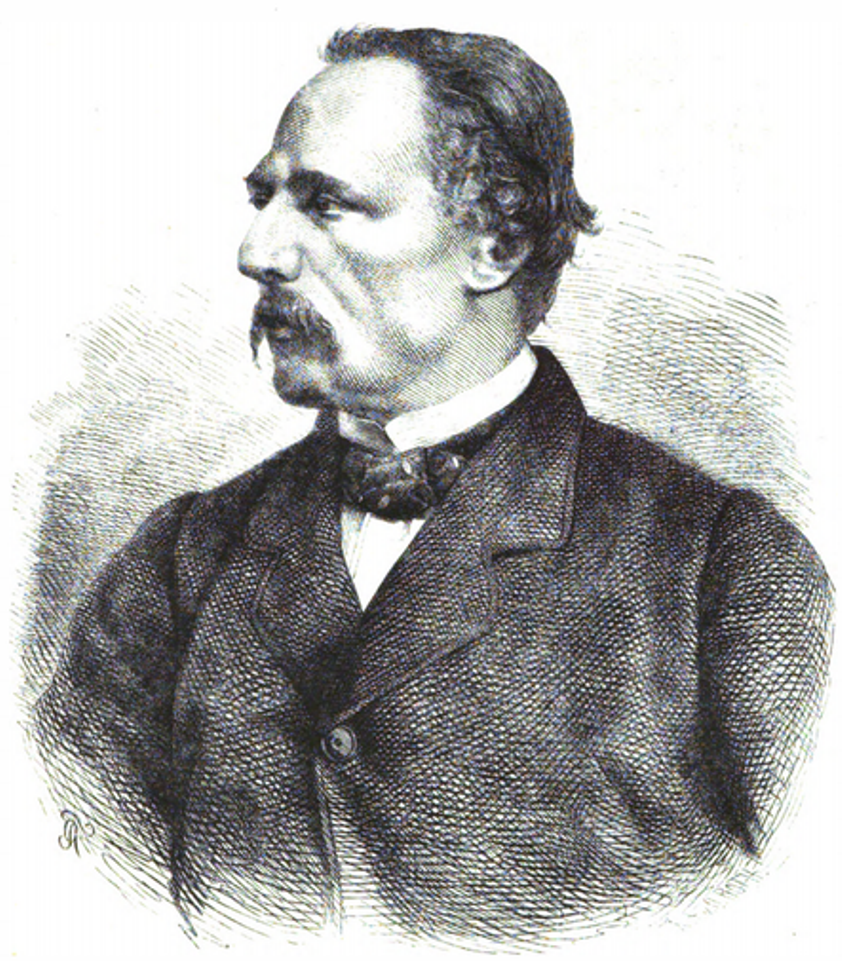
Hubert Salentin was a German genre painter.
He studied painting at the Düsseldorf Academy of Art. Salentin became famous for his interesting paintings depicting scenes from rural life in West Germany, often with children and in nature.


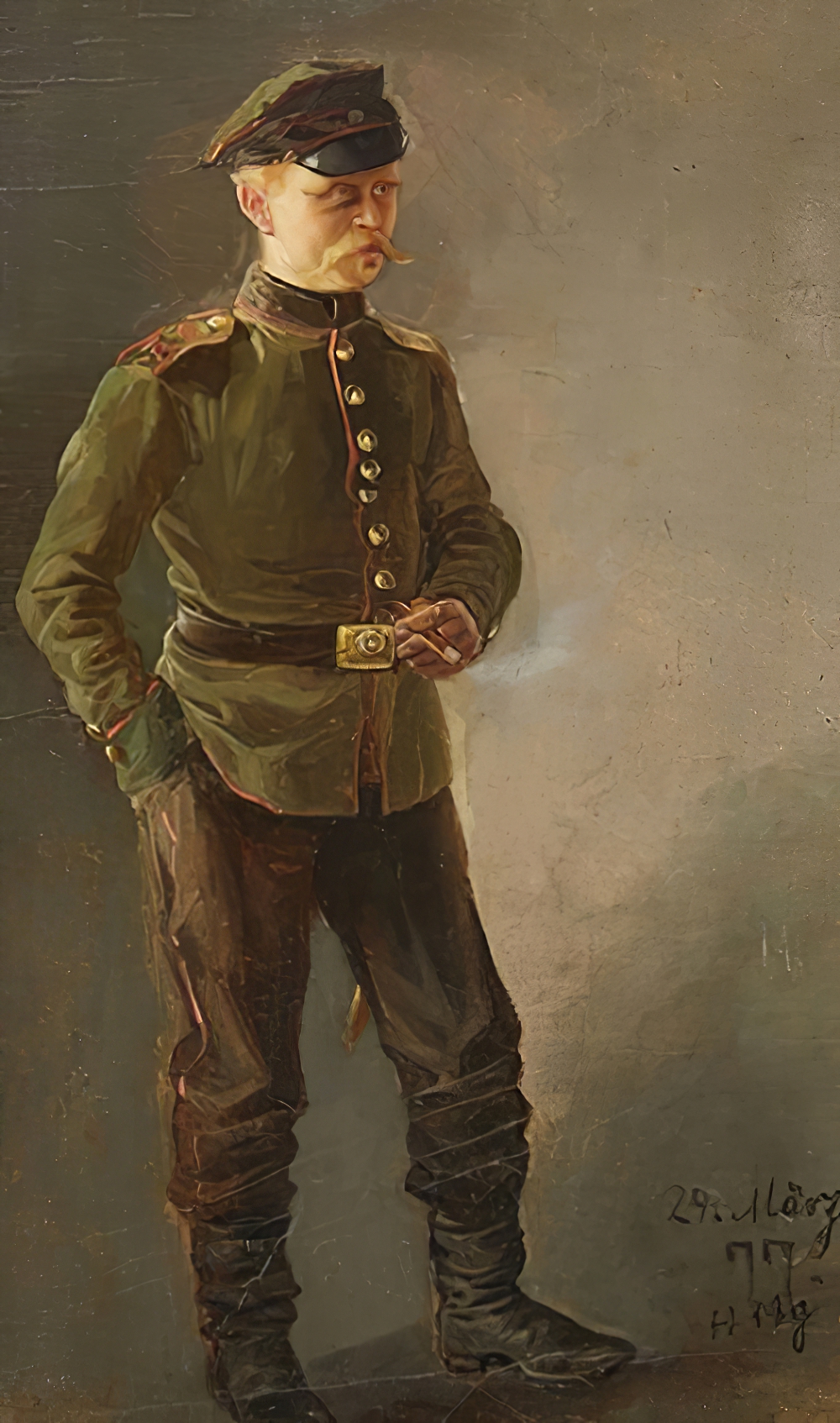
Hugo Mühlig was a German Impressionist painter. From 1881, he lived in Düsseldorf as a painter of landscapes and genre scenes.


Hugo Mühlig was a German Impressionist painter. From 1881, he lived in Düsseldorf as a painter of landscapes and genre scenes.


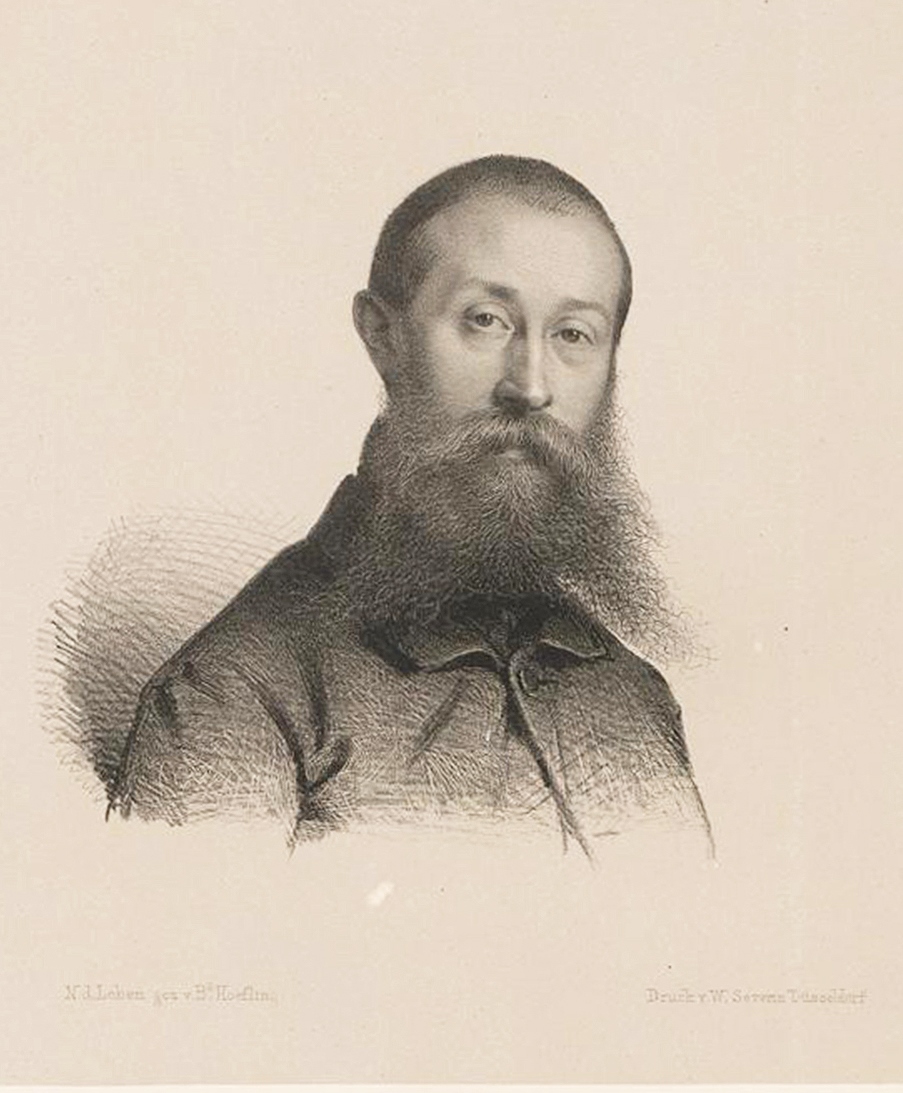
Carl Hilgers was a 19th century German landscape painter.
Carl Hilgers liked to paint winter landscapes shrouded in mist, often of locations around Düsseldorf. The paintings have a romantic character which is enhanced by occasional figures.


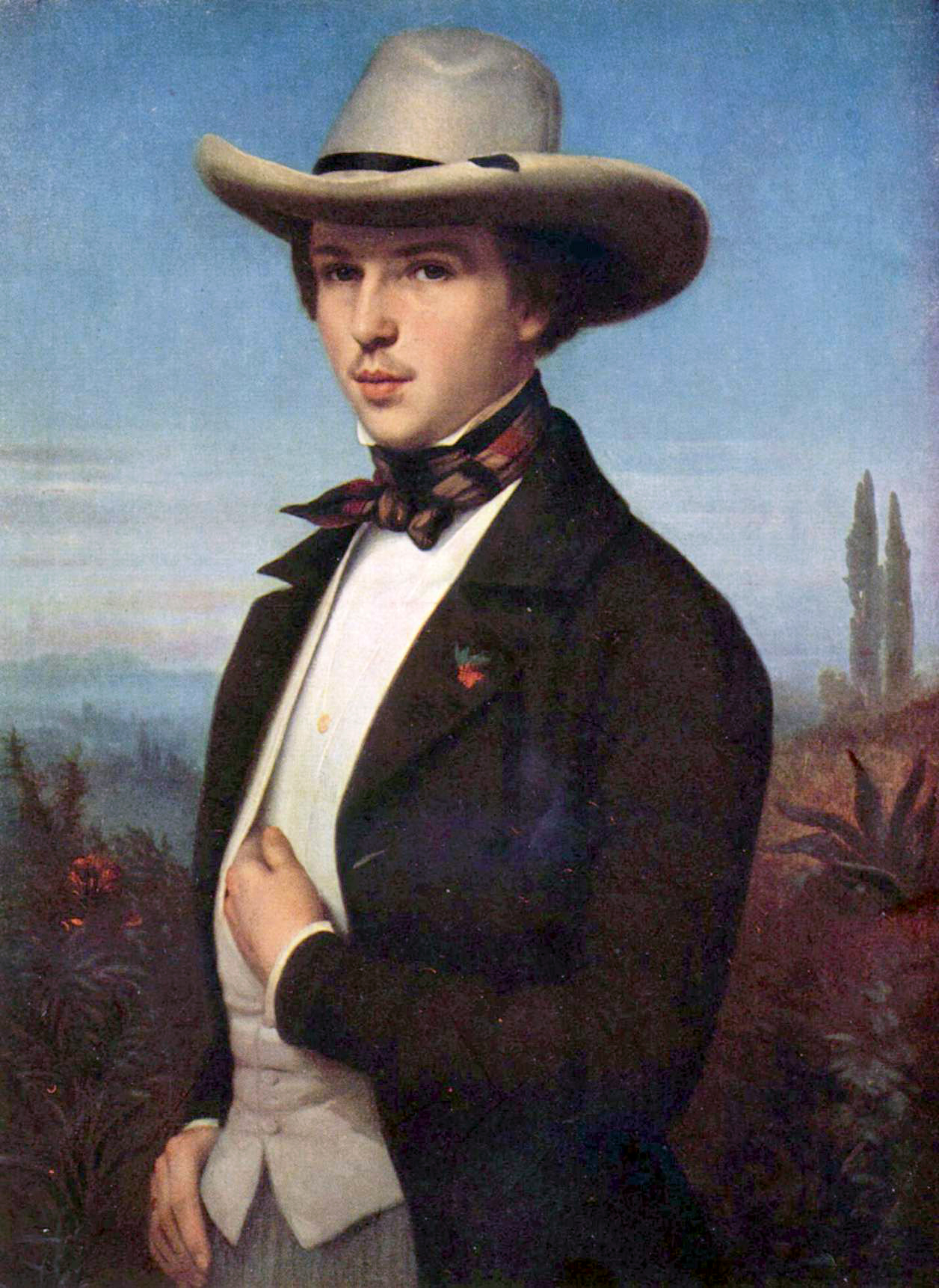
Oswald Achenbach was a German painter associated with the Düsseldorf school of painting. Though little known today, during his lifetime he was counted among the most important landscape painters of Europe. Through his teaching activities, he influenced the Kunstakademie Düsseldorf. His brother, Andreas Achenbach, who was twelve years older, was also among the most important German landscape painters of the 19th century. The two brothers were humorously called "the A and O of Landscapes" (a reference to their initials matching a common German reference to the Alpha and Omega).


Oswald Achenbach was a German painter associated with the Düsseldorf school of painting. Though little known today, during his lifetime he was counted among the most important landscape painters of Europe. Through his teaching activities, he influenced the Kunstakademie Düsseldorf. His brother, Andreas Achenbach, who was twelve years older, was also among the most important German landscape painters of the 19th century. The two brothers were humorously called "the A and O of Landscapes" (a reference to their initials matching a common German reference to the Alpha and Omega).


Oswald Achenbach was a German painter associated with the Düsseldorf school of painting. Though little known today, during his lifetime he was counted among the most important landscape painters of Europe. Through his teaching activities, he influenced the Kunstakademie Düsseldorf. His brother, Andreas Achenbach, who was twelve years older, was also among the most important German landscape painters of the 19th century. The two brothers were humorously called "the A and O of Landscapes" (a reference to their initials matching a common German reference to the Alpha and Omega).


Oswald Achenbach was a German painter associated with the Düsseldorf school of painting. Though little known today, during his lifetime he was counted among the most important landscape painters of Europe. Through his teaching activities, he influenced the Kunstakademie Düsseldorf. His brother, Andreas Achenbach, who was twelve years older, was also among the most important German landscape painters of the 19th century. The two brothers were humorously called "the A and O of Landscapes" (a reference to their initials matching a common German reference to the Alpha and Omega).


Oswald Achenbach was a German painter associated with the Düsseldorf school of painting. Though little known today, during his lifetime he was counted among the most important landscape painters of Europe. Through his teaching activities, he influenced the Kunstakademie Düsseldorf. His brother, Andreas Achenbach, who was twelve years older, was also among the most important German landscape painters of the 19th century. The two brothers were humorously called "the A and O of Landscapes" (a reference to their initials matching a common German reference to the Alpha and Omega).


Carl Hilgers was a 19th century German landscape painter.
Carl Hilgers liked to paint winter landscapes shrouded in mist, often of locations around Düsseldorf. The paintings have a romantic character which is enhanced by occasional figures.


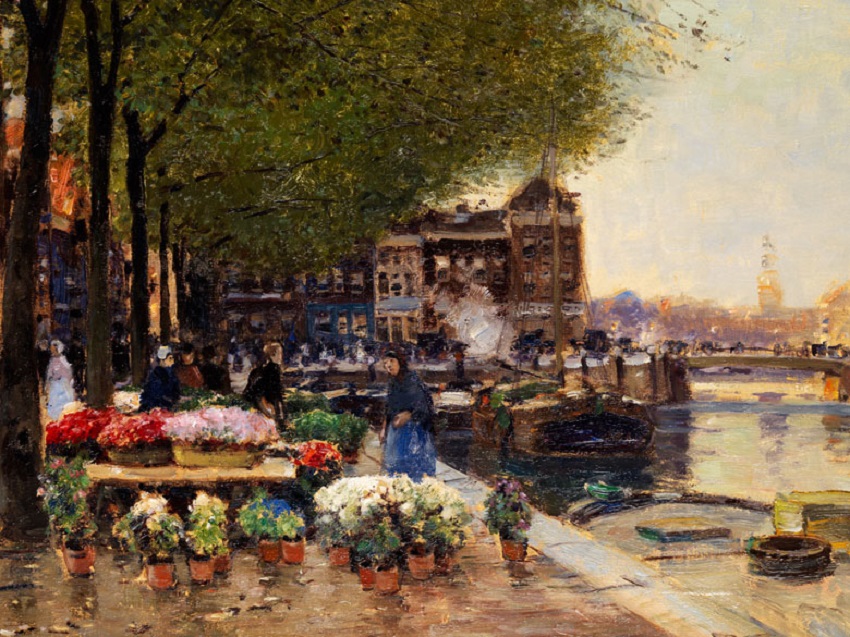
Heinrich Hermanns was a German lithographer and landscape painter. He was also known for architectural paintings and vedute and was associated with the Düsseldorfer Malerschule.


Heinrich Hermanns was a German lithographer and landscape painter. He was also known for architectural paintings and vedute and was associated with the Düsseldorfer Malerschule.


Johann Wilhelm Preyer was a German painter of the second half of the 19th century. He is known as a painter, a representative of the Düsseldorf school of painting.
Preyer specialized in still lifes with flowers and fruit, which were notable for their detailed and meticulous elaboration. He is considered the preeminent painter of this genre of his era. His work is common in the United States, but there are also important pieces in the Berlin National Gallery and other German museums.
Preyer was one of the first representatives of the Düsseldorf School and was instrumental in founding the Düsseldorf Artists' Association.


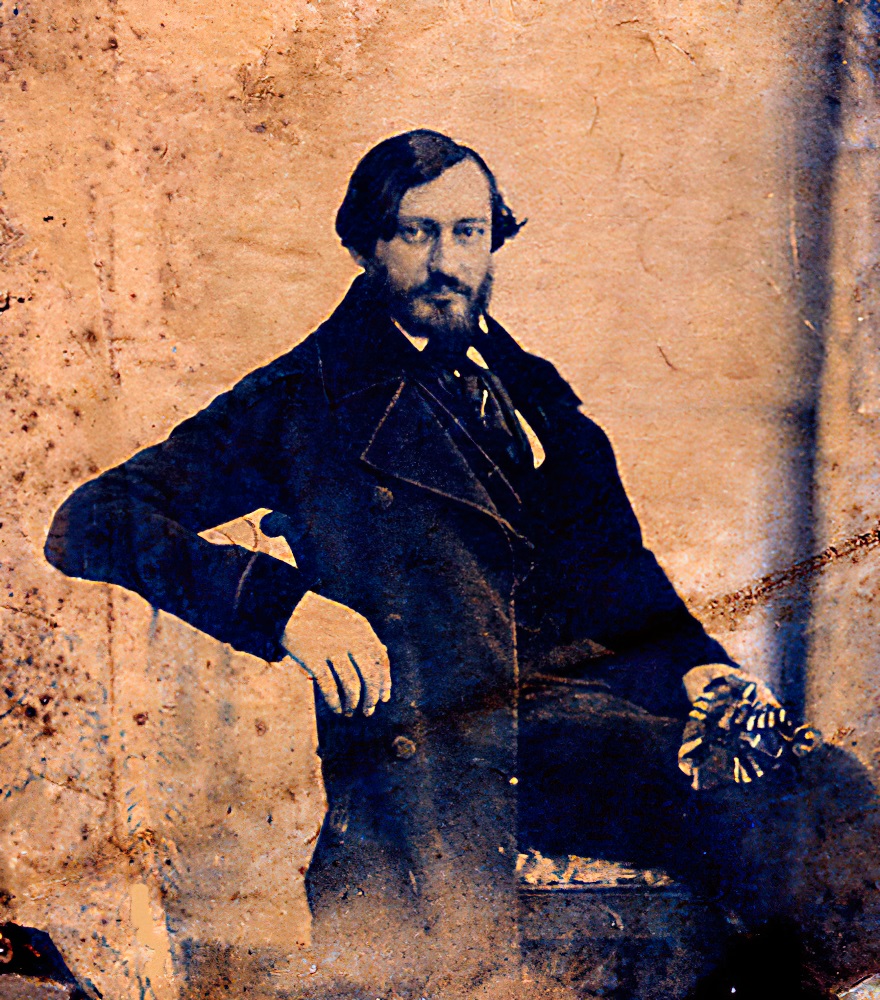
Eduard Wilhelm Pose was a German Romantic landscape painter associated with the Düsseldorf school of painting.


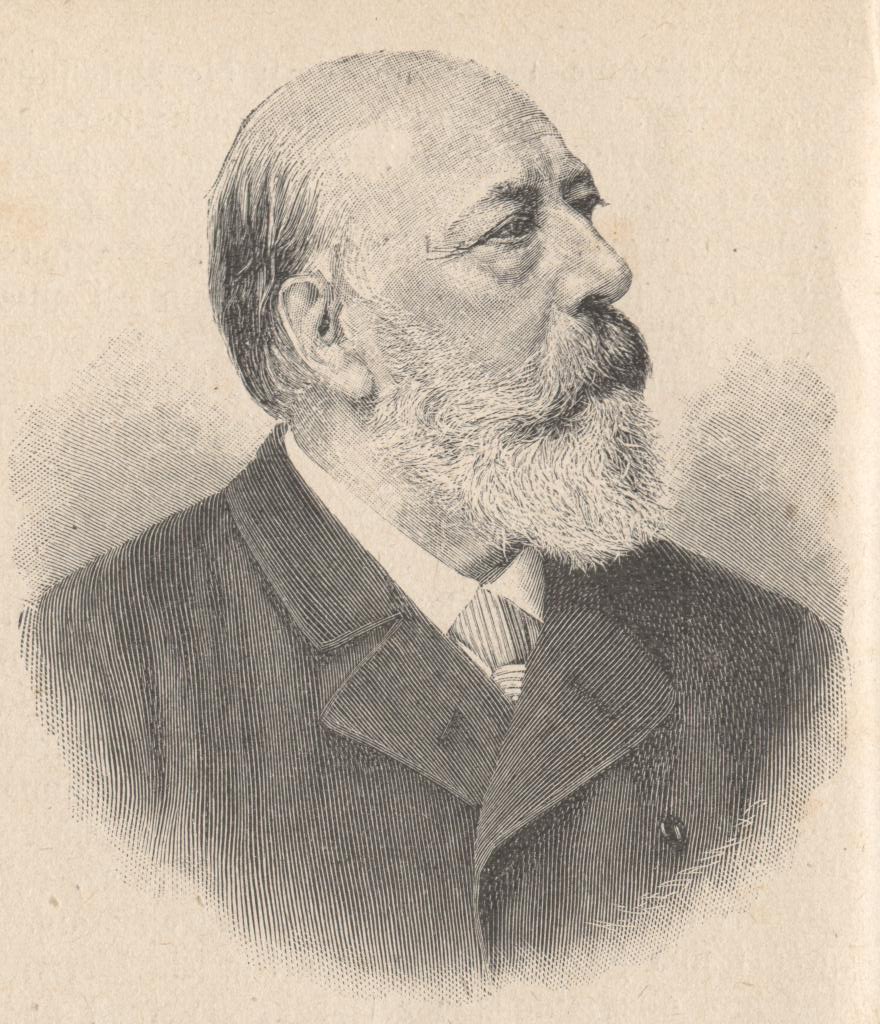
Andreas Achenbach was a German landscape and seascape painter in the Romantic style. He is considered to be one of the founders of the Düsseldorf School.[citation needed] His brother, Oswald, was also a well known landscape painter. Together, based on their initials, they were known as the "Alpha and Omega" of landscape painters.


Andreas Achenbach was a German landscape and seascape painter in the Romantic style. He is considered to be one of the founders of the Düsseldorf School.[citation needed] His brother, Oswald, was also a well known landscape painter. Together, based on their initials, they were known as the "Alpha and Omega" of landscape painters.


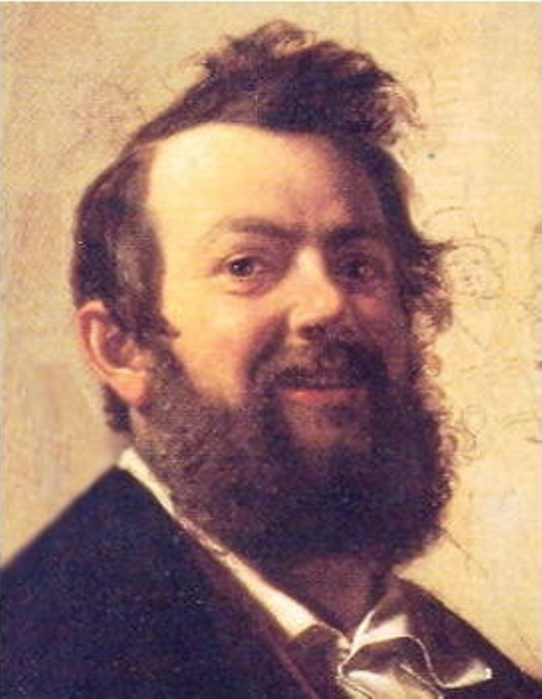
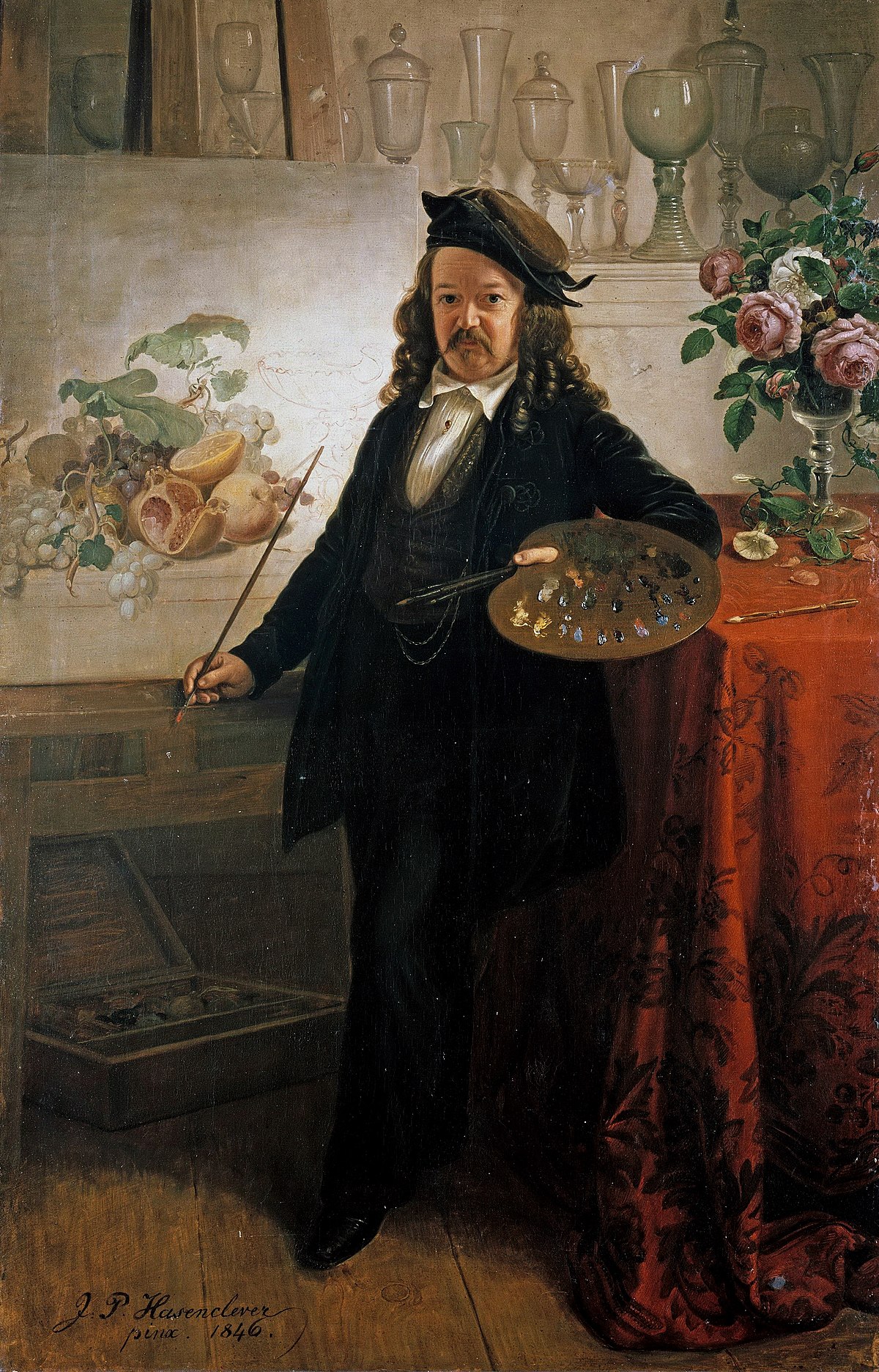
Johann Peter Hasenclever was a German painter of the first half of the 19th century. He is known as a painter, a representative of the Düsseldorf school of art, who is considered one of the founders of German genre painting.
Hasenclever began his work by interpreting biblical, mythological and romantic subjects, but eventually found his calling in humorous scenes from bourgeois life, especially Pyrenean towns and cities. Among his famous works are "The Amusing Examination," "The Reading Room," and "The Trial of Wine," distributed in engravings and lithographs.


Max Clarenbach was a German painter of the first half of the twentieth century. He is known as a painter, landscape painter, genre painter and teacher and is considered one of the most important representatives of Rhenish painting of his time.
Max Clarenbach made study trips to Italy and Holland early in his career, where he formed his genre preferences and became a landscape painter. His work reflected the influence of the Hague School and the French Barbizonians. The artist skillfully depicted winter scenes and the nature of western Germany. He also painted sports and street scenes.
Clarenbach was one of the organizers of the Düsseldorf Sonderbund and taught at the Düsseldorf Academy of Art.


Max Clarenbach was a German painter of the first half of the twentieth century. He is known as a painter, landscape painter, genre painter and teacher and is considered one of the most important representatives of Rhenish painting of his time.
Max Clarenbach made study trips to Italy and Holland early in his career, where he formed his genre preferences and became a landscape painter. His work reflected the influence of the Hague School and the French Barbizonians. The artist skillfully depicted winter scenes and the nature of western Germany. He also painted sports and street scenes.
Clarenbach was one of the organizers of the Düsseldorf Sonderbund and taught at the Düsseldorf Academy of Art.


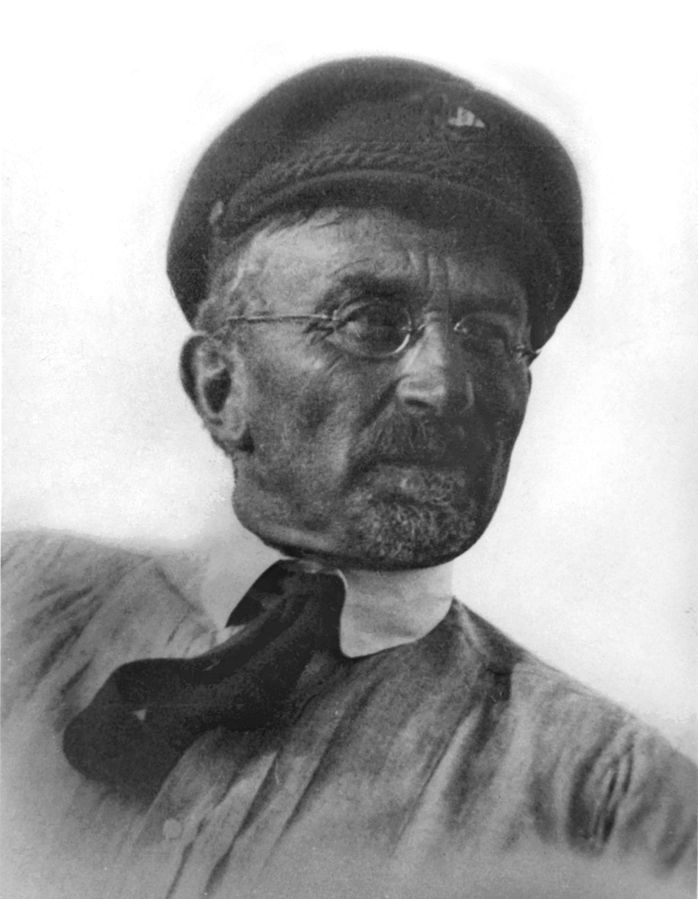
Poppe Folkerts was a German marine painter, draughtsman and graphic artist. He studied at the Berlin Academy of Fine Arts under Karl Salzmann. In 1907 and 1908 he studied figure and portrait painting in Düsseldorf with Eduard von Gebhardt, before going to Paris in 1909, where he was accepted at the Académie Julian.
Poppe Volkerts is considered one of the most outstanding artists of the Frisian coast. As an enthusiastic sailor, he was able to capture the peculiarities of this landscape, the struggle of people with the forces of nature and the fascination of the sea with its constantly changing weather conditions and moods, with a unique liveliness and intensity. His pastose application of paint, special lighting and pure colours create the spatial depth and radiance inherent in the paintings.


Poppe Folkerts was a German marine painter, draughtsman and graphic artist. He studied at the Berlin Academy of Fine Arts under Karl Salzmann. In 1907 and 1908 he studied figure and portrait painting in Düsseldorf with Eduard von Gebhardt, before going to Paris in 1909, where he was accepted at the Académie Julian.
Poppe Volkerts is considered one of the most outstanding artists of the Frisian coast. As an enthusiastic sailor, he was able to capture the peculiarities of this landscape, the struggle of people with the forces of nature and the fascination of the sea with its constantly changing weather conditions and moods, with a unique liveliness and intensity. His pastose application of paint, special lighting and pure colours create the spatial depth and radiance inherent in the paintings.

