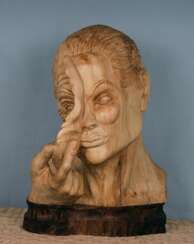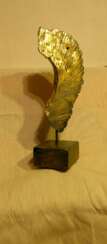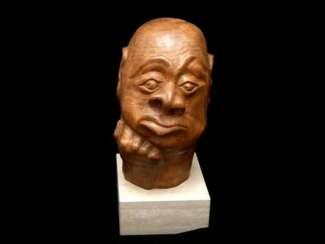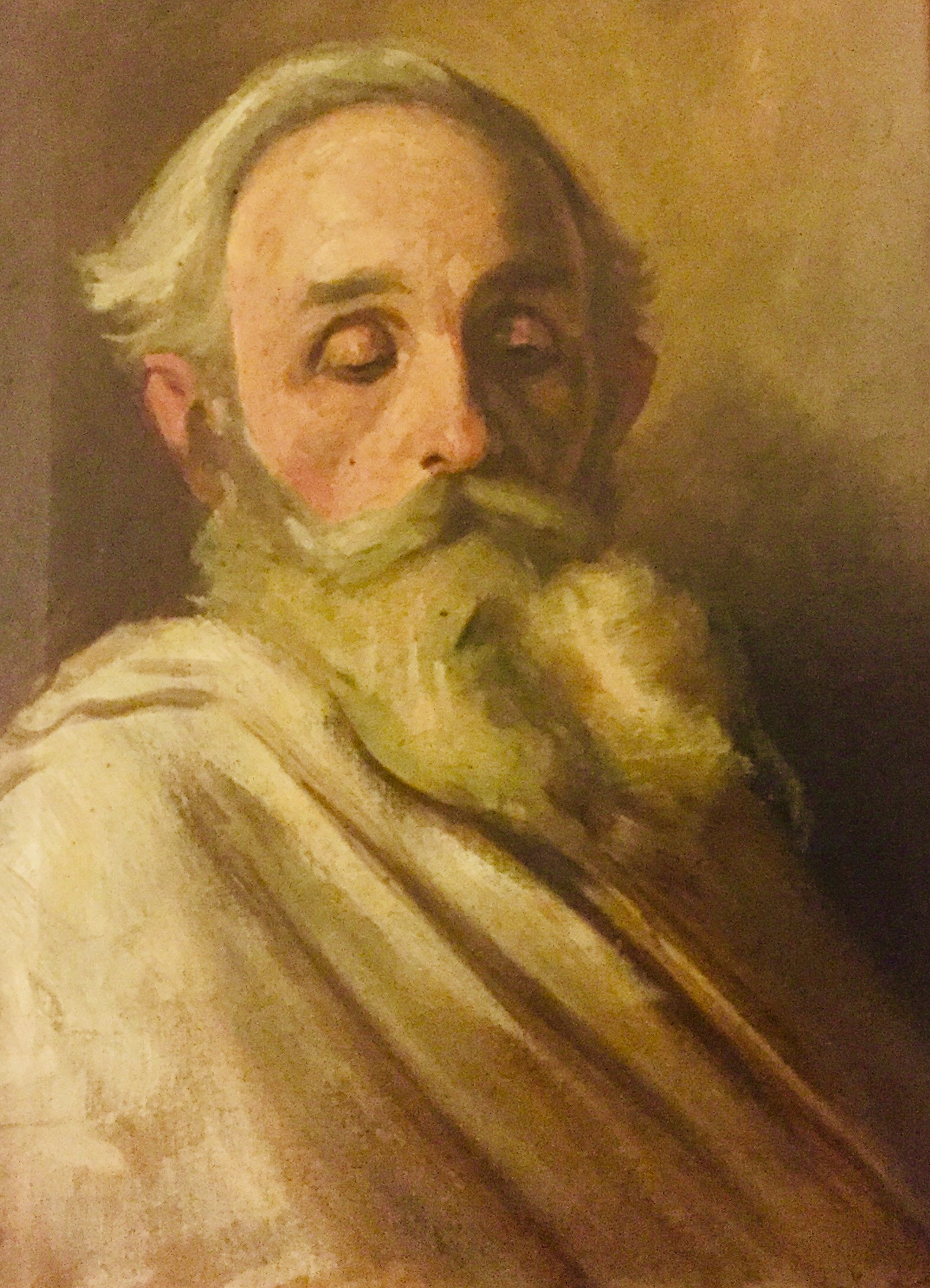
elm wood

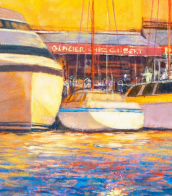
Wilhelm Schreuer was a German painter; associated with the Düsseldorfer Malerschule.
Most of his works were created with a distinctive technique, involving diluted colors on a damp surface, applied to glued paper; a method that makes major corrections almost impossible. The resulting surface is smooth as glass. Often, the effect is nearly monochromatic. Although he painted a wide variety of subjects, scenes from inns, restaurants, dance halls, and various events were obviously his favorites.

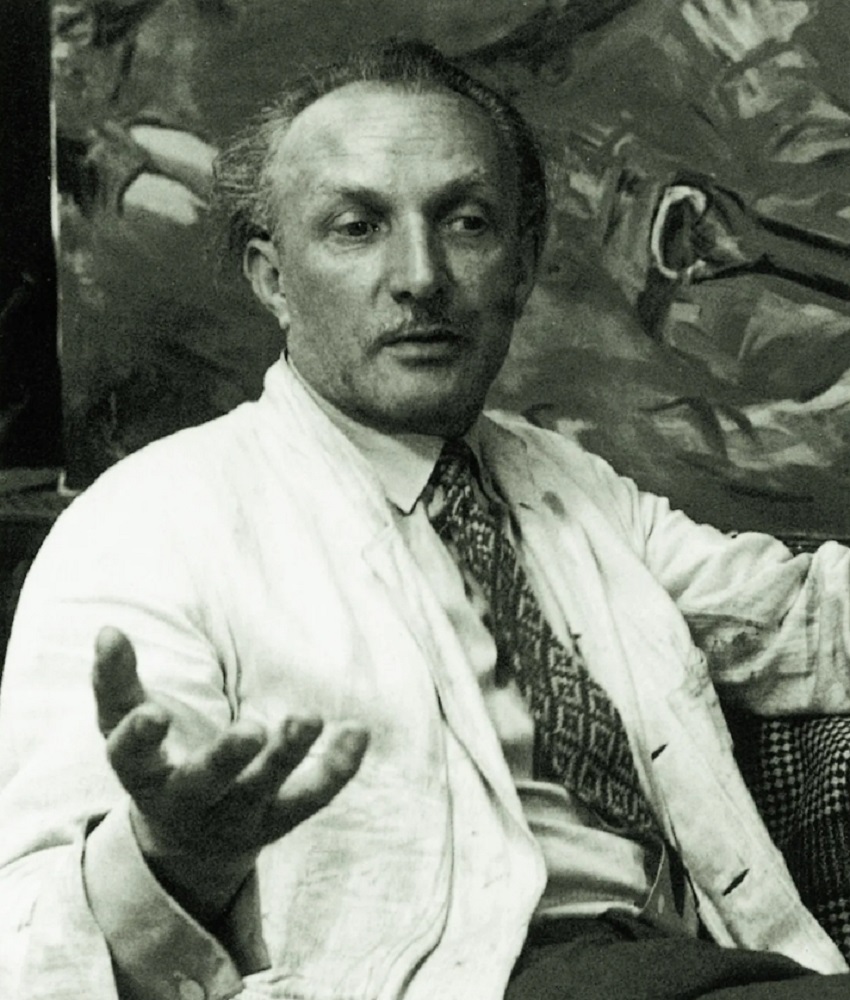
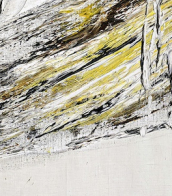
Wilhelm Imkamp was a German painter and a student of the Bauhaus and is one of the most important abstract painters of the post-war period in Germany.
Even though Imkamp made over 500 portraits in his lifetime and thus secured his income for several years of his life, abstract painting is and remains the core of his work. His paintings were created without sketches and preliminary studies, he always painted several pictures at the same time and let a composition emerge in many individual steps from the interaction of colour and form alone. Impressions from nature and music were his sources of inspiration, which played a part in the creative process, but in the end a completely new world of images emerged, on the basis of which the picture titles were also found. Imkamp's work is clearly recognisable as a Bauhaus student, strongly influenced by Wassily Kandinsky's colour compositions, Paul Klee's narrative span and Lyonel Feiniger's structured use of space. Over the years, however, he developed a very independent artistic position among the students of the Bauhaus.


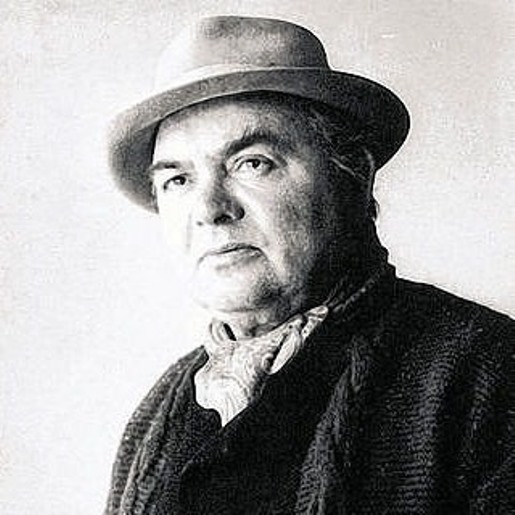
Ewald Wilhelm Hubert Mataré was a German painter and sculptor, who dealt with, among other things, the figures of men and animals in a stylized form.


Leonhart Fuchs was a German humanist scientist, botanist, and physician.
Fuchs received a humanistic education under Catholic guidance, but later became a Protestant. He studied medicine and became a professor in Tübingen. He was most interested in the medicinal properties of plants. Well acquainted with the Greek and Latin classics and an excellent observer, he gave precise descriptions, and his beautiful engravings of plants established the tradition of depicting plants with precise illustrations and in alphabetical order.
In 1542 Fuchs published his most important work, De Historia Stirpium Commentarii Insignes (Famous Commentaries on the History of Plants). The book was a great success, especially because of the magnificent woodcuts and the 487 plants, which were described for the first time in such a systematic form. De Historia Stirpium survived several editions and was translated into Dutch and German.


John James Audubon was a French-American ornithologist and painter, renowned for his groundbreaking illustrations of American birds. Born in 1785 in Les Cayes, Saint-Domingue (now Haiti), Audubon is remembered for his keen observation skills and innovative artistic techniques.
Audubon's most famous work, "The Birds of America," transformed the field of ornithology by presenting birds in lifelike poses and detailed backgrounds. Published between 1827 and 1838, it contained 435 hand-colored engravings, showcasing over 489 bird species. His unique approach to illustrating birds in their natural habitats was a departure from traditional methods, which often portrayed birds in rigid poses.
Audubon used a wire armature to position freshly-killed specimens, allowing him to depict birds with a sense of movement and vitality. This innovative technique was truly revolutionary and set him apart from his contemporaries. Additionally, Audubon's artistic skill and attention to detail made his illustrations highly sought after, with surviving copies of "The Birds of America" considered valuable collectibles today.
For art collectors and enthusiasts, Audubon's work continues to be a source of inspiration and admiration. His legacy endures through his contributions to ornithology and the art world, with museums and galleries showcasing his work. If you're interested in learning more about John James Audubon and his famous illustrations, consider subscribing to our newsletter for updates on new product sales and auction events related to his work.

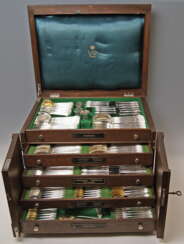
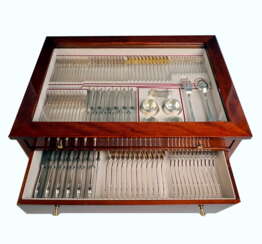
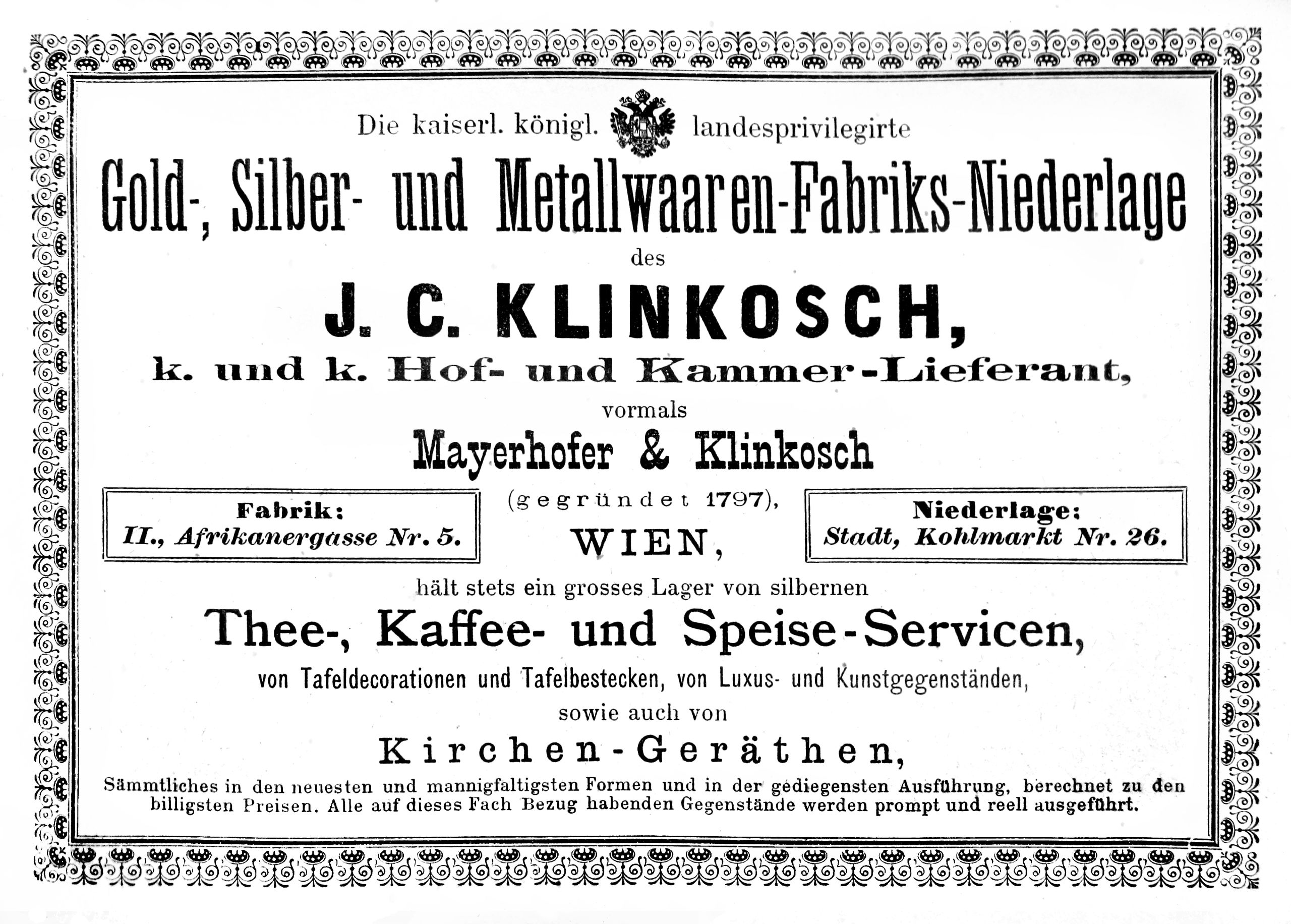
Josef Carl Ritter von Klinkosch was a well-known Viennese silversmith and purveyor to the court.




Franz Radziwill was a German artist of the twentieth century. He is known as a landscape painter, graphic artist and printmaker associated with the artistic movement of "new materiality".
Franz Radziwill created paintings that are characterized by careful elaboration and the use of glaze techniques borrowed from the Old Masters. He used elements of industrial buildings and modern technology, including ships and airplanes, in his landscapes. The results of his work can be categorized as magical realism.
In 1933 Radziwill became professor of painting at the Düsseldorf Academy of Art, but in 1935 the Nazis stripped him of this position, declaring his work degenerate art.


![[GALENUS, Claudius (129-c. 216)]](/assets/image/picture_5109090/5c1c7/ac36f1544df7eee020e71e2ff6c4a8d51765321200jpg__fix_374_244.jpeg)
![[GALENUS, Claudius (129-c. 216)]](https://veryimportantlot.com/assets/image/picture_5109090/5c1c7/ac36f1544df7eee020e71e2ff6c4a8d51765321200jpg__fix_374_244.jpeg)