68 Items by auctions and galleries:
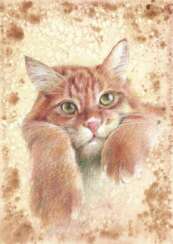
farbstift






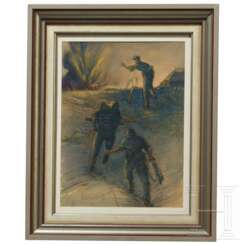










Портрет номер 3
Viktoriia Karbysheva (b. 1997)  Shop Karbysheva Viktoriia
Viktoriia Karbysheva
03.06.1997
Russia
Привет! Меня зовут Виктория. Я журналист из Москвы. Я пишу на общественно-политические темы и по долгу службы сталкиваюсь с разными людскими историями. Какие-то из них радостные и счастливые, другие - полны скорби и несправедливости. Вот почему я так бережно несу через года свое детское увлечение - живопись. Она помогает мне не только перезагрузиться, но и выразить явления, которые иногда описать словами не представляется возможным: бедность, дискриминацию по гендерному и национальному признакам, жестокость правительства, бессилие закона. В стране, в которой журналистам приходится претерпевать гнет со стороны власть имущих, живопись позволяет мне не сдаваться и продолжать делать свою работу.
Hi! My name is Viktoriia. I am a journalist from Moscow, Russia. I work on social and political topics so I meet lot of people’s stories. Some of them are full of pain and injustice. That’s why I did carried through the years my child’s hobby that I want to share with people. Art helps me not only to unload my brain but also to capture social phenomenons that are sometimes hard to describe with words such as: political games, poverty, gender and national discrimination, totalitarian government. Journalists in Russia are now harassed by administration. So art helps me to move on doing my job and not to give up.
Artist shop
Karbysheva Viktoriia
Russia
Number of products: 46
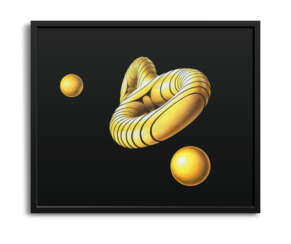

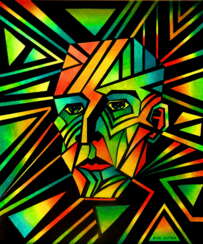

New Ways
Nina Valetova (b. 1958)  Shop Valetova Nina
Nina Valetova
19.11.1958
USA
Русско- американский художник, проживающий в США и России.
Художник , работающий в области живописи и рисунка. Эксперементирую в синтезе стилей, как кубизм, сюрреализм, абстратное и фигуративное искусство в одном произведении, которое называю Синтезис Арт Стиль.
Живопись маслом, рисунки тушью и цветными карандашами
Artist shop
Valetova Nina
USA
Number of products: 11
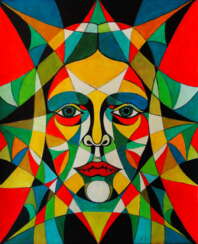

Калейдоскоп
Nina Valetova (b. 1958)
Shop Valetova Nina
Nina Valetova
19.11.1958
USA
Русско- американский художник, проживающий в США и России.
Художник , работающий в области живописи и рисунка. Эксперементирую в синтезе стилей, как кубизм, сюрреализм, абстратное и фигуративное искусство в одном произведении, которое называю Синтезис Арт Стиль.
Живопись маслом, рисунки тушью и цветными карандашами
Artist shop
Valetova Nina
USA
Number of products: 11


Предчувствие мрачных времён
Nina Valetova (b. 1958)
Shop Valetova Nina
Nina Valetova
19.11.1958
USA
Русско- американский художник, проживающий в США и России.
Художник , работающий в области живописи и рисунка. Эксперементирую в синтезе стилей, как кубизм, сюрреализм, абстратное и фигуративное искусство в одном произведении, которое называю Синтезис Арт Стиль.
Живопись маслом, рисунки тушью и цветными карандашами
Artist shop
Valetova Nina
USA
Number of products: 11
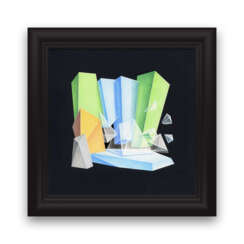



Танец на шаре
Nina Valetova (b. 1958)
Shop Valetova Nina
Nina Valetova
19.11.1958
USA
Русско- американский художник, проживающий в США и России.
Художник , работающий в области живописи и рисунка. Эксперементирую в синтезе стилей, как кубизм, сюрреализм, абстратное и фигуративное искусство в одном произведении, которое называю Синтезис Арт Стиль.
Живопись маслом, рисунки тушью и цветными карандашами
Artist shop
Valetova Nina
USA
Number of products: 11