freiburg/br




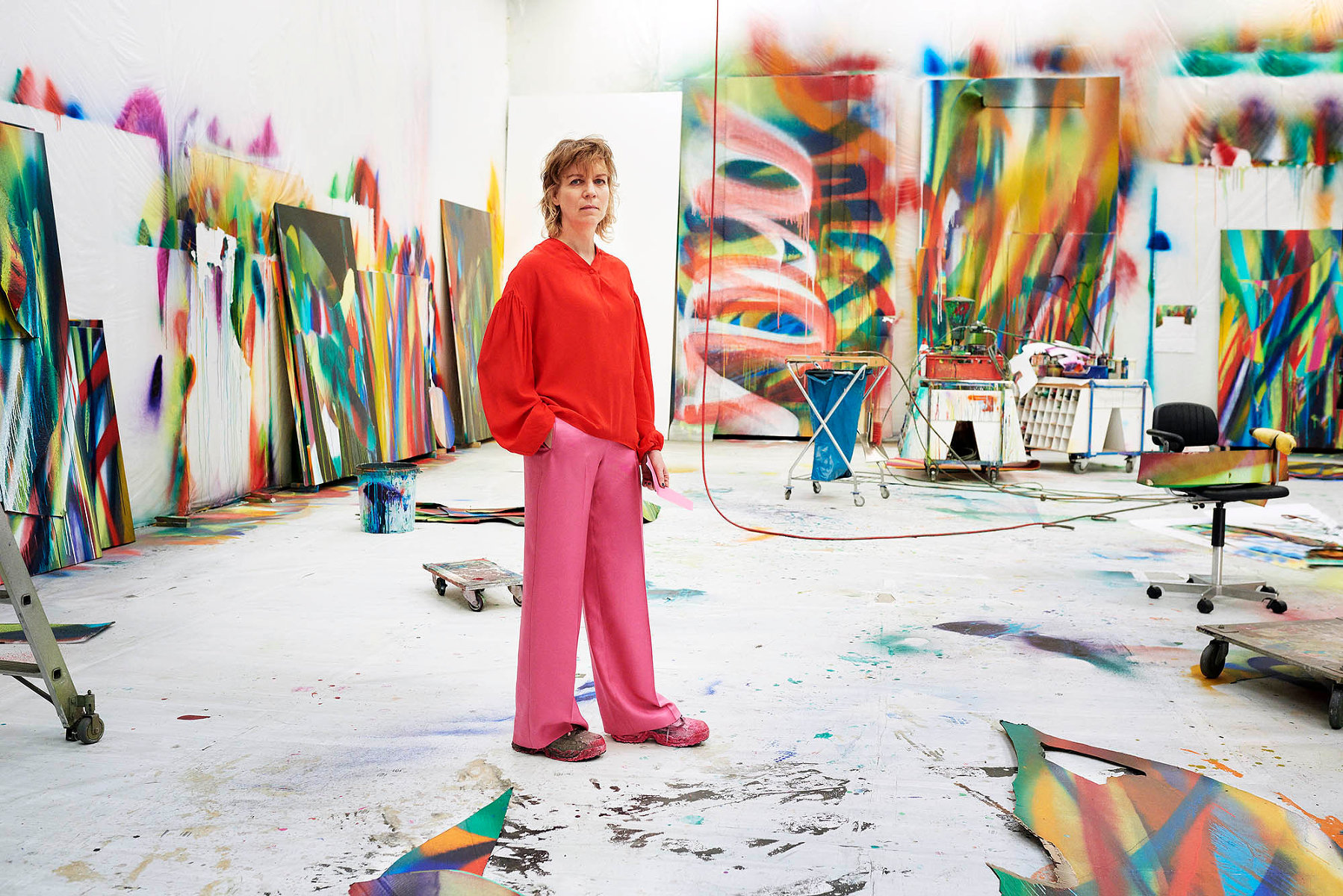
Katharina Grosse is a German artist. As an artist, Grosse's work employs a use of architecture, sculpture and painting. She is known for her large-scale, site-related installations to create immersive visual experiences. She has been using an industrial paint-sprayer to apply prismatic swaths of color to a variety of surfaces since the late 1990s, and often uses bright, unmixed sprayed-on acrylic paints to create both large-scale sculptural elements and smaller wall works.



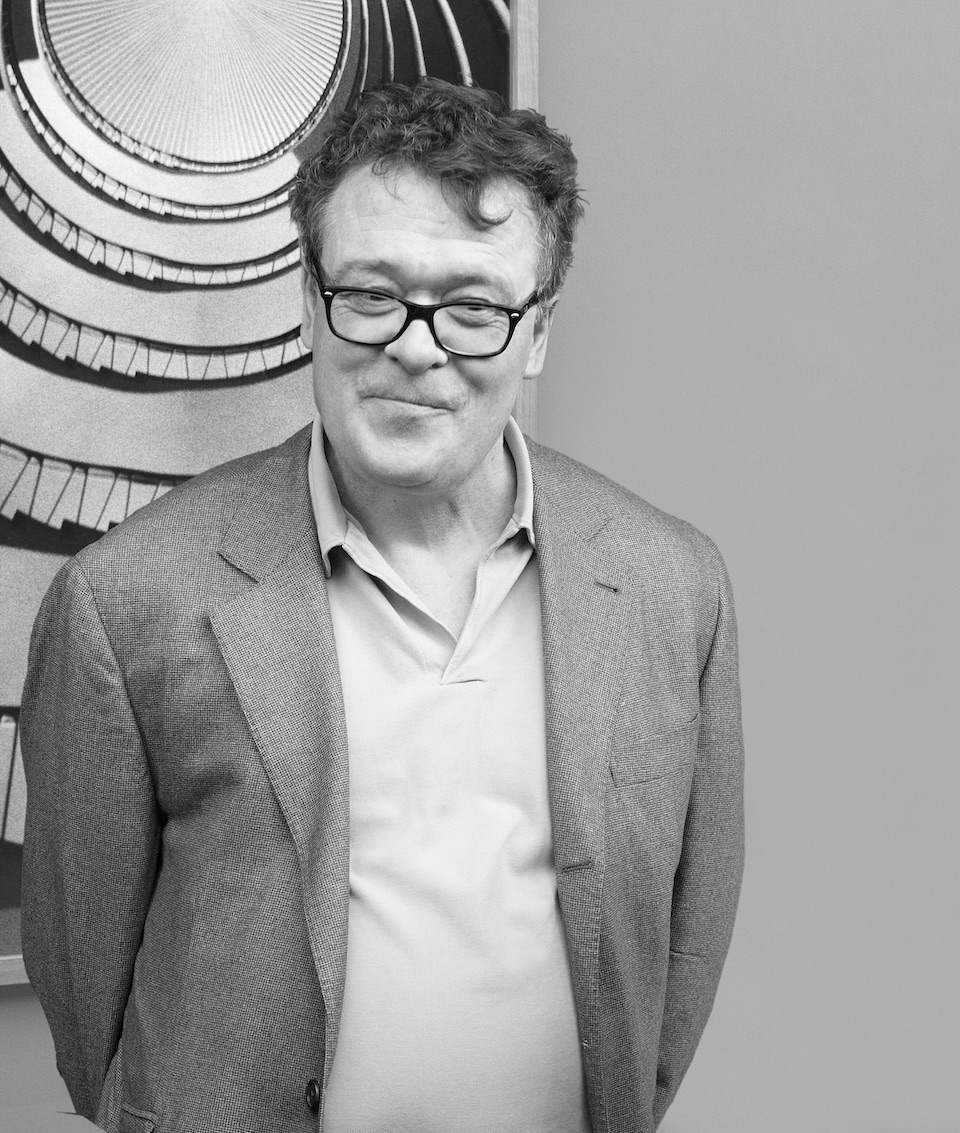
Günther Förg was a German painter, graphic designer, sculptor and photographer. His abstract style was influenced by American abstract painting.


Franz Xafer Gräßel was a German animal and landscape painter.
Gräßel studied painting at the Karlsruhe Academy and at the Munich Academy, where he became a professor in 1911. Initially his favorite subject was rural landscapes, but from 1894 he painted mainly ducks and geese and achieved a high level of skill in their depiction. Gräßel even earned the nickname "duck painter".
In 1932 Gräßel joined the NSDAP, and in 1938, 1939 and 1940 was represented by four paintings at the Great Exhibition of German Art in Munich. Adolf Hitler liked them so much that he purchased them all. The artist's paintings are now in important galleries and collections in Germany.
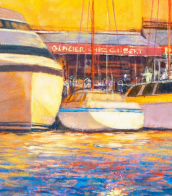


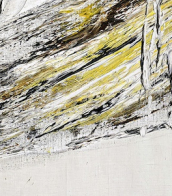



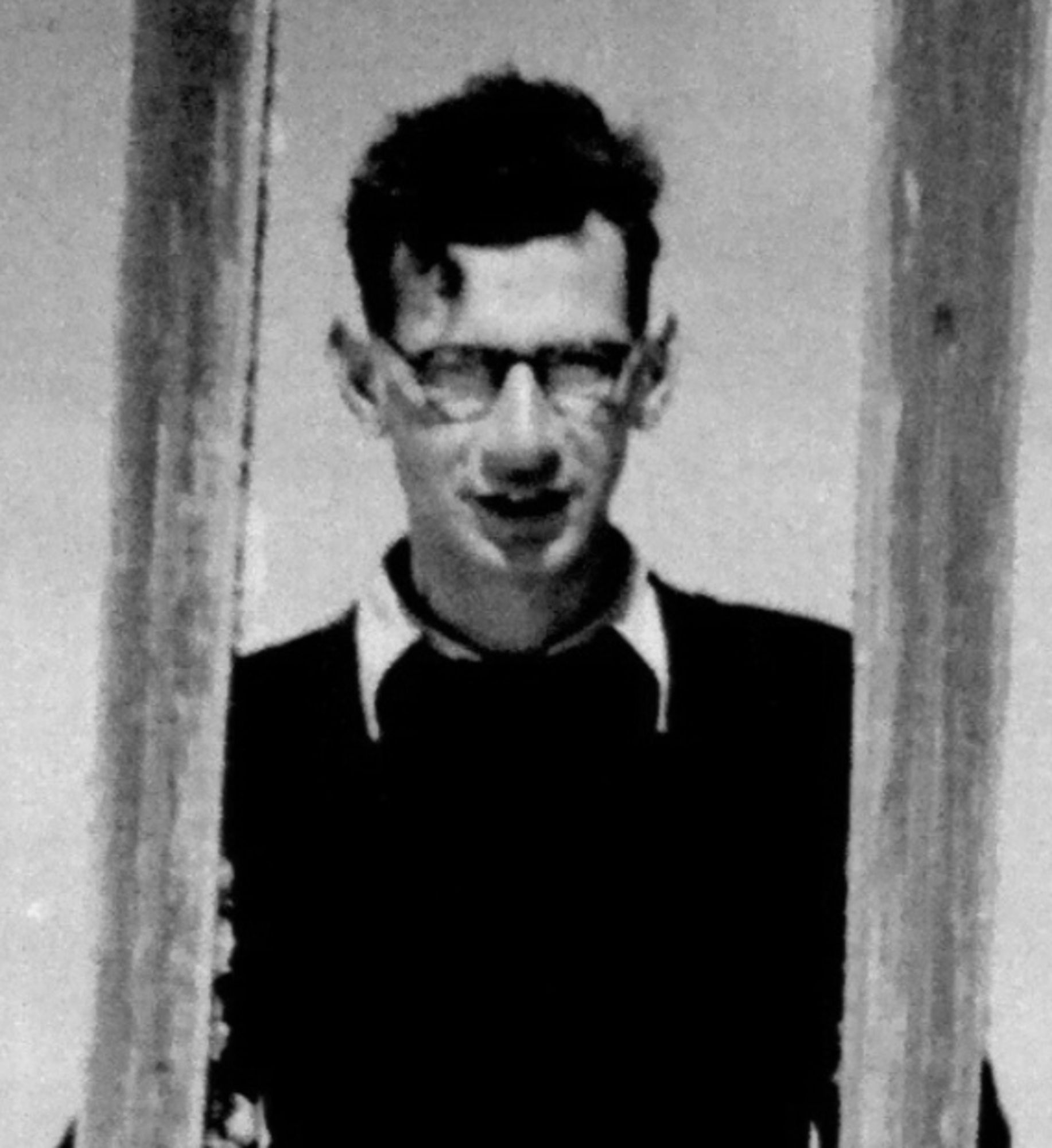
Rudolf Grossmann (German: Rudolf Grossmann, or Großmann), full name Rudolf Wilhelm Walther Grossmann, was a German painter, draftsman, illustrator and graphic artist.
Born into an artistic family, Grossmann began his education in painting and printmaking at the Düsseldorf Academy before continuing his studies in Paris with Lucien Simon and Pouleroz. Among his best-known works are various portrait drawings of celebrities, notably those published in the satirical periodical Simplicissimus; he was also known for his book illustrations. Grossmann began publishing his prints in 1905, and many major publishers in Germany and France commissioned his work. He later concentrated on figurative works and urban scenes, which showed the influence of Cézanne and Pasquin.
From 1928 until Hitler's Nazi Party came to power, Grossmann taught at the Berlin Royal School of Art and was a member of the Berlin Secession and the Deutsche Kunstlerbund. In 1934, his work, like that of many of his colleagues, was stigmatized as degenerate and confiscated by the Nazi government, and he was disbarred from practicing his profession. He soon left for Freiberg im Beisgau, where he died on November 28, 1941.

Rudolf Grossmann (German: Rudolf Grossmann, or Großmann), full name Rudolf Wilhelm Walther Grossmann, was a German painter, draftsman, illustrator and graphic artist.
Born into an artistic family, Grossmann began his education in painting and printmaking at the Düsseldorf Academy before continuing his studies in Paris with Lucien Simon and Pouleroz. Among his best-known works are various portrait drawings of celebrities, notably those published in the satirical periodical Simplicissimus; he was also known for his book illustrations. Grossmann began publishing his prints in 1905, and many major publishers in Germany and France commissioned his work. He later concentrated on figurative works and urban scenes, which showed the influence of Cézanne and Pasquin.
From 1928 until Hitler's Nazi Party came to power, Grossmann taught at the Berlin Royal School of Art and was a member of the Berlin Secession and the Deutsche Kunstlerbund. In 1934, his work, like that of many of his colleagues, was stigmatized as degenerate and confiscated by the Nazi government, and he was disbarred from practicing his profession. He soon left for Freiberg im Beisgau, where he died on November 28, 1941.
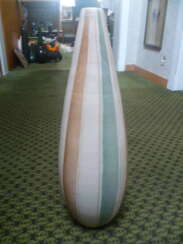

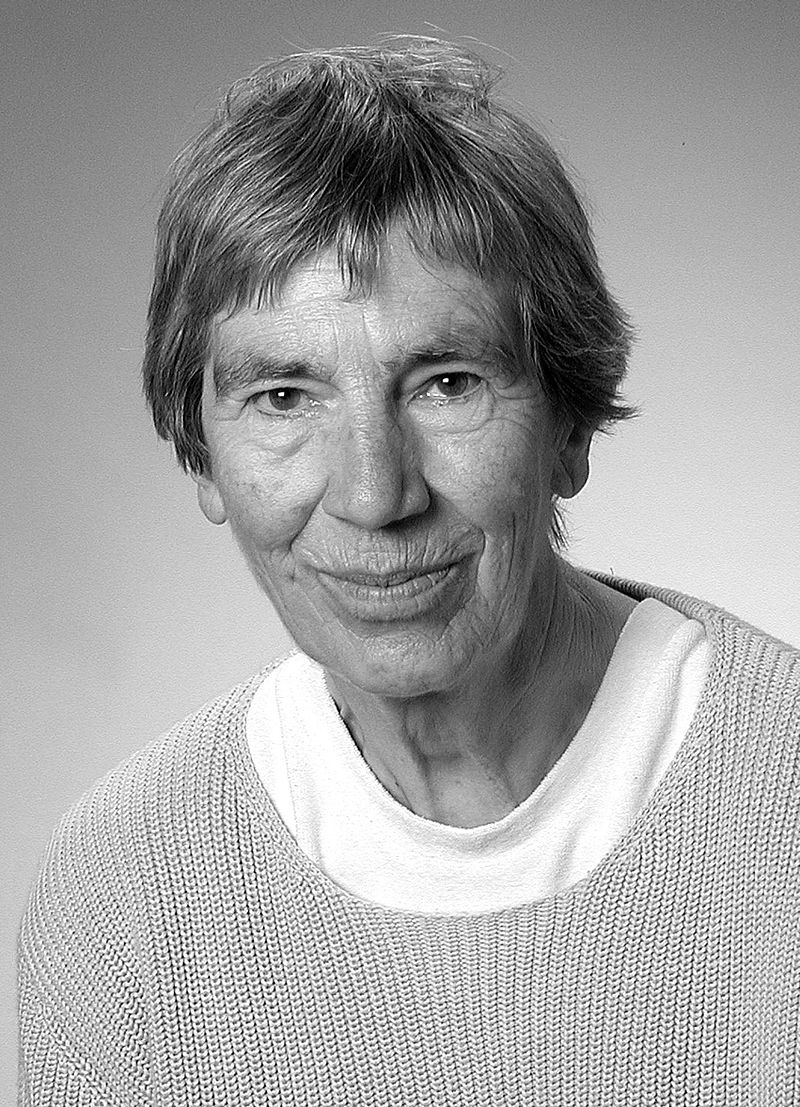
Beate Kuhn is a German ceramic sculptor.
She had an unprecedented influence on the development of German ceramics after the war, when in the mid-1960s she abandoned utilitarian ceramics in favor of free art.
After graduating from the Werkkunstschule in Wiesbaden, she founded her own workshop in Düdelsheim in 1957, developing a style that was already unmistakably her own. Here Beate Kuhn's sculptures were created from individual hand-carved and chiseled elements, which she assembled into a coherent whole. She transferred this stylistic principle of stringing geometric bodies to her designs of large-scale ceramic fountains. The artist's characteristic work can be found in every outstanding collection. The enormous number of prizes awarded to her underscores the recognition and appreciation she has enjoyed.






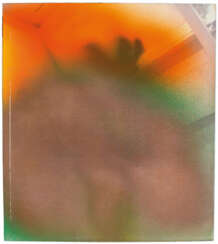

Katharina Grosse is a German artist. As an artist, Grosse's work employs a use of architecture, sculpture and painting. She is known for her large-scale, site-related installations to create immersive visual experiences. She has been using an industrial paint-sprayer to apply prismatic swaths of color to a variety of surfaces since the late 1990s, and often uses bright, unmixed sprayed-on acrylic paints to create both large-scale sculptural elements and smaller wall works.

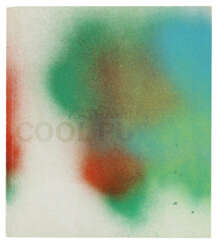

Katharina Grosse is a German artist. As an artist, Grosse's work employs a use of architecture, sculpture and painting. She is known for her large-scale, site-related installations to create immersive visual experiences. She has been using an industrial paint-sprayer to apply prismatic swaths of color to a variety of surfaces since the late 1990s, and often uses bright, unmixed sprayed-on acrylic paints to create both large-scale sculptural elements and smaller wall works.


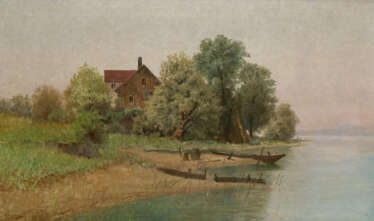











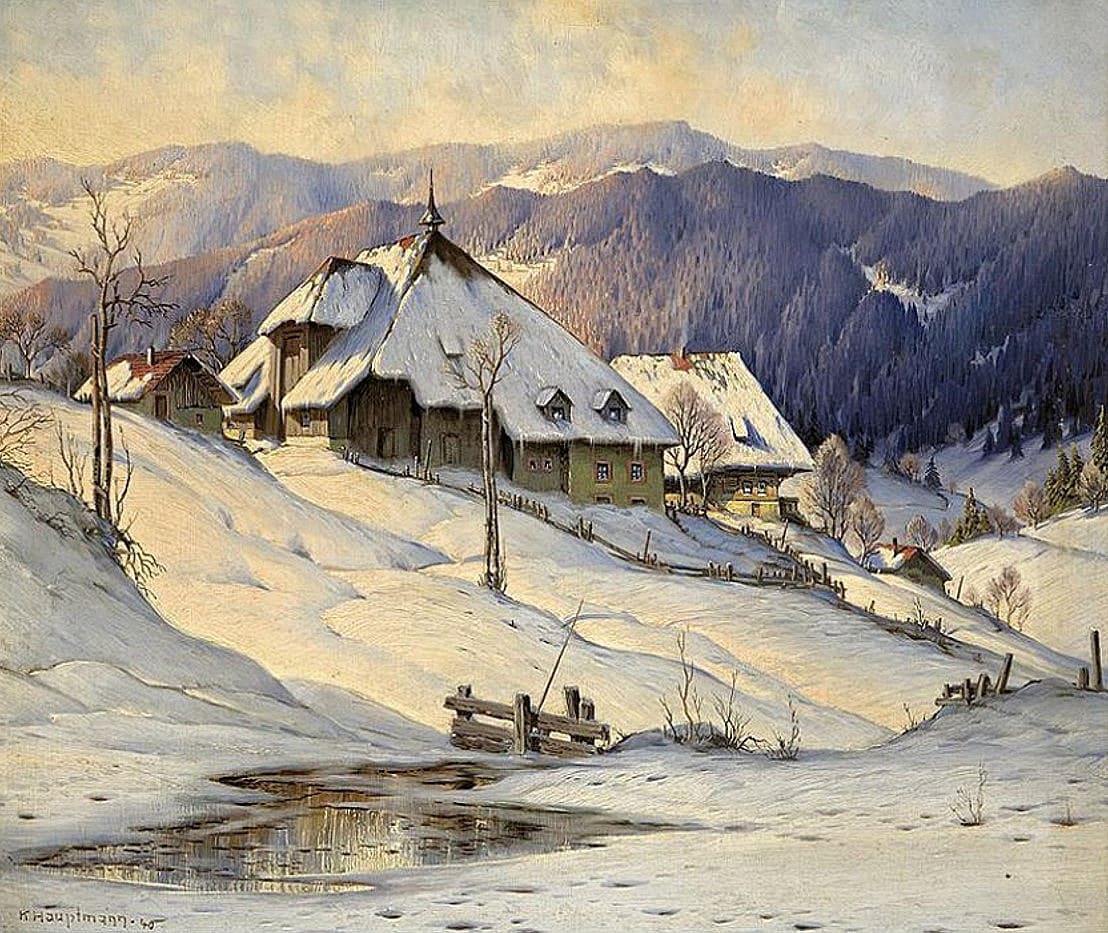
Karl Hauptmann was a German landscape painter who specialised in mountain views.