550 Items by auctions and galleries:
gifte
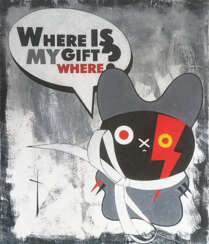

Где мой подарочек / Where Is My Gift
Marina Rusalka (b. 1972)  Shop Rusalka Marina
Marina Rusalka
01.12.1972
Ukraine
I live in the longest city in Europe, Krivoy Rog, Ukraine.
I work in several styles. My abstract paintings were written under the influence of Mark Rothko, Gerhard Richter.
The general style gravitates towards simplicity and minimalism.
There are favorite colors: gray, red, black, blue, green.
For people of the Soviet post-space, there is a mini series about hedgehogs in the fog, something native from the past.
There is also love of pop art, also a small series so far, but there is an over distinctive feature of the series, in addition to black and white, I use real sparkles that glisten effectively under bright light. This is pop culture after all! Must be catchy!
Artist shop
Rusalka Marina
Ukraine
Number of products: 32
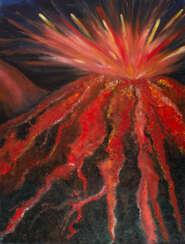

Volcano. Oil painting, original gift
Ekaterina Zhuchenko RedHeadKat (b. 1979)  Shop Zhuchenko RedHeadKat Ekaterina
Ekaterina Zhuchenko RedHeadKat
12.08.1979
Byelorussia
EN/RU
.
My name is Ekaterina Zhuchenko, creative pseudonym RedHeadKat.
I have been an artist from an early age. Dad's sketchbook was the greatest treasure. Then I had not dreamed of writing yet
oil. A large set of watercolors in a white plastic box was often secretly taken from the shelf for my
naive art. The thick squirrel brush gave an unforgettable tactile sensation.
But I was able to forget about it "becoming an adult".
I am grateful to the people who helped me return everything. At some point, I realized that I couldn’t stop it. The same set of watercolors, already replenished with new shades. It
became my frequent joy. And oil painting is my discovery and a way to restore connection with my family and father.
.
1996-1999: Minsk Technological College. Fashion designer with a course in painting and acaemic drawing, in-depth study of fashion illustration
2020 to the present day: studying painting in the Graphics studio, Minsk
2021 course of painting with a palette knife at the St. Petersburg School of Oil Painting
Меня зовут Жученко Екатерина, творческий псевдоним RedHeadKat
Я была художником с малых лет. Папин этюдник был самой большой сокровищницей, хоть я тогда и не мечтала писать маслом. Большой набор акварельных красок в белой пласт-
ковой коробке часто в тайне был взят с полки для моего наивного детского искусства, а толстая кисть-белка дарила незабываемые тактильные ощущения.
Но я смогла забыть об этом "став взрослой".
Я благодарна людям, которые помогли мне всё вернуть. В какой-то момент я поняла, что не писть я уже не смогу. Тот самый набор акварели, уже пополненный новыми оттенками, стал моей частой радостью. А живопись маслом — моим способом восстановления связи с родом и отцом.
.
.
.
Artist shop
Zhuchenko RedHeadKat Ekaterina
Byelorussia
Number of products: 21
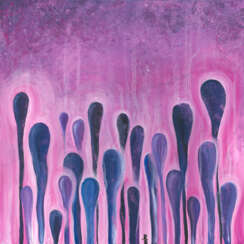

Other worlds. Acrylic original gift
Ekaterina Zhuchenko RedHeadKat (b. 1979)
Shop Zhuchenko RedHeadKat Ekaterina
Ekaterina Zhuchenko RedHeadKat
12.08.1979
Byelorussia
EN/RU
.
My name is Ekaterina Zhuchenko, creative pseudonym RedHeadKat.
I have been an artist from an early age. Dad's sketchbook was the greatest treasure. Then I had not dreamed of writing yet
oil. A large set of watercolors in a white plastic box was often secretly taken from the shelf for my
naive art. The thick squirrel brush gave an unforgettable tactile sensation.
But I was able to forget about it "becoming an adult".
I am grateful to the people who helped me return everything. At some point, I realized that I couldn’t stop it. The same set of watercolors, already replenished with new shades. It
became my frequent joy. And oil painting is my discovery and a way to restore connection with my family and father.
.
1996-1999: Minsk Technological College. Fashion designer with a course in painting and acaemic drawing, in-depth study of fashion illustration
2020 to the present day: studying painting in the Graphics studio, Minsk
2021 course of painting with a palette knife at the St. Petersburg School of Oil Painting
Меня зовут Жученко Екатерина, творческий псевдоним RedHeadKat
Я была художником с малых лет. Папин этюдник был самой большой сокровищницей, хоть я тогда и не мечтала писать маслом. Большой набор акварельных красок в белой пласт-
ковой коробке часто в тайне был взят с полки для моего наивного детского искусства, а толстая кисть-белка дарила незабываемые тактильные ощущения.
Но я смогла забыть об этом "став взрослой".
Я благодарна людям, которые помогли мне всё вернуть. В какой-то момент я поняла, что не писть я уже не смогу. Тот самый набор акварели, уже пополненный новыми оттенками, стал моей частой радостью. А живопись маслом — моим способом восстановления связи с родом и отцом.
.
.
.
Artist shop
Zhuchenko RedHeadKat Ekaterina
Byelorussia
Number of products: 21
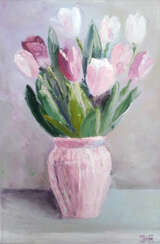

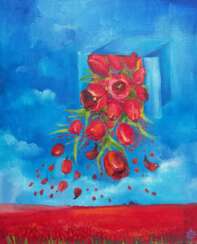
TULIPS. Original gift for her
Ekaterina Zhuchenko RedHeadKat (b. 1979)
Shop Zhuchenko RedHeadKat Ekaterina
Ekaterina Zhuchenko RedHeadKat
12.08.1979
Byelorussia
EN/RU
.
My name is Ekaterina Zhuchenko, creative pseudonym RedHeadKat.
I have been an artist from an early age. Dad's sketchbook was the greatest treasure. Then I had not dreamed of writing yet
oil. A large set of watercolors in a white plastic box was often secretly taken from the shelf for my
naive art. The thick squirrel brush gave an unforgettable tactile sensation.
But I was able to forget about it "becoming an adult".
I am grateful to the people who helped me return everything. At some point, I realized that I couldn’t stop it. The same set of watercolors, already replenished with new shades. It
became my frequent joy. And oil painting is my discovery and a way to restore connection with my family and father.
.
1996-1999: Minsk Technological College. Fashion designer with a course in painting and acaemic drawing, in-depth study of fashion illustration
2020 to the present day: studying painting in the Graphics studio, Minsk
2021 course of painting with a palette knife at the St. Petersburg School of Oil Painting
Меня зовут Жученко Екатерина, творческий псевдоним RedHeadKat
Я была художником с малых лет. Папин этюдник был самой большой сокровищницей, хоть я тогда и не мечтала писать маслом. Большой набор акварельных красок в белой пласт-
ковой коробке часто в тайне был взят с полки для моего наивного детского искусства, а толстая кисть-белка дарила незабываемые тактильные ощущения.
Но я смогла забыть об этом "став взрослой".
Я благодарна людям, которые помогли мне всё вернуть. В какой-то момент я поняла, что не писть я уже не смогу. Тот самый набор акварели, уже пополненный новыми оттенками, стал моей частой радостью. А живопись маслом — моим способом восстановления связи с родом и отцом.
.
.
.
Artist shop
Zhuchenko RedHeadKat Ekaterina
Byelorussia
Number of products: 21
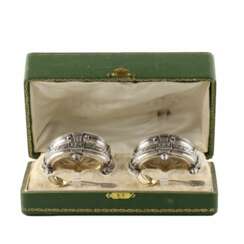



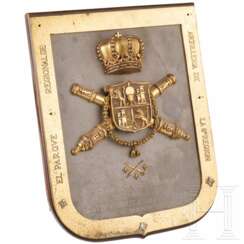


Дары неба /The gift of heaven
Asia Zhukova (b. 1991)  Shop Zhukova Asia
Asia Zhukova
31.10.1991
Ukraine
Родилась и выросла в городе Винница, где участвовала в множестве детских конкурсов и выставках. В 2007 году переехала в Одессу, училась в училище им. М.Б. Грекова о специальностью "Живопись" и затем в институте им. К.Д.Ушинского .
Участвую в выставках и конкурсах с 2013 года.
Роботы написаны на мифологические темы с использованием образов сказочных и мистических. Мотивами для работ служат мифы Древней Греции, Египта, а также кельтские и славянские легенды. Также присутсвуют сказочные и библейские персонажы.
Работы находятся в частных коллекциях Украины, России, Греции, Германии, Англии.
Artist shop
Zhukova Asia
Ukraine
Number of products: 62
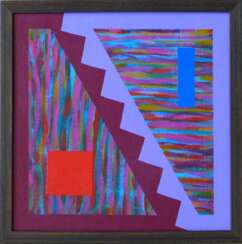

"THE GIFT"
Sergey Babkov (b. 1958)  Shop Babkov Sergey
Sergey Babkov
07.08.1958
Russia
На сайте www.peacevswar.info в разделе "О картине" есть информация о моем творчестве: http://www.peacevswar.info/about%20rus.htm
RUSSIAN NEOSUPREMATISM is the latest trend in contemporary art, founded by Sergey Babkov, Russian artist and innovator in the first half of the second decade of the XXI century.
RUSSIAN NEOSUPREMATISM is the superiority of meaning over form and color.
RUSSIAN NEOSUPREMATISM are thoughts, set on the flatness of a canvas.
RUSSIAN NEOSUPREMATISM is the philosophy of restoring the true mission of fine arts.
RUSSIAN NEOSUPREMATISM is the divine revelation sent down from above for the whole world.
See more: http://www.peacevswar.info/about%20eng.htm
Artist shop
Babkov Sergey
Russia
Number of products: 105
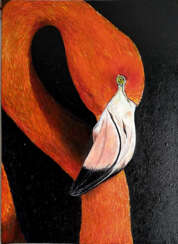

Flamingo painting on canvas Orange bird art Gift for bird lovers
Kristina Degtyareva (b. 1984)  Shop Degtyareva Kristina
Kristina Degtyareva
16.05.1984
Russia
Мне 36 лет. Закончила художественную школу. Писала картины всю жизнь как хобби. Что-то продавала. В последнее время сотрудничаю со студиями дизайна интерьеров и пишу интерьерные картины. Стала продавать работы в интернете и зарабатываю только своим творчеством.
Artist shop
Degtyareva Kristina
Russia
Number of products: 6


Bull (Buffalow Head Wall Mounted Indoor sculpture)
Pavel Zhukovsky (b. 1966)  Shop Zhukovsky Pavel
Pavel Zhukovsky
21.04.1966
Russia
Павел Жуковский. 1966 г. г. Москва.
Живу и работаю в России, г. Лыткарино. г. Москва.
Учеба: Ташкентское ювелирное училище 1984 г.
Ташкентский Архитектурный институт 1989 г.
Профессиональная деятельность с 1987 года.
Член «Союза дизайнеров Узбекистана» 1989 г.
Специализация:
скульптура, предметный дизайн,
малые архитектурные формы, архитектурный декор, живопись.
Имею опыт работы в ювелирном дизайне, разработка дизайна фурнитуры для отделки швейных изделий, обуви, изделий мебели.
Занимался промышленным дизайном, упаковкой.
В настоящее время творческая и профессиональная деятельность в основном связана с архитектурным декором, скульптурой и предметным дизайном.
Образы, окружающие в жизни, природе находят свое особое выражение в объемных, живописных и скульптурных работах. Идеи перерабатываются в объемные образы. Опыт работы даёт возможность воплощать эти идеи в материале так, как я это вижу и чувствую.
Предлагаю как готовые творческие работы, так и разработку особых проектов по пожеланиям заказчика, (скульптуры, ландшафтные объекты, часы, фонтаны и …) от разработки эскизов до конечного результата.
В скульптуре работаю по технологии: моделирование объекта в пластилине для последующего снятия формы.
Творческими приоритетами являются - создание нескучных удобных вещей и художественных работ, вызывающих у людей позитивные эмоции.
Выставки.
Выставки проходили в городах:
Ташкент. Коллективные выставки «Союз дизайнеров» 1989-1990 г.
Тольятти. Коллективные выставки творческого объединения «Пантеон» 1996-1998 г.
Жигулевск. Коллективные художественные выставки творческого объединения «Пантеон» 1997-1998 г.
Москва. Коллективная художественная выставка «Новый календарь» 2012г.
Artist shop
Zhukovsky Pavel
Russia
Number of products: 22




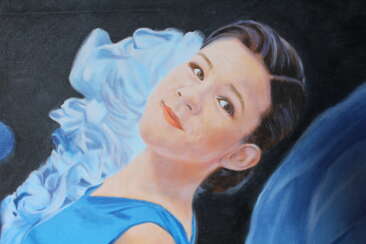



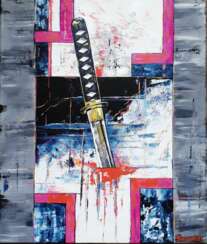



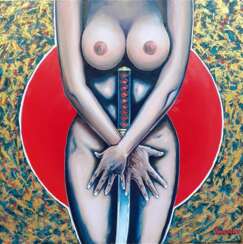



Vyacheslav IG (b. 1964)  Shop IG Vyacheslav
Vyacheslav IG
17.05.1964
Russia
I was born and live in Russia, in the city of Samara.
From time to time in different years of his life he drew pictures and cartoons. I have been doing oil painting since 1998. He painted pictures for several years. Then there was a break.
For the last few years I have been doing oil and acrylic paintings on canvas and hardboard. I like this activity. Many works have been sold and donated. So I decided to participate on the VIL site.
Я родился и живу в России, в городе Самара.
Время от времени? в разные годы жизни я рисовал картины и карикатуры. Занимаюсь масляной живописью с 1998 года. Несколько лет писал картины. Потом был перерыв.
Последние несколько лет я делаю картины маслом и акрилом на холсте и оргалите. Мне нравится это занятие. Многие работы были проданы и подарены. Поэтому я решил участвовать на сайте VIL
Artist shop
IG Vyacheslav
Russia
Number of products: 103
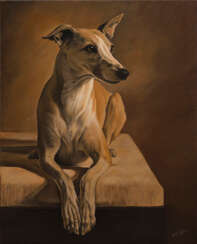

Oil painted Whippet
Olga Tsvetkova (b. 1977)  Shop Tsvetkova Olga
Olga Tsvetkova
16.05.1977
Lithuania
I allways loved drawing and painting. But different circumstances interrupted me from creating art for a long time. And last years I've got the time and opportunity to do what I love best. I love wachting nature and animals, especially dogs. I like to watch them, analyze, reveal the character and mood, and then try to reflect this all in my pictures. I'm fond of drawing with pastels on paper and painting with oils on canvas. These techniques help me express emotions, shape, character of the animal through the color. I was born in Moscow, Russia, but now I'm living in Lithuania. I would like to sell my works because I want to show my works different tipes of people in different countries. All my friends, relatives and neirbours have already seen my works, most of them bought it. I'm ready to move on.
Artist shop
Tsvetkova Olga
Lithuania
Number of products: 4


Dog Doberman
Ludmila Riabkova (b. 1973) 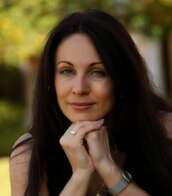 Shop Riabkova Ludmila
Ludmila Riabkova
14.02.1973
Ukraine
I`m Lyudmila Ryabkova. I was born in 1973 in Kiev, Ukraine.
I graduated technical college and got second higher economic education. I studied at the privat art studio of Ukrainian professional artist. My works find feedback from people, they are bought, it inspires me very much. My workshop is equipped right in my house and it makes possible to work every day. This is the most beautiful thing that happens to me.
Artist shop
Riabkova Ludmila
Ukraine
Number of products: 27


«Дар Жизни» Цикл «Мы Есть»
Elena Smal (b. 1970) 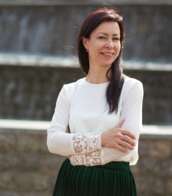 Shop Smal Elena
Elena Smal
19.11.1970
Ukraine
Живу и работаю в Киеве, Украина.
Что для меня искусство? – Это моя вторая жизнь!
Кто мой учитель? – Природа!
Что меня вдохновляет? – Музыка!
Что я хочу передать миру через мои картины? – Любовь, гармонию, добро, познание Истины, счастье созидания!
Моя любимая картина? – «Пути Познания». Она, кстати, заняла первое место в ХІV International Exhibition & Competition of Contemporary Arts Ukrainian Art Week.
Artist shop
Smal Elena
Ukraine
Number of products: 38