


lübeck

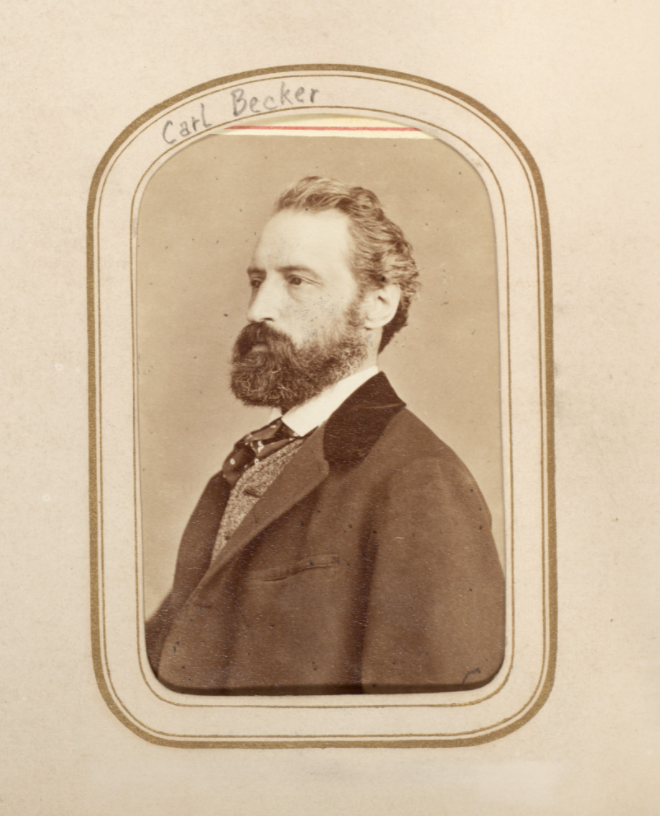
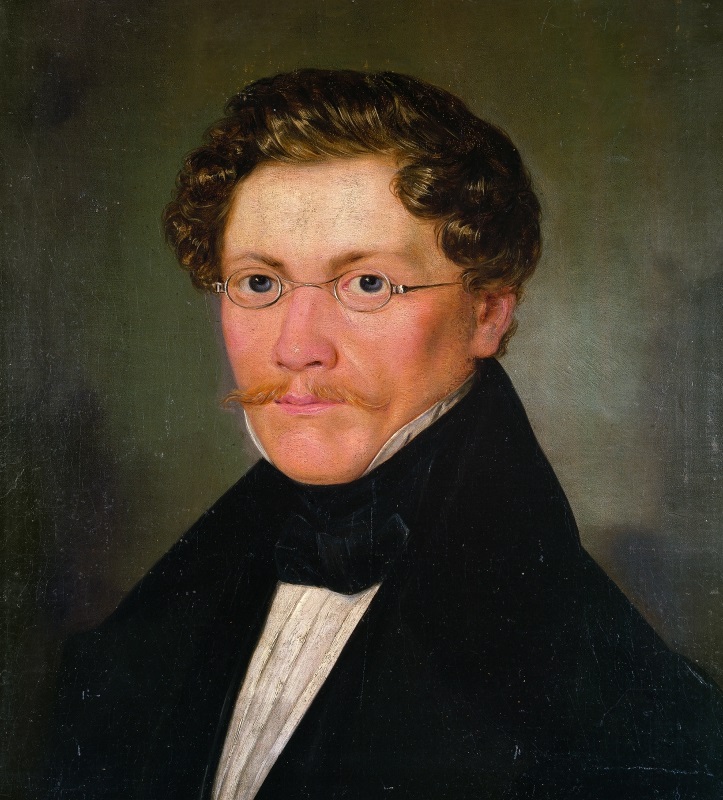
Carl Emil Rudolf Ludwig Becker was a German marine artist.
He was awarded gold medals at the International Art Exhibition of 1894, in Vienna, and the Große Berliner Kunstausstellung of 1896. Three years later, he was one of the co-founders of the Düsseldorfer Künstler-Vereinigung (artists' association). After the turn of the century, marine painting was heavily promoted by Kaiser Wilhelm II, who was attempting to make Germany a major sea power. As a result, the demand for Becker's paintings increased farther inland.


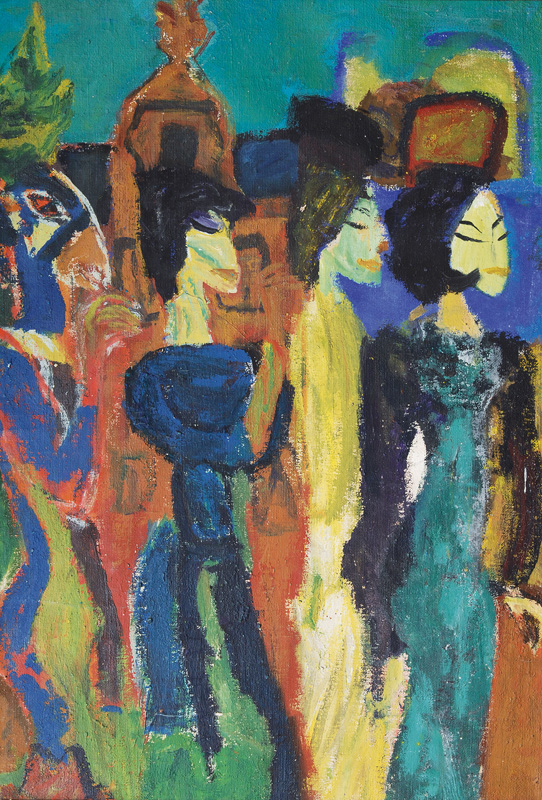
Max Beckmann, a German painter, printmaker, sculptor, and writer, stood out in the early 20th century for his profound contributions to modern art. Beckmann's career spanned a tumultuous period in history, deeply influencing his thematic and stylistic choices. Unlike many of his contemporaries who embraced non-representational painting, Max Beckmann persisted with and evolved the tradition of figurative painting, drawing inspiration from a wide array of artists spanning from Cézanne and Van Gogh to medieval masters like Bosch and Bruegel.
Max Beckmann's experiences, particularly those related to the World Wars, significantly shaped his work. Following Adolf Hitler's rise to power and the subsequent condemnation of modern art as "degenerate," Beckmann fled Germany, spending a decade in self-imposed exile in Amsterdam before eventually relocating to the United States. His art from this period, especially his large triptychs, is considered some of his most potent, offering a stark reflection on humanity and the chaos of the times.
One of Max Beckmann's most personally allegorical works, "Beginning" (1949), encapsulates his knack for blending real and imagined elements from his life to comment on the broader human condition. This piece, alongside others, underscores Beckmann's enduring fascination with the existential struggles modern society faces, teetering between desire and societal roles.
Max Beckmann's legacy is cemented not just by his unique approach to modernism but also by his influence on subsequent generations of artists, particularly in the United States, where he spent his final years teaching and working. Despite a path that often diverged from the mainstream narratives of art history, Beckmann's work continues to resonate, housed in prestigious institutions like The Museum of Modern Art and The Metropolitan Museum of Art in New York.
For collectors and experts in art and antiques, Max Beckmann's oeuvre offers a compelling exploration of 20th-century art and history. To stay informed about new discoveries, sales, and auction events related to Max Beckmann, consider signing up for updates. This subscription ensures access to the latest opportunities to engage with the work of one of modernism's most individual voices.


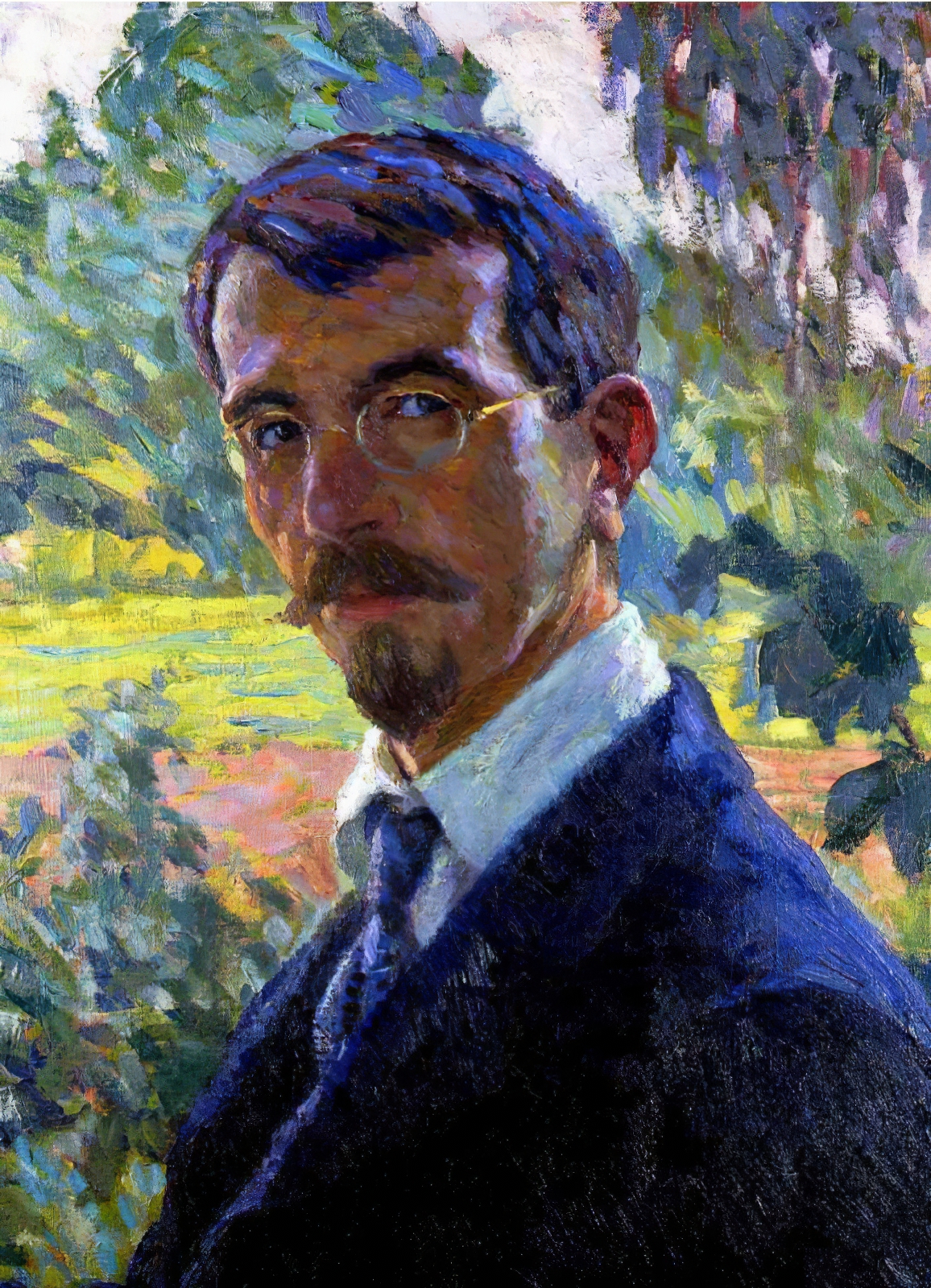
Wilhelm Heinrich Ernst Eitner was a German painter of the late nineteenth and first half of the twentieth centuries. He is known as an impressionist painter and teacher.
Eitner produced portraits, landscapes, and woodcuts in a style reminiscent of Japanese art. Despite initial rejection in German society of his impressionist style of painting, over the years he gained recognition and even the title "Claude Monet of the North." Eitner was a member of numerous art associations. His works are preserved in the Hamburg Kunsthalle.


Wilhelm Heinrich Ernst Eitner was a German painter of the late nineteenth and first half of the twentieth centuries. He is known as an impressionist painter and teacher.
Eitner produced portraits, landscapes, and woodcuts in a style reminiscent of Japanese art. Despite initial rejection in German society of his impressionist style of painting, over the years he gained recognition and even the title "Claude Monet of the North." Eitner was a member of numerous art associations. His works are preserved in the Hamburg Kunsthalle.


Wilhelm Heinrich Ernst Eitner was a German painter of the late nineteenth and first half of the twentieth centuries. He is known as an impressionist painter and teacher.
Eitner produced portraits, landscapes, and woodcuts in a style reminiscent of Japanese art. Despite initial rejection in German society of his impressionist style of painting, over the years he gained recognition and even the title "Claude Monet of the North." Eitner was a member of numerous art associations. His works are preserved in the Hamburg Kunsthalle.


Wilhelm Heinrich Ernst Eitner was a German painter of the late nineteenth and first half of the twentieth centuries. He is known as an impressionist painter and teacher.
Eitner produced portraits, landscapes, and woodcuts in a style reminiscent of Japanese art. Despite initial rejection in German society of his impressionist style of painting, over the years he gained recognition and even the title "Claude Monet of the North." Eitner was a member of numerous art associations. His works are preserved in the Hamburg Kunsthalle.


Wilhelm Heinrich Ernst Eitner was a German painter of the late nineteenth and first half of the twentieth centuries. He is known as an impressionist painter and teacher.
Eitner produced portraits, landscapes, and woodcuts in a style reminiscent of Japanese art. Despite initial rejection in German society of his impressionist style of painting, over the years he gained recognition and even the title "Claude Monet of the North." Eitner was a member of numerous art associations. His works are preserved in the Hamburg Kunsthalle.


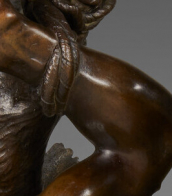
Albert Hinrich Hussmann was a distinguished German artist and sculptor renowned for his specialization in horse and rider statues. Educated at the Academy of Fine Arts in Berlin, Hussmann's artistic contributions were prominently featured in the Great Berlin Art Exhibition, showcasing his profound skill and dedication to his craft.
Throughout his career, Hussmann was celebrated for his dynamic portrayal of equestrian subjects, capturing the grace and power of horses with remarkable precision and emotion. His work with the Bavarian porcelain company Rosenthal from 1909 to 1943, further solidifies his legacy, highlighting his versatility and influence in both sculpture and fine arts. His artistic journey concluded with his passing on November 15, 1946, in Lüdingworth, Germany, leaving behind a legacy celebrated in various collections and exhibitions.
For collectors and experts in art and antiques, Hussmann's sculptures embody the pinnacle of equestrian art, offering a glimpse into the artist's profound admiration and understanding of his subjects. His pieces remain a testament to his skill, capturing the essence of movement and the nobility of the horse with each sculpture.
To stay informed about exhibitions, sales, and auction events related to Albert Hinrich Hussmann's work, signing up for dedicated updates is advisable. This ensures access to the latest information and opportunities to appreciate the enduring artistry of one of Germany's celebrated sculptors.