22 Items by auctions and galleries:
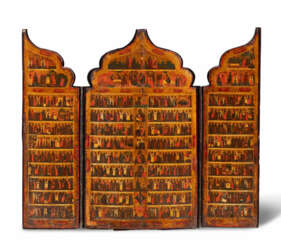
leben christi






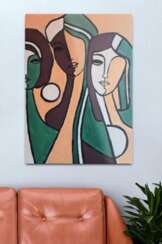

Die drei Schwestern
Christine Jost (b. 1963) 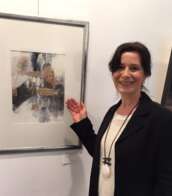 Shop Jost Christine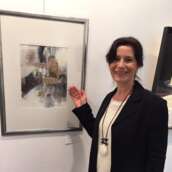
Christine Jost
08.08.1963
Germany
Ich bin bildende Künstlerin und Mitgründerin der Kunstakademie Rheinland e. V
Mitgliedschaften:
Künstlerbund Rheinland
Künstlergruppe Pellenz
Kunstakademie Rheinland e. V.
Ausstellungen Ausstellungsbeteiligung bei o.g.
Künstlergruppen im In- und Ausland, z. B. in Antwerpen, Bonn, Andernach, Koblenz,
St.-Amand-les-Eaux, Farnham
Europäische Vereinigung Bildender Künstler (EVBK), Prüm
Werke befinden sich im öffentlichen und privaten Besitz.
Meine Bilder sind keine Abbildungen bestimmter Dinge, sondern selbständige, aus der Fantasie beflügelte Linien, Collagen, Flächen und Farben.
Künstlerische Freiheit ist eine persönliche Voraussetzung, gebunden mit der Beherrschung des Handwerks sowie harte Arbeitsdisziplin und Lenkung der Fantasie durch die Formkraft des Geistes.
Artist shop
Jost Christine
Germany
Number of products: 4


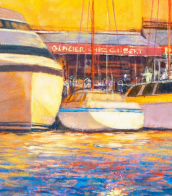
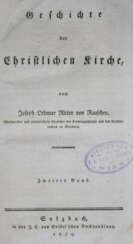



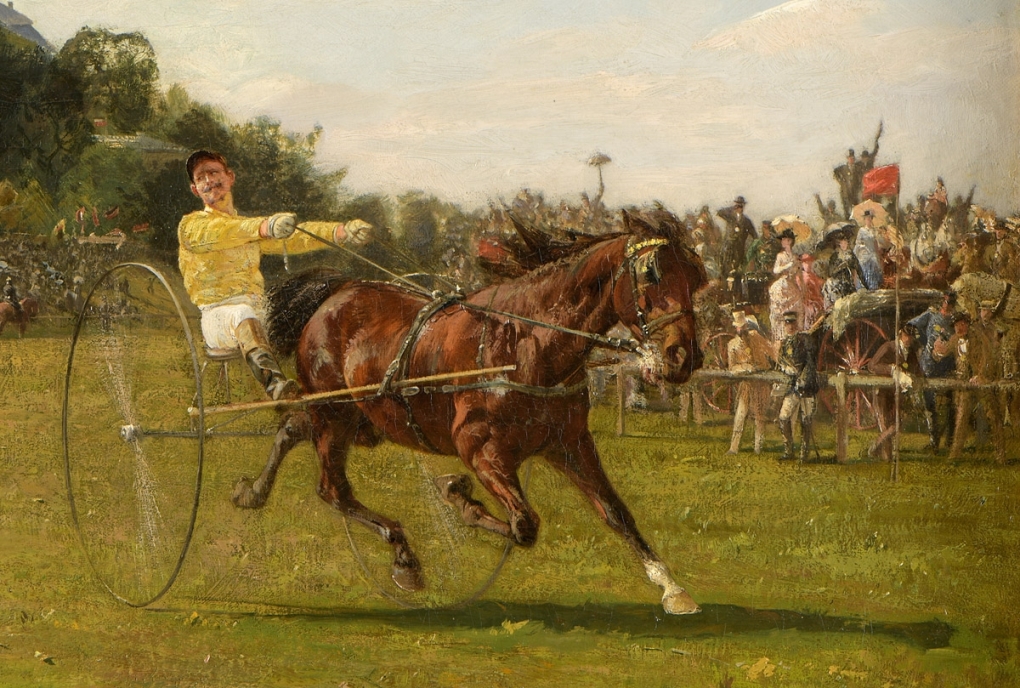
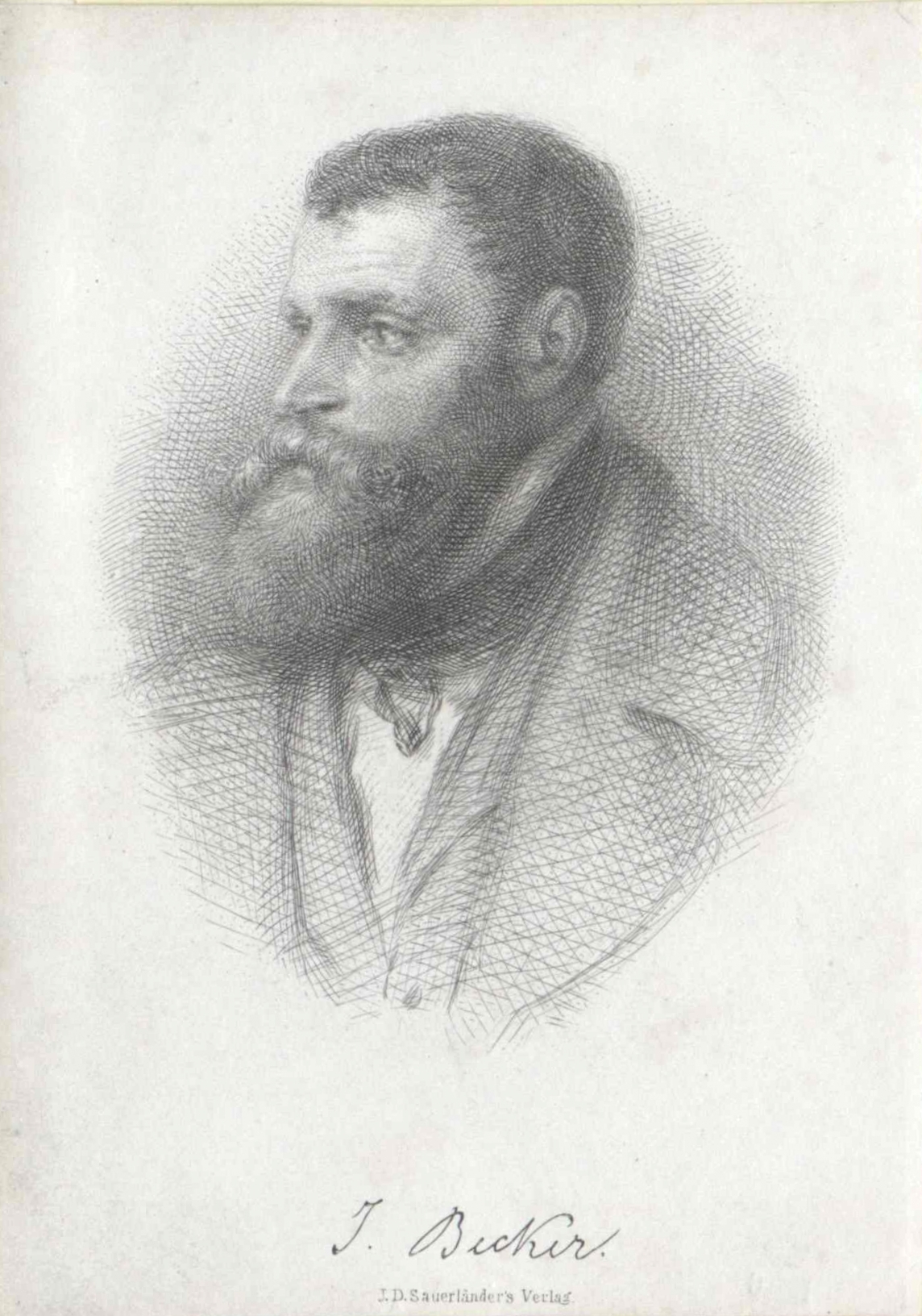
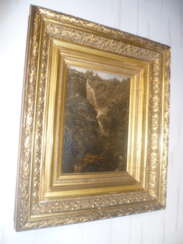
Jacob Becker 1810-1872 Painting / Öl
Carl Spitzweg (1808 - 1885) 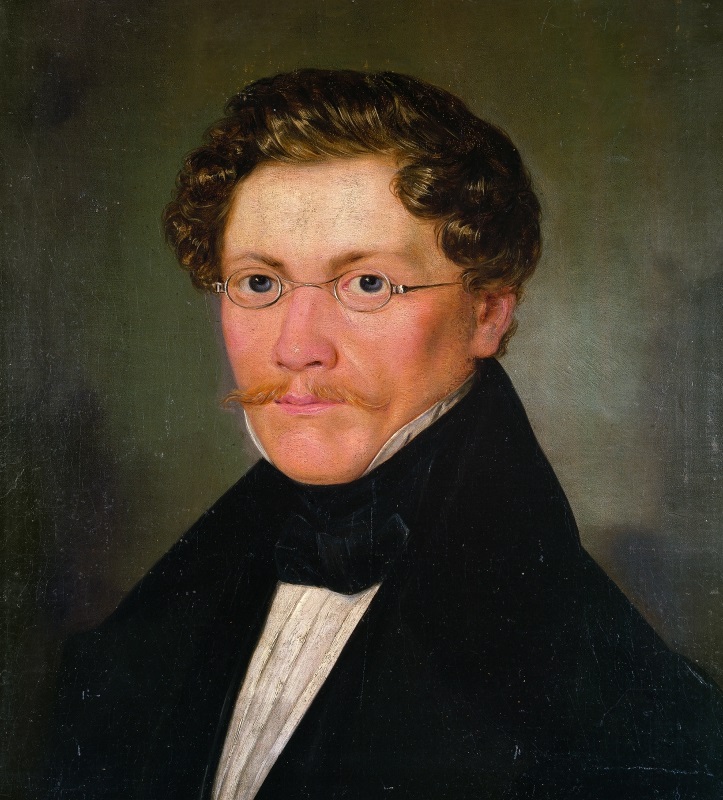 Jakob Becker (1810 - 1872)
  Shop Artkunst24
Carl Spitzweg
05.02.1808 - 23.09.1885
Germany
Carl Spitzweg was a German romanticist painter, especially of genre subjects. He is considered to be one of the most important artists of the Biedermeier era.
Jakob Becker
15.03.1810 - 22.12.1872
Germany
Shop
Artkunst24
Germany
Number of products: 139














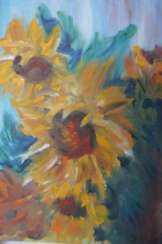

Not Van Gogh
Christina Elzateeva (b. 1992)  Shop Elzateeva Christina
Christina Elzateeva
18.08.1992
Russia
Независимый художник, член Visual Artist Association (Лондон)
Участник выставок в галереях: Pepney Gallery (Ирландия), The Holy Art (Лондон), Art Gallery Every Day и Формат(Москва)
Лауреат премии "Новый имена" (Москва) и "Dali's Moustache" (Испания)
Работает в стиле: абстракционизма, модернизма и концептуализма.
Artist shop
Elzateeva Christina
Russia
Number of products: 5
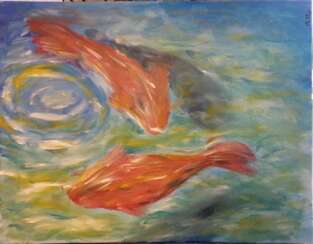

Zen in love
Christina Elzateeva (b. 1992)
Shop Elzateeva Christina
Christina Elzateeva
18.08.1992
Russia
Независимый художник, член Visual Artist Association (Лондон)
Участник выставок в галереях: Pepney Gallery (Ирландия), The Holy Art (Лондон), Art Gallery Every Day и Формат(Москва)
Лауреат премии "Новый имена" (Москва) и "Dali's Moustache" (Испания)
Работает в стиле: абстракционизма, модернизма и концептуализма.
Artist shop
Elzateeva Christina
Russia
Number of products: 5