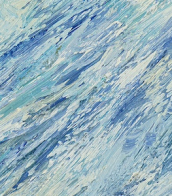
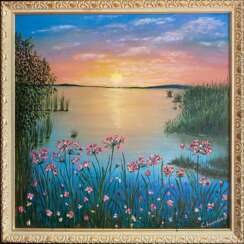
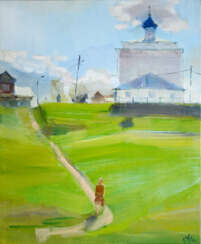
leinwand auf karton


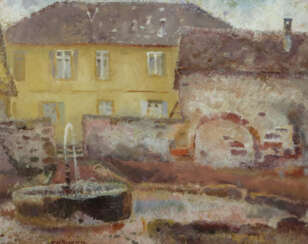



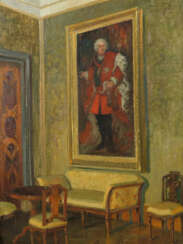

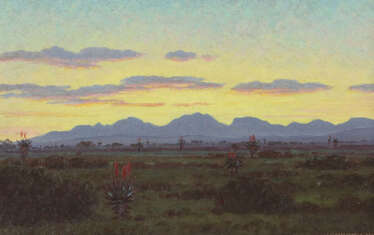







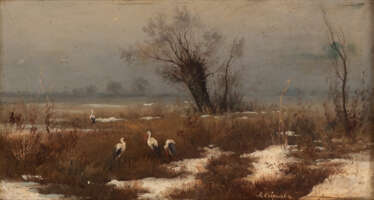




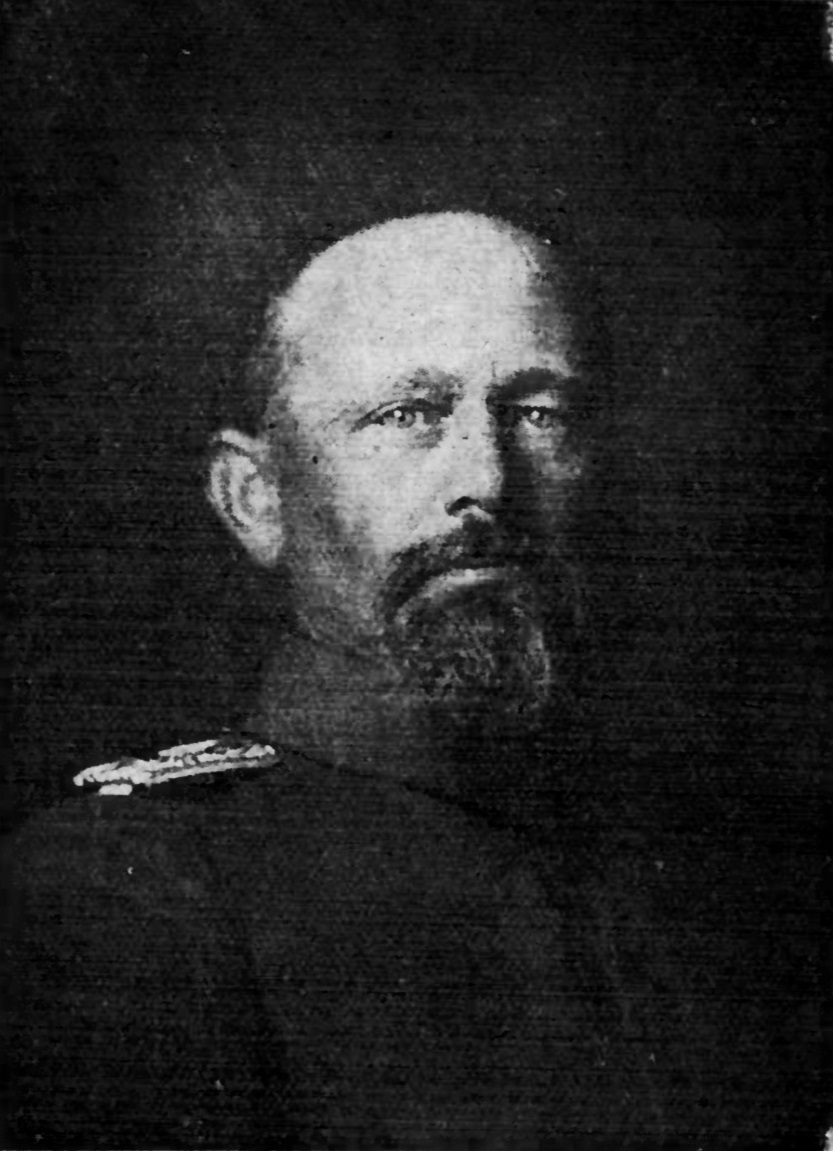
Hans am Ende was a German Impressionist painter.
In 1889 he co-founded the artists' colony in Worpswede with Fritz Overbeck, Otto Modersohn, and Heinrich Vogeler. In 1895 this group exhibited in the Kunsthalle Bremen and at the Glaspalast in Munich, which brought them national recognition. In 1900 the poet Rainer Maria Rilke travelled to Worpswede and befriended the artist's colony, eventually writing essays about each of its members.
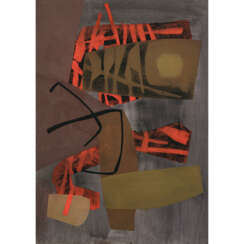

Fritz Winter was a German painter of the postwar period best known for his abstract works in the Art Informel style.


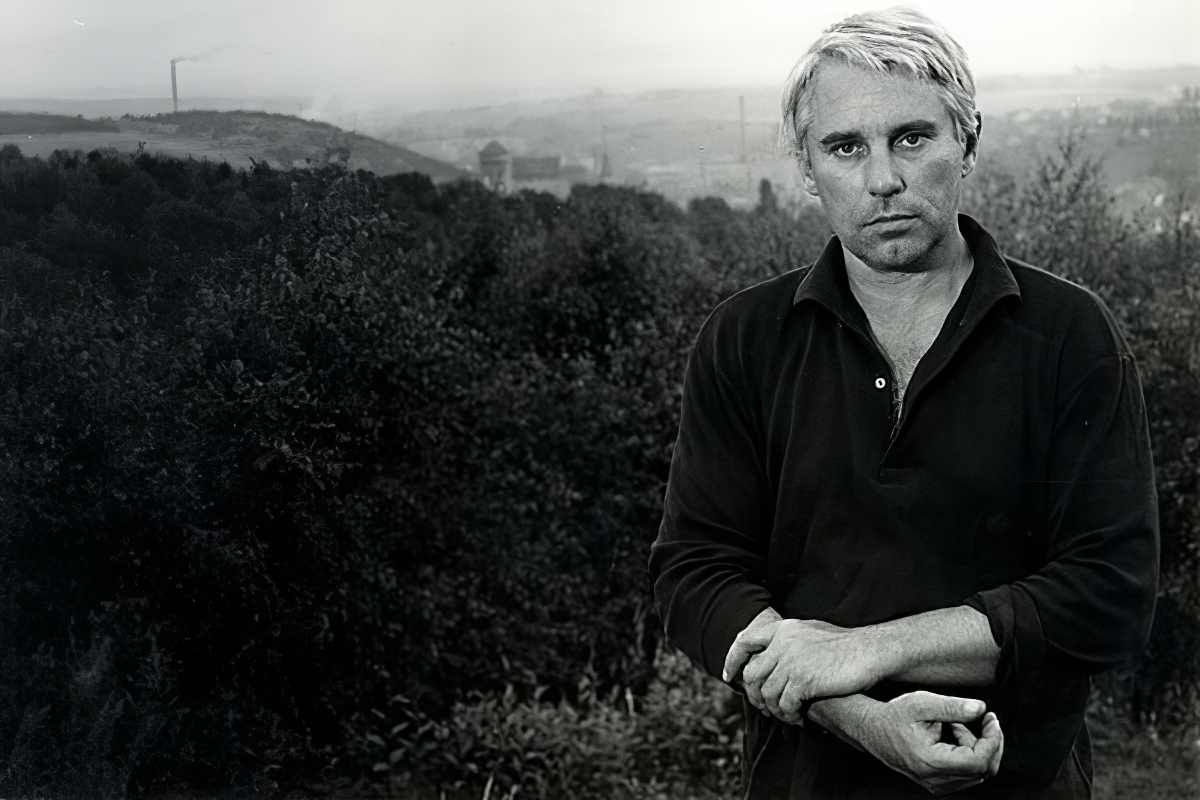
Karl Fred Dahmen is a German artist, one of the most important representatives of German post-war art and the Informel movement. In 1967 he took up the post of Professor of Fine Arts at the Munich Academy.
He painted expressive abstract pictures with a tectonic structure, and since the mid-1950s, relief paintings and collages on the damage to the local landscape caused by open-pit mining. Later in Dahmen's oeuvre, glazed object boxes appear, recounting the impressions of his daily working life.



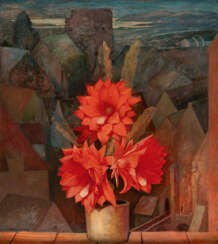

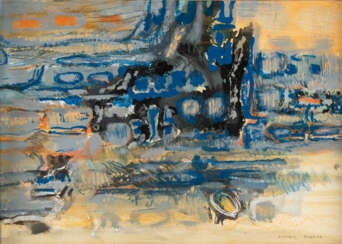

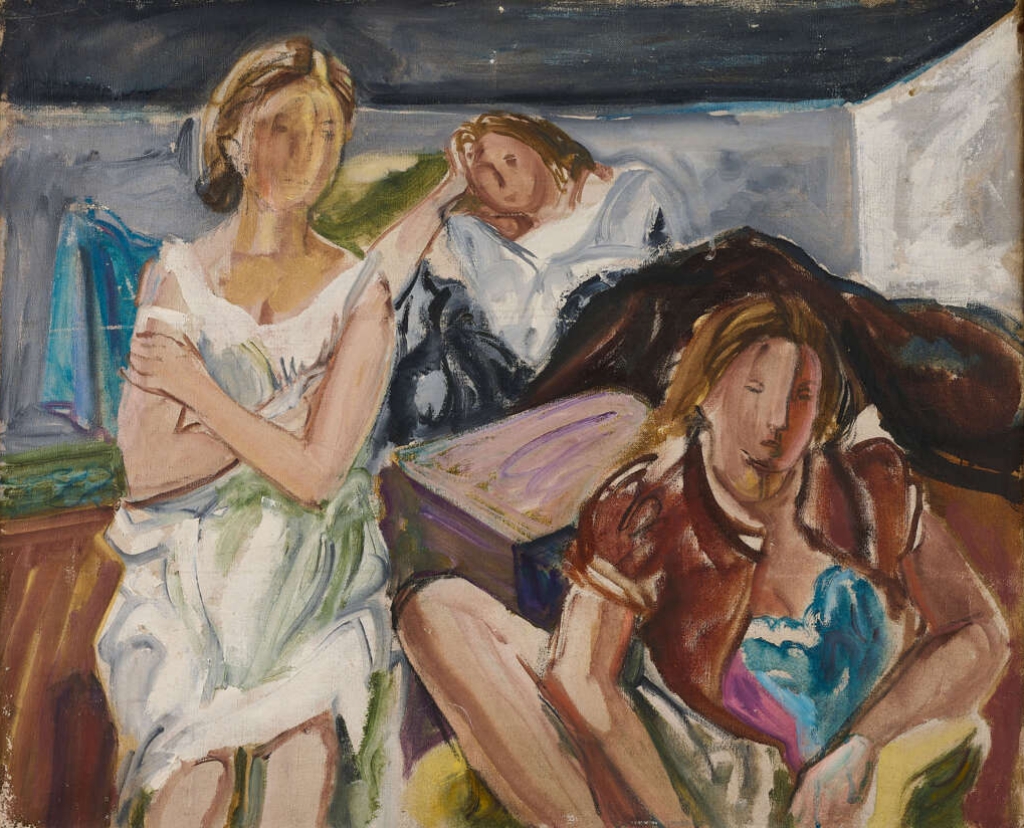
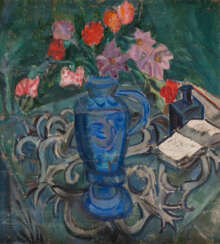
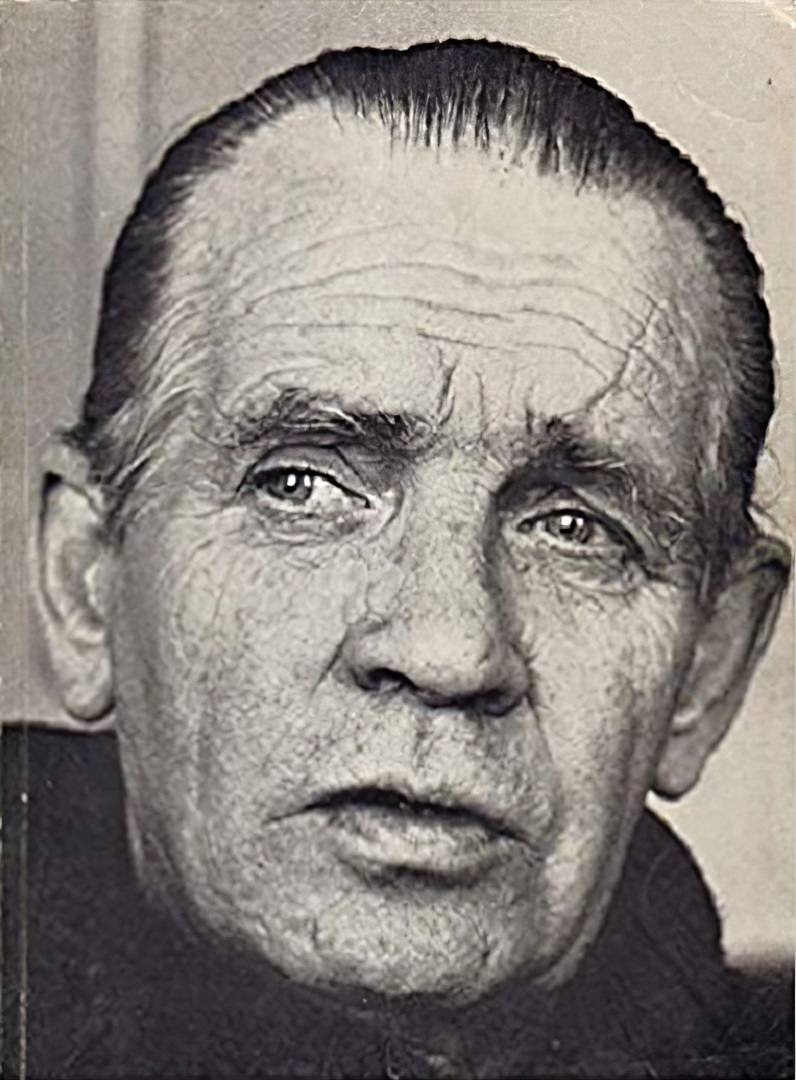
Conrad Westpfahl was a German painter. He was associated with the Expressionist movement in Germany, and his paintings often depicted the landscapes and people of rural Bavaria.
Westpfahl studied at the Academy of Fine Arts in Berlin and later became a professor at the School of Arts and Crafts in Würzburg. He was a member of the Berlin Secession, an association of artists who broke away from the traditional academic art world in the early 20th century.
Westpfahl's style was characterized by bold colors, thick brushstrokes, and a sense of emotional intensity. Later he moved on to more abstract painting.
Today, Westpfahl's paintings are held in collections around the world, including the National Gallery in Berlin and the Museum of Modern Art in New York.