

literature: art






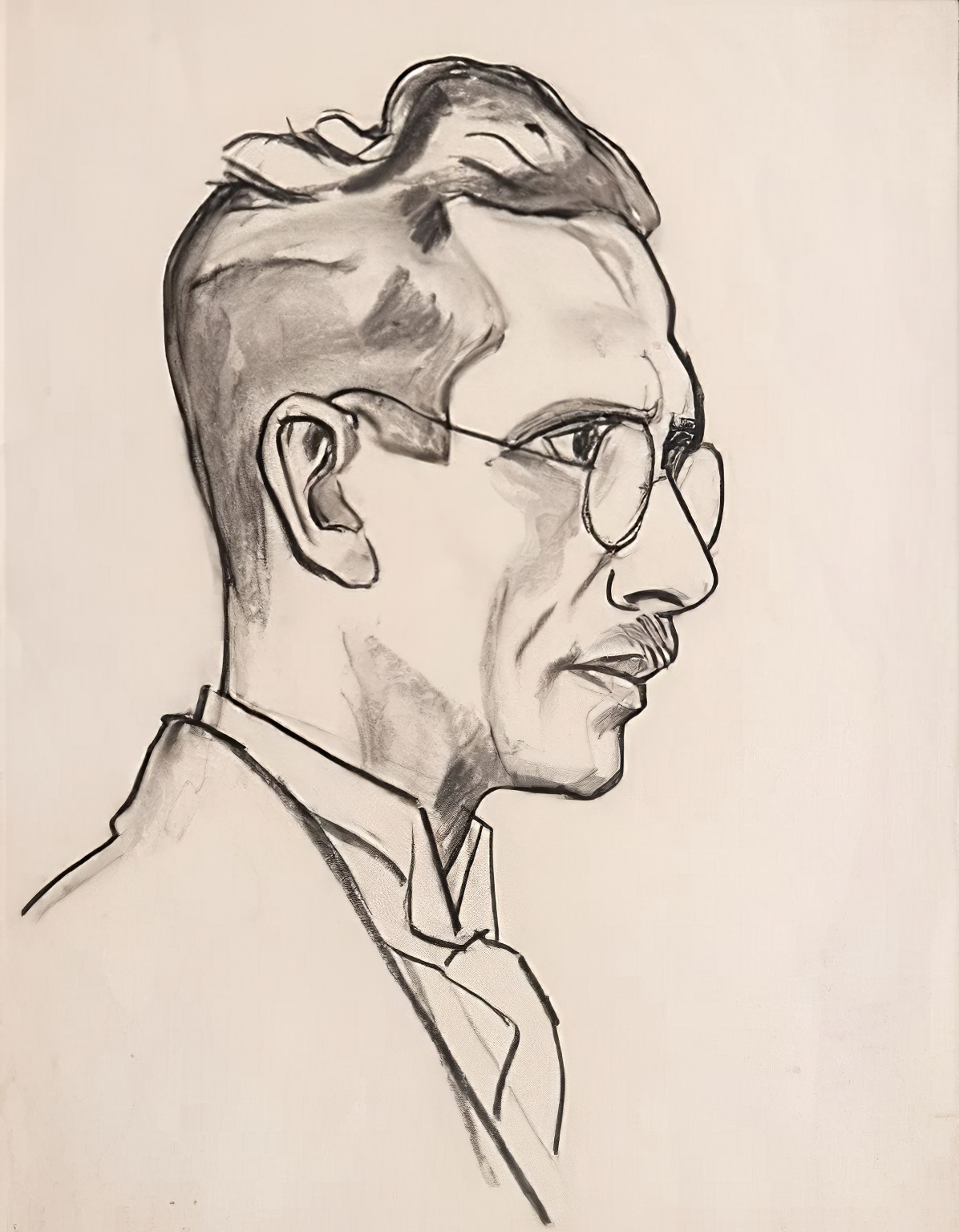
Erich Hartmann was a German modernist and expressionist painter.




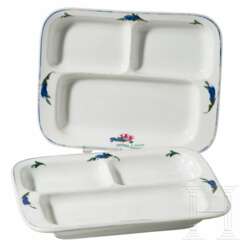





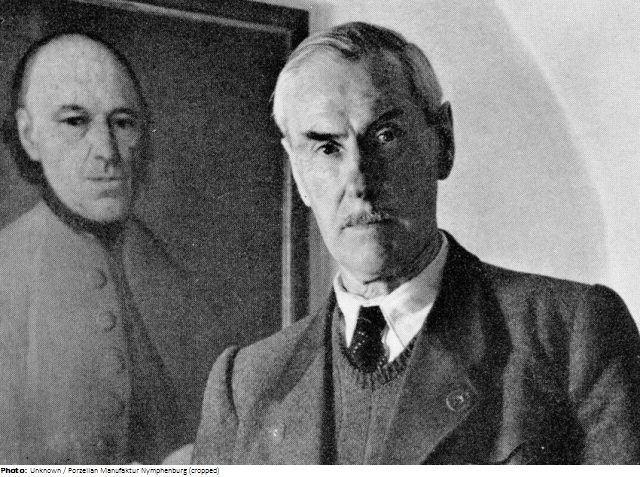
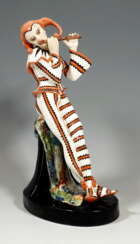
Josef Wackerle was a German sculptor. Educated in Munich, he became the artistic director of the Nymphenburg Porcelain Manufactory at a young age. Wackerle's influence extended beyond porcelain, as he contributed significantly to public art and architecture, particularly in his hometown. His works include various monuments, sculptures, and reliefs that demonstrate his commitment to integrating art within public spaces and everyday life.
Josef Wackerle's talent was recognized internationally, and his sculptures played a part in the art competitions at the 1928 and 1932 Summer Olympics. Despite the complex historical context in which he worked, including the Nazi era, Wackerle continued to receive commissions after World War II, demonstrating his art's enduring appeal. He contributed to the architectural and cultural fabric of Garmisch-Partenkirchen through numerous public artworks, including fountains, monuments, and building decorations.
For collectors and art experts, Josef Wackerle's work represents a blend of technical skill and a deep connection to Bavarian cultural identity. His contributions to porcelain art, particularly with Nymphenburg, highlight his versatility and innovation in working with various mediums.
If you're interested in staying updated on Josef Wackerle's works, particularly in the context of auctions and new discoveries, consider signing up for updates. This subscription will ensure you're informed about new sales and auction events related to Wackerle's art, providing valuable insights for collectors and enthusiasts alike.


Josef Wackerle was a German sculptor. Educated in Munich, he became the artistic director of the Nymphenburg Porcelain Manufactory at a young age. Wackerle's influence extended beyond porcelain, as he contributed significantly to public art and architecture, particularly in his hometown. His works include various monuments, sculptures, and reliefs that demonstrate his commitment to integrating art within public spaces and everyday life.
Josef Wackerle's talent was recognized internationally, and his sculptures played a part in the art competitions at the 1928 and 1932 Summer Olympics. Despite the complex historical context in which he worked, including the Nazi era, Wackerle continued to receive commissions after World War II, demonstrating his art's enduring appeal. He contributed to the architectural and cultural fabric of Garmisch-Partenkirchen through numerous public artworks, including fountains, monuments, and building decorations.
For collectors and art experts, Josef Wackerle's work represents a blend of technical skill and a deep connection to Bavarian cultural identity. His contributions to porcelain art, particularly with Nymphenburg, highlight his versatility and innovation in working with various mediums.
If you're interested in staying updated on Josef Wackerle's works, particularly in the context of auctions and new discoveries, consider signing up for updates. This subscription will ensure you're informed about new sales and auction events related to Wackerle's art, providing valuable insights for collectors and enthusiasts alike.






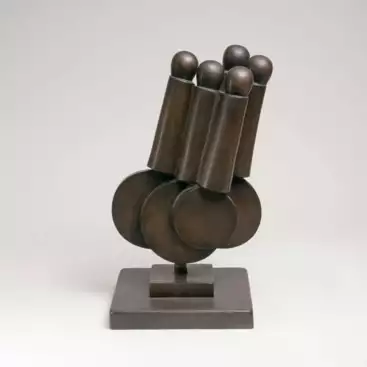
Georg Engst was a German sculptor.
Engst preferred to work in wood, stone and bronze, but also in aluminium, concrete and glass. Much of his artistic work from the mid-1950s onwards is abstract-geometric in character, initially in the form of inlaid panels and inlaid walls made of wood, for example for a commission for the conference room of the Regional Church Office in Hanover in 1957.




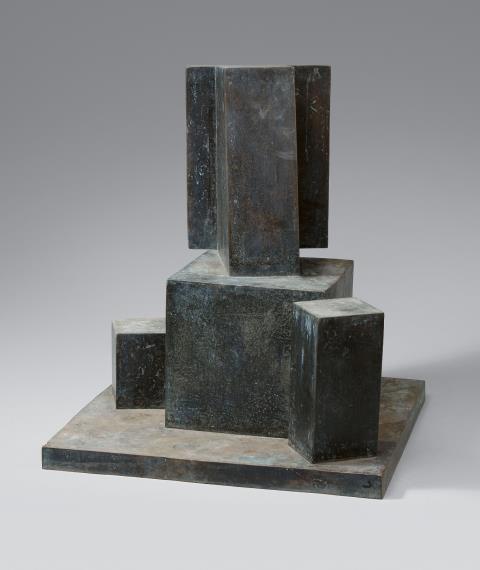
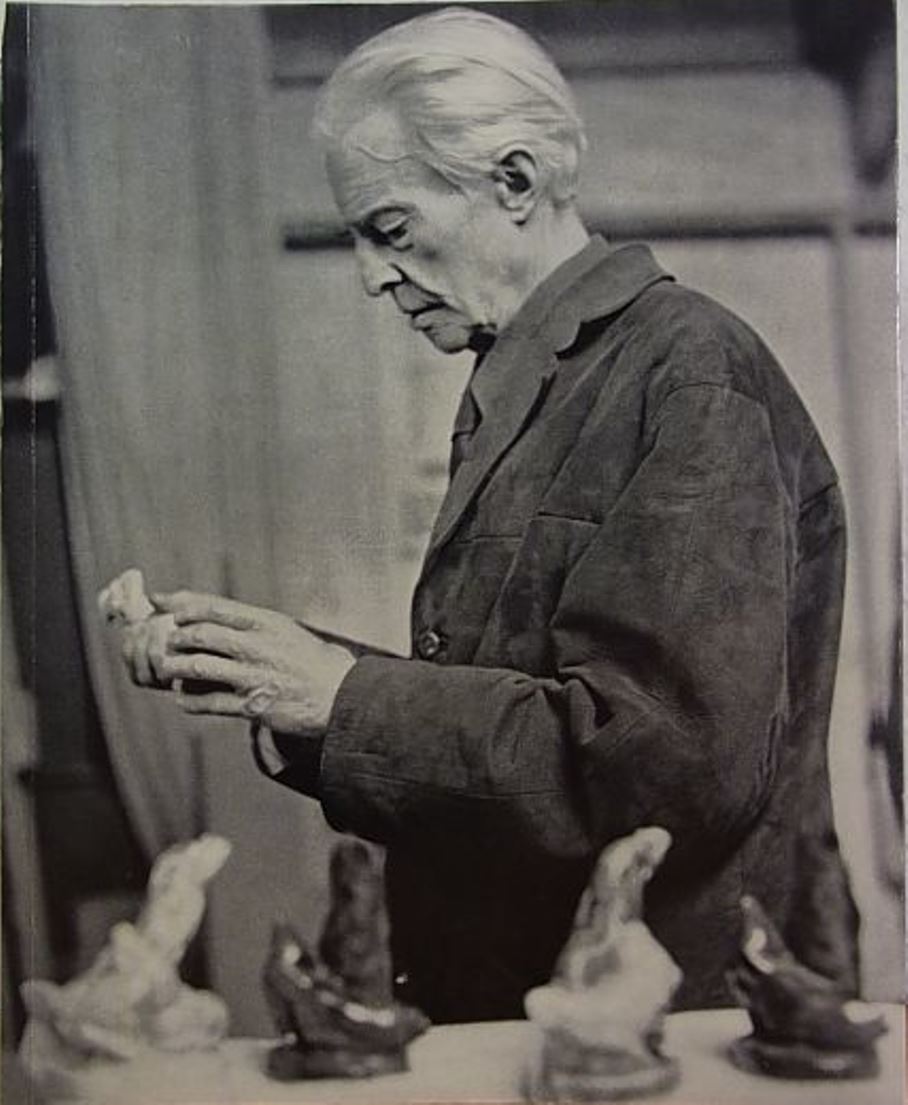
Anton Hiller was a Bavarian sculptor and painter. He grew up in a Catholic farming family in Sigmaringendorf, Hohenzollern. Hiller then studied sculpture at the Academy of Fine Arts Munich under Hermann Hahn (1868–1945), graduating in 1923 and worked later as a freelance sculptor in Munich from 1923, executing commissions for the Bavarian State Gallery and the Municipal Gallery.
From 1946 to 1961, Hiller served as a professor of sculpture at the Academy of Fine Arts Munich, becoming one of the leading representatives of the Munich School of Sculpture in the third quarter of the 20th century. Hiller was a member of the German Artists' Association from 1952 to 1960.

