

15568 Items by auctions and galleries:
müller







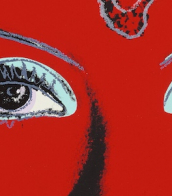


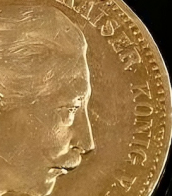


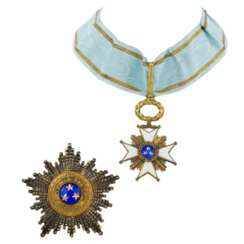



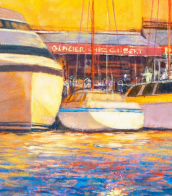






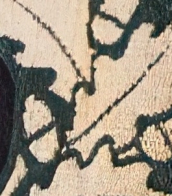








Lot 502 Erich Heckel .Zwei Sitzende am Strand (Zwei sitzende Mädchen am Strand /Zwei Sitzende). 1923
A420: Alte Kunst, Moderne und Contempopary Art, Schmuck 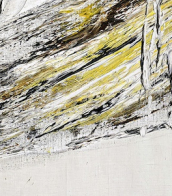
Kunstauktionshaus Neumeister
A420: Alte Kunst, Moderne und Contempopary Art, Schmuck
Date: 25.03.2026 14:00 UTC +02:00
Number of lots in the catalog: 461





Lot 466 Anton Hiller .Standing Male Figure. 1968
Anton Hiller (1893 - 1985) 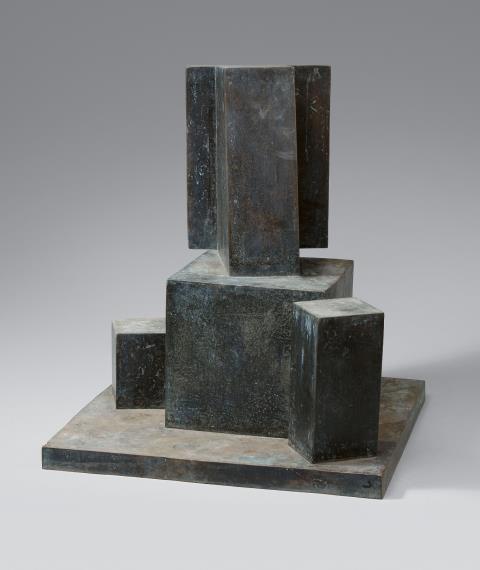 A420: Alte Kunst, Moderne und Contempopary Art, Schmuck
Anton Hiller
07.01.1893 - 20.04.1985
Germany
Anton Hiller was a Bavarian sculptor and painter. He grew up in a Catholic farming family in Sigmaringendorf, Hohenzollern. Hiller then studied sculpture at the Academy of Fine Arts Munich under Hermann Hahn (1868–1945), graduating in 1923 and worked later as a freelance sculptor in Munich from 1923, executing commissions for the Bavarian State Gallery and the Municipal Gallery.
From 1946 to 1961, Hiller served as a professor of sculpture at the Academy of Fine Arts Munich, becoming one of the leading representatives of the Munich School of Sculpture in the third quarter of the 20th century. Hiller was a member of the German Artists' Association from 1952 to 1960.
Kunstauktionshaus Neumeister
A420: Alte Kunst, Moderne und Contempopary Art, Schmuck
Date: 25.03.2026 14:00 UTC +02:00
Number of lots in the catalog: 461