44170 Items by auctions and galleries:
men
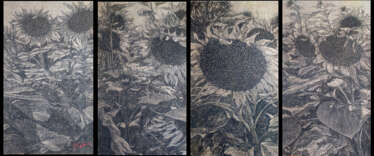








Lot 534 Clemens Pasch (Sevelen 1910 - Düsseldorf 1985). Mädchen, angelehnt an Stange.
Clemens Pasch (1910 - 1985) 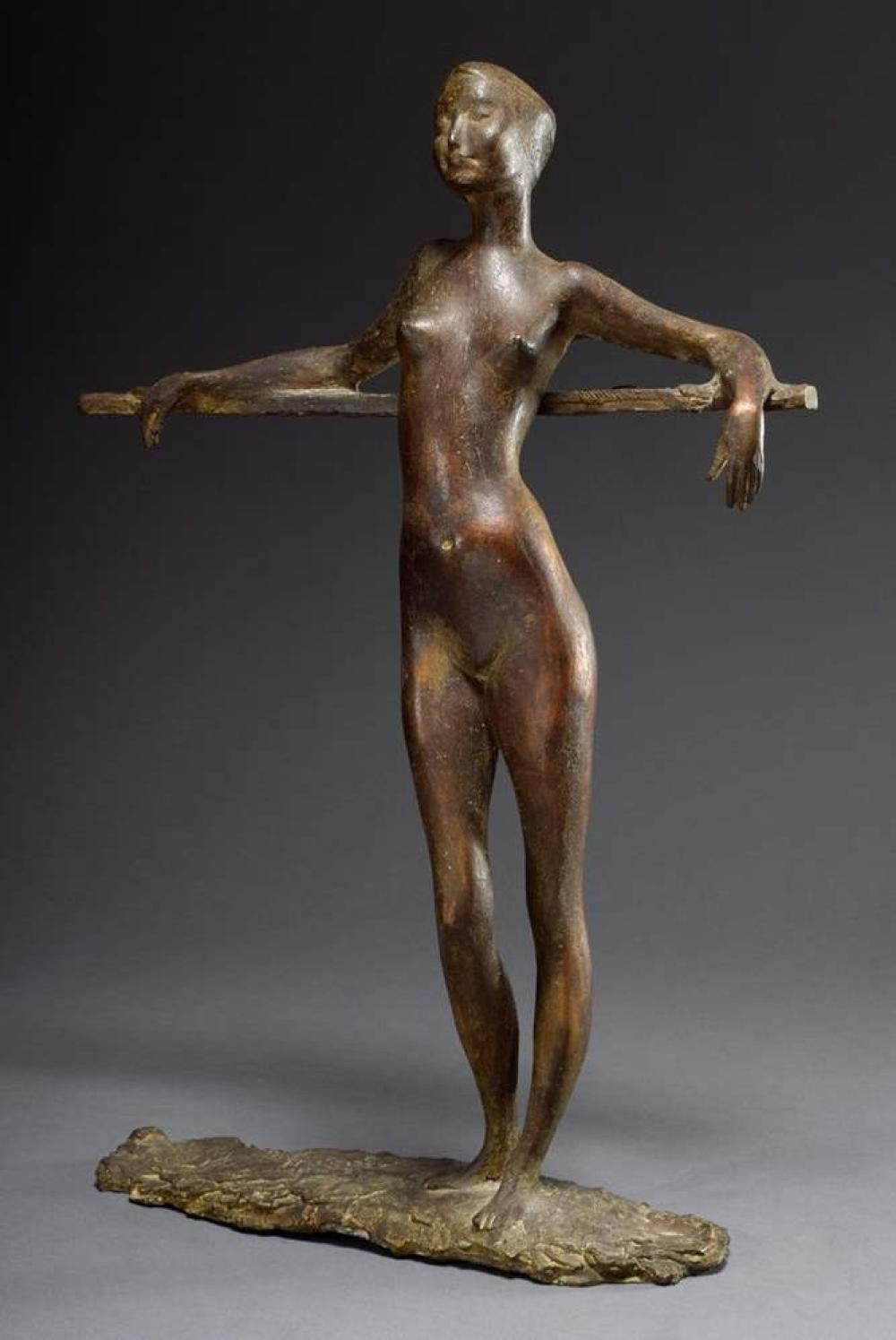 Kunst des 20. und 21. Jahrhunderts
Clemens Pasch
19.07.1910 - 12.07.1985
Germany
Clemens Pasch was a German sculptor and painter.
Auktionshaus Stahl
Kunst des 20. und 21. Jahrhunderts
Date: 07.03.2026 11:00 UTC +02:00
Number of lots in the catalog: 349




Lot 123 Jörg Immendorff. Ohne Titel
Jörg Immendorff (1945 - 2007) 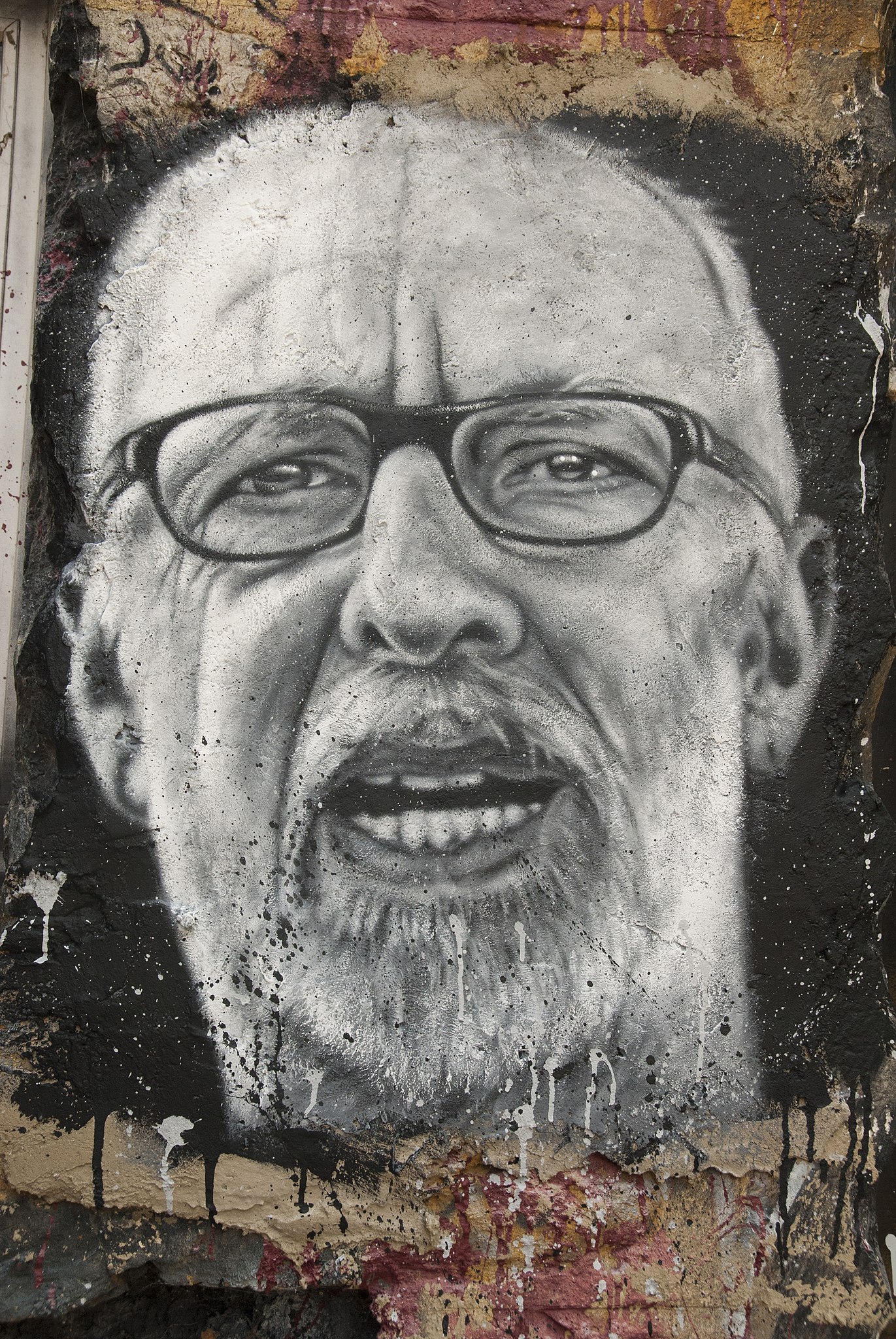 A1293: German Post War
Jörg Immendorff
14.06.1945 - 28.05.2007
Germany
Jörg Immendorff was a German painter and sculptor, stage designer and decorator, and a member of the New Wild movement.
Immendorff painted in cycles that often lasted for years and were political in nature. His series of sixteen large paintings, Café Deutschland (1977-1984), is well known. In these colorful paintings, numerous disco lovers symbolize the conflict between East and West Germany.
Immendorff prepared several stage productions and designed sets for the operas Elektra and The Rider's Voyage. 25 of Immendorf's paintings were selected in 2006 for the illustrated Bible.
VAN HAM Kunstauktionen GmbH
A1293: German Post War
Date: 23.04.2026 18:00 UTC +02:00
Number of lots in the catalog: 130


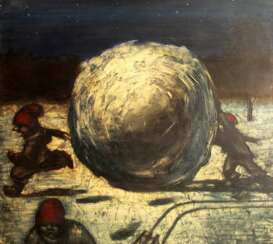

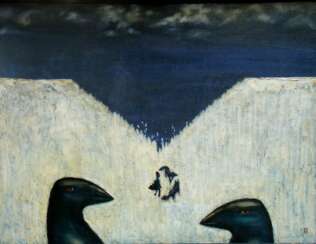



Fragment of spring
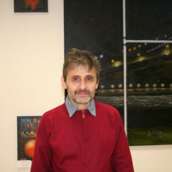
Stanislav Sotnikov (b. 1988) 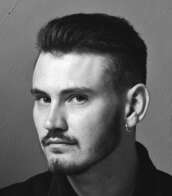 Shop Sotnikov Stanislav
Stanislav Sotnikov
28.05.1988
Byelorussia
Станислав Сотников. Родился в Могилеве (Беларусь). Музыкант, певец, художник.
Любимые направления: сюрреализм, абстракционизм.
Artist shop
Sotnikov Stanislav
Byelorussia
Number of products: 7
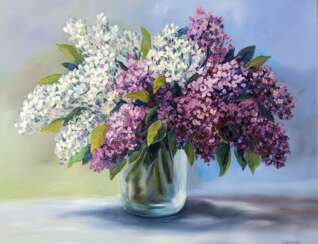

Flieder Blumen 2.22
Olga Hanns (b. 1990)  Shop Hanns Olga
Olga Hanns
15.08.1990
Germany
Ich wurde 1990 in der Ukraine geboren. Jetzt lebe ich in Deutschland in Dresden. Ich beschäftige mich seit etwa 10 Jahren mit Ölmalerei. Ich habe vor kurzem angefangen, meine Bilder zu verkaufen.
Artist shop
Hanns Olga
Germany
Number of products: 7


Sommer Blumen blau weiß
Olga Hanns (b. 1990)
Shop Hanns Olga
Olga Hanns
15.08.1990
Germany
Ich wurde 1990 in der Ukraine geboren. Jetzt lebe ich in Deutschland in Dresden. Ich beschäftige mich seit etwa 10 Jahren mit Ölmalerei. Ich habe vor kurzem angefangen, meine Bilder zu verkaufen.
Artist shop
Hanns Olga
Germany
Number of products: 7





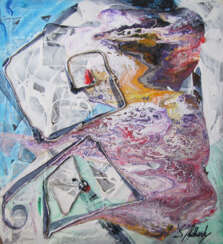

На пути к просветлению, Оригинал Абстракция - On the road to Enlightenment, Original painting on wood
Matkovsky Dmitri (b. 1961)  Shop Dmitri Matkovsky
Matkovsky Dmitri
01.02.1961
Russia
I’m artist synesthetes*, Abstract Expressionist.
Emotions are very important to me. All my life is at this particular moment. It’s like improvisation in music. You need to explain all life in one moment, in one phrase, in one white square…
I love colors, I love paint, and I love canvas, white canvas. I like even prepare a canvas for painting, I just love to be an artist.
I feel my self so liberated when creating art. First, because I can produce something that is influence on human’s mood or state of mind, and second because I can escape this reality. And I like this feeling.
My paintings have been sold for years to offices, shops and private residences in Canada, Australia, USA, Europe etc. Up until now in 18 countries.
Дмитрий Матковский — художник-синестет. В психологии существует понятие «синестезии», особого способа восприятия действительности, когда информация, полученная определёнными органами чувств, приобретает дополнительное качественное значение. Дмитрий Матковский, в свою очередь, имеет «цветовой слух». Художник воспринимает звуки через цвет, а свои работы называет «музыкой на холсте».
Убедиться в особенности своих ощущений автору выпал шанс довольно рано: его школьная группа, «Мануфактура», стала победителем первого Ленинградского Рок-фестиваля, после чего он 10 лет играл в составе «АукцЫона»
Оказавшись в Канаде в 2001 г. ДМ полностью отдался миру живописи. 10 лет жизни в Сев. Америке оформили его как профессионала в области изобразительного искусства, заставили говорить о нем в мире галерейного бизнеса. За это время Более 240 работ ДМ были куплены частными коллекционерами и музеями Америки, Европы и Японии.
В настоящий момент Дмитрий Матковский живет в СПб и продолжает заниматься живописью, 3D анимацией, дизайном, музыкой, йогой, а также публицистическим творчеством.
Artist shop
Dmitri Matkovsky
Russia
Number of products: 16






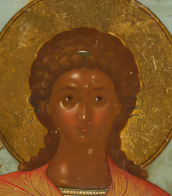
Lot 456 A MONUMENTAL AND FINE ICON OF THE MOTHER OF GOD OF THE KIEV CAVES (PECHERSKAYA MOTHER OF
A147: Art & Icons From The Orthodox World - Part 2 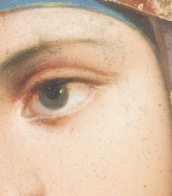
Hargesheimer Kunstauktionen Düsseldorf
A147: Art & Icons From The Orthodox World - Part 2
Date: 25.04.2025 10:00 UTC +02:00
Number of lots in the catalog: 1111




Lot 5419 General der Infanterie Paul Laux - an Award Document for the Oakleaves to the Knight's Cross of the Iron Cross of 1939
A106us: A US Lifetime Headgear Collection and other Imperial and WW II Collectibles 
Hermann Historica
A106us: A US Lifetime Headgear Collection and other Imperial and WW II Collectibles
Date: 08.11.2025 14:00 UTC +02:00
Number of lots in the catalog: 511


Lot 5439 Leutnant Fritz Dinger - an Award Document to the Knight's Cross of the Iron Cross of 1939
A106us: A US Lifetime Headgear Collection and other Imperial and WW II Collectibles
Hermann Historica
A106us: A US Lifetime Headgear Collection and other Imperial and WW II Collectibles
Date: 08.11.2025 14:00 UTC +02:00
Number of lots in the catalog: 511