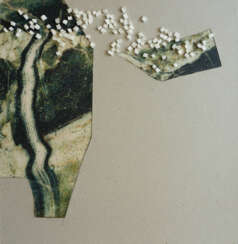
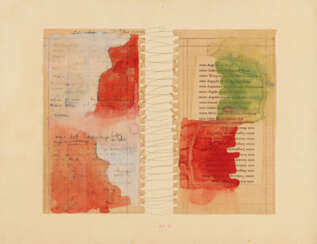
mischtechnik auf karton


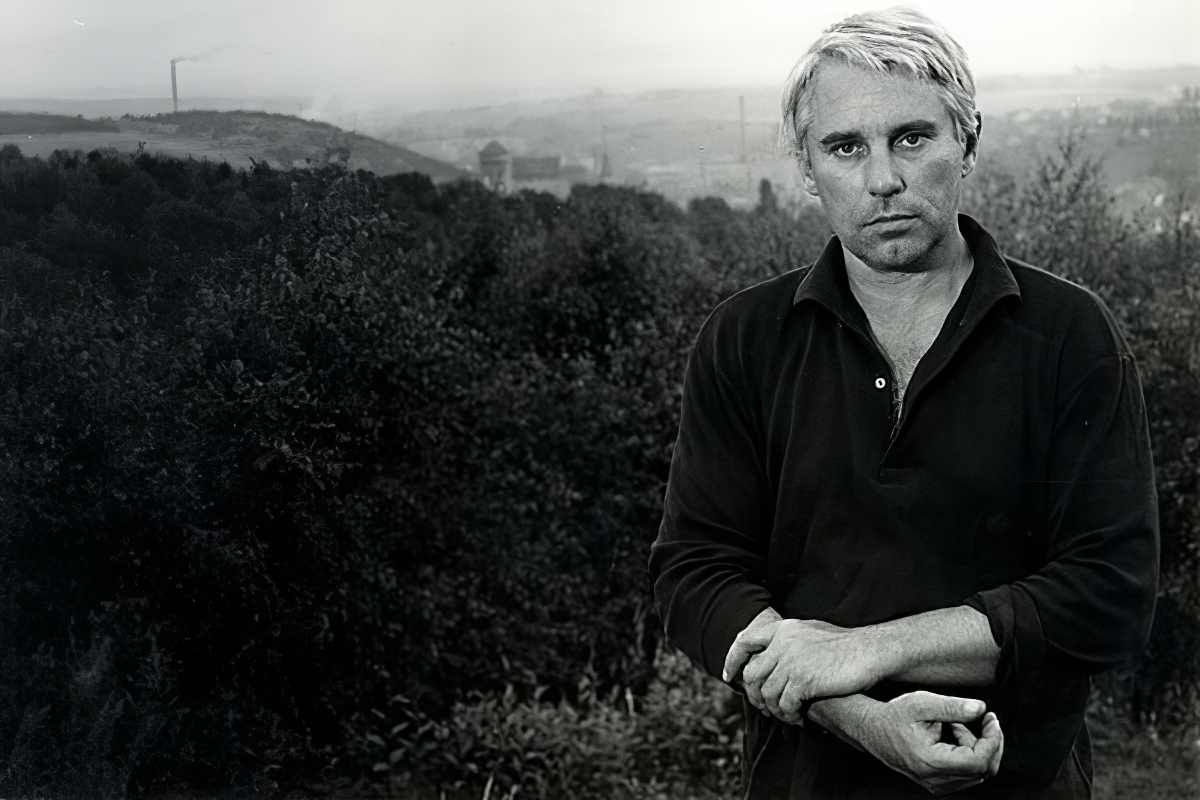
Karl Fred Dahmen is a German artist, one of the most important representatives of German post-war art and the Informel movement. In 1967 he took up the post of Professor of Fine Arts at the Munich Academy.
He painted expressive abstract pictures with a tectonic structure, and since the mid-1950s, relief paintings and collages on the damage to the local landscape caused by open-pit mining. Later in Dahmen's oeuvre, glazed object boxes appear, recounting the impressions of his daily working life.




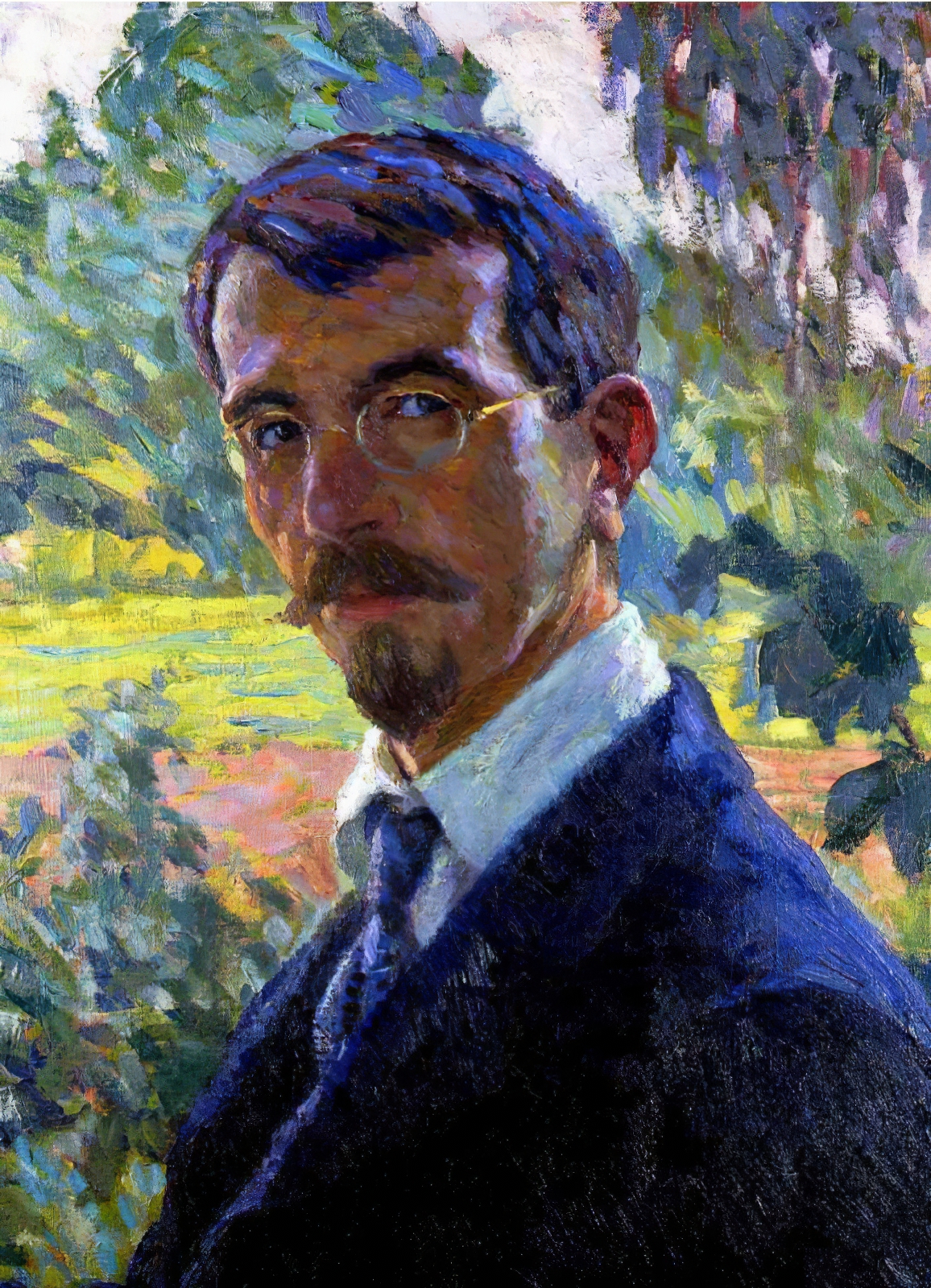
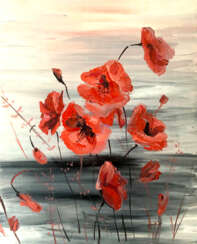
Wilhelm Heinrich Ernst Eitner was a German painter of the late nineteenth and first half of the twentieth centuries. He is known as an impressionist painter and teacher.
Eitner produced portraits, landscapes, and woodcuts in a style reminiscent of Japanese art. Despite initial rejection in German society of his impressionist style of painting, over the years he gained recognition and even the title "Claude Monet of the North." Eitner was a member of numerous art associations. His works are preserved in the Hamburg Kunsthalle.


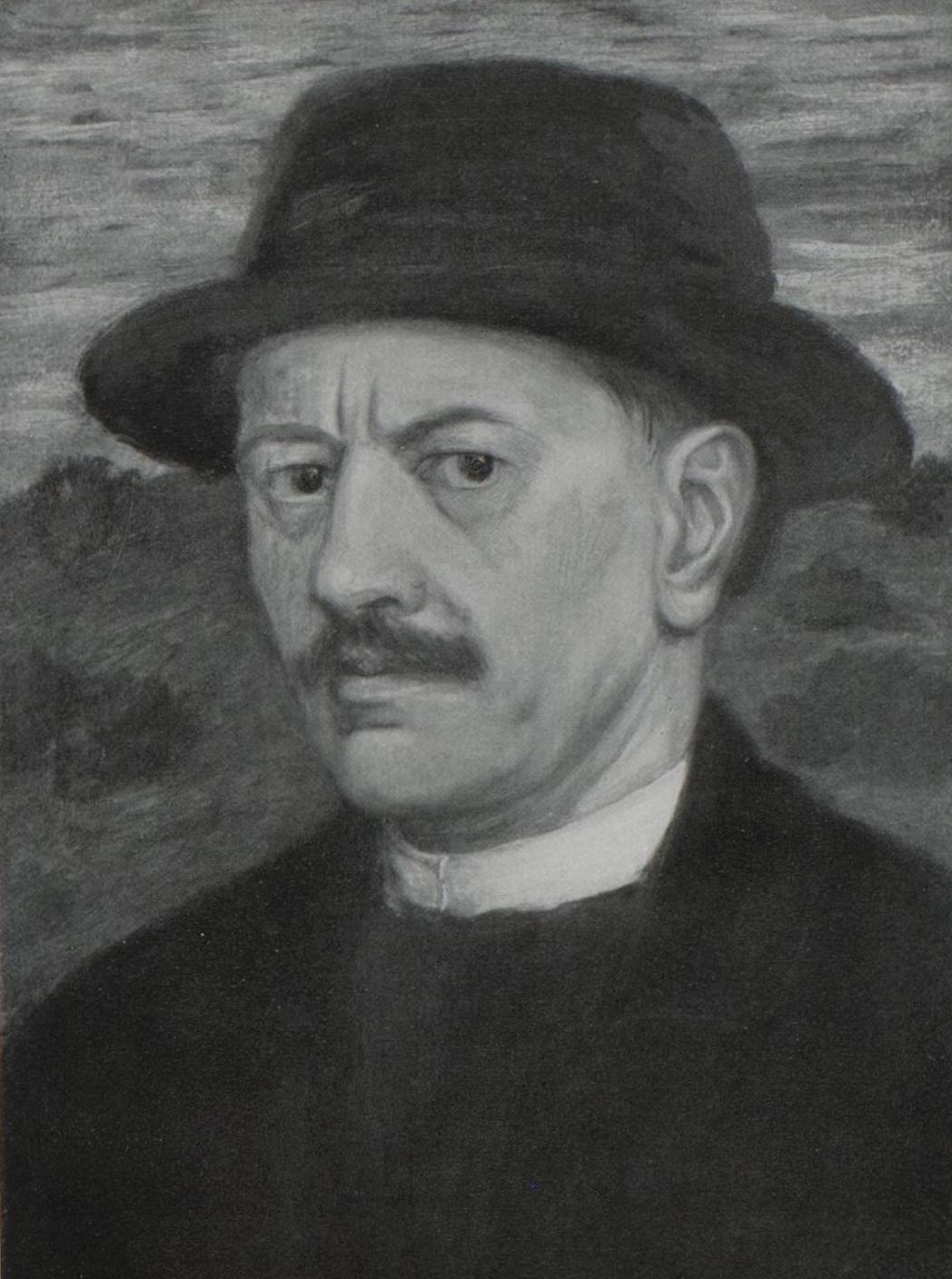
Matthäus Schiestl was a German painter and graphic artist.

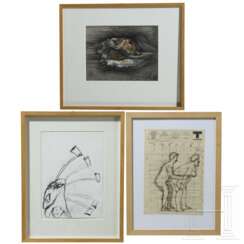







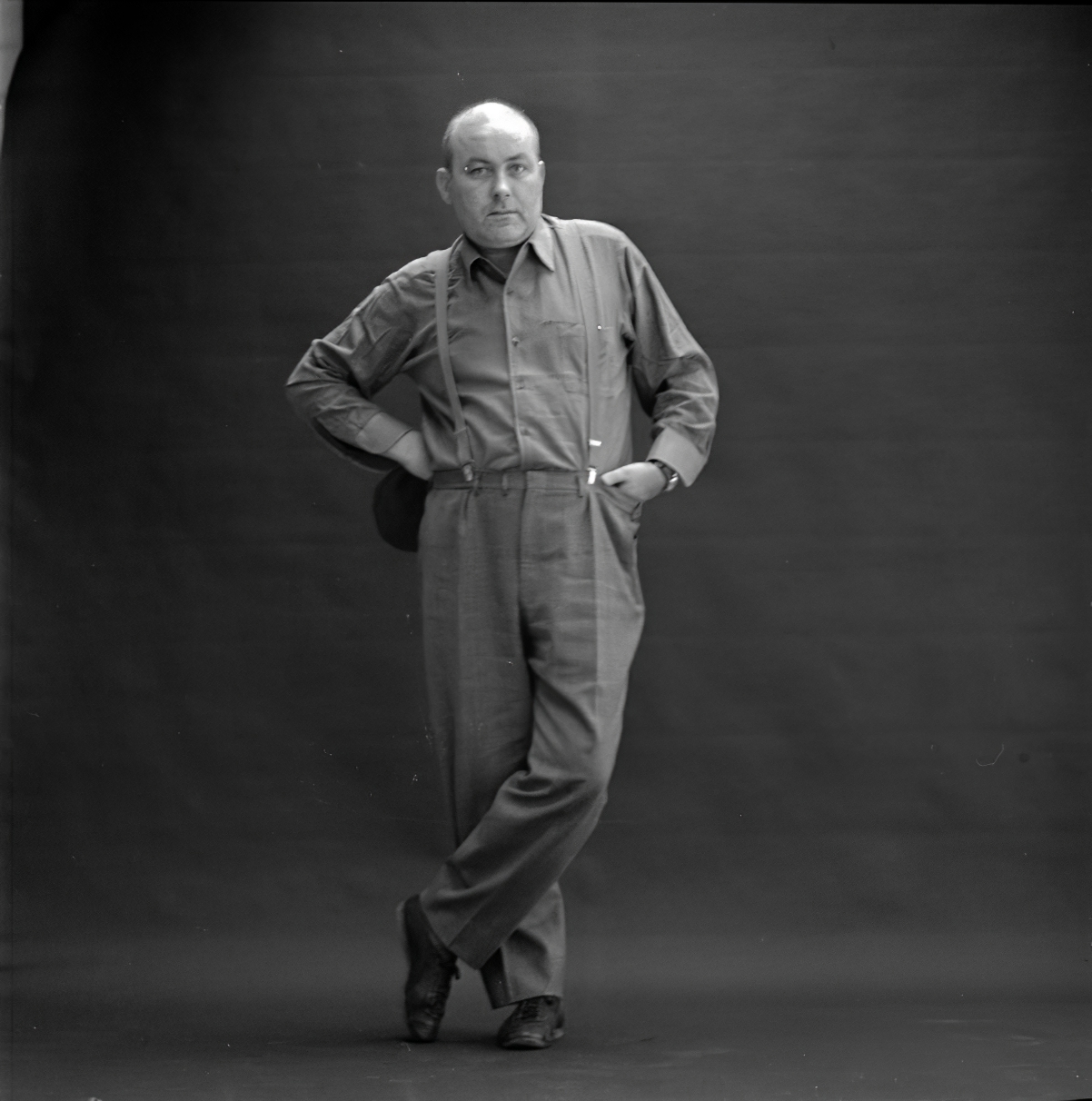
Karl-Dietrich Roth was a Swiss artist best known for his artist's books, editioned prints, sculptures, and works made of found materials, including rotting food stuffs.