moor


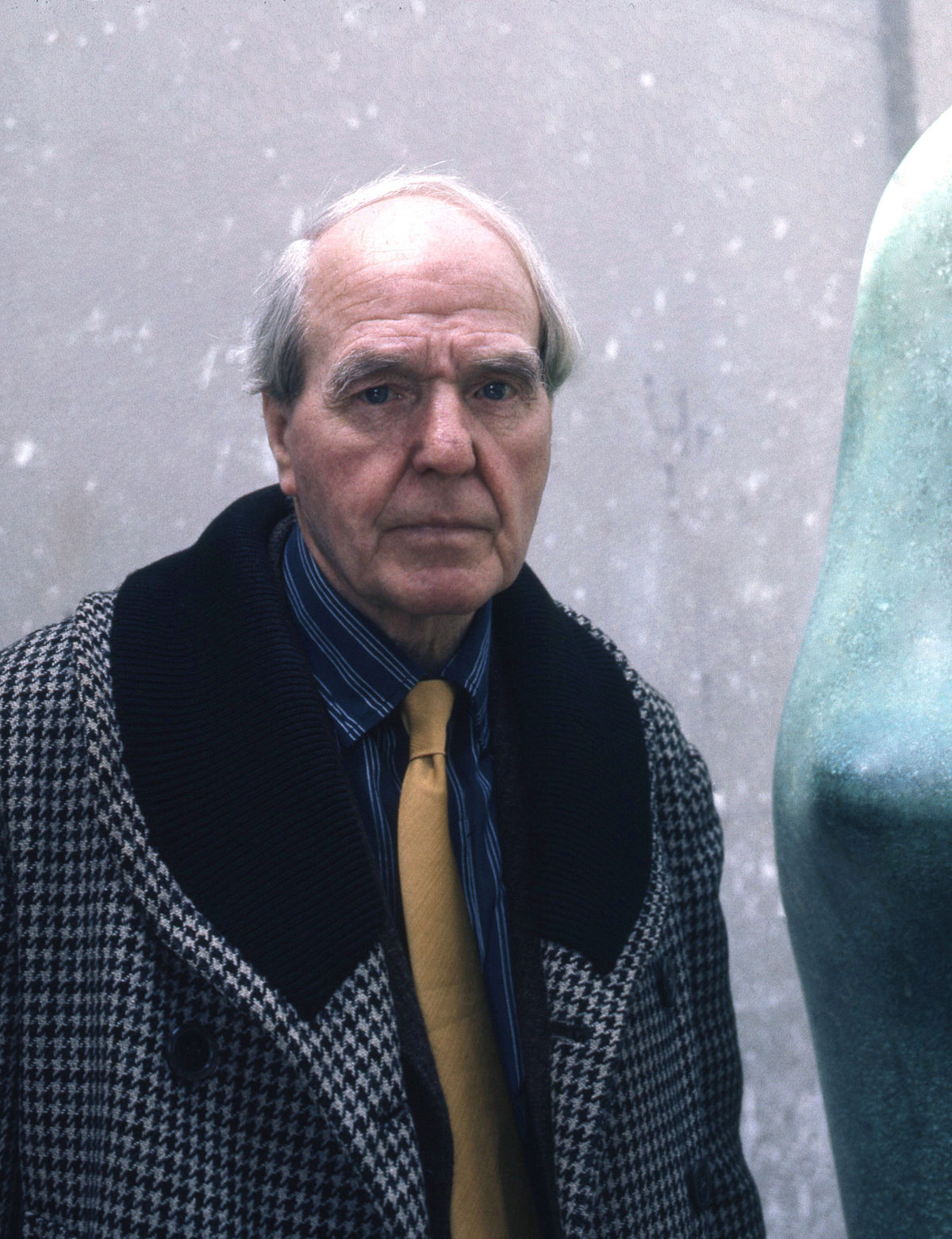
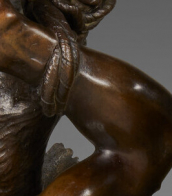
Henry Spencer Moore was an influential English sculptor and artist, renowned for his semi-abstract monumental bronze sculptures that have found homes around the world as public works of art. Born on July 30, 1898, in Castleford, Yorkshire, Moore showed early talent in art, but his journey towards becoming a sculptor was not straightforward. His experiences as a young teacher and a soldier in the First World War, where he was injured in a gas attack, significantly shaped his perspectives and artistic direction.
After the war, Moore pursued his passion for art, winning a scholarship to the Royal College of Art in London, where he began to experiment with modernist influences and direct carving techniques, moving away from the traditional Victorian style. His works, characterized by organic shapes and a blend of abstraction and figuration, were inspired by a wide range of sources, including primitive art, the human body, and the natural world.
Moore's sculptures are celebrated for their unique ability to blend form with space in the landscape, offering viewers a dynamic interaction with his works. His dedication to public art made his sculptures accessible to a wide audience, contributing to his status as one of the 20th century's most significant sculptors. Moore's legacy is preserved through the Henry Moore Foundation, which supports artists and promotes public appreciation of sculpture.
For collectors and experts in art and antiques, Moore's work remains a testament to the power of sculpture to evoke emotion and thought. His contributions to modern art and sculpture continue to inspire and influence artists around the world.
To stay informed about new exhibitions and opportunities to view Henry Spencer Moore's work, sign up for updates. This subscription will ensure you are alerted to new product sales and auction events related to Moore's influential body of work.
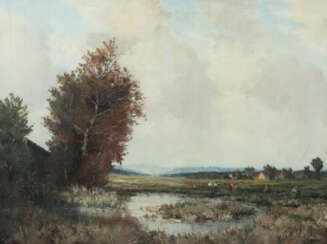















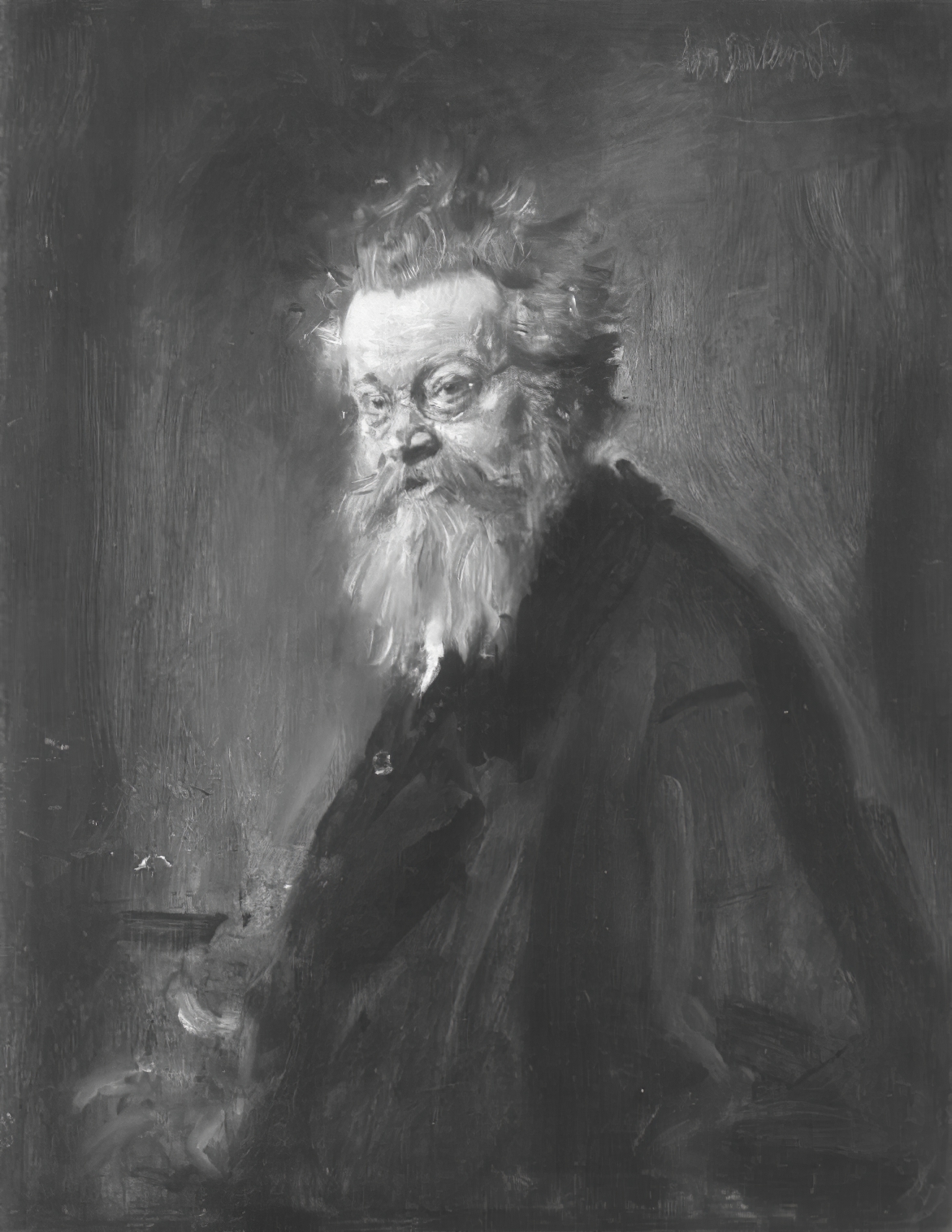
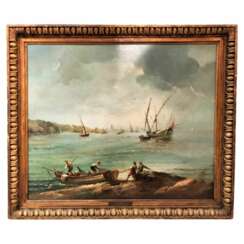
Joseph Wenglein was a German painter who is often referred to as one of the last significant landscape painters of the 19th century Munich school.
Parallel to his law studies Joseph Wenglein studied at the Academy of Fine Arts in Munich. He then switched entirely to art and became a pupil of the landscape painter Johann Gottfried Steffan. On his recommendation, Wenglein sometime later became a pupil of the painter Adolf Heinrich Lier, whose colouristic tendencies, calculated to express profound moods, particularly appealed to him.
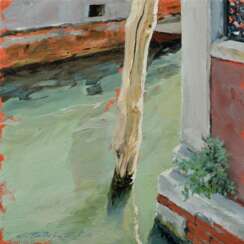
Josef Wenglein knew how to reproduce the change of daylight, especially in spring and autumn, with a fine sense of the slightest atmospheric fluctuations and to vary the grey pleasant tone of the Bavarian plateau in all its nuances masterfully.