

nachkriegs-skulpturen


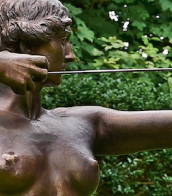


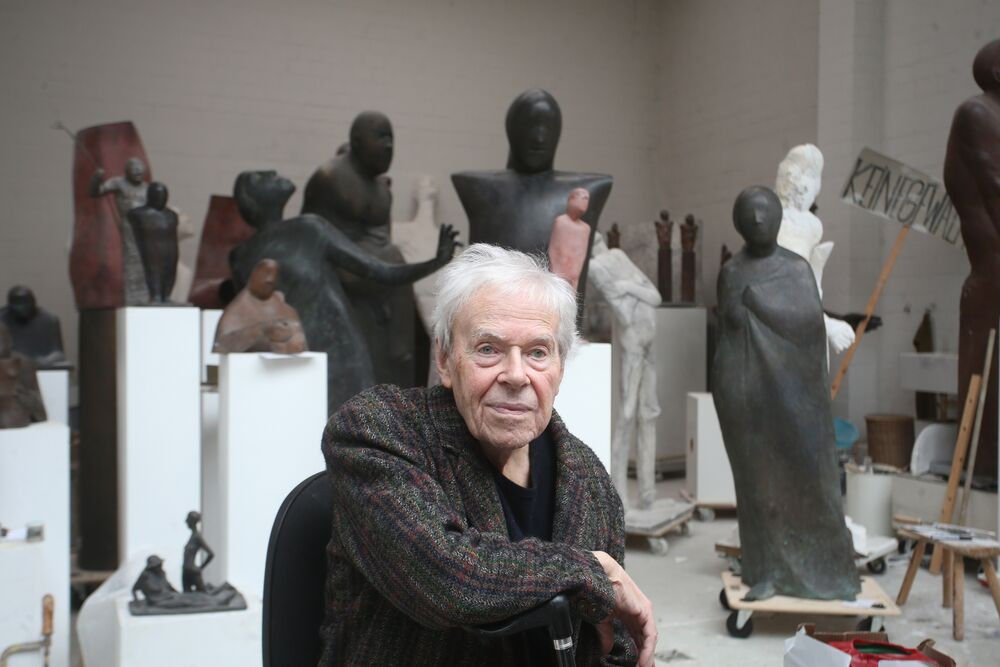
Waldemar Otto is a German sculptor of Polish descent.
Otto studied sculpture at the Academy of Fine Arts in Berlin, won the 1957 Grosse Berliner Kunstausst Prize, lived with his family in the United States, and moved to Bremen in 1973, accepting a professorship at the University of the Arts. He founded the Bremer School of Sculpture there and then moved to Worpswede.
Waldemar Otto practiced figurative sculpture in the form of torsos, creating his figurative human images in wood, granite, bronze and cast stone. Many of his works can be seen in public spaces in various German cities.

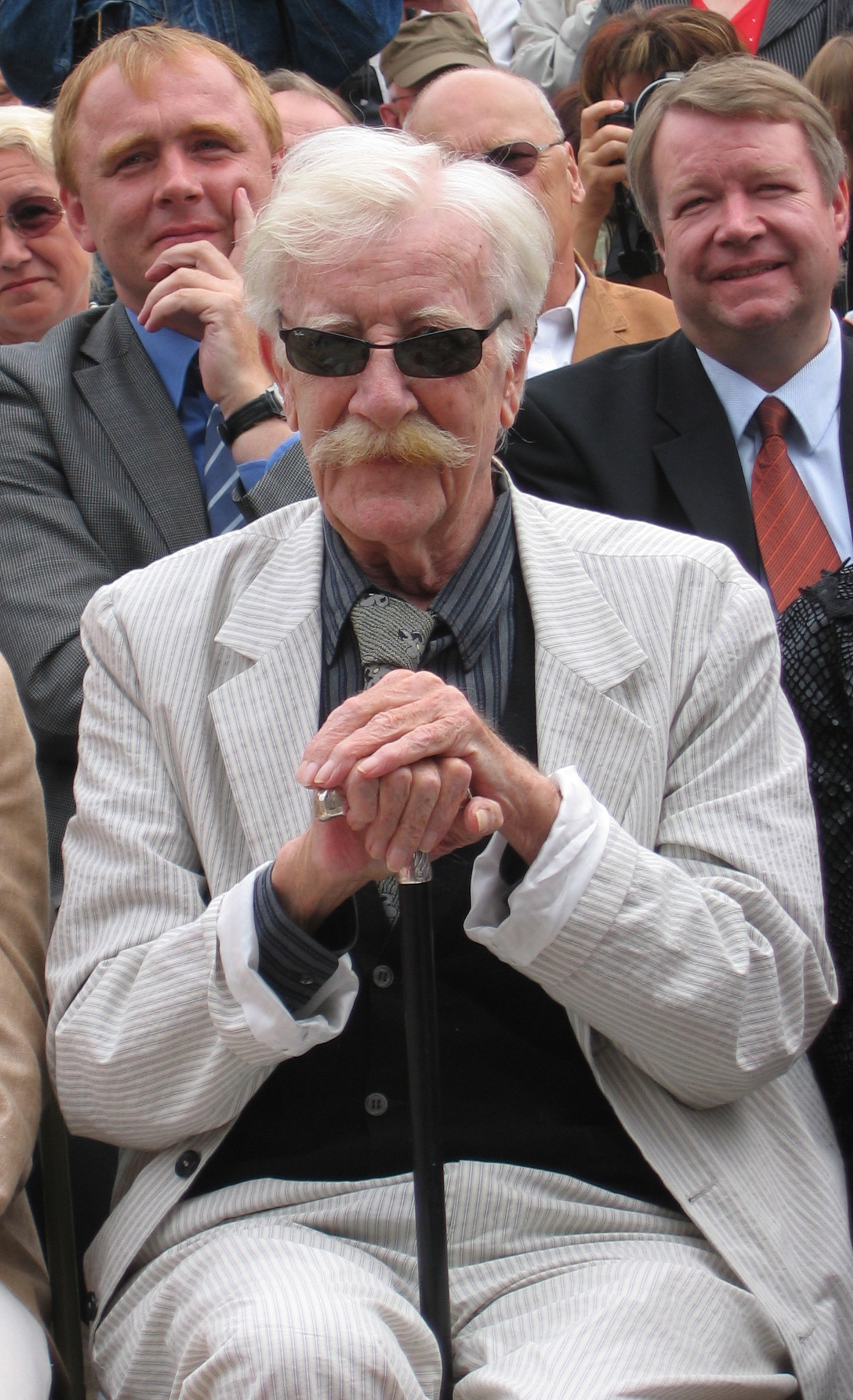
Paul Wunderlich was a German painter, sculptor and graphic artist. He designed Surrealist paintings and erotic sculptures. He often created paintings which referred to mythological legends.


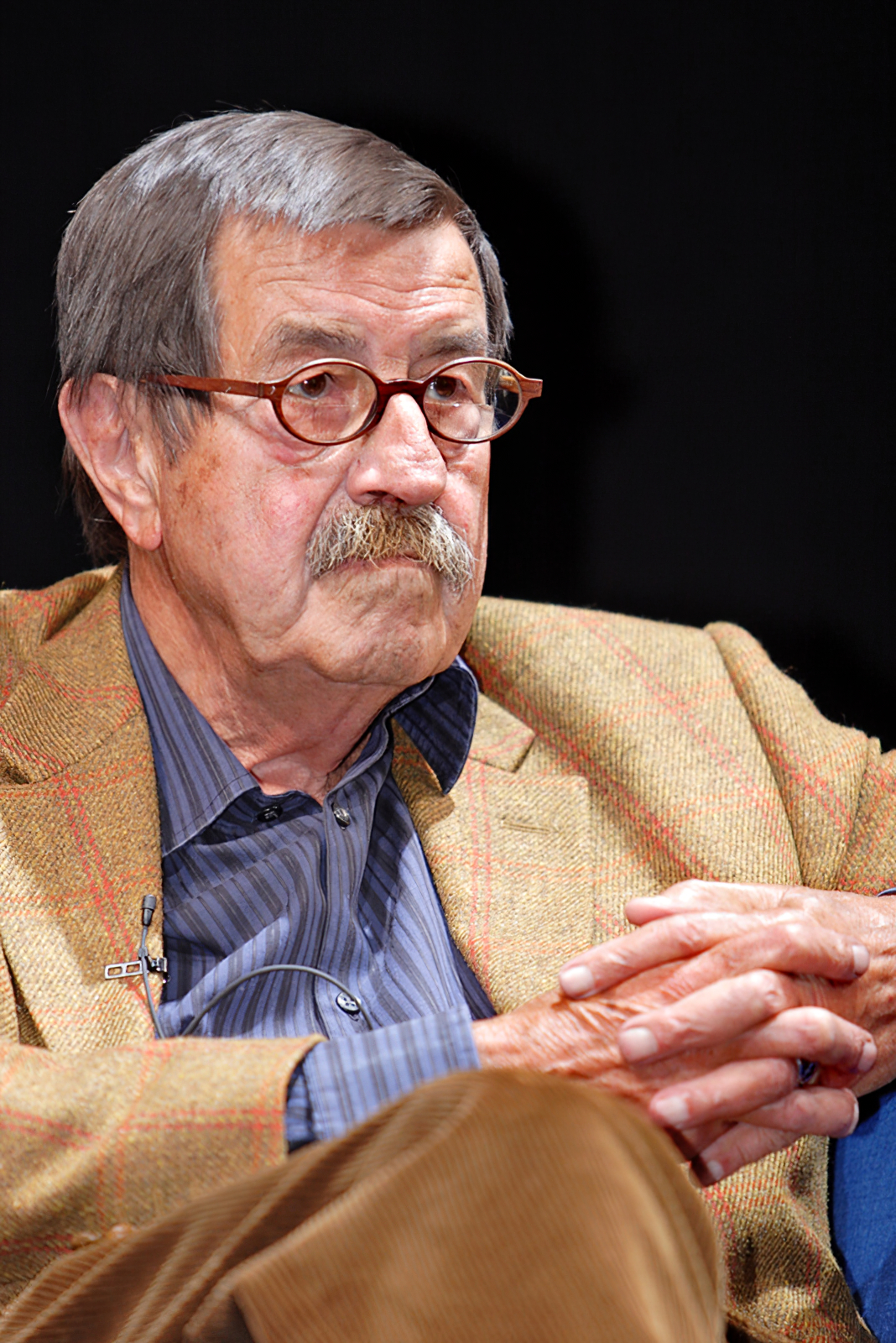
Günter Wilhelm Grass was a German novelist, poet, playwright, illustrator, graphic artist, sculptor, and recipient of the 1999 Nobel Prize in Literature.
Grass is best known for his first novel, The Tin Drum (1959), a key text in European magic realism. It was the first book of his Danzig Trilogy, the other two being Cat and Mouse and Dog Years. His works are frequently considered to have a left-wing political dimension, and Grass was an active supporter of the Social Democratic Party of Germany (SPD). The Tin Drum was adapted as a film of the same name, which won both the 1979 Palme d'Or and the Academy Award for Best Foreign Language Film. In 1999, the Swedish Academy awarded him the Nobel Prize in Literature, praising him as a writer "whose frolicsome black fables portray the forgotten face of history".
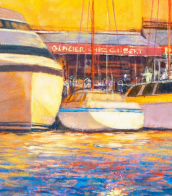


Günter Wilhelm Grass was a German novelist, poet, playwright, illustrator, graphic artist, sculptor, and recipient of the 1999 Nobel Prize in Literature.
Grass is best known for his first novel, The Tin Drum (1959), a key text in European magic realism. It was the first book of his Danzig Trilogy, the other two being Cat and Mouse and Dog Years. His works are frequently considered to have a left-wing political dimension, and Grass was an active supporter of the Social Democratic Party of Germany (SPD). The Tin Drum was adapted as a film of the same name, which won both the 1979 Palme d'Or and the Academy Award for Best Foreign Language Film. In 1999, the Swedish Academy awarded him the Nobel Prize in Literature, praising him as a writer "whose frolicsome black fables portray the forgotten face of history".


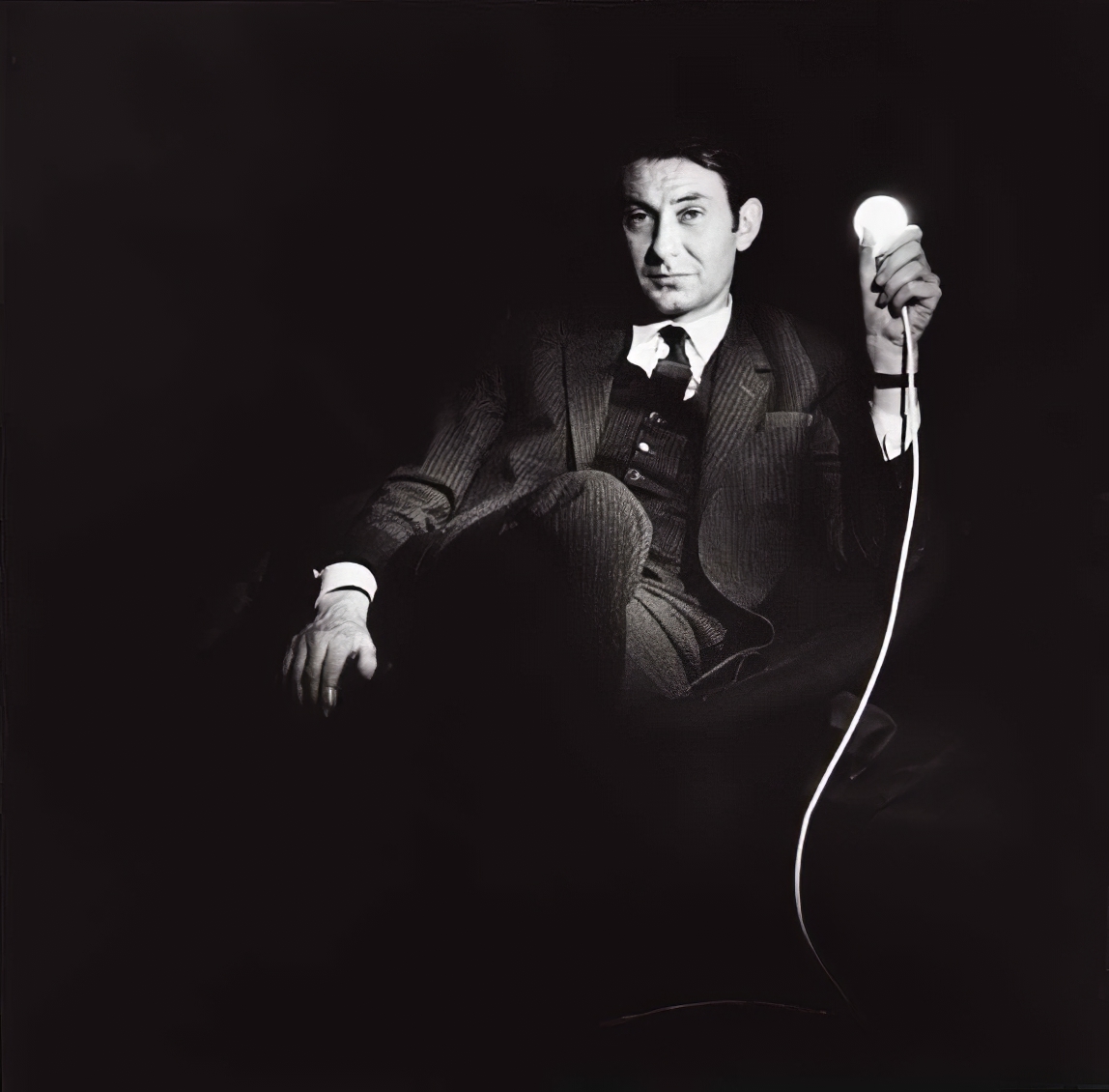
Otto Piene was a German-American artist specializing in kinetic and technology-based art, often working collaboratively.


Waldemar Otto is a German sculptor of Polish descent.
Otto studied sculpture at the Academy of Fine Arts in Berlin, won the 1957 Grosse Berliner Kunstausst Prize, lived with his family in the United States, and moved to Bremen in 1973, accepting a professorship at the University of the Arts. He founded the Bremer School of Sculpture there and then moved to Worpswede.
Waldemar Otto practiced figurative sculpture in the form of torsos, creating his figurative human images in wood, granite, bronze and cast stone. Many of his works can be seen in public spaces in various German cities.