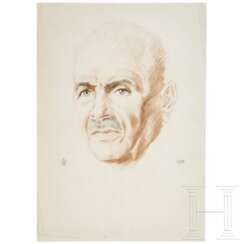
old man
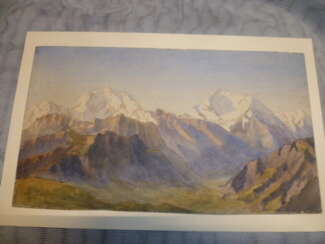

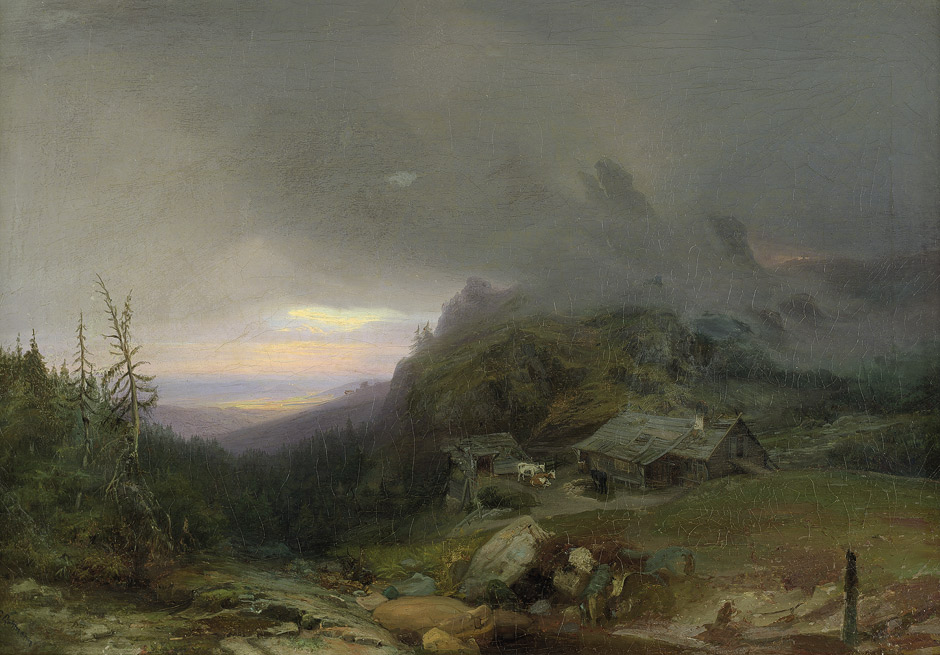
Leopold Rottmann was a German painter of the mid-nineteenth century. He is known as a landscape painter who worked in oil painting and watercolor.
Leopold Rottmann was a proponent of naturalistic and heroic-historical painting. He was the drawing teacher of the future King Ludwig II of Bavaria. Later commissioned by Ludwig, who was inspired by Richard Wagner, Rottmann created the artwork for the production of the composer's opera Lohengrin in 1861.






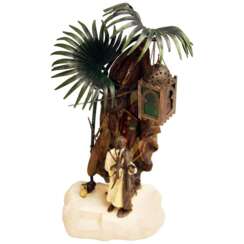

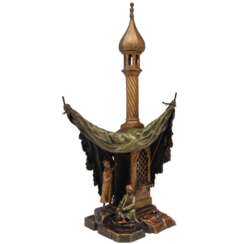

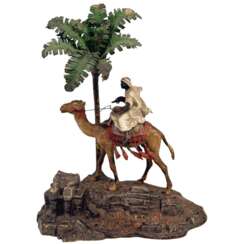

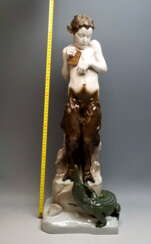

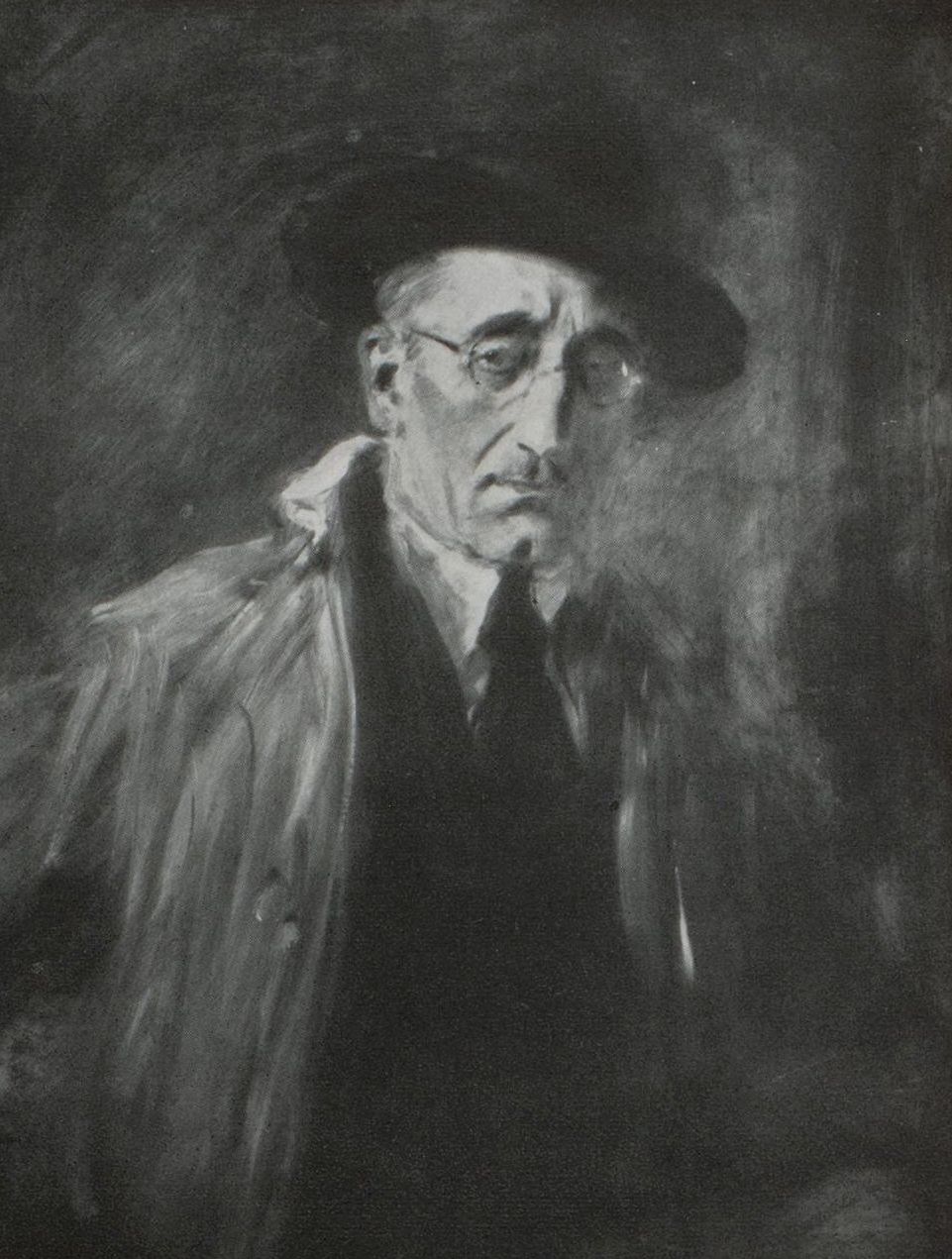
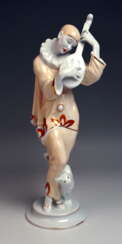
Ferdinand Liebermann was a German sculptor.
Liebermann studied sculpture at the School of Arts and Crafts and at the Academy in Munich with Heinrich Wadere. After additional studies in Rome and Paris, he opened his studio in Munich in 1910 and was awarded the Grand Austrian State Medal in gold for a small bronze the same year. In 1926 he became professor of monumental and portrait sculpture in Munich.
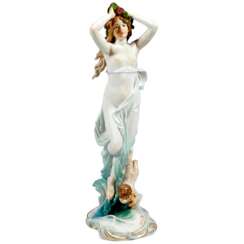
Ferdinand Liebermann's works include numerous sculptures of buildings, monuments and fountains, and he was also one of the most important figure designers for the Rosenthal manufactory.
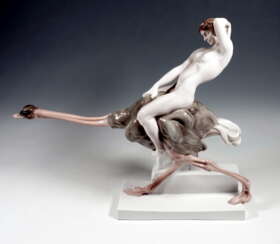

Ferdinand Liebermann was a German sculptor.
Liebermann studied sculpture at the School of Arts and Crafts and at the Academy in Munich with Heinrich Wadere. After additional studies in Rome and Paris, he opened his studio in Munich in 1910 and was awarded the Grand Austrian State Medal in gold for a small bronze the same year. In 1926 he became professor of monumental and portrait sculpture in Munich.
Ferdinand Liebermann's works include numerous sculptures of buildings, monuments and fountains, and he was also one of the most important figure designers for the Rosenthal manufactory.


















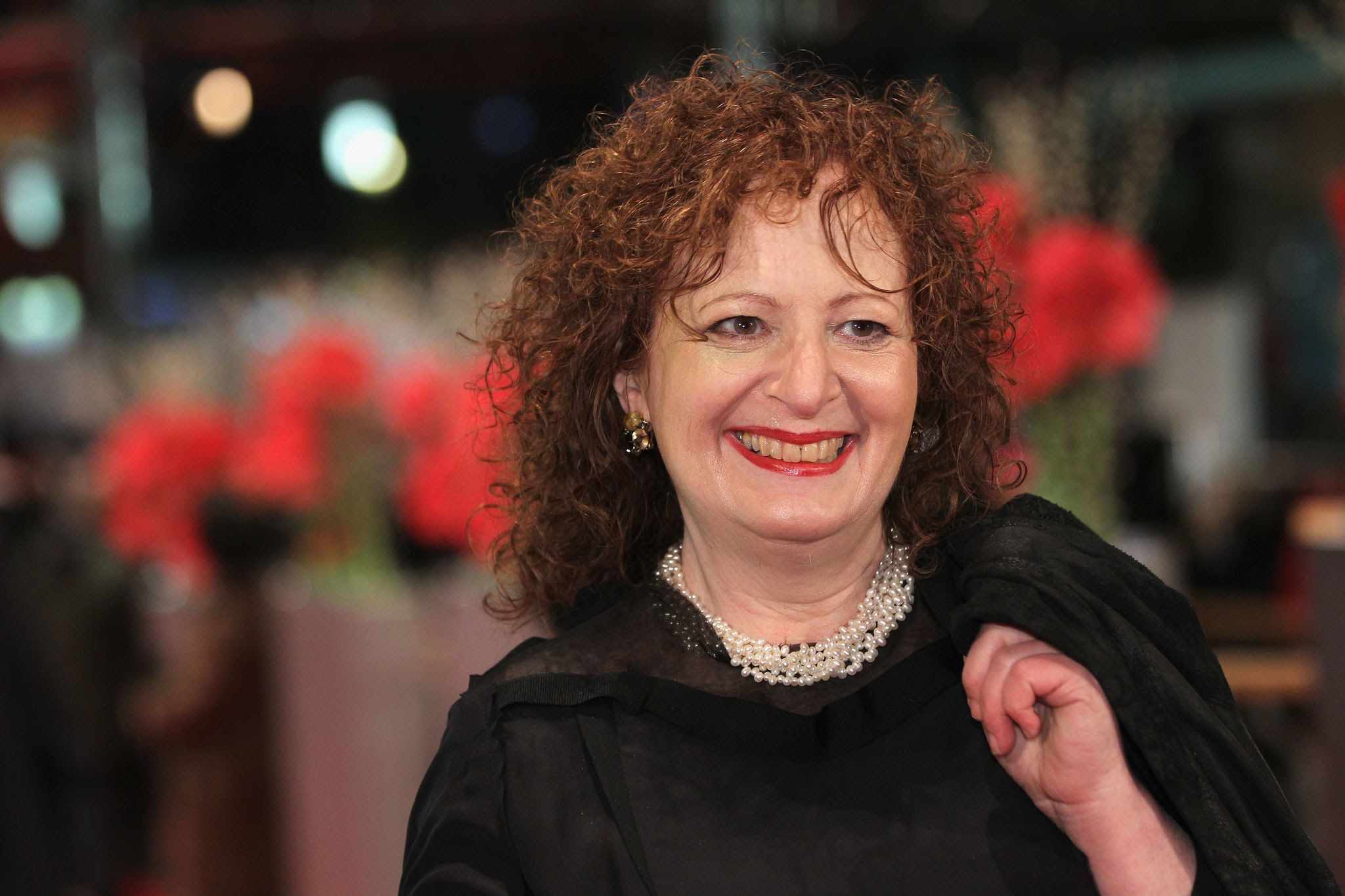
Nan Goldin is an acclaimed American photographer renowned for her profound visual narratives that delve into her personal world, marked by themes of addiction, sexuality, and intimate relationships. Born in Washington, D.C., in 1953, Goldin's journey into photography began in the early 1970s, capturing the lives of those around her, forming a "substitute family" amid a backdrop of drugs, sex, and violence.
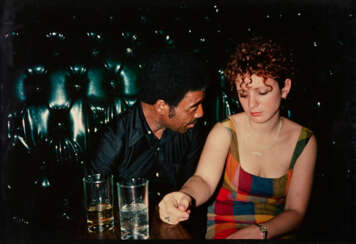
One of Goldin's most celebrated works, "The Ballad of Sexual Dependency" (1986), is a raw and intimate portrayal of her "tribe," documenting their lives through the late 70s and early 80s in New York City. This work, initially presented as a slideshow, captures moments of love, sexuality, and domestic life, transcending into a poignant narrative of the era's challenges, particularly the AIDS crisis.
Throughout her career, Goldin's photography has continued to evolve, exploring various themes and mediums, including film. Her work, deeply personal and often autobiographical, challenges conventional perceptions of beauty, identity, and relationships, offering a window into the complexities of human connection and the essence of her subjects.
Goldin's influence extends beyond the art world, with her activism, particularly against the opioid crisis, marking another significant chapter in her journey. Her profound empathy and commitment to portraying the raw, unfiltered realities of life resonate through her extensive body of work, which continues to be celebrated in exhibitions and collections globally.
For art collectors and enthusiasts, Goldin's work offers not just aesthetic value but also deep emotional and historical resonance. To stay informed about Nan Goldin's works and related updates, signing up for newsletters from prominent galleries or her exhibitions could provide valuable insights and opportunities for engagement with her art.

Nan Goldin is an acclaimed American photographer renowned for her profound visual narratives that delve into her personal world, marked by themes of addiction, sexuality, and intimate relationships. Born in Washington, D.C., in 1953, Goldin's journey into photography began in the early 1970s, capturing the lives of those around her, forming a "substitute family" amid a backdrop of drugs, sex, and violence.
One of Goldin's most celebrated works, "The Ballad of Sexual Dependency" (1986), is a raw and intimate portrayal of her "tribe," documenting their lives through the late 70s and early 80s in New York City. This work, initially presented as a slideshow, captures moments of love, sexuality, and domestic life, transcending into a poignant narrative of the era's challenges, particularly the AIDS crisis.
Throughout her career, Goldin's photography has continued to evolve, exploring various themes and mediums, including film. Her work, deeply personal and often autobiographical, challenges conventional perceptions of beauty, identity, and relationships, offering a window into the complexities of human connection and the essence of her subjects.
Goldin's influence extends beyond the art world, with her activism, particularly against the opioid crisis, marking another significant chapter in her journey. Her profound empathy and commitment to portraying the raw, unfiltered realities of life resonate through her extensive body of work, which continues to be celebrated in exhibitions and collections globally.
For art collectors and enthusiasts, Goldin's work offers not just aesthetic value but also deep emotional and historical resonance. To stay informed about Nan Goldin's works and related updates, signing up for newsletters from prominent galleries or her exhibitions could provide valuable insights and opportunities for engagement with her art.


Nan Goldin is an acclaimed American photographer renowned for her profound visual narratives that delve into her personal world, marked by themes of addiction, sexuality, and intimate relationships. Born in Washington, D.C., in 1953, Goldin's journey into photography began in the early 1970s, capturing the lives of those around her, forming a "substitute family" amid a backdrop of drugs, sex, and violence.
One of Goldin's most celebrated works, "The Ballad of Sexual Dependency" (1986), is a raw and intimate portrayal of her "tribe," documenting their lives through the late 70s and early 80s in New York City. This work, initially presented as a slideshow, captures moments of love, sexuality, and domestic life, transcending into a poignant narrative of the era's challenges, particularly the AIDS crisis.
Throughout her career, Goldin's photography has continued to evolve, exploring various themes and mediums, including film. Her work, deeply personal and often autobiographical, challenges conventional perceptions of beauty, identity, and relationships, offering a window into the complexities of human connection and the essence of her subjects.
Goldin's influence extends beyond the art world, with her activism, particularly against the opioid crisis, marking another significant chapter in her journey. Her profound empathy and commitment to portraying the raw, unfiltered realities of life resonate through her extensive body of work, which continues to be celebrated in exhibitions and collections globally.
For art collectors and enthusiasts, Goldin's work offers not just aesthetic value but also deep emotional and historical resonance. To stay informed about Nan Goldin's works and related updates, signing up for newsletters from prominent galleries or her exhibitions could provide valuable insights and opportunities for engagement with her art.


Nan Goldin is an acclaimed American photographer renowned for her profound visual narratives that delve into her personal world, marked by themes of addiction, sexuality, and intimate relationships. Born in Washington, D.C., in 1953, Goldin's journey into photography began in the early 1970s, capturing the lives of those around her, forming a "substitute family" amid a backdrop of drugs, sex, and violence.
One of Goldin's most celebrated works, "The Ballad of Sexual Dependency" (1986), is a raw and intimate portrayal of her "tribe," documenting their lives through the late 70s and early 80s in New York City. This work, initially presented as a slideshow, captures moments of love, sexuality, and domestic life, transcending into a poignant narrative of the era's challenges, particularly the AIDS crisis.
Throughout her career, Goldin's photography has continued to evolve, exploring various themes and mediums, including film. Her work, deeply personal and often autobiographical, challenges conventional perceptions of beauty, identity, and relationships, offering a window into the complexities of human connection and the essence of her subjects.
Goldin's influence extends beyond the art world, with her activism, particularly against the opioid crisis, marking another significant chapter in her journey. Her profound empathy and commitment to portraying the raw, unfiltered realities of life resonate through her extensive body of work, which continues to be celebrated in exhibitions and collections globally.
For art collectors and enthusiasts, Goldin's work offers not just aesthetic value but also deep emotional and historical resonance. To stay informed about Nan Goldin's works and related updates, signing up for newsletters from prominent galleries or her exhibitions could provide valuable insights and opportunities for engagement with her art.