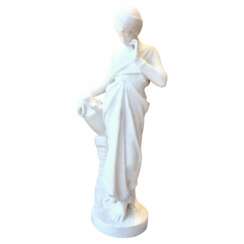
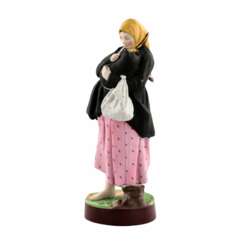
peasant





.jpg)
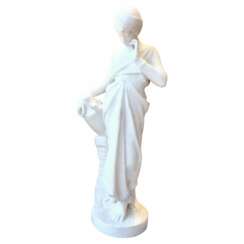
Ernst Heinrich Barlach was a German expressionist sculptor, medallist, printmaker and writer. Although he was a supporter of the war in the years leading to World War I, his participation in the war made him change his position, and he is mostly known for his sculptures protesting against the war. This created many conflicts during the rise of the Nazi Party, when most of his works were confiscated as degenerate art. Stylistically, his literary and artistic work would fall between the categories of twentieth-century Realism and Expressionism.











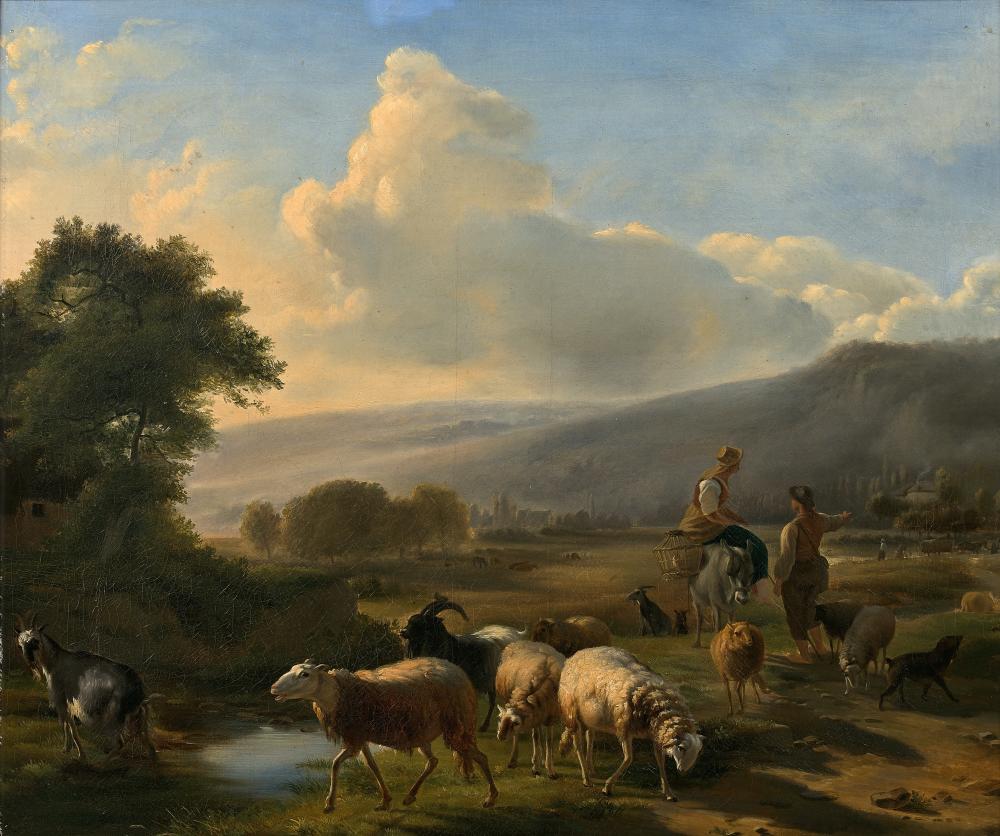
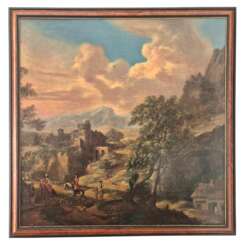
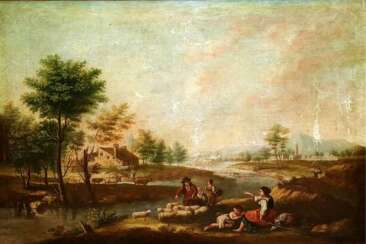
Balthasar Paul Ommeganck was a distinguished Flemish painter, born in Antwerp, Belgium, in 1755. He garnered acclaim for his unique approach to landscape painting, blending realism with an idealized portrayal of nature. Ommeganck's work is characterized by detailed observation of nature, a sure line, and subtle use of color. His favorite subjects were undulating landscapes, often featuring grazing animals like cows, sheep, and goats.
Balthasar Paul Ommeganck's talent was not confined to painting alone; he was also a skilled draughtsman and dabbled in sculpture, producing some clay models of sheep and cows. His main contribution to art was combining the light found in Dutch Italianate painters' work from the 17th century with meticulous observation of nature, finding a synthesis between realism and an idealized representation of nature.
In 1799, Balthasar Paul Ommeganck's landscape painting won the first prize in Paris, a competition he had not intended to enter but was submitted to by a friend. His success extended beyond the borders of Belgium, as he became a member of several academies, including those in Amsterdam, Brussels, Ghent, Munich, and Vienna. In 1809, he was recognized as a corresponding member of the Institut de France.
Despite his death in 1826, Balthasar Paul Ommeganck's style continued to influence landscape painting in the 18th and early 19th centuries. However, later art critics have sometimes viewed his adherence to classic tradition and preference for the picturesque and conventional as a form of 'hopeless traditionalism'.
For collectors and enthusiasts of art and antiques, Balthasar Paul Ommeganck's works represent a significant period in the history of landscape painting. His paintings, with their fusion of realistic detail and atmospheric beauty, are a testament to his skill and vision.
To keep abreast of the latest news, sales, and auction events related to Balthasar Paul Ommeganck's art, consider subscribing to our updates. This service ensures you stay informed about opportunities to delve deeper into the works of this notable landscape artist.