

post-pop art








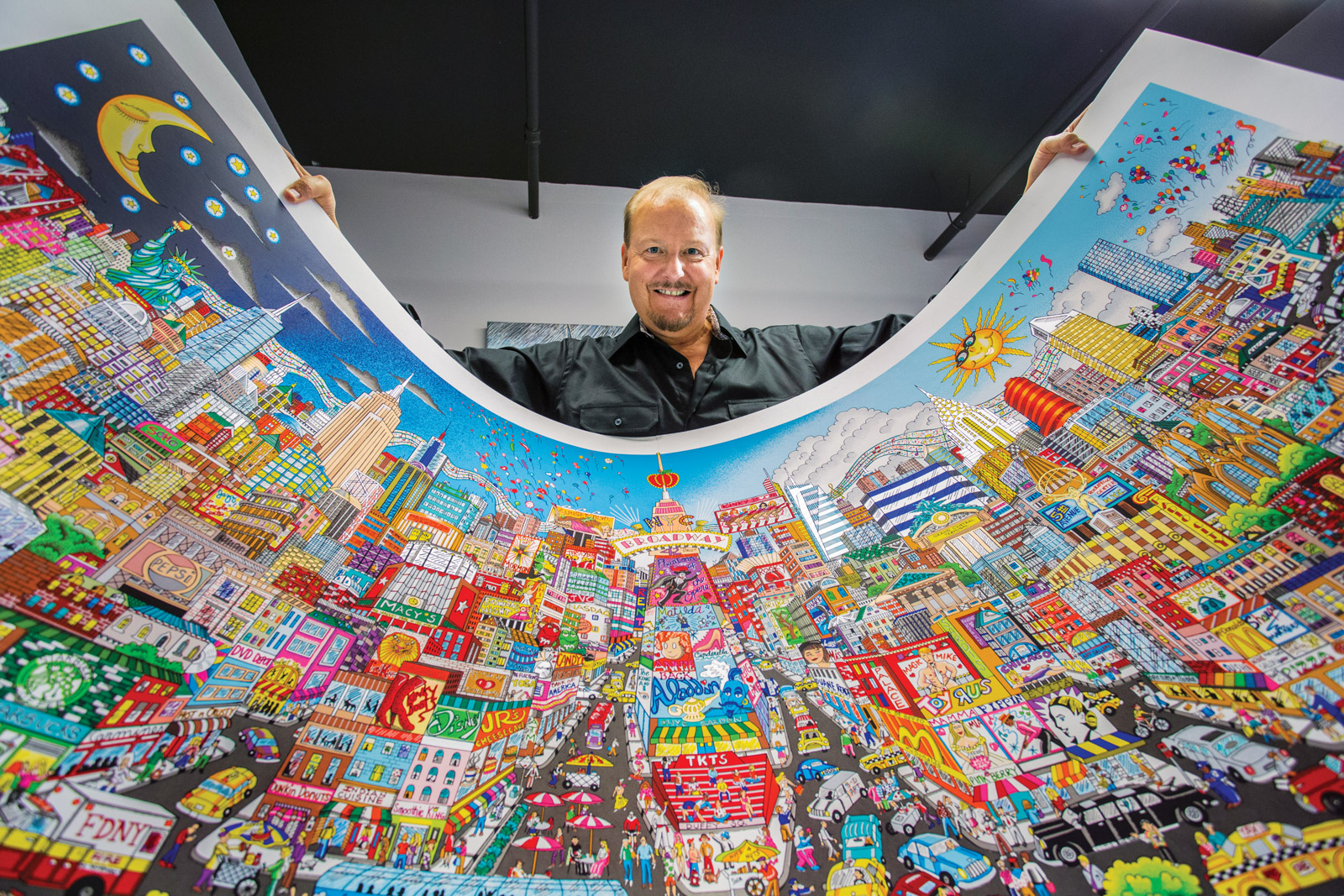
Charles Fazzino is an American pop artist, known for his silkscreen serigraphs in a 3D pop art style. His artwork incorporates influence from urban landscapes, sporting events, and modern celebrities. As described in the book about Fazzino titled The Master of 3-D Pop Art, "An innovative and imaginative storyteller, Charles Fazzino serves up a bevy of details in his unique three-dimensional creations. His collectors marvel as much at his ability to capture the entire essence of his subject matter in one statement, as they do at his use of vibrant colors, his whimsical sense of humor, and his hand-assembled multi-layered artistic style. Although, the snappy titled often gives a clue to the content of each painting, it can take years of careful observation to discern all of the details in a single Fazzino image. One of Fazzino's greatest joys is to observe visitors at exhibition of his work. 'I love to watch the smiles form as people begin to recognize elements of my paintings,' comments Fazzino. 'They point at the images as if inserting themselves into the stories. I watch that and I'm reminded of why i paint. It's all about celebrating the joy and fun we have as human beings on this planet."






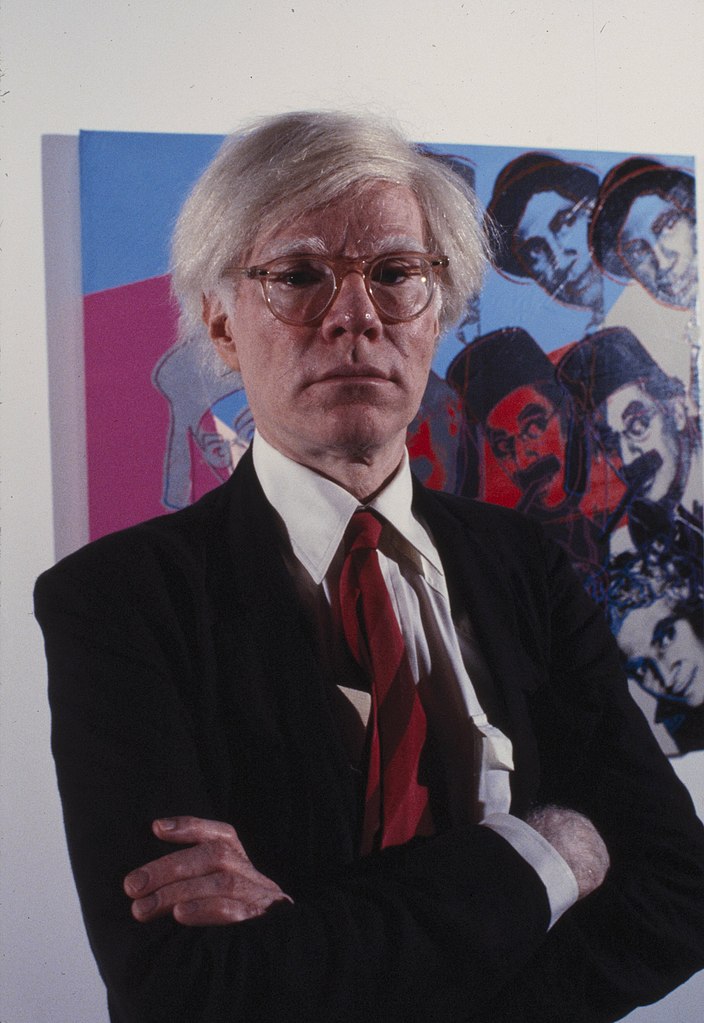
Andy Warhol, born as Andrew Warhola Jr., was an American visual artist, film director, and producer, who played a pivotal role in the development of the Pop Art movement. His art delved into the interplay between artistic expression, advertising, and celebrity culture, especially prevalent in the 1960s. Warhol was renowned for his diverse range of media, which included painting, silkscreening, photography, film, and sculpture.
Warhol's journey began in Pittsburgh, where he was born and raised, initially making a name for himself as a commercial illustrator. His New York studio, "The Factory," became a famous hub for intellectuals, celebrities, and various artistic minds. He was known for creating the notion of "Warhol superstars" and popularized the phrase "15 minutes of fame."
His contribution to the art world is significant, with notable works like "Campbell's Soup Cans" (1962) and "Marilyn Diptych" (1962), as well as his experimental films like "Empire" (1964) and "Chelsea Girls" (1966). These works not only define his career but also underscore the essence of the Pop Art movement.
Warhol's influence extended beyond his artwork. He managed and produced the experimental rock band The Velvet Underground, founded Interview magazine, and wrote several books, including "The Philosophy of Andy Warhol" and "Popism: The Warhol Sixties." Living openly as a gay man before the gay liberation movement, Warhol's personal life was as influential as his professional endeavors.
Tragically, Warhol's life was nearly cut short in 1968 when he was shot by radical feminist Valerie Solanas. He eventually passed away in 1987 due to cardiac arrhythmia following gallbladder surgery. His legacy continues, with The Andy Warhol Museum in Pittsburgh standing as the largest U.S. museum dedicated to a single artist.
Warhol's art remains highly collectible and valuable. His works, like the "Silver Car Crash (Double Disaster)" and "Shot Sage Blue Marilyn," have fetched staggering amounts at auctions, signifying his enduring impact on the art market.
For art collectors and experts, Andy Warhol's work represents a crucial intersection of pop culture and fine art, offering a unique perspective on consumerism and celebrity. His pieces are not just art; they are historical landmarks that capture a transformative era in both art and society.
To stay updated on new products, sales, and auction events related to Andy Warhol, sign up for our updates. This subscription will keep you informed about all things Warhol without overwhelming you with unnecessary information.


Andy Warhol, born as Andrew Warhola Jr., was an American visual artist, film director, and producer, who played a pivotal role in the development of the Pop Art movement. His art delved into the interplay between artistic expression, advertising, and celebrity culture, especially prevalent in the 1960s. Warhol was renowned for his diverse range of media, which included painting, silkscreening, photography, film, and sculpture.
Warhol's journey began in Pittsburgh, where he was born and raised, initially making a name for himself as a commercial illustrator. His New York studio, "The Factory," became a famous hub for intellectuals, celebrities, and various artistic minds. He was known for creating the notion of "Warhol superstars" and popularized the phrase "15 minutes of fame."
His contribution to the art world is significant, with notable works like "Campbell's Soup Cans" (1962) and "Marilyn Diptych" (1962), as well as his experimental films like "Empire" (1964) and "Chelsea Girls" (1966). These works not only define his career but also underscore the essence of the Pop Art movement.
Warhol's influence extended beyond his artwork. He managed and produced the experimental rock band The Velvet Underground, founded Interview magazine, and wrote several books, including "The Philosophy of Andy Warhol" and "Popism: The Warhol Sixties." Living openly as a gay man before the gay liberation movement, Warhol's personal life was as influential as his professional endeavors.
Tragically, Warhol's life was nearly cut short in 1968 when he was shot by radical feminist Valerie Solanas. He eventually passed away in 1987 due to cardiac arrhythmia following gallbladder surgery. His legacy continues, with The Andy Warhol Museum in Pittsburgh standing as the largest U.S. museum dedicated to a single artist.
Warhol's art remains highly collectible and valuable. His works, like the "Silver Car Crash (Double Disaster)" and "Shot Sage Blue Marilyn," have fetched staggering amounts at auctions, signifying his enduring impact on the art market.
For art collectors and experts, Andy Warhol's work represents a crucial intersection of pop culture and fine art, offering a unique perspective on consumerism and celebrity. His pieces are not just art; they are historical landmarks that capture a transformative era in both art and society.
To stay updated on new products, sales, and auction events related to Andy Warhol, sign up for our updates. This subscription will keep you informed about all things Warhol without overwhelming you with unnecessary information.


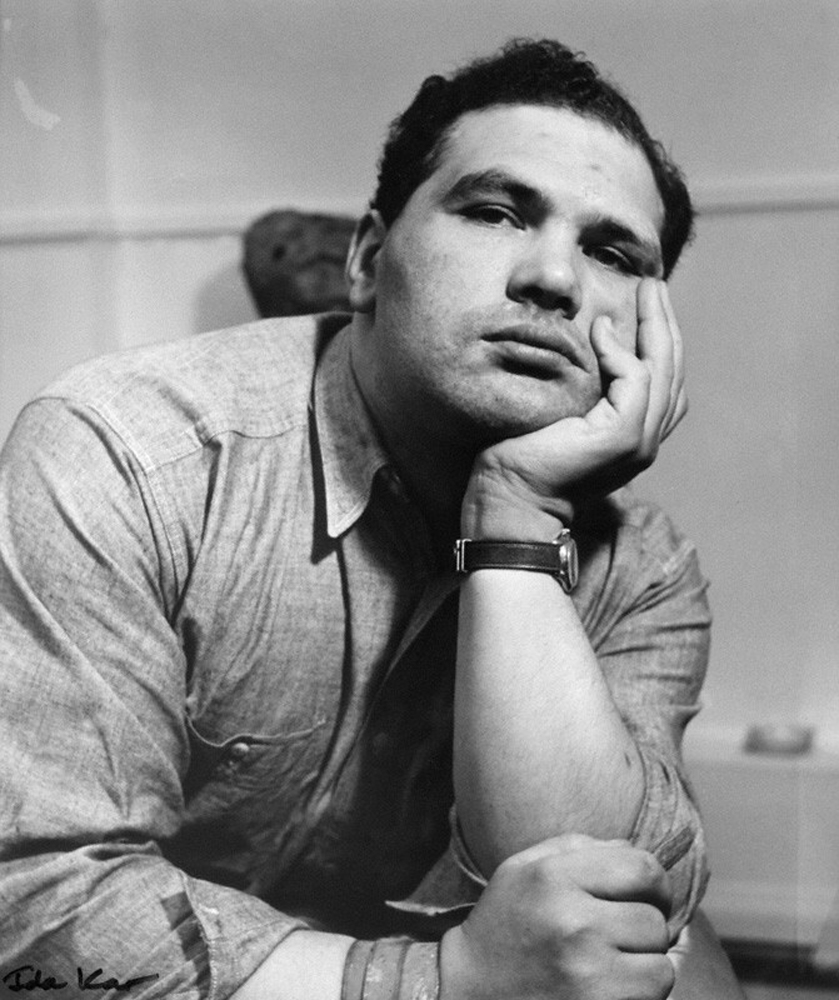
Eduardo Paolozzi was a Scottish artist renowned for his pioneering contributions to the Pop Art movement. His work, characterized by an amalgamation of popular culture references and technological imagery, played a significant role in shaping the visual arts landscape of the 20th century. Eduardo Paolozzi's graphic works, particularly from the 1960s, broke new ground in the silkscreen medium, with notable series such as "As Is When" and "Moonstrips Empire News" showcasing his innovative approach to art that combines elements of science, technology, and pop culture.
After a transformative period in Paris, where he interacted with key figures of the Surrealist movement, Eduardo Paolozzi returned to the UK, where he became a central figure in the formation of the Independent Group. This collective was instrumental in the development of British Pop Art, with Paolozzi's early collages, especially "I Was a Rich Man's Plaything," marking a seminal moment in the genre's emergence.
His artistic ventures were not confined to printmaking and collage; Eduardo Paolozzi's sculptures and mosaic murals, such as those for Tottenham Court Road tube station in London, also garnered acclaim for their intricate detail and thematic complexity. The artist's influence extended into his academic roles, where he nurtured future generations of artists.
Eduardo Paolozzi's legacy is preserved through extensive collections and exhibitions, such as at the National Galleries of Scotland, which holds a significant number of his works. This includes a recreation of his studio, providing insight into his creative process and the diverse influences that shaped his art.
For enthusiasts and collectors keen on delving deeper into Eduardo Paolozzi's world, signing up for updates can offer exclusive access to sales and auction events related to his works. This ensures that aficionados stay informed about opportunities to engage with the art and legacy of this influential figure.


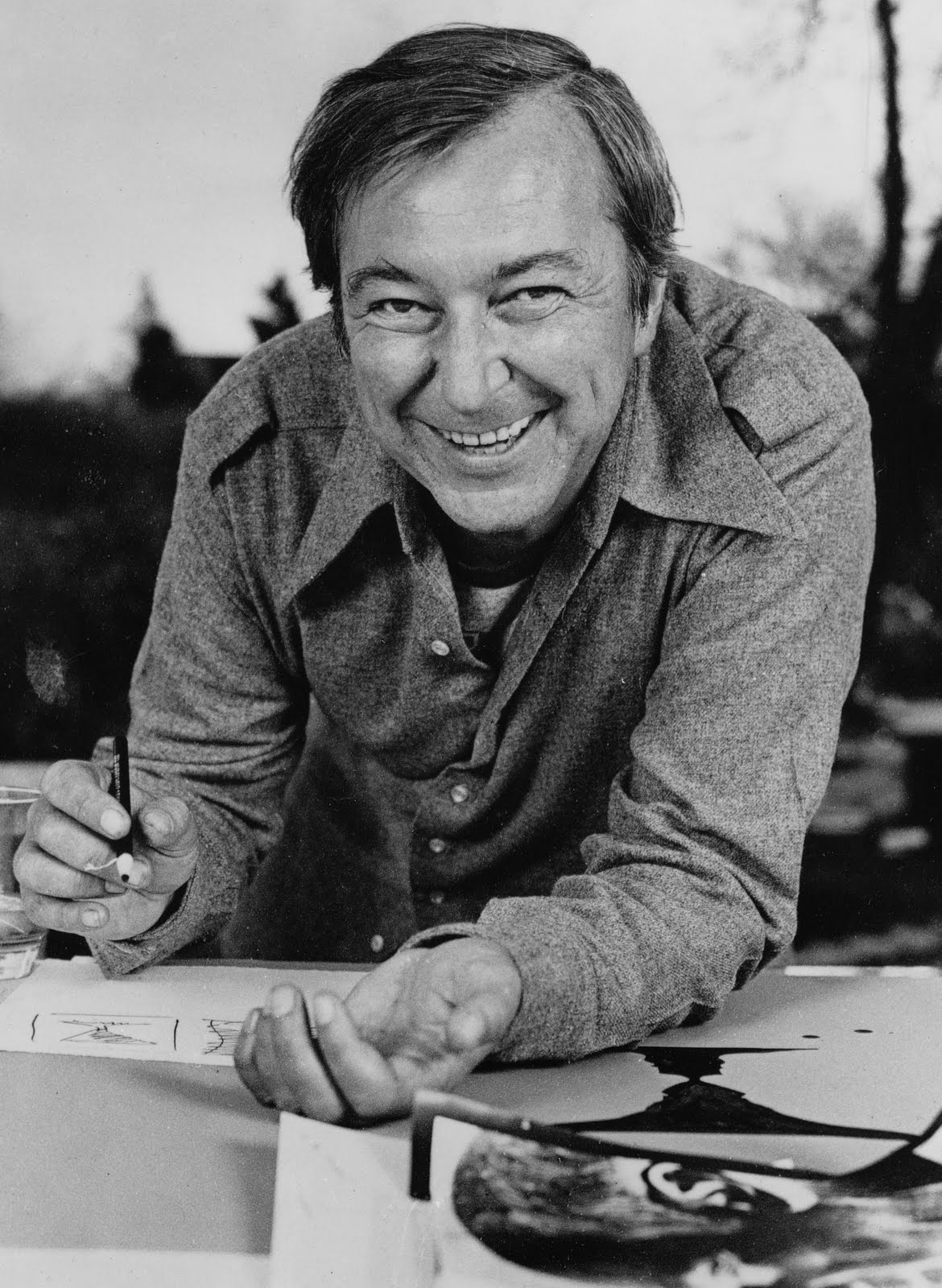
Jasper Johns, an American artist, has been a pivotal figure in the art world, celebrated for his innovative contributions to painting, sculpture, and printmaking. Johns, born in 1930, has challenged and expanded the boundaries of contemporary art with his unique approach to visual expression, blending elements of Abstract Expressionism, Neo-Dada, and Pop Art. He is perhaps best known for his iconic depictions of everyday objects and symbols, such as flags, maps, numbers, and targets, which he transforms into complex, layered works that invite contemplation on themes of identity, perception, and memory.
Johns' art is distinguished by its masterful use of texture, symbolism, and an exploration of the materiality of the medium. His technique of incorporating textural elements and found objects into his canvases blurs the lines between painting and sculpture, challenging traditional distinctions in art. For instance, his piece "Flag" (1954-55) reimagines the American flag with a surface rich in encaustic paint and newspaper clippings, creating a work that is both a familiar symbol and a deeply personal expression. Similarly, "Painted Bronze" (Ale Cans) (1960) playfully interrogates the nature of representation and the art object by presenting a lifelike bronze sculpture of beer cans, furthering the dialogue on art's relationship with the everyday.
Johns' work is held in high esteem and can be found in major museums and galleries worldwide, including the Museum of Modern Art in New York and the Tate Modern in London. His influence extends beyond his own oeuvre, impacting the development of several art movements, including Pop Art and Conceptual Art. Johns' exploration of language and semiotics, particularly in works like "According to What" (1964), prefigured the Conceptual Art movement's interest in the role of language and ideas in art.
For collectors and experts in art and antiques, Jasper Johns' work represents a critical junction in the evolution of post-war American art, offering rich insights into the interplay between cultural symbols and artistic innovation. His enduring relevance and the intellectual depth of his work continue to inspire and challenge audiences, making him a central figure in discussions of contemporary art.
To stay informed about new sales, auction events, and updates related to Jasper Johns, we invite you to sign up for our newsletter. This subscription is an excellent resource for enthusiasts and collectors eager to engage with the dynamic market for Jasper Johns' works and related artistic developments.


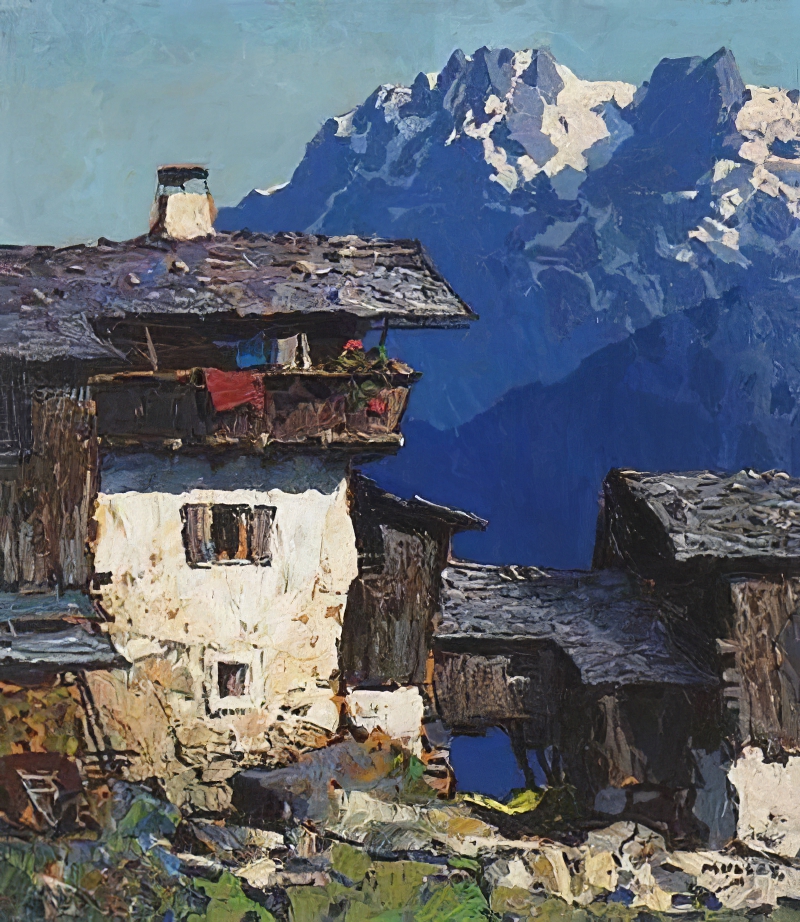
Oskar Mulley was a modern Austrian painter who is primarily known for his paintings of mountain landscapes.




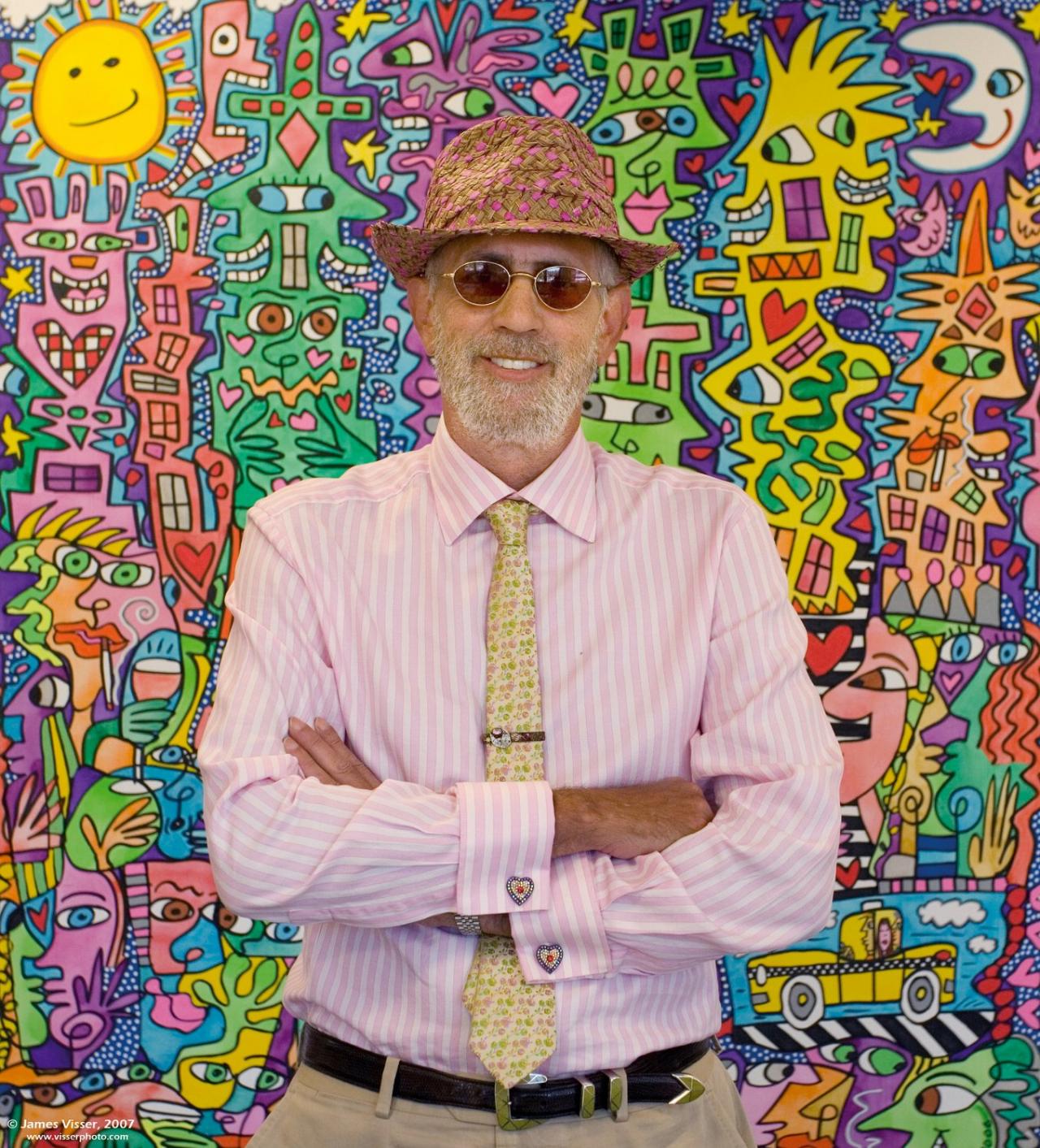
James Rizzi was a renowned American artist, celebrated for his vibrant and playful Pop Art style. Born in Brooklyn, New York, Rizzi's unique approach to art combined childlike whimsy with bold, animated creations. His 3D artworks, characterized by their intricate detail and lively city scenes, set him apart in the art world.
James Rizzi's artistic journey was marked by a series of notable achievements and contributions. He gained recognition in the late 1970s and early 1980s, showcasing his works at prestigious venues like the Brooklyn Museum and creating album covers and animations for the Tom Tom Club. His style evolved into creating 3D constructions, where he meticulously sketched scenes, added vibrant colors, and transformed them into three-dimensional art pieces. This method resulted in captivating prints that exuded a sense of movement and playfulness, drawing viewers into the energetic and diverse atmosphere of New York City.
Throughout his career, James Rizzi undertook various notable projects, including designing for the Montreux Jazz Festival, the FIFA World Cup, and the Olympics. His works were not only limited to canvases but also extended to designing cars for Volkswagen and contributing to charity projects. The "Happy Rizzi House" in Braunschweig, Germany, stands as a testament to his architectural creativity.
Art enthusiasts and collectors will find James Rizzi's work particularly intriguing due to his unique process and the joyous portrayal of urban life. His art is celebrated globally, and his influence remains significant in the Pop Art movement.
If you are a collector or an expert in art and antiques, and James Rizzi's work intrigues you, sign up for updates. Stay informed about new product sales and auction events related to James Rizzi without any pompous flair. Just the essential information, directly to your inbox.


James Rizzi was a renowned American artist, celebrated for his vibrant and playful Pop Art style. Born in Brooklyn, New York, Rizzi's unique approach to art combined childlike whimsy with bold, animated creations. His 3D artworks, characterized by their intricate detail and lively city scenes, set him apart in the art world.
James Rizzi's artistic journey was marked by a series of notable achievements and contributions. He gained recognition in the late 1970s and early 1980s, showcasing his works at prestigious venues like the Brooklyn Museum and creating album covers and animations for the Tom Tom Club. His style evolved into creating 3D constructions, where he meticulously sketched scenes, added vibrant colors, and transformed them into three-dimensional art pieces. This method resulted in captivating prints that exuded a sense of movement and playfulness, drawing viewers into the energetic and diverse atmosphere of New York City.
Throughout his career, James Rizzi undertook various notable projects, including designing for the Montreux Jazz Festival, the FIFA World Cup, and the Olympics. His works were not only limited to canvases but also extended to designing cars for Volkswagen and contributing to charity projects. The "Happy Rizzi House" in Braunschweig, Germany, stands as a testament to his architectural creativity.
Art enthusiasts and collectors will find James Rizzi's work particularly intriguing due to his unique process and the joyous portrayal of urban life. His art is celebrated globally, and his influence remains significant in the Pop Art movement.
If you are a collector or an expert in art and antiques, and James Rizzi's work intrigues you, sign up for updates. Stay informed about new product sales and auction events related to James Rizzi without any pompous flair. Just the essential information, directly to your inbox.


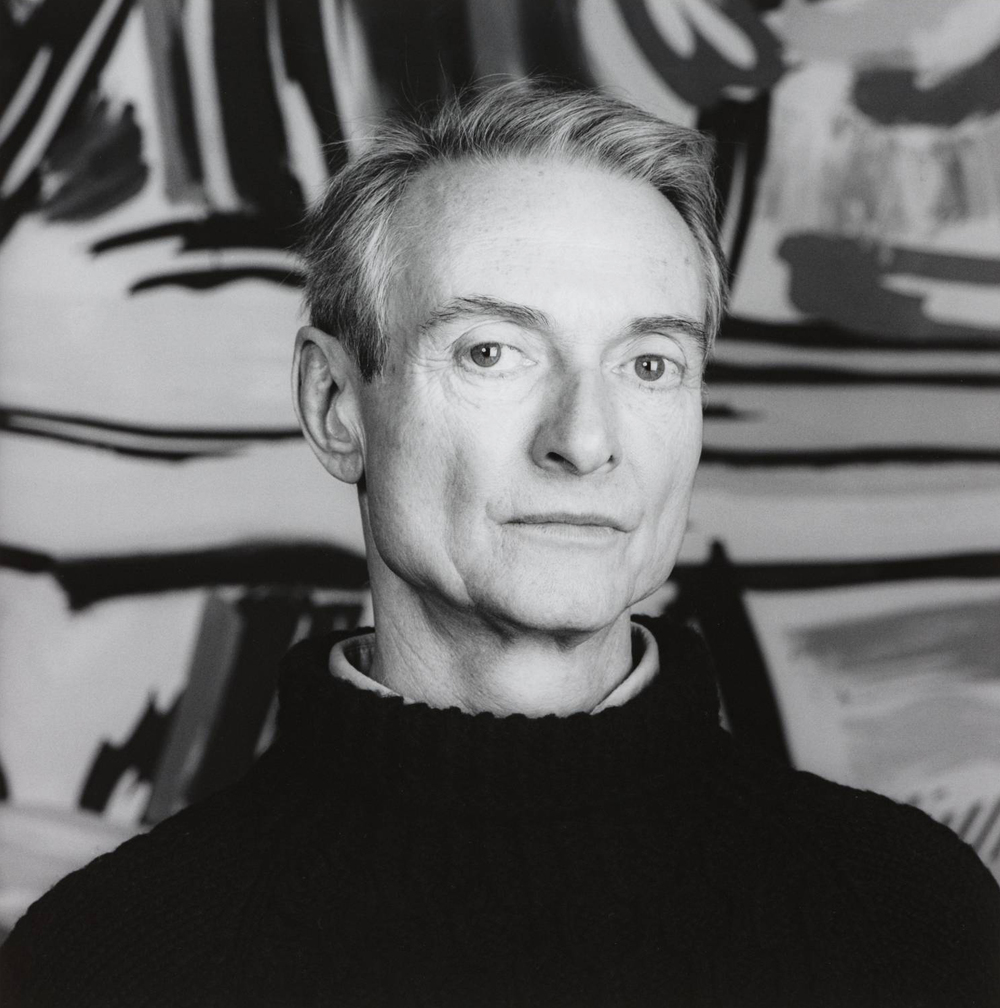
Roy Fox Lichtenstein, an American icon of the Pop Art movement, is celebrated for his comic strip-inspired art. Born in 1923 in New York City, Lichtenstein's journey into the art world was marked by various phases, evolving from Cubism and Abstract Expressionism to the distinctive Pop Art style he is renowned for.
Roy Lichtenstein's artistic career gained momentum in the 1960s, a period during which he embraced the comic strip as his primary source of inspiration. His pioneering use of Ben-Day dots, a technique borrowed from commercial printing, became his signature style, bringing a new visual language to fine art. His approach transformed mundane subjects from popular culture into compelling fine art, challenging traditional notions of artistry.
Among his most notable works, "Drowning Girl" (1963), displayed at the Museum of Modern Art in New York, exemplifies his iconic style with its bold lines, vivid colors, and Ben-Day dots. This piece, along with others like "Look Mickey" and "Whaam!", played a critical role in establishing Pop Art as a major art movement, contrasting starkly with the Abstract Expressionism prevalent at the time.
Roy Lichtenstein's art was not just limited to canvas; he explored multiple media, showcasing his versatility. His shift to Pop Art marked a significant turn in his career, bringing him fame and controversy alike. His works, often based on comic strips and advertisements, were both a parody and homage to the mass-produced, consumerist culture of his time.
For art collectors and experts, Lichtenstein's works offer a fascinating glimpse into a transformative era in art history. His approach to Pop Art remains influential, and his works are celebrated worldwide for their innovative and provocative style.
Interested in staying updated on sales and auction events featuring Roy Lichtenstein's works? Sign up for our updates. We provide straightforward, no-nonsense information on the latest in art sales and auctions related to Lichtenstein.


Roy Fox Lichtenstein, an American icon of the Pop Art movement, is celebrated for his comic strip-inspired art. Born in 1923 in New York City, Lichtenstein's journey into the art world was marked by various phases, evolving from Cubism and Abstract Expressionism to the distinctive Pop Art style he is renowned for.
Roy Lichtenstein's artistic career gained momentum in the 1960s, a period during which he embraced the comic strip as his primary source of inspiration. His pioneering use of Ben-Day dots, a technique borrowed from commercial printing, became his signature style, bringing a new visual language to fine art. His approach transformed mundane subjects from popular culture into compelling fine art, challenging traditional notions of artistry.
Among his most notable works, "Drowning Girl" (1963), displayed at the Museum of Modern Art in New York, exemplifies his iconic style with its bold lines, vivid colors, and Ben-Day dots. This piece, along with others like "Look Mickey" and "Whaam!", played a critical role in establishing Pop Art as a major art movement, contrasting starkly with the Abstract Expressionism prevalent at the time.
Roy Lichtenstein's art was not just limited to canvas; he explored multiple media, showcasing his versatility. His shift to Pop Art marked a significant turn in his career, bringing him fame and controversy alike. His works, often based on comic strips and advertisements, were both a parody and homage to the mass-produced, consumerist culture of his time.
For art collectors and experts, Lichtenstein's works offer a fascinating glimpse into a transformative era in art history. His approach to Pop Art remains influential, and his works are celebrated worldwide for their innovative and provocative style.
Interested in staying updated on sales and auction events featuring Roy Lichtenstein's works? Sign up for our updates. We provide straightforward, no-nonsense information on the latest in art sales and auctions related to Lichtenstein.


Roy Fox Lichtenstein, an American icon of the Pop Art movement, is celebrated for his comic strip-inspired art. Born in 1923 in New York City, Lichtenstein's journey into the art world was marked by various phases, evolving from Cubism and Abstract Expressionism to the distinctive Pop Art style he is renowned for.
Roy Lichtenstein's artistic career gained momentum in the 1960s, a period during which he embraced the comic strip as his primary source of inspiration. His pioneering use of Ben-Day dots, a technique borrowed from commercial printing, became his signature style, bringing a new visual language to fine art. His approach transformed mundane subjects from popular culture into compelling fine art, challenging traditional notions of artistry.
Among his most notable works, "Drowning Girl" (1963), displayed at the Museum of Modern Art in New York, exemplifies his iconic style with its bold lines, vivid colors, and Ben-Day dots. This piece, along with others like "Look Mickey" and "Whaam!", played a critical role in establishing Pop Art as a major art movement, contrasting starkly with the Abstract Expressionism prevalent at the time.
Roy Lichtenstein's art was not just limited to canvas; he explored multiple media, showcasing his versatility. His shift to Pop Art marked a significant turn in his career, bringing him fame and controversy alike. His works, often based on comic strips and advertisements, were both a parody and homage to the mass-produced, consumerist culture of his time.
For art collectors and experts, Lichtenstein's works offer a fascinating glimpse into a transformative era in art history. His approach to Pop Art remains influential, and his works are celebrated worldwide for their innovative and provocative style.
Interested in staying updated on sales and auction events featuring Roy Lichtenstein's works? Sign up for our updates. We provide straightforward, no-nonsense information on the latest in art sales and auctions related to Lichtenstein.


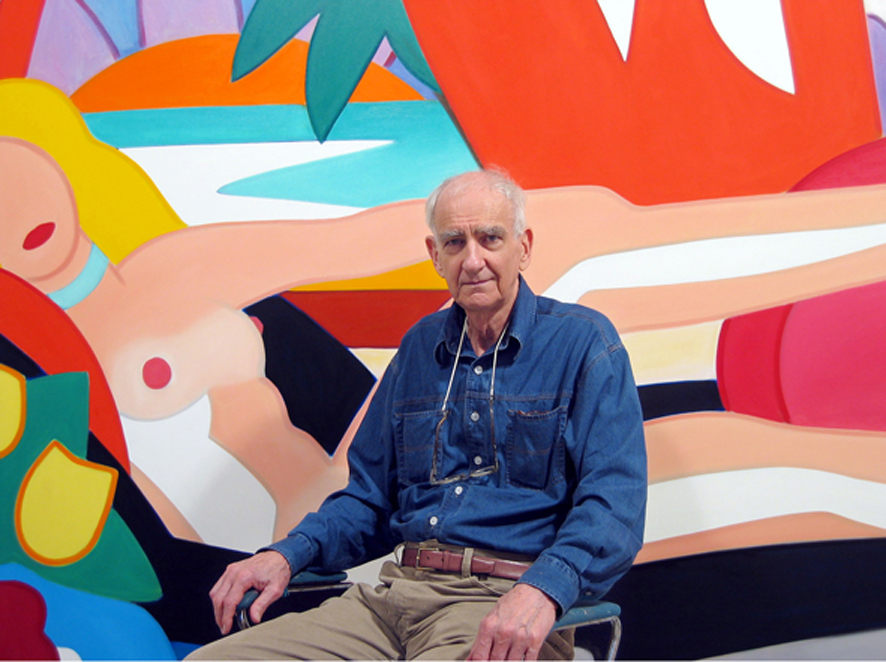
Tom Wesselmann was an American artist associated with the Pop Art movement who worked in painting, collage and sculpture.


Andy Warhol, born as Andrew Warhola Jr., was an American visual artist, film director, and producer, who played a pivotal role in the development of the Pop Art movement. His art delved into the interplay between artistic expression, advertising, and celebrity culture, especially prevalent in the 1960s. Warhol was renowned for his diverse range of media, which included painting, silkscreening, photography, film, and sculpture.
Warhol's journey began in Pittsburgh, where he was born and raised, initially making a name for himself as a commercial illustrator. His New York studio, "The Factory," became a famous hub for intellectuals, celebrities, and various artistic minds. He was known for creating the notion of "Warhol superstars" and popularized the phrase "15 minutes of fame."
His contribution to the art world is significant, with notable works like "Campbell's Soup Cans" (1962) and "Marilyn Diptych" (1962), as well as his experimental films like "Empire" (1964) and "Chelsea Girls" (1966). These works not only define his career but also underscore the essence of the Pop Art movement.
Warhol's influence extended beyond his artwork. He managed and produced the experimental rock band The Velvet Underground, founded Interview magazine, and wrote several books, including "The Philosophy of Andy Warhol" and "Popism: The Warhol Sixties." Living openly as a gay man before the gay liberation movement, Warhol's personal life was as influential as his professional endeavors.
Tragically, Warhol's life was nearly cut short in 1968 when he was shot by radical feminist Valerie Solanas. He eventually passed away in 1987 due to cardiac arrhythmia following gallbladder surgery. His legacy continues, with The Andy Warhol Museum in Pittsburgh standing as the largest U.S. museum dedicated to a single artist.
Warhol's art remains highly collectible and valuable. His works, like the "Silver Car Crash (Double Disaster)" and "Shot Sage Blue Marilyn," have fetched staggering amounts at auctions, signifying his enduring impact on the art market.
For art collectors and experts, Andy Warhol's work represents a crucial intersection of pop culture and fine art, offering a unique perspective on consumerism and celebrity. His pieces are not just art; they are historical landmarks that capture a transformative era in both art and society.
To stay updated on new products, sales, and auction events related to Andy Warhol, sign up for our updates. This subscription will keep you informed about all things Warhol without overwhelming you with unnecessary information.


Andy Warhol, born as Andrew Warhola Jr., was an American visual artist, film director, and producer, who played a pivotal role in the development of the Pop Art movement. His art delved into the interplay between artistic expression, advertising, and celebrity culture, especially prevalent in the 1960s. Warhol was renowned for his diverse range of media, which included painting, silkscreening, photography, film, and sculpture.
Warhol's journey began in Pittsburgh, where he was born and raised, initially making a name for himself as a commercial illustrator. His New York studio, "The Factory," became a famous hub for intellectuals, celebrities, and various artistic minds. He was known for creating the notion of "Warhol superstars" and popularized the phrase "15 minutes of fame."
His contribution to the art world is significant, with notable works like "Campbell's Soup Cans" (1962) and "Marilyn Diptych" (1962), as well as his experimental films like "Empire" (1964) and "Chelsea Girls" (1966). These works not only define his career but also underscore the essence of the Pop Art movement.
Warhol's influence extended beyond his artwork. He managed and produced the experimental rock band The Velvet Underground, founded Interview magazine, and wrote several books, including "The Philosophy of Andy Warhol" and "Popism: The Warhol Sixties." Living openly as a gay man before the gay liberation movement, Warhol's personal life was as influential as his professional endeavors.
Tragically, Warhol's life was nearly cut short in 1968 when he was shot by radical feminist Valerie Solanas. He eventually passed away in 1987 due to cardiac arrhythmia following gallbladder surgery. His legacy continues, with The Andy Warhol Museum in Pittsburgh standing as the largest U.S. museum dedicated to a single artist.
Warhol's art remains highly collectible and valuable. His works, like the "Silver Car Crash (Double Disaster)" and "Shot Sage Blue Marilyn," have fetched staggering amounts at auctions, signifying his enduring impact on the art market.
For art collectors and experts, Andy Warhol's work represents a crucial intersection of pop culture and fine art, offering a unique perspective on consumerism and celebrity. His pieces are not just art; they are historical landmarks that capture a transformative era in both art and society.
To stay updated on new products, sales, and auction events related to Andy Warhol, sign up for our updates. This subscription will keep you informed about all things Warhol without overwhelming you with unnecessary information.


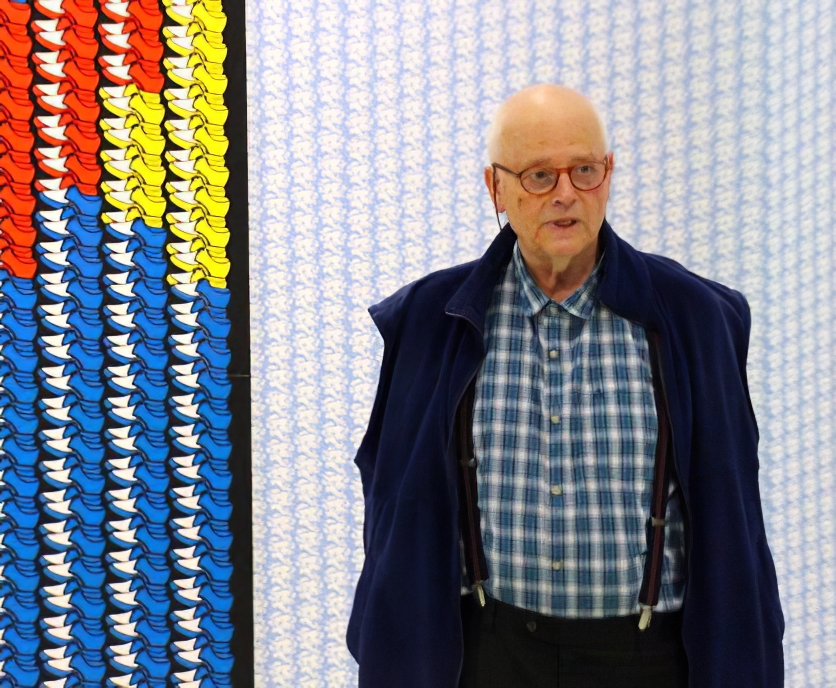


Andy Warhol, born as Andrew Warhola Jr., was an American visual artist, film director, and producer, who played a pivotal role in the development of the Pop Art movement. His art delved into the interplay between artistic expression, advertising, and celebrity culture, especially prevalent in the 1960s. Warhol was renowned for his diverse range of media, which included painting, silkscreening, photography, film, and sculpture.
Warhol's journey began in Pittsburgh, where he was born and raised, initially making a name for himself as a commercial illustrator. His New York studio, "The Factory," became a famous hub for intellectuals, celebrities, and various artistic minds. He was known for creating the notion of "Warhol superstars" and popularized the phrase "15 minutes of fame."
His contribution to the art world is significant, with notable works like "Campbell's Soup Cans" (1962) and "Marilyn Diptych" (1962), as well as his experimental films like "Empire" (1964) and "Chelsea Girls" (1966). These works not only define his career but also underscore the essence of the Pop Art movement.
Warhol's influence extended beyond his artwork. He managed and produced the experimental rock band The Velvet Underground, founded Interview magazine, and wrote several books, including "The Philosophy of Andy Warhol" and "Popism: The Warhol Sixties." Living openly as a gay man before the gay liberation movement, Warhol's personal life was as influential as his professional endeavors.
Tragically, Warhol's life was nearly cut short in 1968 when he was shot by radical feminist Valerie Solanas. He eventually passed away in 1987 due to cardiac arrhythmia following gallbladder surgery. His legacy continues, with The Andy Warhol Museum in Pittsburgh standing as the largest U.S. museum dedicated to a single artist.
Warhol's art remains highly collectible and valuable. His works, like the "Silver Car Crash (Double Disaster)" and "Shot Sage Blue Marilyn," have fetched staggering amounts at auctions, signifying his enduring impact on the art market.
For art collectors and experts, Andy Warhol's work represents a crucial intersection of pop culture and fine art, offering a unique perspective on consumerism and celebrity. His pieces are not just art; they are historical landmarks that capture a transformative era in both art and society.
To stay updated on new products, sales, and auction events related to Andy Warhol, sign up for our updates. This subscription will keep you informed about all things Warhol without overwhelming you with unnecessary information.


Andy Warhol, born as Andrew Warhola Jr., was an American visual artist, film director, and producer, who played a pivotal role in the development of the Pop Art movement. His art delved into the interplay between artistic expression, advertising, and celebrity culture, especially prevalent in the 1960s. Warhol was renowned for his diverse range of media, which included painting, silkscreening, photography, film, and sculpture.
Warhol's journey began in Pittsburgh, where he was born and raised, initially making a name for himself as a commercial illustrator. His New York studio, "The Factory," became a famous hub for intellectuals, celebrities, and various artistic minds. He was known for creating the notion of "Warhol superstars" and popularized the phrase "15 minutes of fame."
His contribution to the art world is significant, with notable works like "Campbell's Soup Cans" (1962) and "Marilyn Diptych" (1962), as well as his experimental films like "Empire" (1964) and "Chelsea Girls" (1966). These works not only define his career but also underscore the essence of the Pop Art movement.
Warhol's influence extended beyond his artwork. He managed and produced the experimental rock band The Velvet Underground, founded Interview magazine, and wrote several books, including "The Philosophy of Andy Warhol" and "Popism: The Warhol Sixties." Living openly as a gay man before the gay liberation movement, Warhol's personal life was as influential as his professional endeavors.
Tragically, Warhol's life was nearly cut short in 1968 when he was shot by radical feminist Valerie Solanas. He eventually passed away in 1987 due to cardiac arrhythmia following gallbladder surgery. His legacy continues, with The Andy Warhol Museum in Pittsburgh standing as the largest U.S. museum dedicated to a single artist.
Warhol's art remains highly collectible and valuable. His works, like the "Silver Car Crash (Double Disaster)" and "Shot Sage Blue Marilyn," have fetched staggering amounts at auctions, signifying his enduring impact on the art market.
For art collectors and experts, Andy Warhol's work represents a crucial intersection of pop culture and fine art, offering a unique perspective on consumerism and celebrity. His pieces are not just art; they are historical landmarks that capture a transformative era in both art and society.
To stay updated on new products, sales, and auction events related to Andy Warhol, sign up for our updates. This subscription will keep you informed about all things Warhol without overwhelming you with unnecessary information.


Andy Warhol, born as Andrew Warhola Jr., was an American visual artist, film director, and producer, who played a pivotal role in the development of the Pop Art movement. His art delved into the interplay between artistic expression, advertising, and celebrity culture, especially prevalent in the 1960s. Warhol was renowned for his diverse range of media, which included painting, silkscreening, photography, film, and sculpture.
Warhol's journey began in Pittsburgh, where he was born and raised, initially making a name for himself as a commercial illustrator. His New York studio, "The Factory," became a famous hub for intellectuals, celebrities, and various artistic minds. He was known for creating the notion of "Warhol superstars" and popularized the phrase "15 minutes of fame."
His contribution to the art world is significant, with notable works like "Campbell's Soup Cans" (1962) and "Marilyn Diptych" (1962), as well as his experimental films like "Empire" (1964) and "Chelsea Girls" (1966). These works not only define his career but also underscore the essence of the Pop Art movement.
Warhol's influence extended beyond his artwork. He managed and produced the experimental rock band The Velvet Underground, founded Interview magazine, and wrote several books, including "The Philosophy of Andy Warhol" and "Popism: The Warhol Sixties." Living openly as a gay man before the gay liberation movement, Warhol's personal life was as influential as his professional endeavors.
Tragically, Warhol's life was nearly cut short in 1968 when he was shot by radical feminist Valerie Solanas. He eventually passed away in 1987 due to cardiac arrhythmia following gallbladder surgery. His legacy continues, with The Andy Warhol Museum in Pittsburgh standing as the largest U.S. museum dedicated to a single artist.
Warhol's art remains highly collectible and valuable. His works, like the "Silver Car Crash (Double Disaster)" and "Shot Sage Blue Marilyn," have fetched staggering amounts at auctions, signifying his enduring impact on the art market.
For art collectors and experts, Andy Warhol's work represents a crucial intersection of pop culture and fine art, offering a unique perspective on consumerism and celebrity. His pieces are not just art; they are historical landmarks that capture a transformative era in both art and society.
To stay updated on new products, sales, and auction events related to Andy Warhol, sign up for our updates. This subscription will keep you informed about all things Warhol without overwhelming you with unnecessary information.


Andy Warhol, born as Andrew Warhola Jr., was an American visual artist, film director, and producer, who played a pivotal role in the development of the Pop Art movement. His art delved into the interplay between artistic expression, advertising, and celebrity culture, especially prevalent in the 1960s. Warhol was renowned for his diverse range of media, which included painting, silkscreening, photography, film, and sculpture.
Warhol's journey began in Pittsburgh, where he was born and raised, initially making a name for himself as a commercial illustrator. His New York studio, "The Factory," became a famous hub for intellectuals, celebrities, and various artistic minds. He was known for creating the notion of "Warhol superstars" and popularized the phrase "15 minutes of fame."
His contribution to the art world is significant, with notable works like "Campbell's Soup Cans" (1962) and "Marilyn Diptych" (1962), as well as his experimental films like "Empire" (1964) and "Chelsea Girls" (1966). These works not only define his career but also underscore the essence of the Pop Art movement.
Warhol's influence extended beyond his artwork. He managed and produced the experimental rock band The Velvet Underground, founded Interview magazine, and wrote several books, including "The Philosophy of Andy Warhol" and "Popism: The Warhol Sixties." Living openly as a gay man before the gay liberation movement, Warhol's personal life was as influential as his professional endeavors.
Tragically, Warhol's life was nearly cut short in 1968 when he was shot by radical feminist Valerie Solanas. He eventually passed away in 1987 due to cardiac arrhythmia following gallbladder surgery. His legacy continues, with The Andy Warhol Museum in Pittsburgh standing as the largest U.S. museum dedicated to a single artist.
Warhol's art remains highly collectible and valuable. His works, like the "Silver Car Crash (Double Disaster)" and "Shot Sage Blue Marilyn," have fetched staggering amounts at auctions, signifying his enduring impact on the art market.
For art collectors and experts, Andy Warhol's work represents a crucial intersection of pop culture and fine art, offering a unique perspective on consumerism and celebrity. His pieces are not just art; they are historical landmarks that capture a transformative era in both art and society.
To stay updated on new products, sales, and auction events related to Andy Warhol, sign up for our updates. This subscription will keep you informed about all things Warhol without overwhelming you with unnecessary information.


Andy Warhol, born as Andrew Warhola Jr., was an American visual artist, film director, and producer, who played a pivotal role in the development of the Pop Art movement. His art delved into the interplay between artistic expression, advertising, and celebrity culture, especially prevalent in the 1960s. Warhol was renowned for his diverse range of media, which included painting, silkscreening, photography, film, and sculpture.
Warhol's journey began in Pittsburgh, where he was born and raised, initially making a name for himself as a commercial illustrator. His New York studio, "The Factory," became a famous hub for intellectuals, celebrities, and various artistic minds. He was known for creating the notion of "Warhol superstars" and popularized the phrase "15 minutes of fame."
His contribution to the art world is significant, with notable works like "Campbell's Soup Cans" (1962) and "Marilyn Diptych" (1962), as well as his experimental films like "Empire" (1964) and "Chelsea Girls" (1966). These works not only define his career but also underscore the essence of the Pop Art movement.
Warhol's influence extended beyond his artwork. He managed and produced the experimental rock band The Velvet Underground, founded Interview magazine, and wrote several books, including "The Philosophy of Andy Warhol" and "Popism: The Warhol Sixties." Living openly as a gay man before the gay liberation movement, Warhol's personal life was as influential as his professional endeavors.
Tragically, Warhol's life was nearly cut short in 1968 when he was shot by radical feminist Valerie Solanas. He eventually passed away in 1987 due to cardiac arrhythmia following gallbladder surgery. His legacy continues, with The Andy Warhol Museum in Pittsburgh standing as the largest U.S. museum dedicated to a single artist.
Warhol's art remains highly collectible and valuable. His works, like the "Silver Car Crash (Double Disaster)" and "Shot Sage Blue Marilyn," have fetched staggering amounts at auctions, signifying his enduring impact on the art market.
For art collectors and experts, Andy Warhol's work represents a crucial intersection of pop culture and fine art, offering a unique perspective on consumerism and celebrity. His pieces are not just art; they are historical landmarks that capture a transformative era in both art and society.
To stay updated on new products, sales, and auction events related to Andy Warhol, sign up for our updates. This subscription will keep you informed about all things Warhol without overwhelming you with unnecessary information.