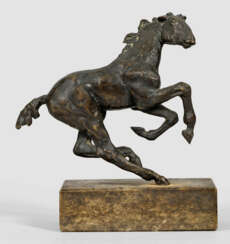
reiter/reiterin


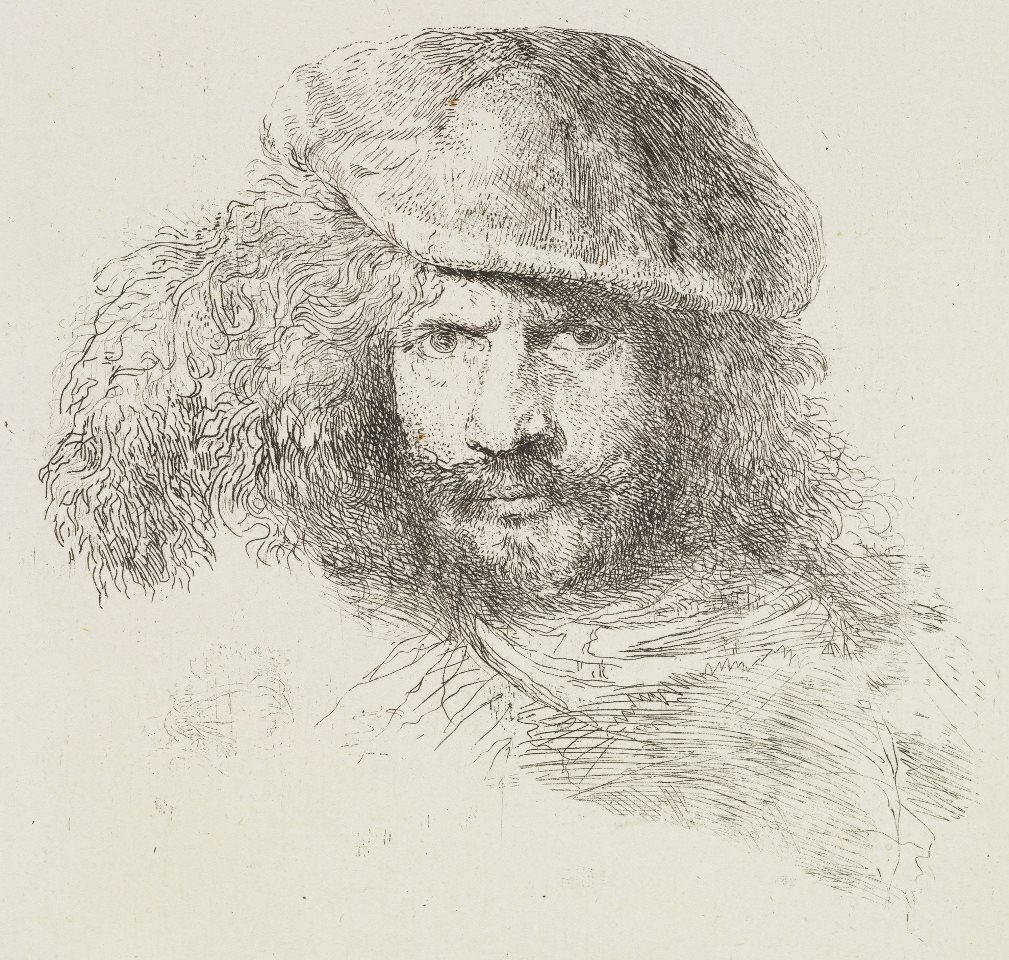
Giovanni Benedetto Castiglione or Il Grechetto was an Italian Baroque painter, draftsman and printmaker.
He is one of the prominent representatives of the Genoese school, working at various times in Genoa, Venice and Rome. Castiglione is believed to be the author of monotype, a type of graphic art and a technique of printmaking that is not engraving.
Castiglione was a versatile and prolific painter, while working in a wide variety of styles that he studied carefully. His paintings pay tribute to Rubens, Van Dyck and Bernardo Strozzi, who worked in Genoa, and his etchings pay tribute to Rembrandt. Castiglione painted expressive portraits, historical and religious works and landscapes, and excelled in rural scenes with animals.


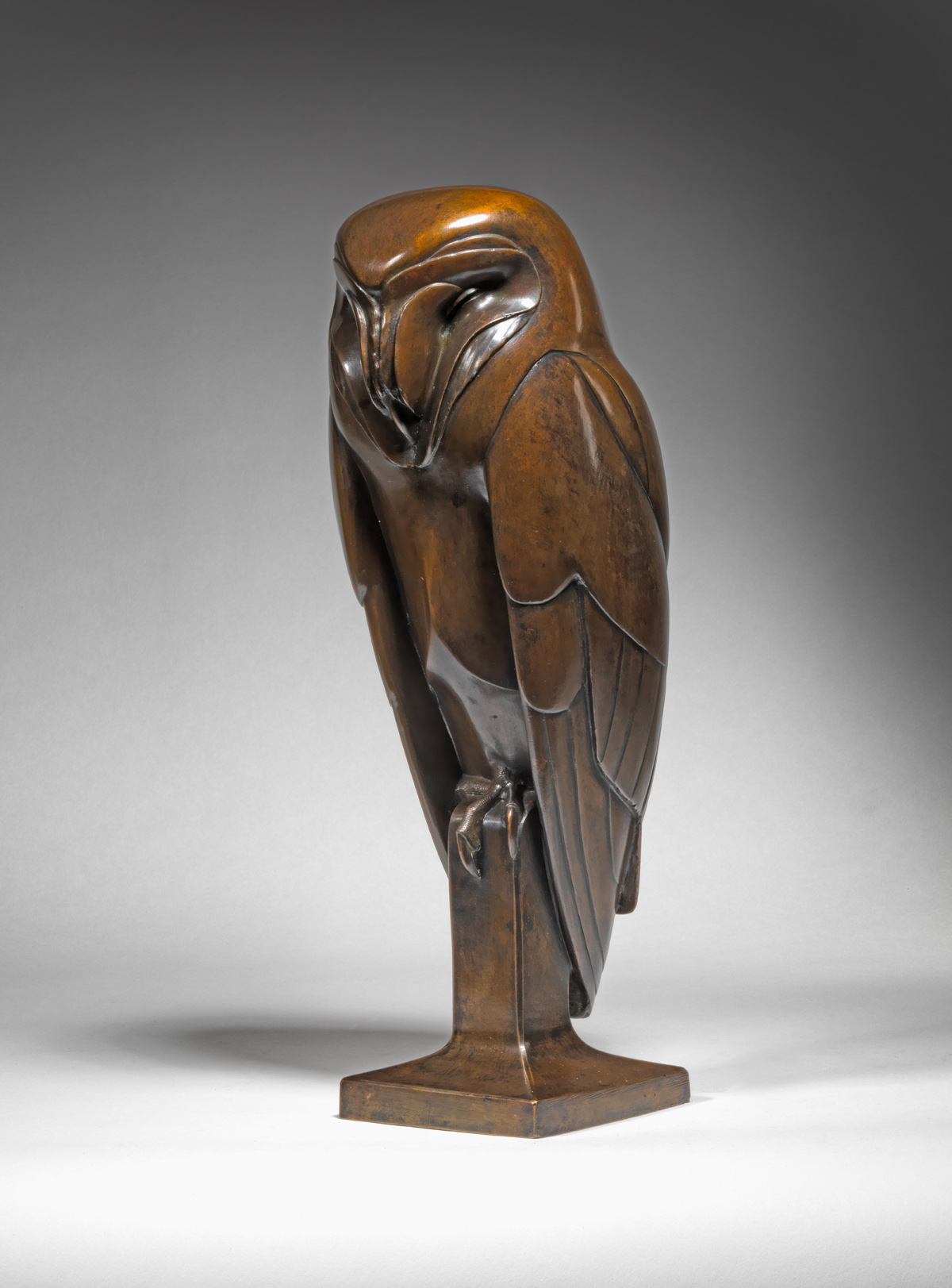
Wilhelm Siegmund Anton Louis Krieger was a German sculptor.


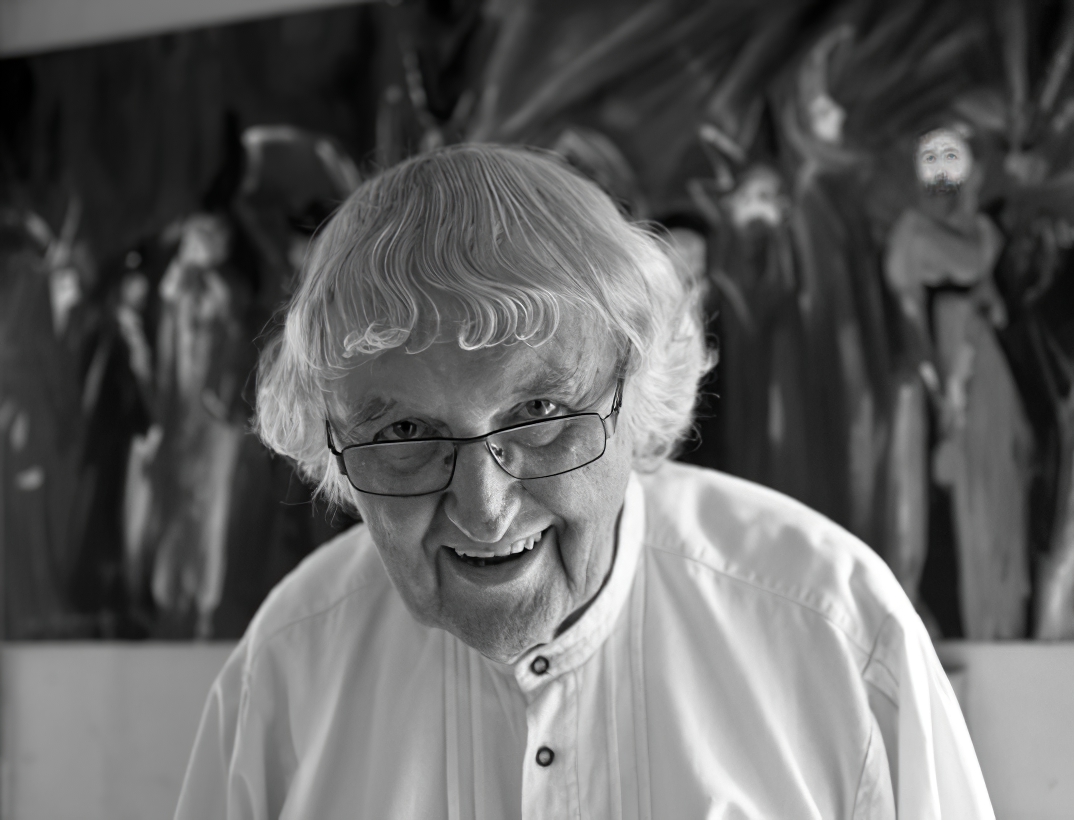
Heinz Werner was a German painter, graphic artist and porcelain artist. He lived and worked in Coswig and Meissen in Saxony.
Together with Ludwig Zepner and Peter Strang, he founded the Collective Artistic Development Department of the Meissen Manufactory.
Heinz Werner designed around 100 modern Meissen décors, including such popular ones as 1001 Nights, Midsummer Night's Dream, Blue Orchid on Branch and Hunter's Latin. Heinz Werner also created numerous unique pieces for the Meissen manufactory. There are several murals made of Meissen porcelain by the artist on and in public buildings. He mastered all artistic techniques. In addition to working with porcelain as a material, he especially cultivated watercolour, chalk and painting with oil and acrylic paints.







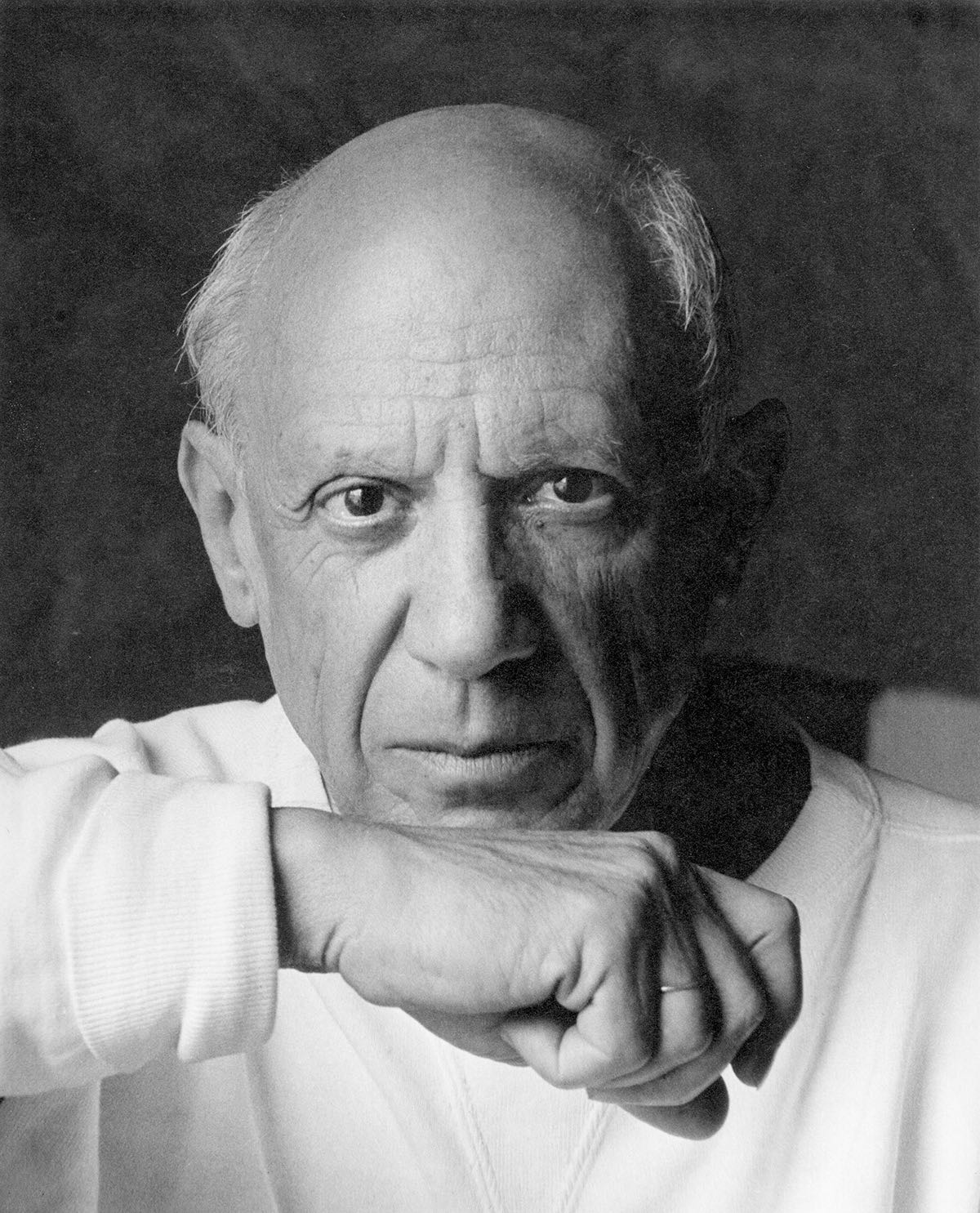
Pablo Ruiz Picasso, a Spanish artist renowned for his revolutionary contributions to the 20th-century art scene, is a figure that resonates profoundly with collectors and art experts. His unique blend of talents in painting, sculpture, printmaking, and ceramic art, infused with his time in France, positioned him as a pivotal character in modern art history.
Picasso's artistic journey was marked by distinct periods, each showcasing his evolving style and genius. His early years were characterized by the Blue Period (1901-1904), followed by the Rose Period (1904-1906), and then the African-influenced Period (1907-1909). Picasso's name is synonymous with Cubism, a movement he co-founded, which significantly altered artistic perspectives and methods. Works like "Les Demoiselles d'Avignon" (1907) and "Guernica" (1937) are emblematic of his cubist legacy, the latter being a poignant anti-war statement that remains influential.
His later years saw a return to more traditional styles, with neoclassical and surrealist influences becoming evident. Works from these phases reflect a deep engagement with mythological themes, as seen in "Faun with Stars" (1955), symbolizing his late-life romance with Jacqueline Roque, his second wife.
Picasso's prolific output and innovative spirit made him a legend in his own time, a status that only grew after his death. His works, housed in major museums and private collections worldwide, continue to captivate and inspire.
As a collector or expert in art and antiques, staying informed about Picasso's works, their auction events, and sales is essential. To stay updated on the latest developments and opportunities related to Pablo Picasso, sign up for our specialized updates. Rest assured, this subscription will focus solely on new product sales and auction events pertaining to Picasso's art, ensuring that you receive only the most relevant and valuable information.