rosen




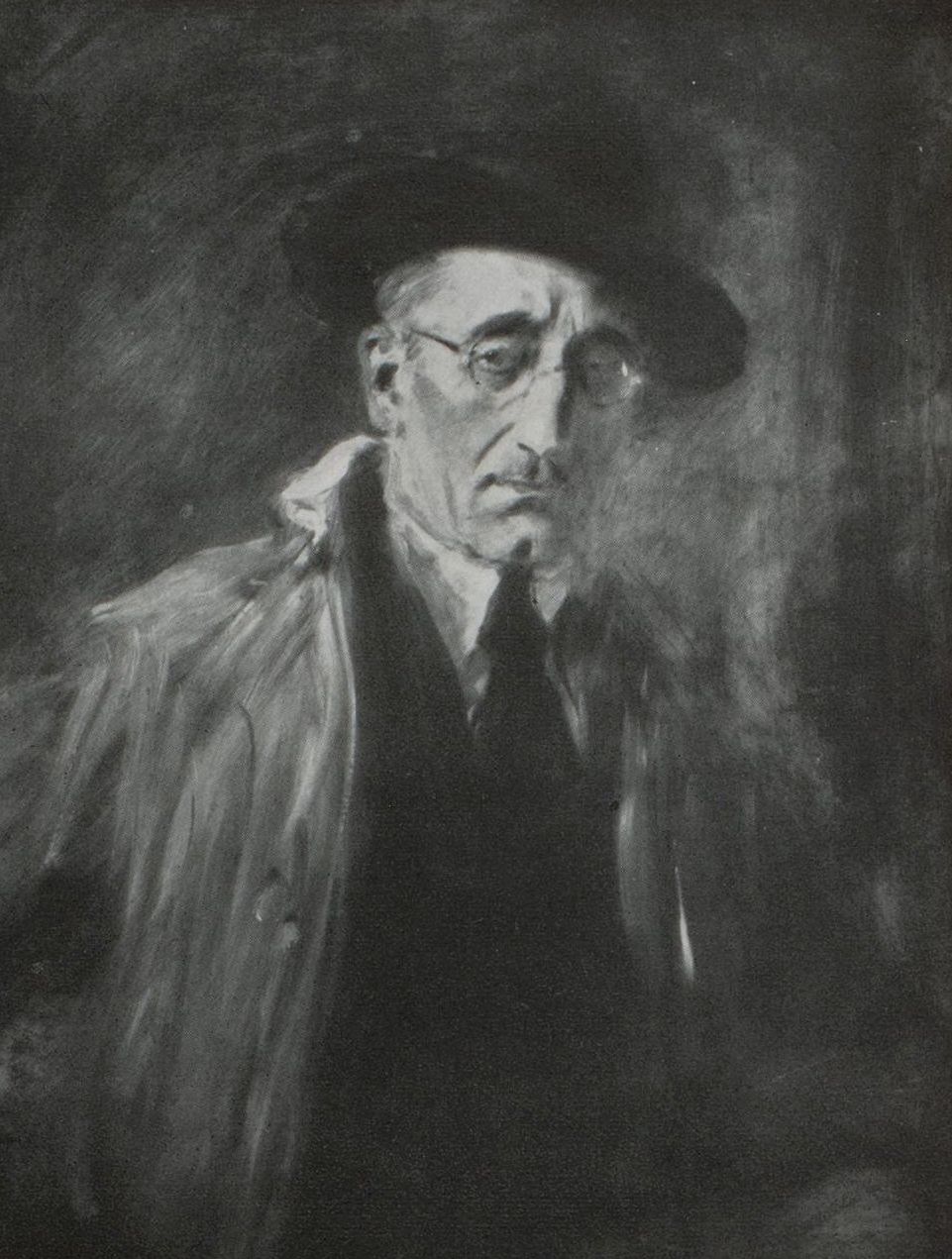
Ferdinand Liebermann was a German sculptor.
Liebermann studied sculpture at the School of Arts and Crafts and at the Academy in Munich with Heinrich Wadere. After additional studies in Rome and Paris, he opened his studio in Munich in 1910 and was awarded the Grand Austrian State Medal in gold for a small bronze the same year. In 1926 he became professor of monumental and portrait sculpture in Munich.
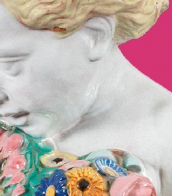
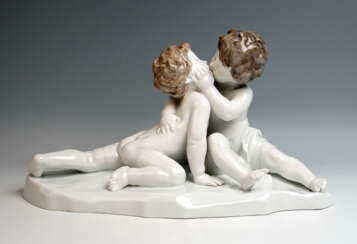
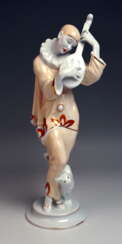
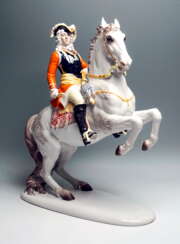
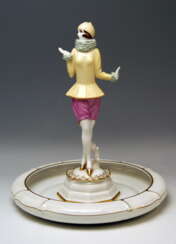
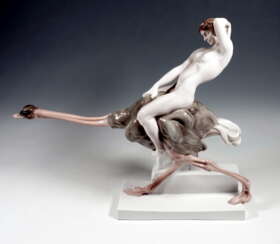
Ferdinand Liebermann's works include numerous sculptures of buildings, monuments and fountains, and he was also one of the most important figure designers for the Rosenthal manufactory.



Ferdinand Liebermann was a German sculptor.
Liebermann studied sculpture at the School of Arts and Crafts and at the Academy in Munich with Heinrich Wadere. After additional studies in Rome and Paris, he opened his studio in Munich in 1910 and was awarded the Grand Austrian State Medal in gold for a small bronze the same year. In 1926 he became professor of monumental and portrait sculpture in Munich.
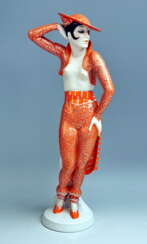
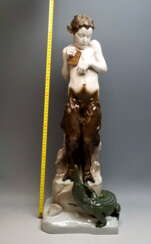
Ferdinand Liebermann's works include numerous sculptures of buildings, monuments and fountains, and he was also one of the most important figure designers for the Rosenthal manufactory.