

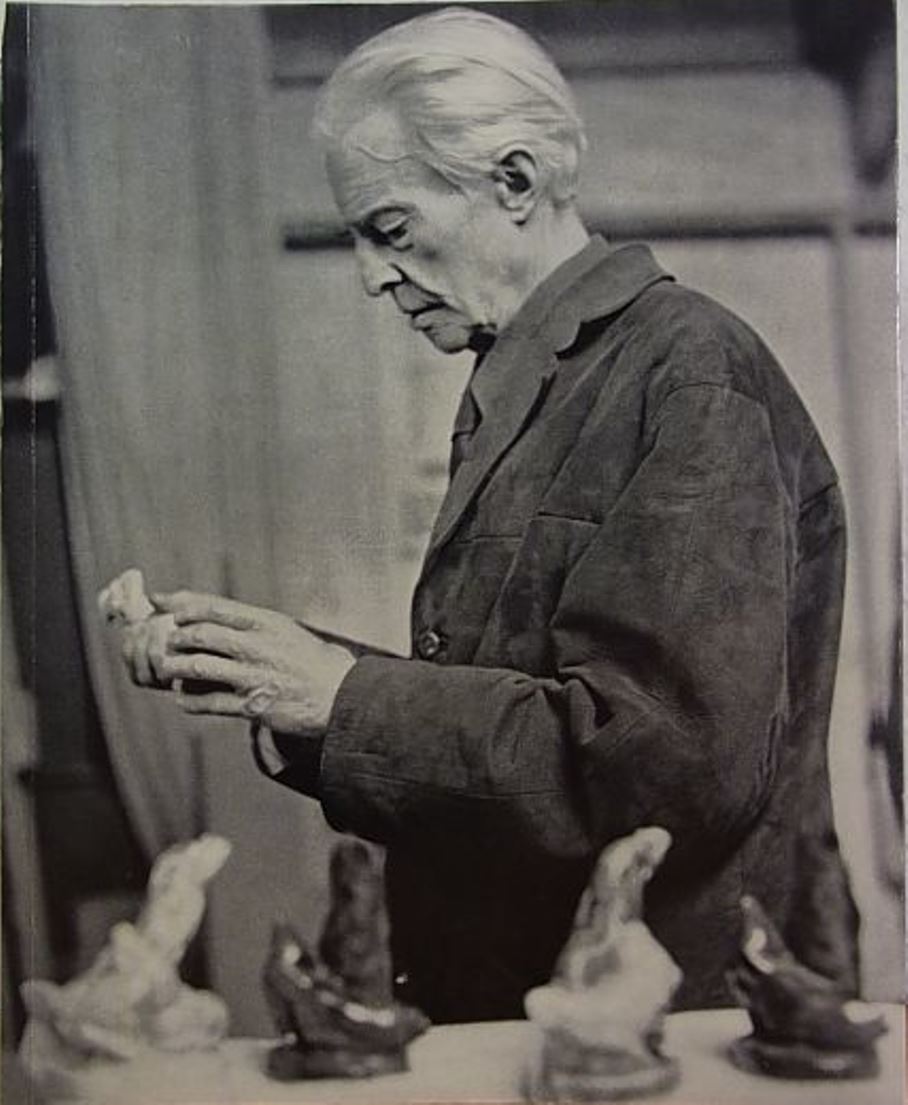
scharff






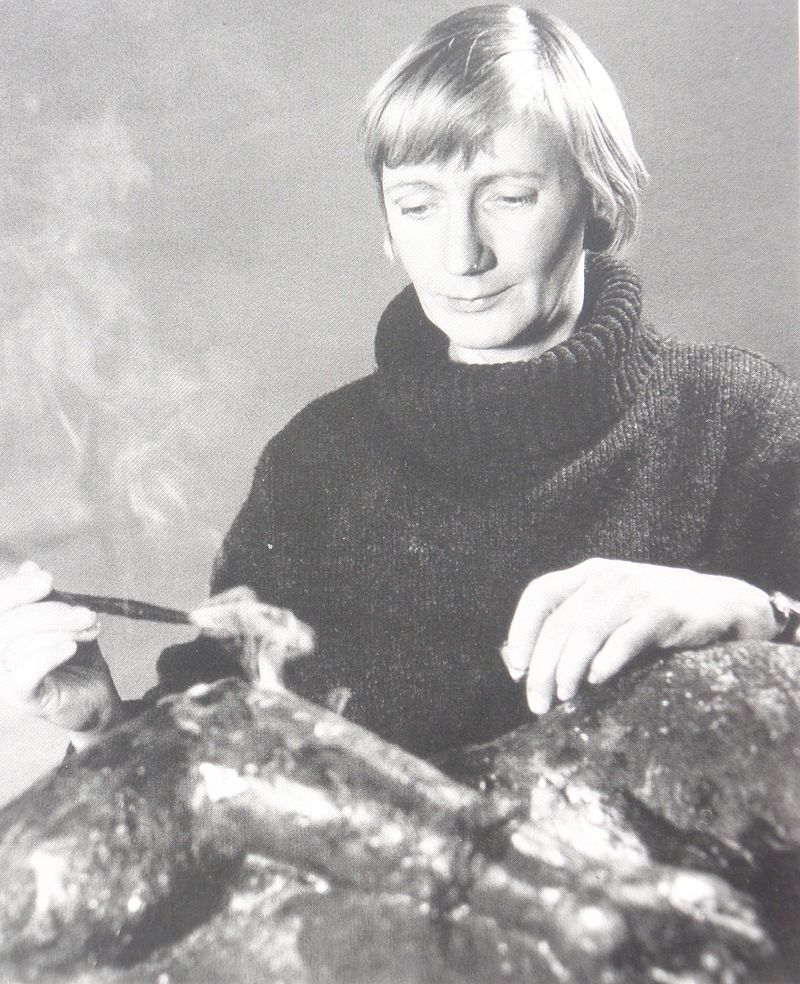
Fritz Fleer is a German painter and sculptor. He studied at the Hamburg University of Fine Arts in the class of Edwin Paul Scharf.
As independent artist, Fritz Fleer has been creating works for urban planning since the 1950s; in Hamburg he was commissioned for 17 sculptures by the municipal housing company SAGA.




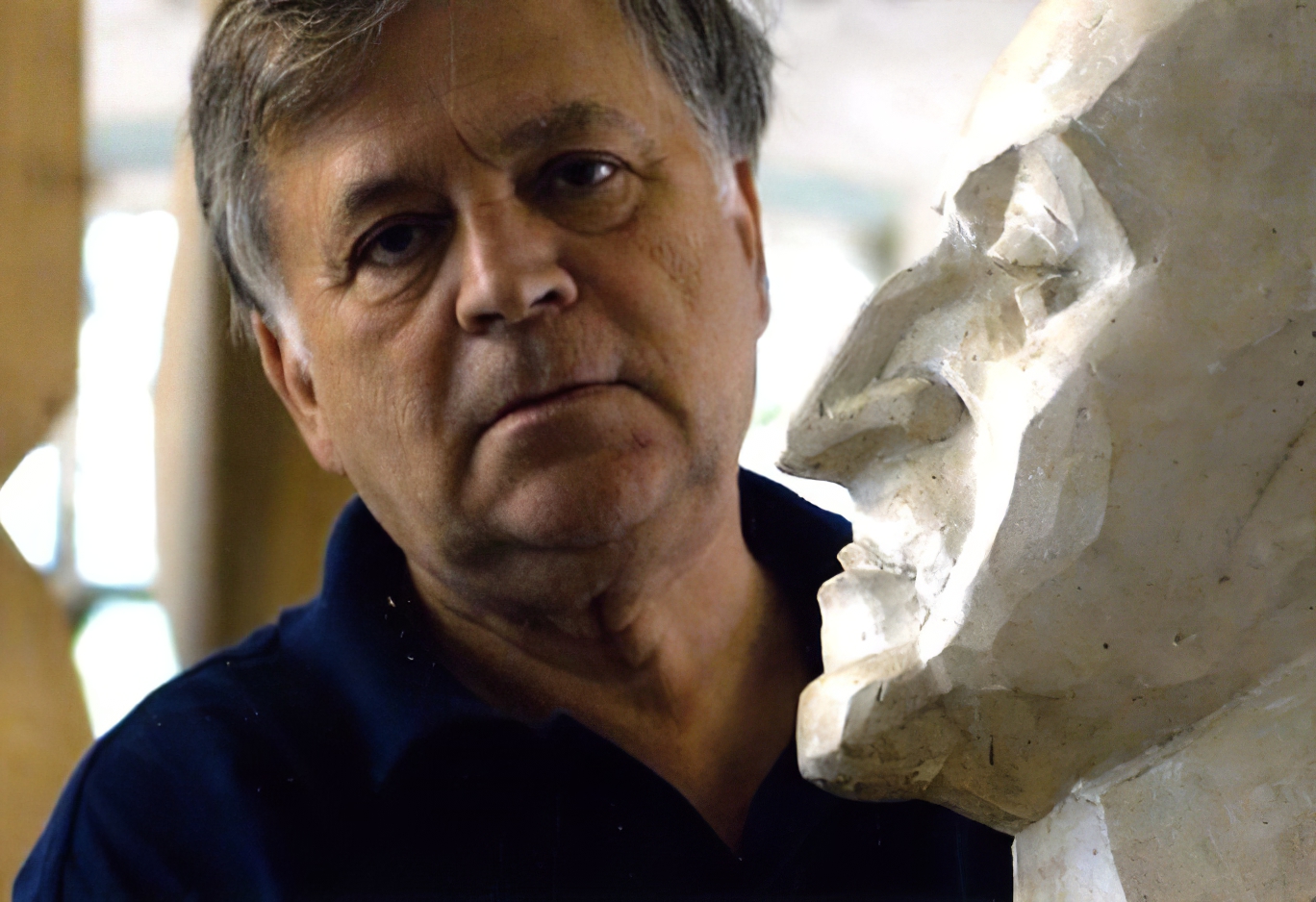
Manfred Sihle-Wissel ist ein deutscher Bildhauer.
Seine Lehrer waren Edwin Scharff und Hans Martin Ruwoldt. Seit 1981 wohnt und arbeitet er in Brammer bei Rendsburg (Schleswig-Holstein).
Zu Manfred Sihle-Wissels Werk gehören Porträts, Skulpturen und Aquarelle.


Manfred Sihle-Wissel ist ein deutscher Bildhauer.
Seine Lehrer waren Edwin Scharff und Hans Martin Ruwoldt. Seit 1981 wohnt und arbeitet er in Brammer bei Rendsburg (Schleswig-Holstein).
Zu Manfred Sihle-Wissels Werk gehören Porträts, Skulpturen und Aquarelle.


Manfred Sihle-Wissel ist ein deutscher Bildhauer.
Seine Lehrer waren Edwin Scharff und Hans Martin Ruwoldt. Seit 1981 wohnt und arbeitet er in Brammer bei Rendsburg (Schleswig-Holstein).
Zu Manfred Sihle-Wissels Werk gehören Porträts, Skulpturen und Aquarelle.


Manfred Sihle-Wissel ist ein deutscher Bildhauer.
Seine Lehrer waren Edwin Scharff und Hans Martin Ruwoldt. Seit 1981 wohnt und arbeitet er in Brammer bei Rendsburg (Schleswig-Holstein).
Zu Manfred Sihle-Wissels Werk gehören Porträts, Skulpturen und Aquarelle.


Manfred Sihle-Wissel ist ein deutscher Bildhauer.
Seine Lehrer waren Edwin Scharff und Hans Martin Ruwoldt. Seit 1981 wohnt und arbeitet er in Brammer bei Rendsburg (Schleswig-Holstein).
Zu Manfred Sihle-Wissels Werk gehören Porträts, Skulpturen und Aquarelle.





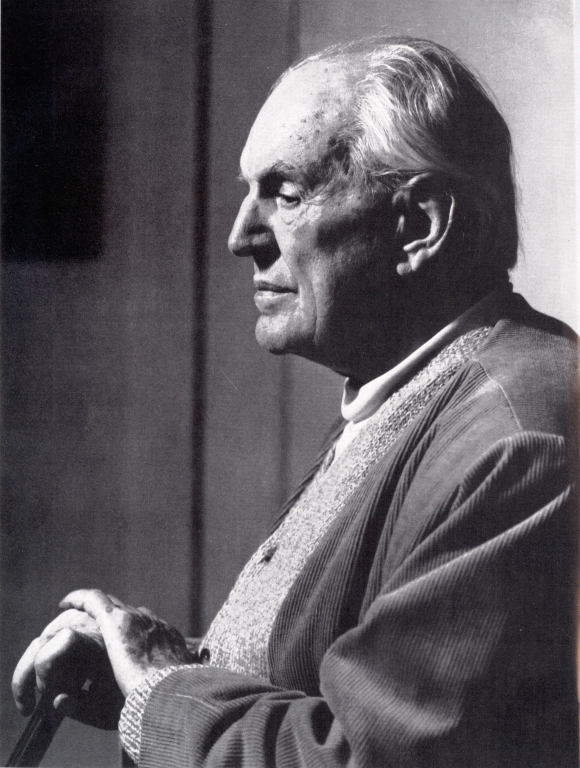
Ivo Hauptmann was a German painter. He was one of the founders of the artist groups Freie Secession (Berlin 1914) and Hamburgische Sezession (1919).


Ivo Hauptmann was a German painter. He was one of the founders of the artist groups Freie Secession (Berlin 1914) and Hamburgische Sezession (1919).


Ivo Hauptmann was a German painter. He was one of the founders of the artist groups Freie Secession (Berlin 1914) and Hamburgische Sezession (1919).


Ivo Hauptmann was a German painter. He was one of the founders of the artist groups Freie Secession (Berlin 1914) and Hamburgische Sezession (1919).


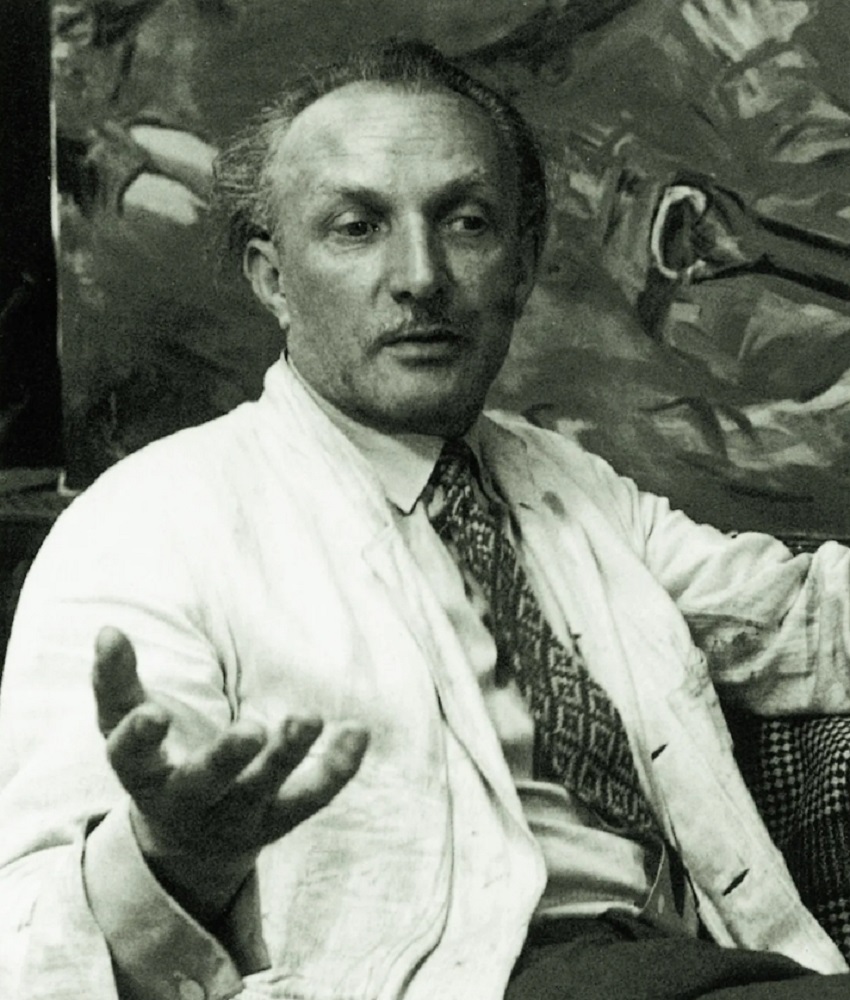
Karl Kluth was a German painter. He was a member of the Hamburg Künstlerverein, the Hamburg Artists' Association and the Hamburg Secession.


Karl Kluth was a German painter. He was a member of the Hamburg Künstlerverein, the Hamburg Artists' Association and the Hamburg Secession.


Karl Kluth was a German painter. He was a member of the Hamburg Künstlerverein, the Hamburg Artists' Association and the Hamburg Secession.


Karl Kluth was a German painter. He was a member of the Hamburg Künstlerverein, the Hamburg Artists' Association and the Hamburg Secession.


Karl Kluth was a German painter. He was a member of the Hamburg Künstlerverein, the Hamburg Artists' Association and the Hamburg Secession.


Karl Kluth was a German painter. He was a member of the Hamburg Künstlerverein, the Hamburg Artists' Association and the Hamburg Secession.


Karl Kluth was a German painter. He was a member of the Hamburg Künstlerverein, the Hamburg Artists' Association and the Hamburg Secession.


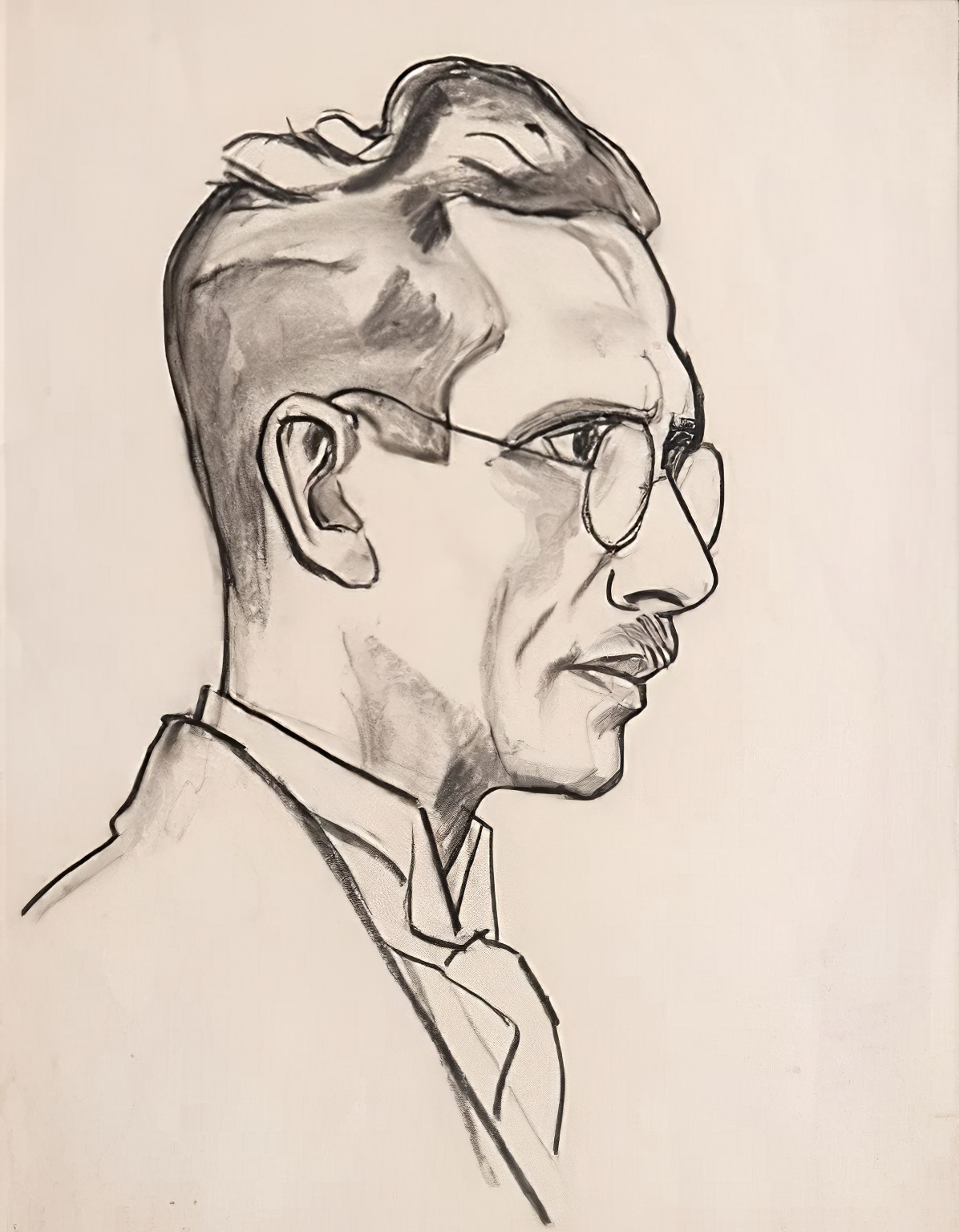
Erich Hartmann was a German modernist and expressionist painter.


Erich Hartmann was a German modernist and expressionist painter.


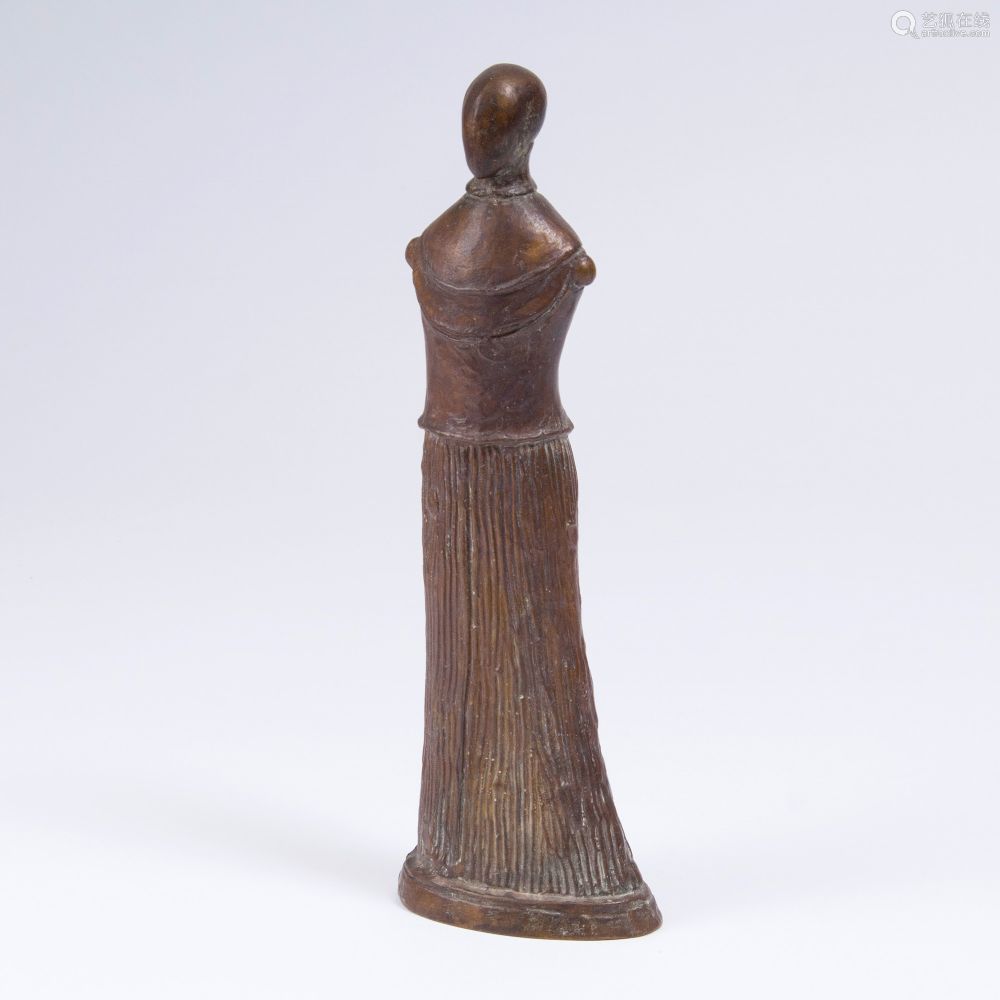
Edgar Augustin was a German painter and sculptor.
Augustin studied sculpture in Münster with Karl Ehlers, then was a pupil of the master Gustav Zeitz in Hamburg. His oeuvre includes partly abstract figurative representations in bronze, wood and plaster as well as paintings, drawings and graphics. Some of Edgar Augustine's sculptures are located in public spaces in Hamburg and other cities.
Edgar Augustin was a member of the Free Academy of Arts in Hamburg and the Special Association of Artists in Germany. In the second half of the 20th century, Augustin was one of the pioneers of figurative wood sculpture and is considered its most important representative.


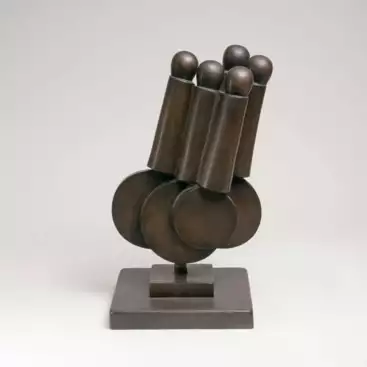
Georg Engst was a German sculptor.
Engst preferred to work in wood, stone and bronze, but also in aluminium, concrete and glass. Much of his artistic work from the mid-1950s onwards is abstract-geometric in character, initially in the form of inlaid panels and inlaid walls made of wood, for example for a commission for the conference room of the Regional Church Office in Hanover in 1957.


Georg Engst was a German sculptor.
Engst preferred to work in wood, stone and bronze, but also in aluminium, concrete and glass. Much of his artistic work from the mid-1950s onwards is abstract-geometric in character, initially in the form of inlaid panels and inlaid walls made of wood, for example for a commission for the conference room of the Regional Church Office in Hanover in 1957.


Georg Engst was a German sculptor.
Engst preferred to work in wood, stone and bronze, but also in aluminium, concrete and glass. Much of his artistic work from the mid-1950s onwards is abstract-geometric in character, initially in the form of inlaid panels and inlaid walls made of wood, for example for a commission for the conference room of the Regional Church Office in Hanover in 1957.