sculpture classic modern


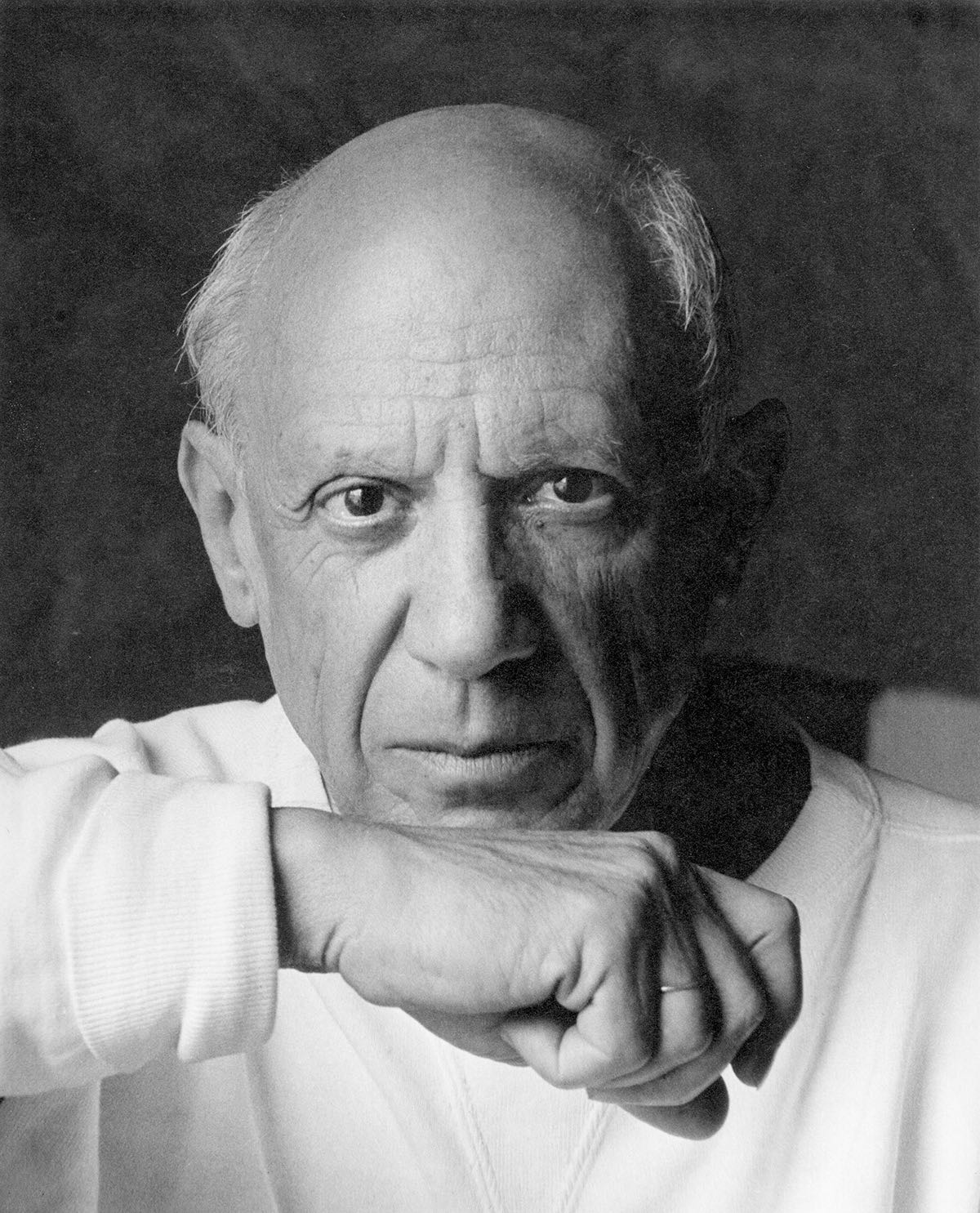
Pablo Ruiz Picasso, a Spanish artist renowned for his revolutionary contributions to the 20th-century art scene, is a figure that resonates profoundly with collectors and art experts. His unique blend of talents in painting, sculpture, printmaking, and ceramic art, infused with his time in France, positioned him as a pivotal character in modern art history.
Picasso's artistic journey was marked by distinct periods, each showcasing his evolving style and genius. His early years were characterized by the Blue Period (1901-1904), followed by the Rose Period (1904-1906), and then the African-influenced Period (1907-1909). Picasso's name is synonymous with Cubism, a movement he co-founded, which significantly altered artistic perspectives and methods. Works like "Les Demoiselles d'Avignon" (1907) and "Guernica" (1937) are emblematic of his cubist legacy, the latter being a poignant anti-war statement that remains influential.
His later years saw a return to more traditional styles, with neoclassical and surrealist influences becoming evident. Works from these phases reflect a deep engagement with mythological themes, as seen in "Faun with Stars" (1955), symbolizing his late-life romance with Jacqueline Roque, his second wife.
Picasso's prolific output and innovative spirit made him a legend in his own time, a status that only grew after his death. His works, housed in major museums and private collections worldwide, continue to captivate and inspire.
As a collector or expert in art and antiques, staying informed about Picasso's works, their auction events, and sales is essential. To stay updated on the latest developments and opportunities related to Pablo Picasso, sign up for our specialized updates. Rest assured, this subscription will focus solely on new product sales and auction events pertaining to Picasso's art, ensuring that you receive only the most relevant and valuable information.


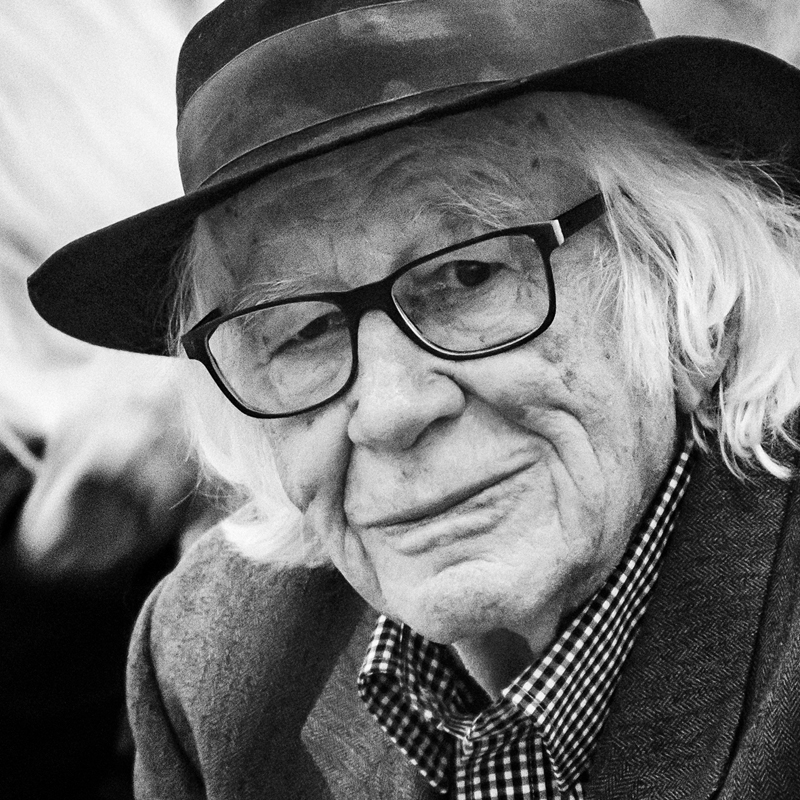
Fritz Koenig was a prominent German sculptor, recognized for his influential works in the 20th century. He studied art at the Academy of Fine Arts in Munich after World War II and later, in 1951, expanded his education in Paris on a scholarship. Koenig gained international fame, particularly for his monumental bronze sculpture, "The Sphere," originally located at the World Trade Center in New York City.
"The Sphere" became a symbol of resilience after surviving the 9/11 attacks, albeit with damage. Initially placed in Battery Park as an interim memorial, it now resides in Liberty Park, serving as a poignant reminder of endurance amidst devastation. Koenig's work delves into themes of human and animal existence, exploring the tensions between religiosity and mythology, and the fragile nature of life.
Throughout his career, Koenig participated in significant exhibitions like the Biennale in Venice and documenta in Kassel, and his works are displayed in permanent collections, such as the Hofberg Sculpture Museum in Landshut. Koenig's artistic legacy continues to inspire, embodying a deep contemplation of humanity's place in the world and the enduring spirit of art in the face of tragedy.
If you're intrigued by the artistic journey and significant works of Fritz Koenig, and wish to delve deeper into his contributions to modern sculpture, consider subscribing for updates. This subscription will keep you informed about exhibitions, sales of Koenig's works, and insightful articles that explore his artistic legacy. Stay connected to the world of art and ensure you don't miss out on the opportunity to learn more about this influential sculptor's impact on contemporary art.


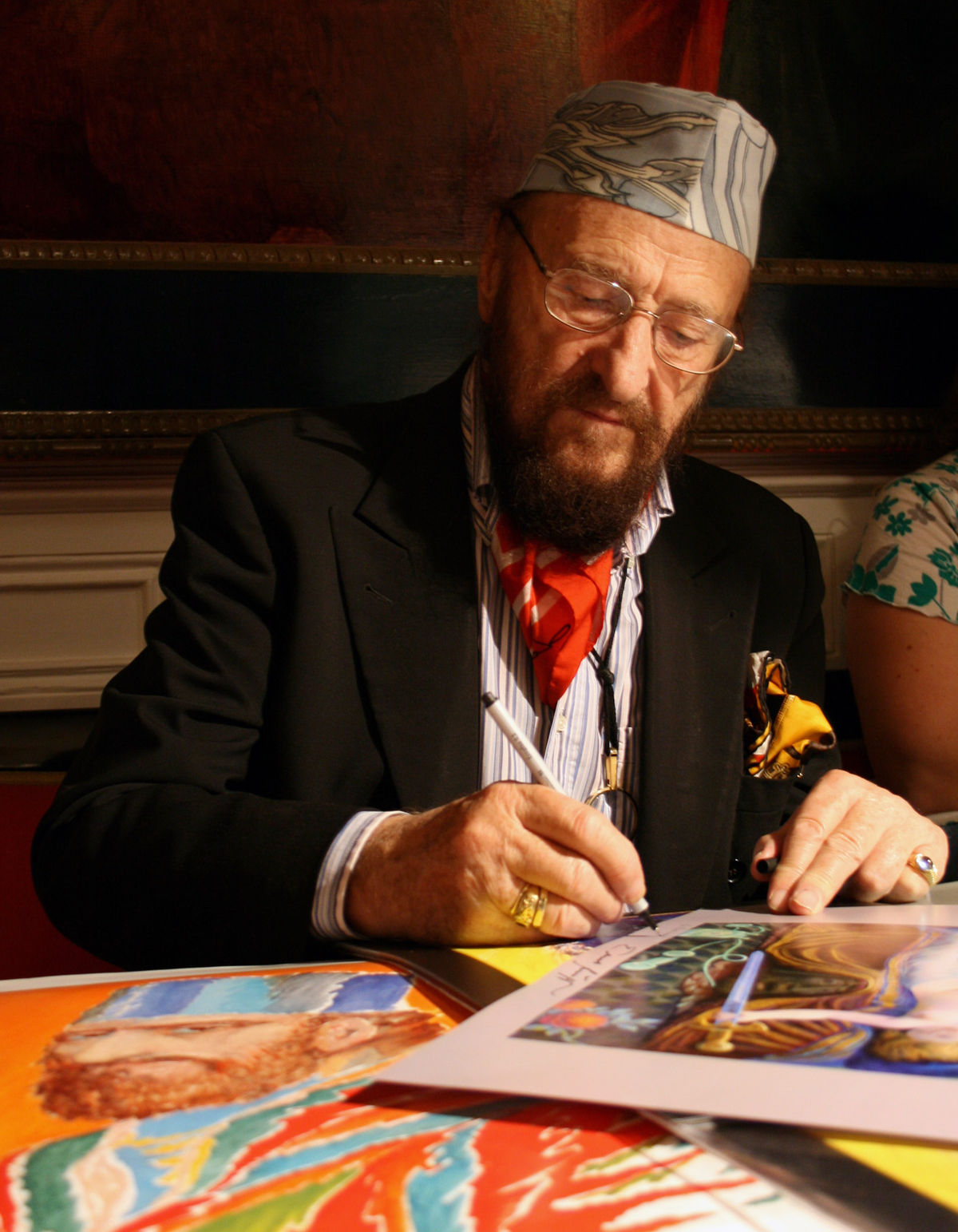
Ernst Fuchs was an Austrian painter, draftsman, printmaker, sculptor, architect, stage designer, composer, poet, and one of the founders of the Vienna School of Fantastic Realism. In 1972, he acquired the derelict Otto Wagner Villa in Hütteldorf, which he restored and transformed. The villa was inaugurated as the Ernst Fuchs Museum in 1988.