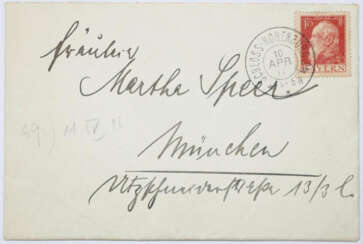
sig 1911


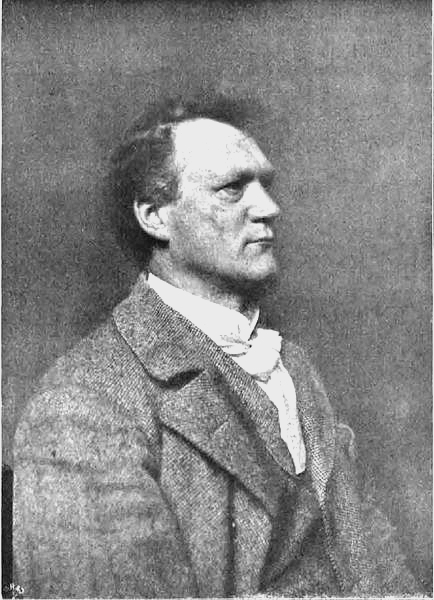











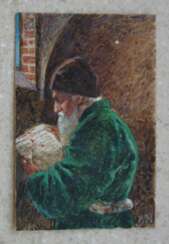

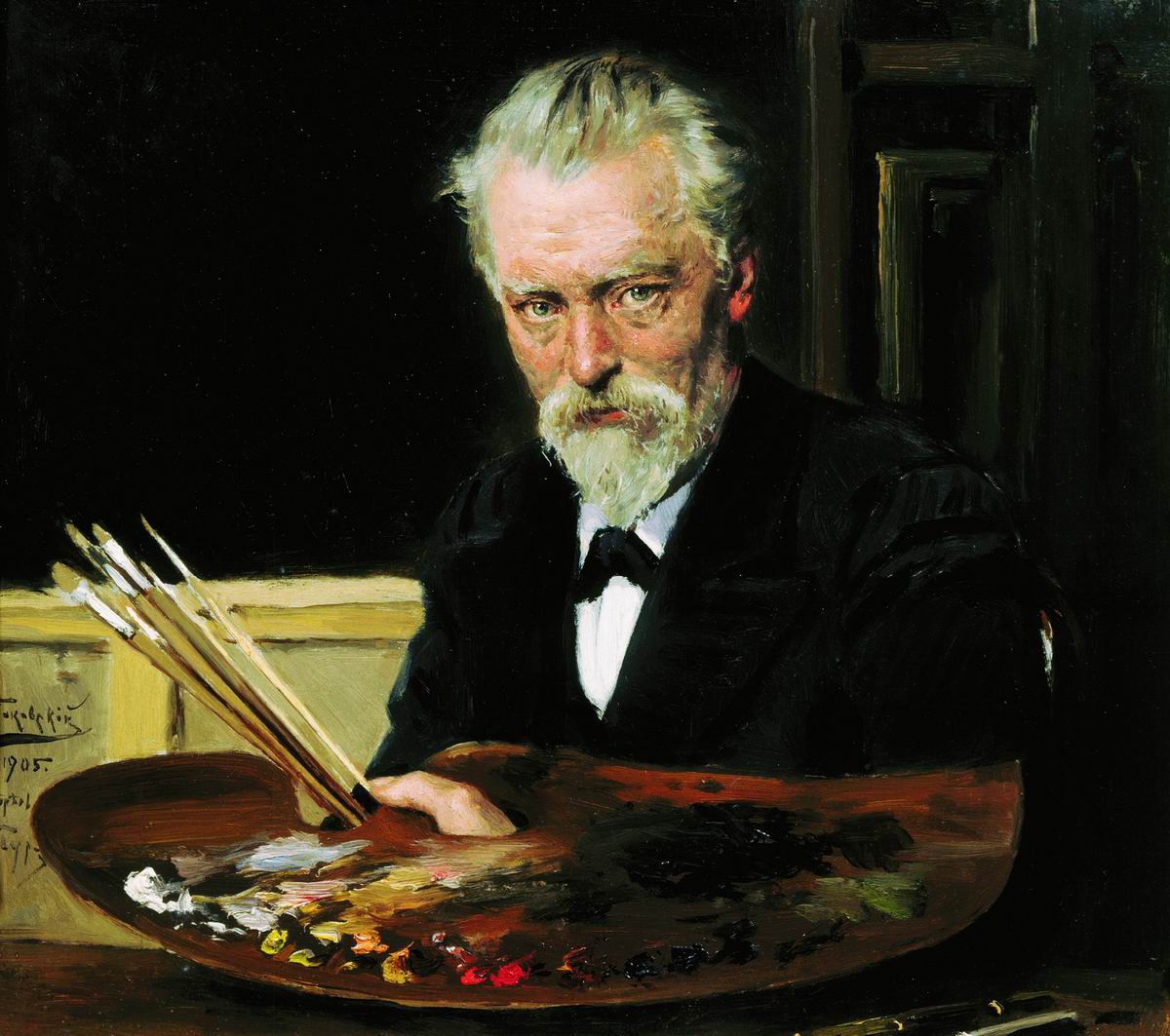
Vladimir Yegorovich Makovsky (Russian: Владимир Егорович Маковский), a distinguished Russian artist born in 1846 in Moscow, was celebrated for his genre paintings that vividly depicted everyday life with a blend of humor and social critique. His father, Yegor Ivanovich Makovsky, co-founded the Moscow School of Painting, Sculpture, and Architecture, where Vladimir later studied and taught, shaping the future of Russian art alongside his artistic family.
Makovsky's work often showcased small-town scenes and common folk, creating narratives that were both endearing and pointedly critical of societal injustices. Noteworthy pieces like "The Grape-juice Seller," "Fruit-Preserving," and "The Congratulator" highlight his skill in capturing the nuances of human expressions and interactions.
Throughout his career, Makovsky remained a pivotal member of the Peredvizhniki (Wanderers), a group dedicated to portraying real-life issues through art. His later works, such as "The Peddler" and "January 9, 1905, on Vasilyev Island," reflect his continued commitment to social themes, depicting historical events with deep empathy for the oppressed.
For art enthusiasts and collectors, Makovsky's works are pivotal in understanding the evolution of Russian realism. His paintings are held in high esteem and are featured in major museums around the world. To stay updated on exhibitions and sales related to Vladimir Yegorovich Makovsky, sign up for our newsletter, focusing exclusively on significant updates from the art world.
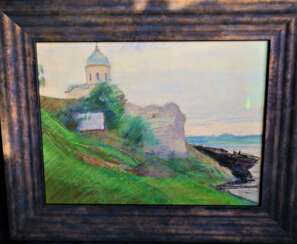















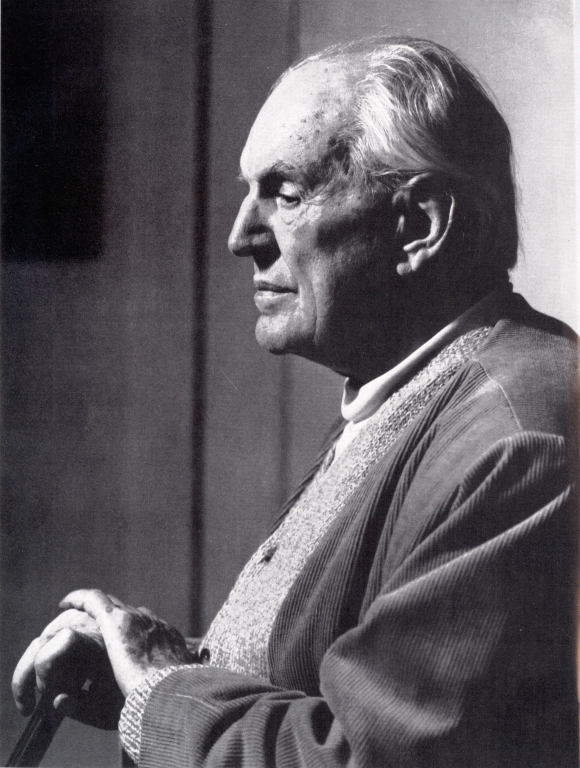
Ivo Hauptmann was a German painter. He was one of the founders of the artist groups Freie Secession (Berlin 1914) and Hamburgische Sezession (1919).
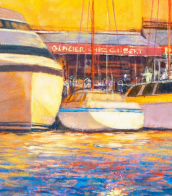


Franz Xafer Gräßel was a German animal and landscape painter.
Gräßel studied painting at the Karlsruhe Academy and at the Munich Academy, where he became a professor in 1911. Initially his favorite subject was rural landscapes, but from 1894 he painted mainly ducks and geese and achieved a high level of skill in their depiction. Gräßel even earned the nickname "duck painter".
In 1932 Gräßel joined the NSDAP, and in 1938, 1939 and 1940 was represented by four paintings at the Great Exhibition of German Art in Munich. Adolf Hitler liked them so much that he purchased them all. The artist's paintings are now in important galleries and collections in Germany.