udo nöger


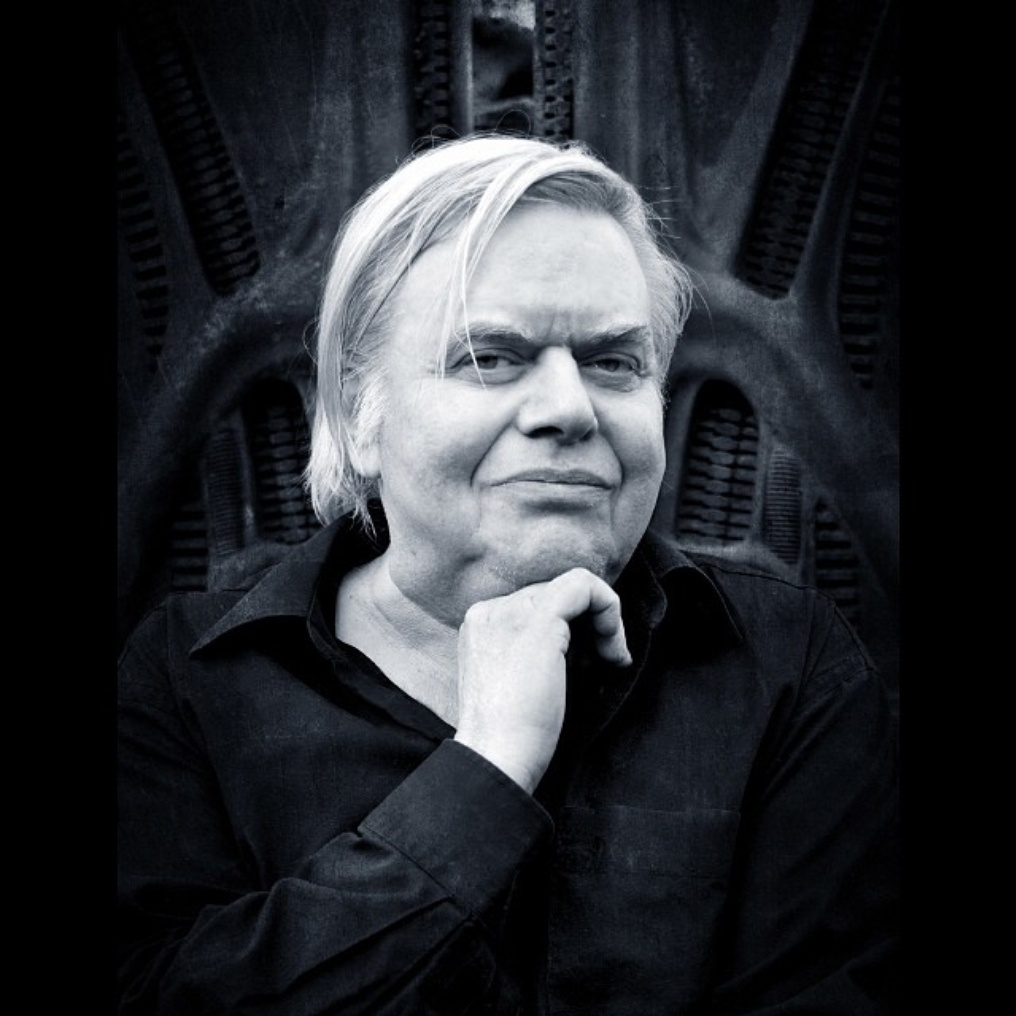
Hans Ruedi Giger was a Swiss artist best known for his airbrushed images that blended human physiques with machines, an art style known as "biomechanical". Giger later abandoned airbrush for pastels, markers and ink. He was part of the special effects team that won an Academy Award for the visual design of Ridley Scott's 1979 sci-fi horror film Alien, and was responsible for creating the titular Alien itself. His work is on permanent display at the H.R. Giger Museum in Gruyères, Switzerland. His style has been adapted to many forms of media, including album covers, furniture, tattoos and video games.

Rudolf Grossmann (German: Rudolf Grossmann, or Großmann), full name Rudolf Wilhelm Walther Grossmann, was a German painter, draftsman, illustrator and graphic artist.
Born into an artistic family, Grossmann began his education in painting and printmaking at the Düsseldorf Academy before continuing his studies in Paris with Lucien Simon and Pouleroz. Among his best-known works are various portrait drawings of celebrities, notably those published in the satirical periodical Simplicissimus; he was also known for his book illustrations. Grossmann began publishing his prints in 1905, and many major publishers in Germany and France commissioned his work. He later concentrated on figurative works and urban scenes, which showed the influence of Cézanne and Pasquin.
From 1928 until Hitler's Nazi Party came to power, Grossmann taught at the Berlin Royal School of Art and was a member of the Berlin Secession and the Deutsche Kunstlerbund. In 1934, his work, like that of many of his colleagues, was stigmatized as degenerate and confiscated by the Nazi government, and he was disbarred from practicing his profession. He soon left for Freiberg im Beisgau, where he died on November 28, 1941.

Rudolf Grossmann (German: Rudolf Grossmann, or Großmann), full name Rudolf Wilhelm Walther Grossmann, was a German painter, draftsman, illustrator and graphic artist.
Born into an artistic family, Grossmann began his education in painting and printmaking at the Düsseldorf Academy before continuing his studies in Paris with Lucien Simon and Pouleroz. Among his best-known works are various portrait drawings of celebrities, notably those published in the satirical periodical Simplicissimus; he was also known for his book illustrations. Grossmann began publishing his prints in 1905, and many major publishers in Germany and France commissioned his work. He later concentrated on figurative works and urban scenes, which showed the influence of Cézanne and Pasquin.
From 1928 until Hitler's Nazi Party came to power, Grossmann taught at the Berlin Royal School of Art and was a member of the Berlin Secession and the Deutsche Kunstlerbund. In 1934, his work, like that of many of his colleagues, was stigmatized as degenerate and confiscated by the Nazi government, and he was disbarred from practicing his profession. He soon left for Freiberg im Beisgau, where he died on November 28, 1941.


















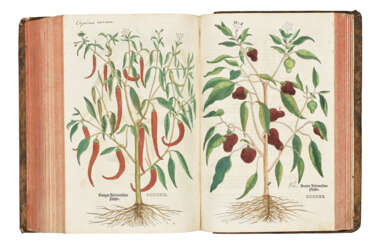

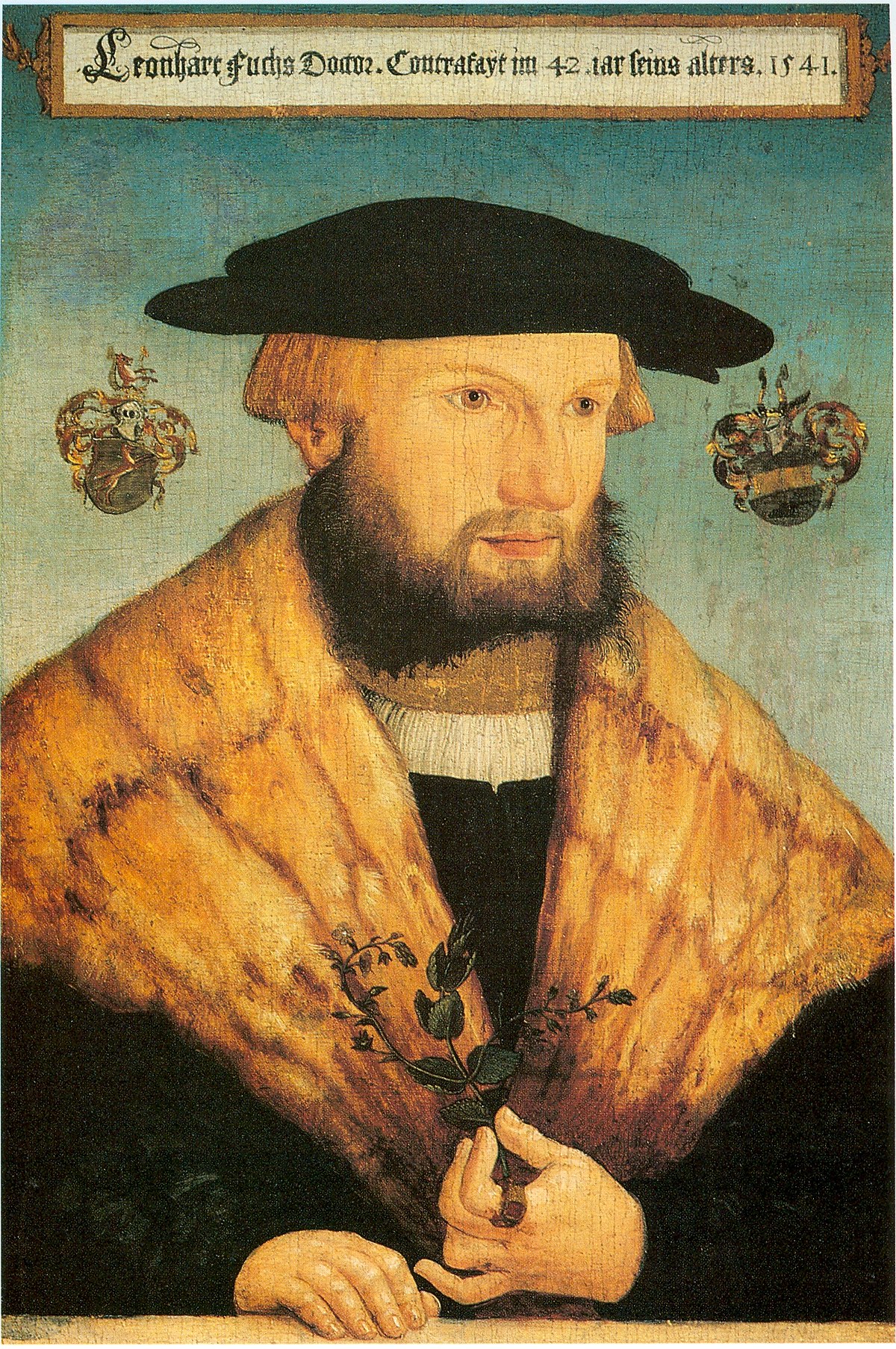
Leonhart Fuchs was a German humanist scientist, botanist, and physician.
Fuchs received a humanistic education under Catholic guidance, but later became a Protestant. He studied medicine and became a professor in Tübingen. He was most interested in the medicinal properties of plants. Well acquainted with the Greek and Latin classics and an excellent observer, he gave precise descriptions, and his beautiful engravings of plants established the tradition of depicting plants with precise illustrations and in alphabetical order.
In 1542 Fuchs published his most important work, De Historia Stirpium Commentarii Insignes (Famous Commentaries on the History of Plants). The book was a great success, especially because of the magnificent woodcuts and the 487 plants, which were described for the first time in such a systematic form. De Historia Stirpium survived several editions and was translated into Dutch and German.
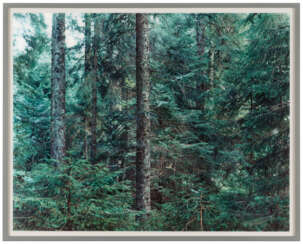

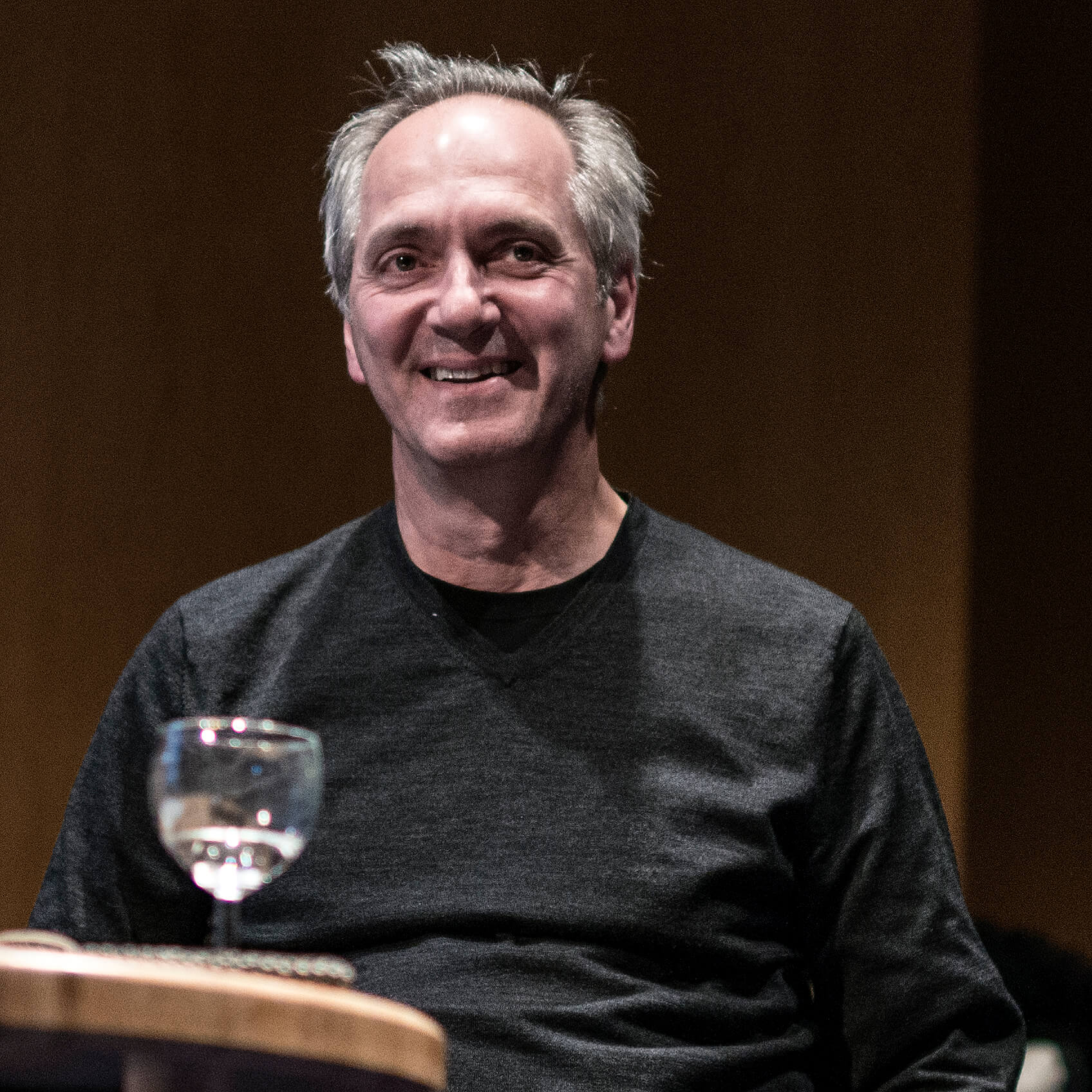
Thomas Struth is a German photographer who is best known for his Museum Photographs series, family portraits and black and white photographs of the streets of Düsseldorf and New York taken in the 1970s. Struth lives and works in Berlin and New York.