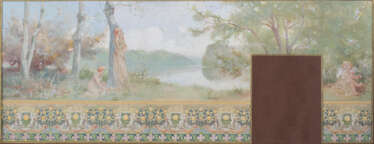
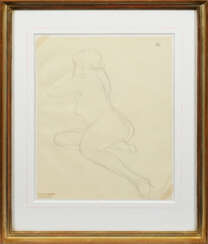
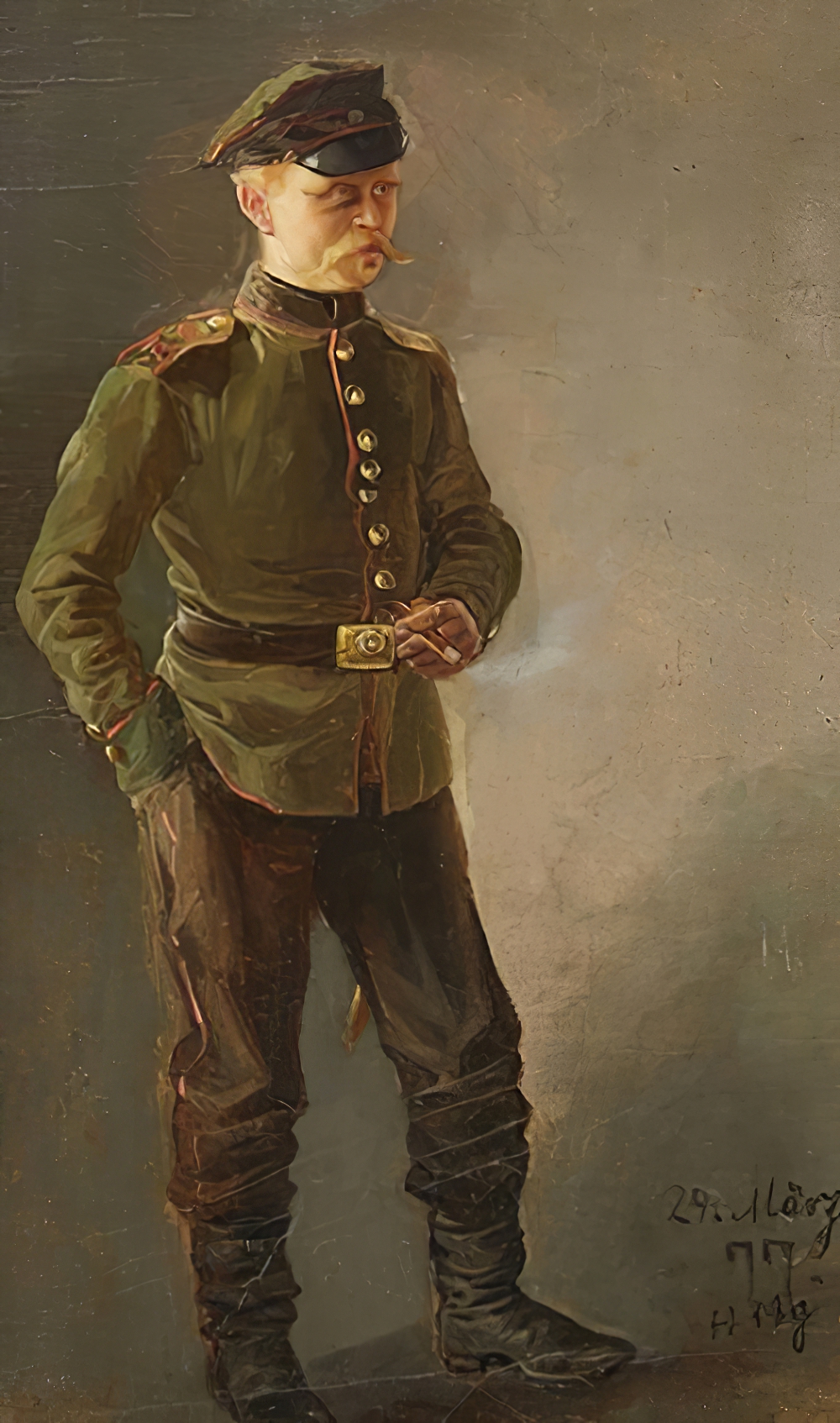
watercolour / drawings
Gerhard Richter is a German visual artist. Richter has produced abstract as well as photorealistic paintings, and also photographs and glass pieces. He is widely regarded as one of the most important contemporary German artists and several of his works have set record prices at auction.


Alfred Otto Wolfgang Schulze, better known by his pseudonym Wols, is an eminent German artist whose work has had a significant influence on modern art. He was known for his abstract paintings, graphics and photography.
Wols' oeuvre was marked by an experimental approach and a distinctive style. The artist used unusual techniques such as spatula, drop, splatter and graphic elements to create an atmosphere of abstraction and unreality. His work was filled with emotional tension and intense effects of light and shadow.
Wols experimented with shapes and structures, creating paintings that at times seemed mystical and mysterious. He worked masterfully with contrasts and unusual compositions, which gave his works a unique and energetic quality. His work was an important contribution to the development of abstract art in post-war Germany.
Wols also showed a talent for photography, creating remarkably expressive and intriguing black and white images. He skillfully played with light and shadow to capture the moment and convey emotion.


Max Peiffer Watenphul was a German artist. Described as a "lyric poet of painting", he belongs to a "tradition of German painters for whom the Italian landscape represented Arcadia." In addition to Mediterranean scenes, he regularly depicted Salzburg and painted many still lifes of flowers. As well as oil paintings, his extensive body of work encompasses watercolours, drawings, enamel, textiles, graphic art, and photographs.


Franz Radziwill was a German artist of the twentieth century. He is known as a landscape painter, graphic artist and printmaker associated with the artistic movement of "new materiality".
Franz Radziwill created paintings that are characterized by careful elaboration and the use of glaze techniques borrowed from the Old Masters. He used elements of industrial buildings and modern technology, including ships and airplanes, in his landscapes. The results of his work can be categorized as magical realism.
In 1933 Radziwill became professor of painting at the Düsseldorf Academy of Art, but in 1935 the Nazis stripped him of this position, declaring his work degenerate art.


Hans Marsilius Purrmann was a German artist.
He completed an apprenticeship as a scene painter and interior decorator, and subsequently studied in Karlsruhe and Munich before going to Paris in 1906. It was here he became a student and later a friend of Henri Matisse whom he set up a painting school with.


Paul Klee, a Swiss-born German artist, was renowned for his unique contribution to the art world, blending elements from expressionism, cubism, and surrealism. Born on December 18, 1879, in Münchenbuchsee, Switzerland, Klee was the second child of a German music teacher and a Swiss singer. Despite early musical talent, Klee pursued visual arts, influenced by a dissatisfaction with the state of modern music and a desire for creative freedom.
Klee's artistic journey began in earnest after he decided against a career in music, despite his exceptional skills with the violin. His education at the Academy of Fine Arts in Munich under the guidance of Heinrich Knirr and Franz von Stuck was crucial in shaping his artistic direction. Although he struggled with color initially, Klee later became a master of color theory, a transition marked by his transformative visit to Tunisia in 1914. This trip was a pivotal moment, leading Klee to declare, "Color and I are one. I am a painter".
Throughout his career, Klee's work was characterized by a profound sense of experimentation and innovation. He explored the boundaries of abstract art, drawing inspiration from his vast interests, including literature, music, and his own theories on art and aesthetics. His lectures on form and design theory at the Bauhaus, where he taught alongside luminaries like Wassily Kandinsky, are considered as seminal to modern art as Leonardo da Vinci's treatises were to the Renaissance.
Klee's art is celebrated for its intricacy, humor, and the ability to express complex themes through seemingly simplistic and childlike forms. His notable works, such as "Twittering Machine" (1922) and "Highway and Byways" (1928), showcase his skill in using color, shape, and line to evoke depth and emotion.
For collectors and art and antiques experts, Klee's legacy is a testament to the power of innovation and the search for personal expression within the avant-garde movements of the 20th century. His works, housed in prestigious museums and galleries around the world, continue to inspire and intrigue.
If you're passionate about art and wish to stay informed about new discoveries and sales related to Paul Klee's works, consider signing up for updates. This subscription will ensure you're alerted to upcoming auction events and product sales, allowing you to deepen your collection and appreciation of this remarkable artist's legacy.


Andy Warhol, born as Andrew Warhola Jr., was an American visual artist, film director, and producer, who played a pivotal role in the development of the Pop Art movement. His art delved into the interplay between artistic expression, advertising, and celebrity culture, especially prevalent in the 1960s. Warhol was renowned for his diverse range of media, which included painting, silkscreening, photography, film, and sculpture.
Warhol's journey began in Pittsburgh, where he was born and raised, initially making a name for himself as a commercial illustrator. His New York studio, "The Factory," became a famous hub for intellectuals, celebrities, and various artistic minds. He was known for creating the notion of "Warhol superstars" and popularized the phrase "15 minutes of fame."
His contribution to the art world is significant, with notable works like "Campbell's Soup Cans" (1962) and "Marilyn Diptych" (1962), as well as his experimental films like "Empire" (1964) and "Chelsea Girls" (1966). These works not only define his career but also underscore the essence of the Pop Art movement.
Warhol's influence extended beyond his artwork. He managed and produced the experimental rock band The Velvet Underground, founded Interview magazine, and wrote several books, including "The Philosophy of Andy Warhol" and "Popism: The Warhol Sixties." Living openly as a gay man before the gay liberation movement, Warhol's personal life was as influential as his professional endeavors.
Tragically, Warhol's life was nearly cut short in 1968 when he was shot by radical feminist Valerie Solanas. He eventually passed away in 1987 due to cardiac arrhythmia following gallbladder surgery. His legacy continues, with The Andy Warhol Museum in Pittsburgh standing as the largest U.S. museum dedicated to a single artist.
Warhol's art remains highly collectible and valuable. His works, like the "Silver Car Crash (Double Disaster)" and "Shot Sage Blue Marilyn," have fetched staggering amounts at auctions, signifying his enduring impact on the art market.
For art collectors and experts, Andy Warhol's work represents a crucial intersection of pop culture and fine art, offering a unique perspective on consumerism and celebrity. His pieces are not just art; they are historical landmarks that capture a transformative era in both art and society.
To stay updated on new products, sales, and auction events related to Andy Warhol, sign up for our updates. This subscription will keep you informed about all things Warhol without overwhelming you with unnecessary information.


Emil Nolde, a German-Danish artist, stands out as a pivotal figure in the Expressionist movement, celebrated for his vibrant use of color and dynamic brushwork. Born on August 7, 1867, Nolde was initially self-taught, developing a style that later became synonymous with expressive use of color and form. His early work included religious themes and landscapes, characterized by their emotional intensity and innovative color palette. Nolde's contributions to art were not limited to painting; he also excelled in printmaking, creating a significant body of work that includes etchings, woodcuts, and lithographs.
One of Nolde's most noteworthy periods was his time spent on the Baltic Sea island of Alsen from 1903 to 1916, where he produced seascapes that captured the natural world's dynamic essence. His painting "Meer Bei Alsen" (Sea Off Alsen) is a testament to this period, showcasing his ability to convey movement and emotion through color. Furthermore, Nolde's fascination with religious and mythological themes is evident in works like "Dance Around the Golden Calf," where he employs vivid colors and expressive figures to explore complex narratives.
Despite his artistic achievements, Nolde's life was not without controversy. During the Nazi regime, his work was labeled "degenerate," and he faced significant professional and personal challenges. Nonetheless, Nolde continued to create, producing a series of watercolors known as the "Unpainted Pictures" during this time. After World War II, Nolde's reputation was rehabilitated, and he was once again celebrated as a leading figure in modern art.
Nolde's legacy is preserved at the Nolde Foundation Seebüll, a museum dedicated to his life and work, established in the year of his death, 1956. His influence on the field of modern art, particularly within Expressionism, is undeniable, with his bold approach to color and form inspiring subsequent generations of artists.
For art collectors and experts, Nolde's work offers a compelling study in the evolution of modern art, reflecting the tumultuous times he lived through and his unyielding dedication to artistic expression. His ability to capture the essence of his subjects, from the natural beauty of the sea to the depths of human emotion, makes his work a valuable addition to any collection.
To stay updated on sales and auction events related to Emil Nolde's work, signing up for updates is recommended. This subscription service ensures you're informed about the latest opportunities to acquire pieces by this influential artist.


Emil Nolde, a German-Danish artist, stands out as a pivotal figure in the Expressionist movement, celebrated for his vibrant use of color and dynamic brushwork. Born on August 7, 1867, Nolde was initially self-taught, developing a style that later became synonymous with expressive use of color and form. His early work included religious themes and landscapes, characterized by their emotional intensity and innovative color palette. Nolde's contributions to art were not limited to painting; he also excelled in printmaking, creating a significant body of work that includes etchings, woodcuts, and lithographs.
One of Nolde's most noteworthy periods was his time spent on the Baltic Sea island of Alsen from 1903 to 1916, where he produced seascapes that captured the natural world's dynamic essence. His painting "Meer Bei Alsen" (Sea Off Alsen) is a testament to this period, showcasing his ability to convey movement and emotion through color. Furthermore, Nolde's fascination with religious and mythological themes is evident in works like "Dance Around the Golden Calf," where he employs vivid colors and expressive figures to explore complex narratives.
Despite his artistic achievements, Nolde's life was not without controversy. During the Nazi regime, his work was labeled "degenerate," and he faced significant professional and personal challenges. Nonetheless, Nolde continued to create, producing a series of watercolors known as the "Unpainted Pictures" during this time. After World War II, Nolde's reputation was rehabilitated, and he was once again celebrated as a leading figure in modern art.
Nolde's legacy is preserved at the Nolde Foundation Seebüll, a museum dedicated to his life and work, established in the year of his death, 1956. His influence on the field of modern art, particularly within Expressionism, is undeniable, with his bold approach to color and form inspiring subsequent generations of artists.
For art collectors and experts, Nolde's work offers a compelling study in the evolution of modern art, reflecting the tumultuous times he lived through and his unyielding dedication to artistic expression. His ability to capture the essence of his subjects, from the natural beauty of the sea to the depths of human emotion, makes his work a valuable addition to any collection.
To stay updated on sales and auction events related to Emil Nolde's work, signing up for updates is recommended. This subscription service ensures you're informed about the latest opportunities to acquire pieces by this influential artist.


Emil Nolde, a German-Danish artist, stands out as a pivotal figure in the Expressionist movement, celebrated for his vibrant use of color and dynamic brushwork. Born on August 7, 1867, Nolde was initially self-taught, developing a style that later became synonymous with expressive use of color and form. His early work included religious themes and landscapes, characterized by their emotional intensity and innovative color palette. Nolde's contributions to art were not limited to painting; he also excelled in printmaking, creating a significant body of work that includes etchings, woodcuts, and lithographs.
One of Nolde's most noteworthy periods was his time spent on the Baltic Sea island of Alsen from 1903 to 1916, where he produced seascapes that captured the natural world's dynamic essence. His painting "Meer Bei Alsen" (Sea Off Alsen) is a testament to this period, showcasing his ability to convey movement and emotion through color. Furthermore, Nolde's fascination with religious and mythological themes is evident in works like "Dance Around the Golden Calf," where he employs vivid colors and expressive figures to explore complex narratives.
Despite his artistic achievements, Nolde's life was not without controversy. During the Nazi regime, his work was labeled "degenerate," and he faced significant professional and personal challenges. Nonetheless, Nolde continued to create, producing a series of watercolors known as the "Unpainted Pictures" during this time. After World War II, Nolde's reputation was rehabilitated, and he was once again celebrated as a leading figure in modern art.
Nolde's legacy is preserved at the Nolde Foundation Seebüll, a museum dedicated to his life and work, established in the year of his death, 1956. His influence on the field of modern art, particularly within Expressionism, is undeniable, with his bold approach to color and form inspiring subsequent generations of artists.
For art collectors and experts, Nolde's work offers a compelling study in the evolution of modern art, reflecting the tumultuous times he lived through and his unyielding dedication to artistic expression. His ability to capture the essence of his subjects, from the natural beauty of the sea to the depths of human emotion, makes his work a valuable addition to any collection.
To stay updated on sales and auction events related to Emil Nolde's work, signing up for updates is recommended. This subscription service ensures you're informed about the latest opportunities to acquire pieces by this influential artist.


Emil Nolde, a German-Danish artist, stands out as a pivotal figure in the Expressionist movement, celebrated for his vibrant use of color and dynamic brushwork. Born on August 7, 1867, Nolde was initially self-taught, developing a style that later became synonymous with expressive use of color and form. His early work included religious themes and landscapes, characterized by their emotional intensity and innovative color palette. Nolde's contributions to art were not limited to painting; he also excelled in printmaking, creating a significant body of work that includes etchings, woodcuts, and lithographs.
One of Nolde's most noteworthy periods was his time spent on the Baltic Sea island of Alsen from 1903 to 1916, where he produced seascapes that captured the natural world's dynamic essence. His painting "Meer Bei Alsen" (Sea Off Alsen) is a testament to this period, showcasing his ability to convey movement and emotion through color. Furthermore, Nolde's fascination with religious and mythological themes is evident in works like "Dance Around the Golden Calf," where he employs vivid colors and expressive figures to explore complex narratives.
Despite his artistic achievements, Nolde's life was not without controversy. During the Nazi regime, his work was labeled "degenerate," and he faced significant professional and personal challenges. Nonetheless, Nolde continued to create, producing a series of watercolors known as the "Unpainted Pictures" during this time. After World War II, Nolde's reputation was rehabilitated, and he was once again celebrated as a leading figure in modern art.
Nolde's legacy is preserved at the Nolde Foundation Seebüll, a museum dedicated to his life and work, established in the year of his death, 1956. His influence on the field of modern art, particularly within Expressionism, is undeniable, with his bold approach to color and form inspiring subsequent generations of artists.
For art collectors and experts, Nolde's work offers a compelling study in the evolution of modern art, reflecting the tumultuous times he lived through and his unyielding dedication to artistic expression. His ability to capture the essence of his subjects, from the natural beauty of the sea to the depths of human emotion, makes his work a valuable addition to any collection.
To stay updated on sales and auction events related to Emil Nolde's work, signing up for updates is recommended. This subscription service ensures you're informed about the latest opportunities to acquire pieces by this influential artist.


Jean Philippe Arthur Dubuffet, a pioneering French painter and sculptor, revolutionized the post-war art scene with his radical Matterism movement. He defied the conventional aesthetics of his time, championing "low art" and propelling a more genuine, humanistic image-making approach.
Dubuffet, born in Le Havre, France, in 1901, was a prominent figure at the Ecole de Paris and an advocate for Art Brut, or "raw art", which sought to capture art's purest form. His works were characterized by a rough, unrefined aesthetic, which eschewed academic norms in favor of spontaneity and authenticity.
Art enthusiasts and experts can view Dubuffet's innovative works at institutions like the Museum of Modern Art, where his legacy as a groundbreaking artist continues to be celebrated. His Matterism philosophy has left an indelible mark on the art world, inspiring generations of artists to embrace the beauty in the unconventional.
For those interested in the avant-garde and the legacy of Jean Philippe Arthur Dubuffet, sign up for our exclusive updates. This service is designed for connoisseurs and professionals in the art and antique sector, promising alerts on new insights and events strictly related to Dubuffet's profound influence.


August Robert Ludwig Macke was an eminent German expressionist painter, founder and member of the Blue Rider association. His very colorful and individual style is today referred to as the Macke style, characterized by a harmonious combination of colors and the play of light effects. His favorite subjects of his works were sketches from the life of the city, as well as nature and man. The paintings of August Macke give an impression of joy and lightness.


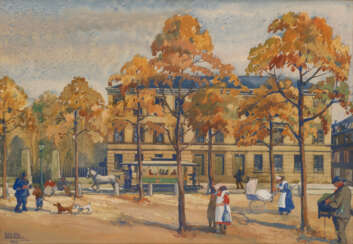
Hugo Mühlig was a German Impressionist painter. From 1881, he lived in Düsseldorf as a painter of landscapes and genre scenes.
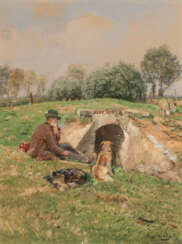

Hugo Mühlig was a German Impressionist painter. From 1881, he lived in Düsseldorf as a painter of landscapes and genre scenes.
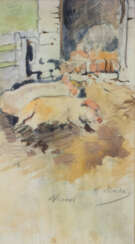

Hugo Mühlig was a German Impressionist painter. From 1881, he lived in Düsseldorf as a painter of landscapes and genre scenes.


Hugo Mühlig was a German Impressionist painter. From 1881, he lived in Düsseldorf as a painter of landscapes and genre scenes.
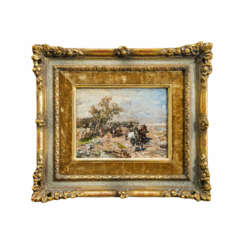

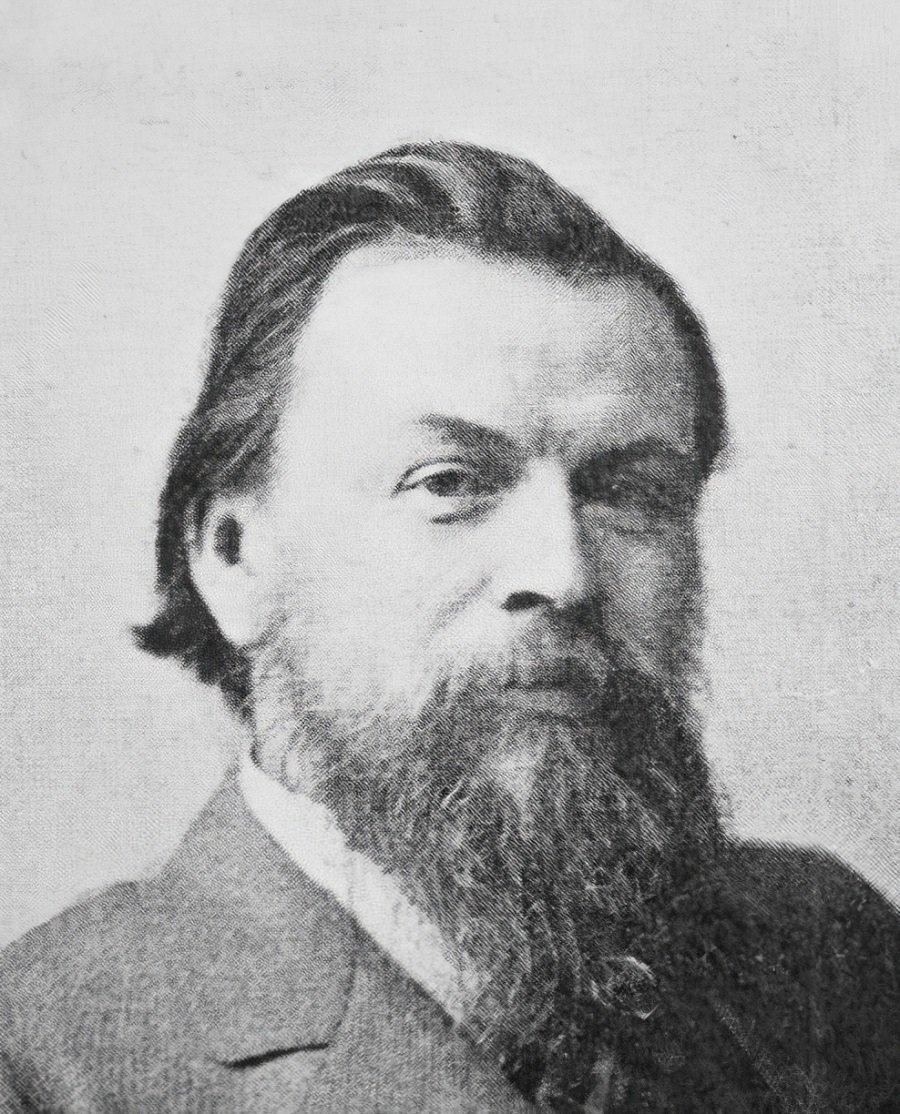
Gregor von Bochmann was a Baltic-German landscape and genre painter.
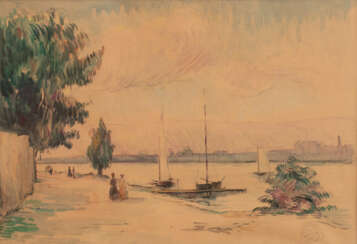

Christian Rohlfs was a German painter and printmaker, one of the important representatives of German expressionism.


Ernst Ludwig Kirchner was a pivotal figure in the art world, known for his profound impact on 20th-century Expressionism. Born in Bavaria, Germany, on May 6, 1880, Kirchner's journey into art began with architecture studies before he found his true calling in painting and printmaking. In 1905, alongside fellow architecture students, he co-founded Die Brücke ("The Bridge"), a group that sought to revolutionize art by bridging the gap between traditional academic styles and modern artistic expression. This group was instrumental in the development of Expressionism, advocating for intense emotion conveyed through vivid colors and bold lines.
Kirchner's work, characterized by its expressive intensity and often exploring themes of urban life and the human psyche, reflects a deep engagement with the cultural and social upheavals of his time. Notably, his experiences during World War I, including a mental breakdown and subsequent discharge from military service, deeply influenced his art. Works like "Self-Portrait as a Soldier" (1915) poignantly encapsulate the personal and societal trauma of the era.
After the war, Kirchner sought solace in Davos, Switzerland, where the tranquil landscapes inspired a new direction in his work, showcasing a more serene and reflective approach. Despite his contributions to modern art, Kirchner's later years were marred by the Nazi regime's denunciation of his work as "degenerate," leading to the destruction and dispersal of many pieces. Tragically, this persecution contributed to his decision to end his life on June 15, 1938.
Kirchner's legacy is preserved through his influential body of work, from vivid urban scenes to tranquil landscapes, all marked by a distinctive, expressive style that continues to captivate art collectors and experts. His works are held in major museums worldwide, including the Museum of Modern Art in New York and the National Gallery of Art in Washington, underscoring his enduring influence on the art world.
For those interested in the profound impact of Ernst Ludwig Kirchner on modern art and Expressionism, subscribing to updates on new product sales and auction events related to his work can provide valuable insights. This subscription is an opportunity for collectors and art experts to stay informed about the availability of Kirchner's influential pieces and related events.