1424


















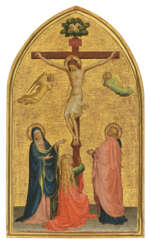

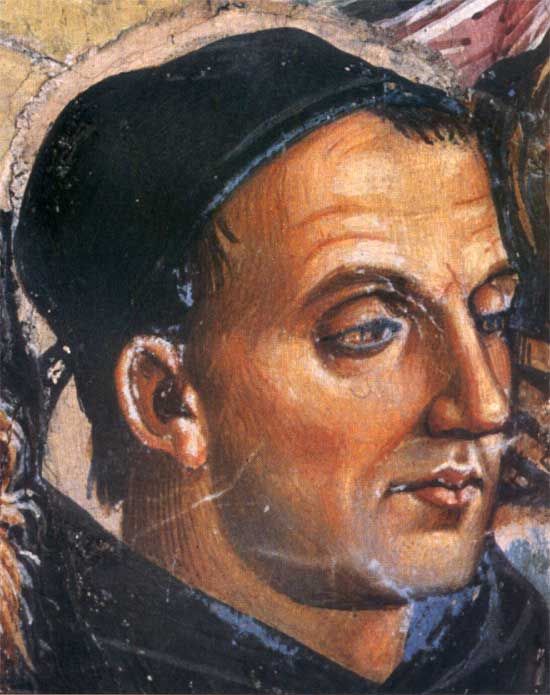
Fra Angelico, a name synonymous with the serenity and purity of Early Renaissance art, was a Dominican friar and Italian painter celebrated for his devout and luminous religious works. Born Guido di Pietro around 1395 in Vicchio, near Florence, he later became known as Fra Giovanni upon joining the Dominican order at Fiesole. His monastic life profoundly influenced his art, reflecting a deep spiritual commitment and a heavenly tranquility. Pope John Paul II recognized his sanctity by beatifying him in 1982, officially bestowing upon him the title "Blessed" and affirming his legacy as a bridge between heaven and earth through his art.
Fra Angelico's technical prowess and innovative approaches to composition and color set new standards in the art world. He was initially trained as an illuminator, which is evident in the delicate details and luminous quality of his works. His art was not confined by his religious duties; instead, his position allowed him to advance the Dominican order's mission through visually compelling narratives that spoke directly to the viewer's soul. His works, including altarpieces and frescoes, are revered for their serene religious attitude and classical influence, embodying the Early Renaissance spirit that sought to harmonize Christian themes with the natural world and human emotion.
Among his most notable contributions are the frescoes at the convent of San Marco in Florence, commissioned by Cosimo de' Medici. These works display Angelico's mastery over perspective and his ability to create a spiritual atmosphere that invites contemplation. The Annunciation, one of his most famous frescoes at San Marco, exemplifies his use of architectural space to frame the sacred narrative, integrating the divine with the everyday. His altarpieces, characterized by their detailed figures and harmonious compositions, were innovative in their unified presentation of sacred stories, moving away from the segmented Gothic style towards a more cohesive and immersive narrative experience.
Fra Angelico's influence extended beyond his lifetime, shaping the trajectory of Renaissance art through his integration of humanistic principles with devout Christian faith. His works are preserved in some of the world's most prestigious museums, including the Museo Diocesano in Cortona, the Uffizi Gallery, and the Museo del Convento di San Marco in Florence, continuing to inspire awe and reverence among viewers.
For collectors and experts in art and antiques, the legacy of Fra Angelico offers a window into the soul of the Renaissance, where beauty and spirituality converge. To stay informed about new product sales and auction events related to this pivotal artist, signing up for updates is a prudent step towards enriching one's collection with works that embody the zenith of religious and artistic expression in the Early Renaissance.

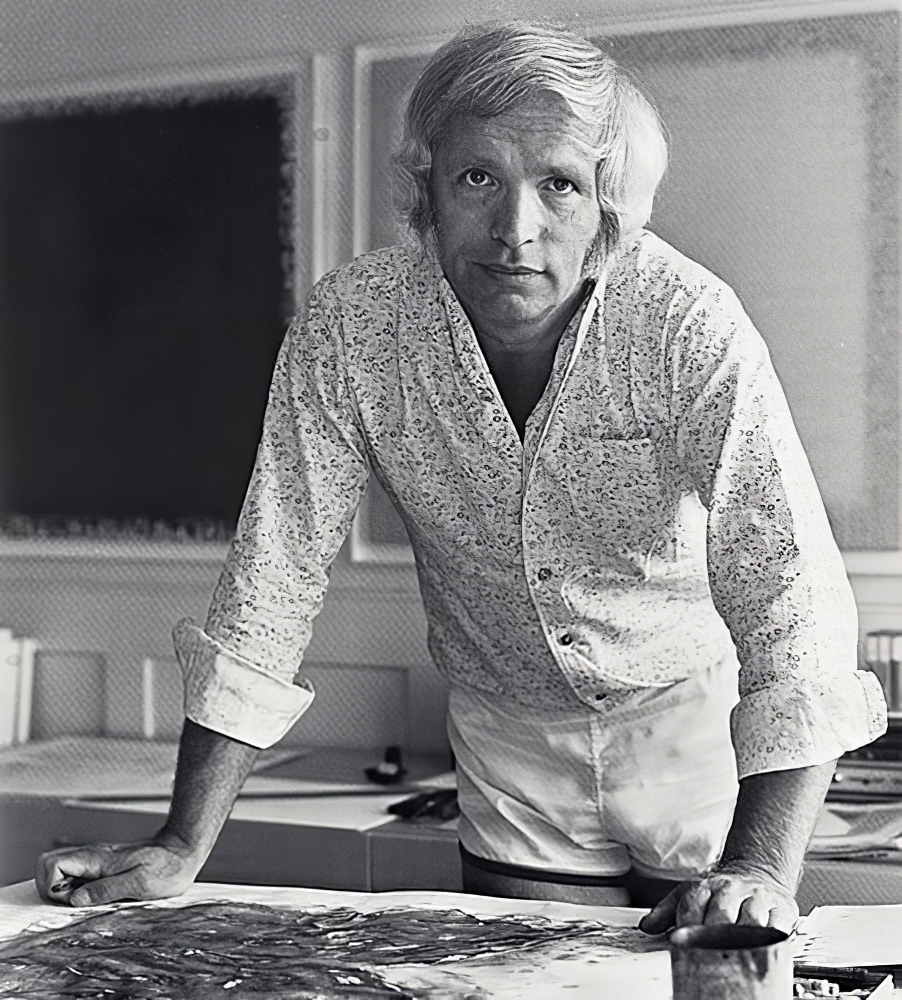
Bernd Berner is a German painter and graphic artist.




















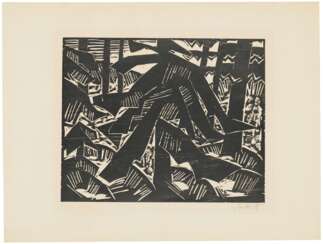

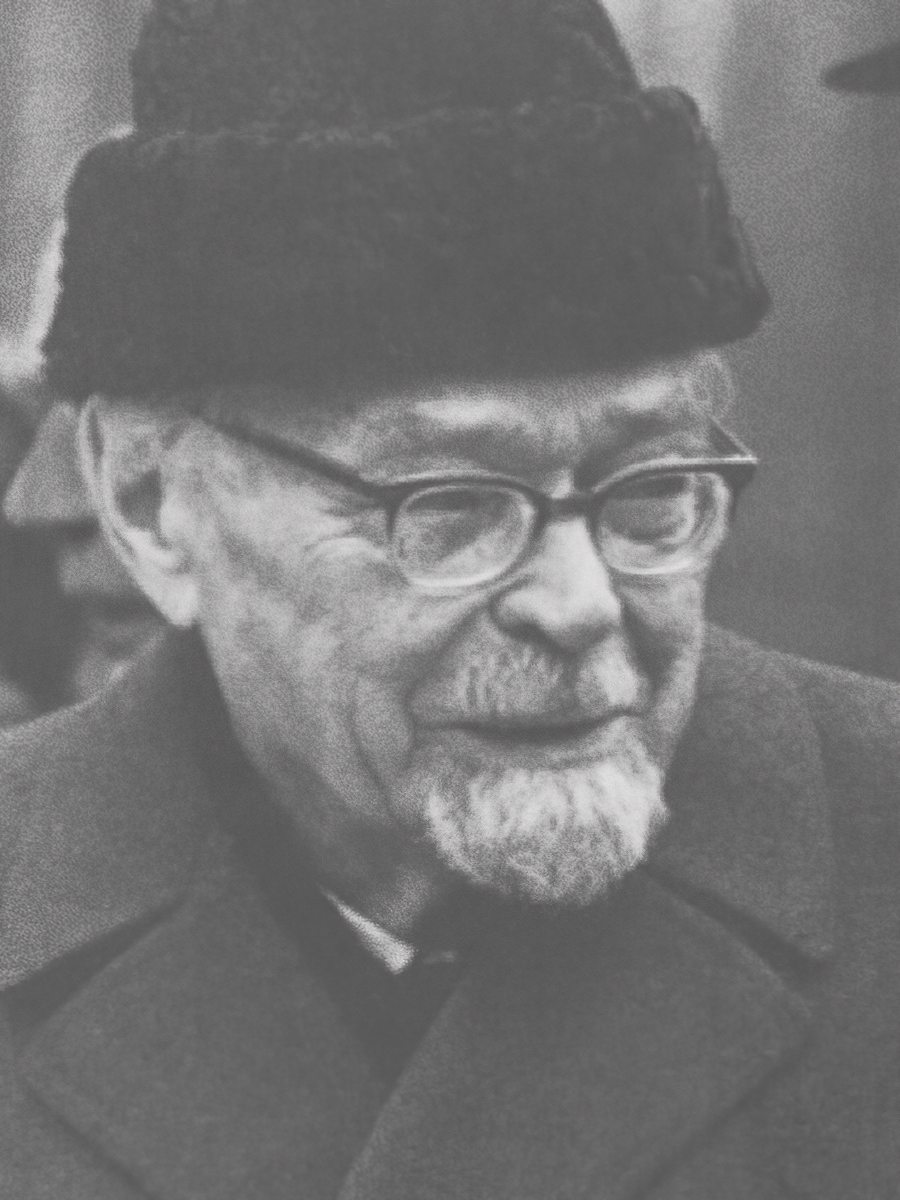
Karl Schmidt-Rottluff, a prominent figure in the German Expressionist movement, was not just an artist but a pioneer who significantly influenced the early 20th-century art scene. Born in Rottluff, Germany, in 1884, he later added his hometown's name to his surname, showcasing a deep connection to his roots. Schmidt-Rottluff was a founding member of the artist group Die Brücke, which played a critical role in the development of Expressionism in Germany. His works, characterized by bold colors and stark contrasts, were a departure from traditional artistic expressions and embraced a more emotional and subjective interpretation of reality.
Schmidt-Rottluff's contributions to art were not limited to painting; he was also a master printmaker, with a significant body of work comprising woodcuts, lithographs, and etchings. His artistic endeavors were marked by a fascination with the natural world, social issues, and an exploration of human emotion, themes that remained consistent throughout his career. Despite facing persecution during the Nazi regime, with many of his works labeled as "degenerate," Schmidt-Rottluff's resolve did not waver. In 1937, 608 of his paintings were seized, and by 1941, he was forbidden to paint. Yet, his legacy continued to grow post-World War II, and he was later honored with professorship at the University of Arts in Berlin-Charlottenburg in 1947, where he influenced a new generation of artists.
The value and impact of Schmidt-Rottluff's work are reflected in the presence of his pieces in prestigious collections worldwide, including the Museum of Modern Art, Neue Galerie, Los Angeles County Museum of Art, and many others. His works are celebrated for their emotional depth, innovative use of color, and ability to convey complex themes through simplified forms. Notably, some of his significant pieces have been subjects of restitution efforts, highlighting the historical importance and continued relevance of his work in the context of art history and cultural heritage.
For collectors and experts in art and antiques, Schmidt-Rottluff's oeuvre offers a profound insight into the evolution of Expressionism and the broader cultural and political narratives of the early 20th century. His works not only serve as a testament to his individual genius but also as a reflection of the tumultuous era that shaped them.
To stay informed about new discoveries, sales, and auction events related to Karl Schmidt-Rottluff's work, signing up for updates is highly recommended. This ensures that enthusiasts and collectors alike are always in the loop regarding opportunities to engage with and acquire pieces by this influential artist, ensuring his legacy continues to inspire and resonate with future generations.