1592


Jacques Callot was a baroque printmaker and draftsman from the Duchy of Lorraine (an independent state on the north-eastern border of France, southwestern border of Germany and overlapping the southern Netherlands). He is an important person in the development of the old master print. He made more than 1,400 etchings that chronicled the life of his period, featuring soldiers, clowns, drunkards, Gypsies, beggars, as well as court life. He also etched many religious and military images, and many prints featured extensive landscapes in their background.
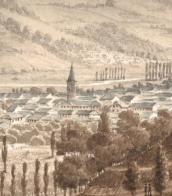
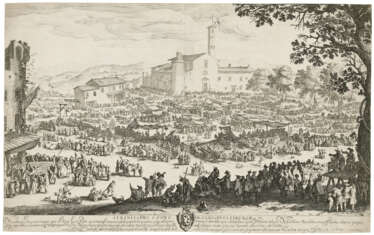

Jacques Callot was a baroque printmaker and draftsman from the Duchy of Lorraine (an independent state on the north-eastern border of France, southwestern border of Germany and overlapping the southern Netherlands). He is an important person in the development of the old master print. He made more than 1,400 etchings that chronicled the life of his period, featuring soldiers, clowns, drunkards, Gypsies, beggars, as well as court life. He also etched many religious and military images, and many prints featured extensive landscapes in their background.

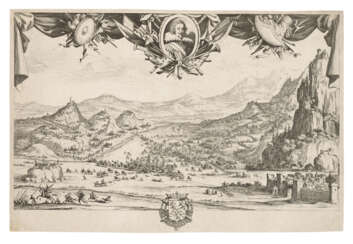

Jacques Callot was a baroque printmaker and draftsman from the Duchy of Lorraine (an independent state on the north-eastern border of France, southwestern border of Germany and overlapping the southern Netherlands). He is an important person in the development of the old master print. He made more than 1,400 etchings that chronicled the life of his period, featuring soldiers, clowns, drunkards, Gypsies, beggars, as well as court life. He also etched many religious and military images, and many prints featured extensive landscapes in their background.


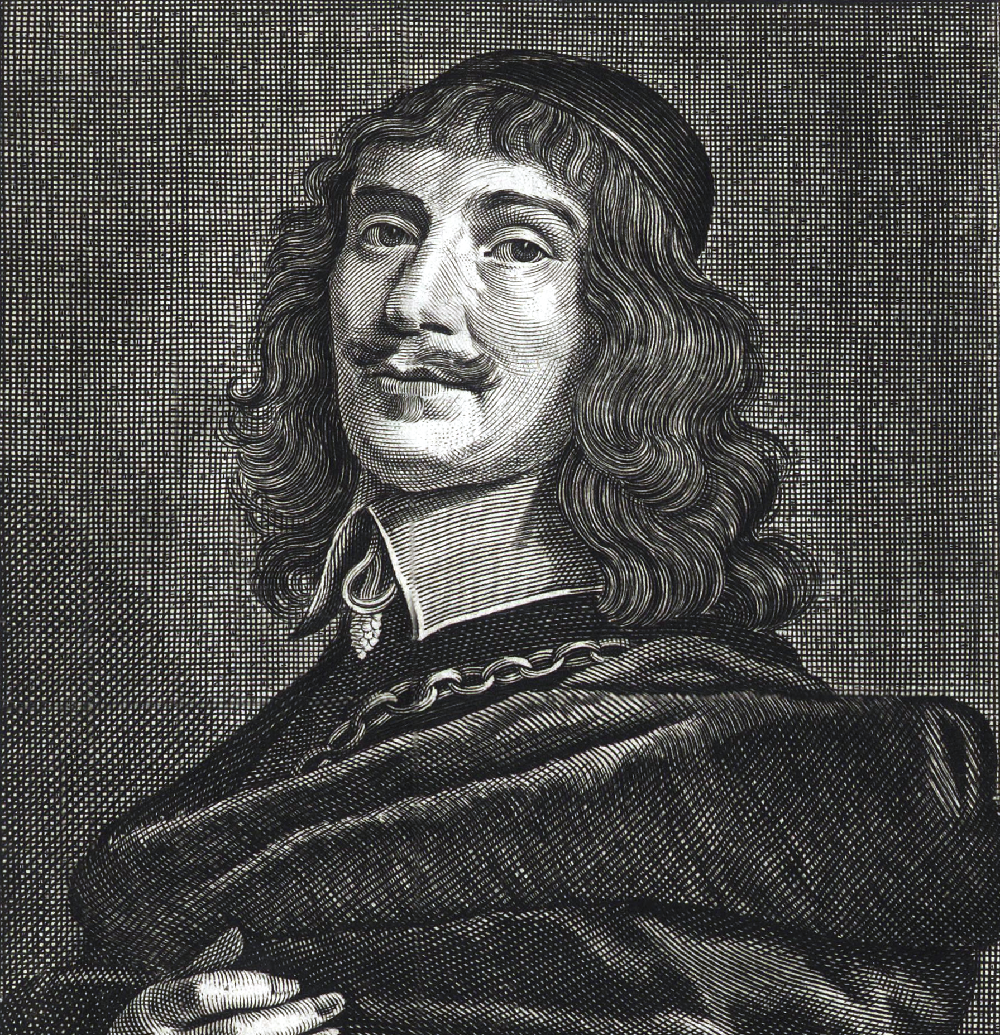
Gerard van Honthorst (Dutch: Gerrit van Honthorst) was a Dutch Golden Age painter who became known for his depiction of artificially lit scenes, eventually receiving the nickname Gherardo delle Notti ("Gerard of the Nights"). Early in his career he visited Rome, where he had great success painting in a style influenced by Caravaggio. Following his return to the Netherlands he became a leading portrait painter.
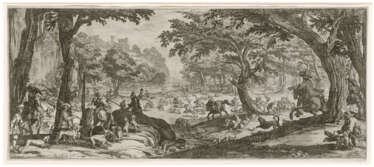

Jacques Callot was a baroque printmaker and draftsman from the Duchy of Lorraine (an independent state on the north-eastern border of France, southwestern border of Germany and overlapping the southern Netherlands). He is an important person in the development of the old master print. He made more than 1,400 etchings that chronicled the life of his period, featuring soldiers, clowns, drunkards, Gypsies, beggars, as well as court life. He also etched many religious and military images, and many prints featured extensive landscapes in their background.
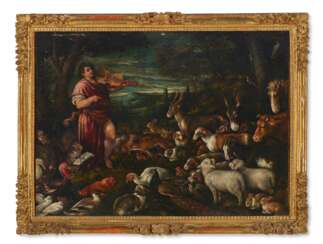

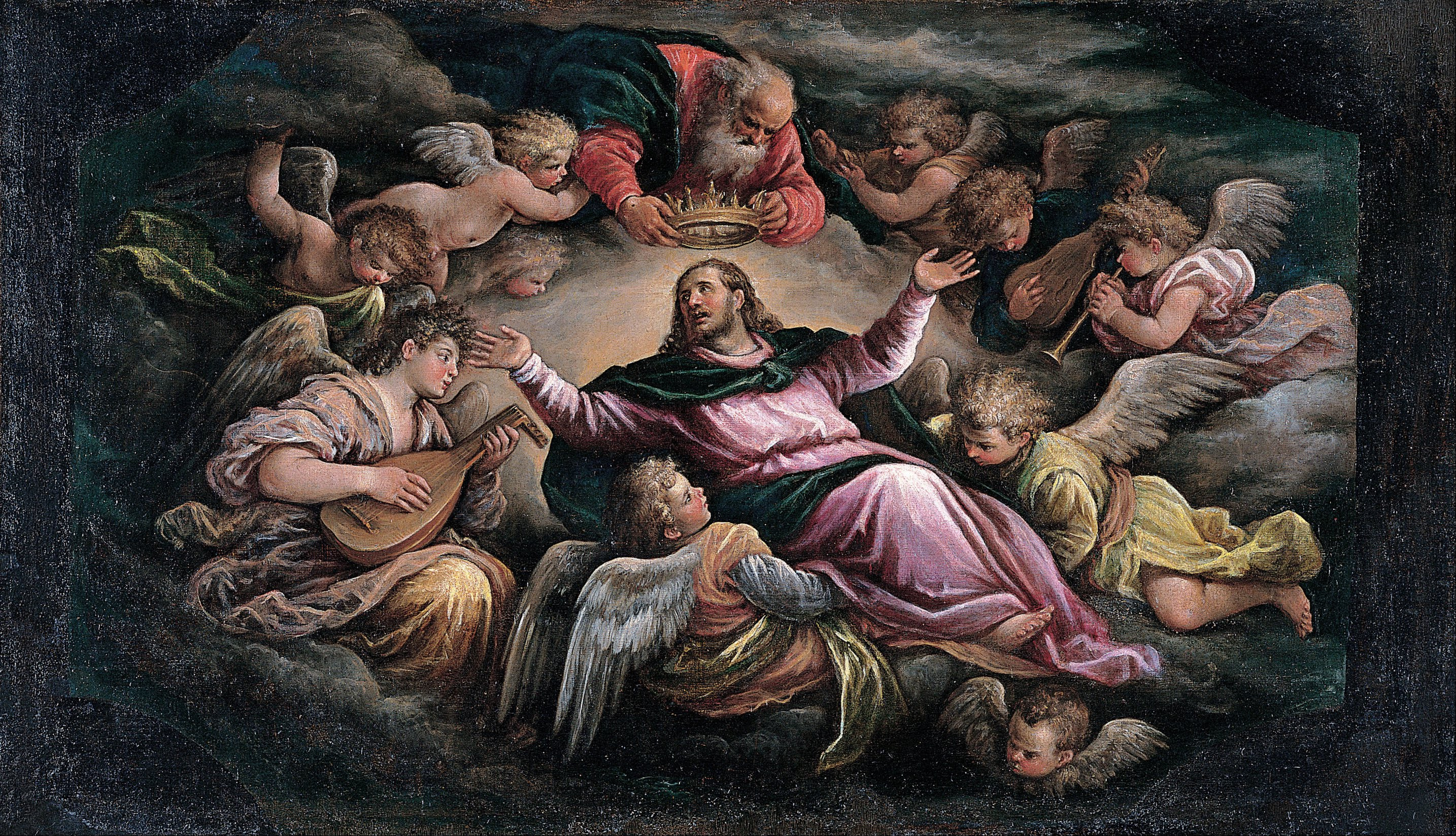
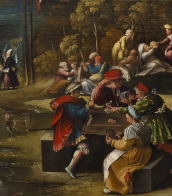
Francesco Bassano the Younger Italian painter of the Renaissance period.


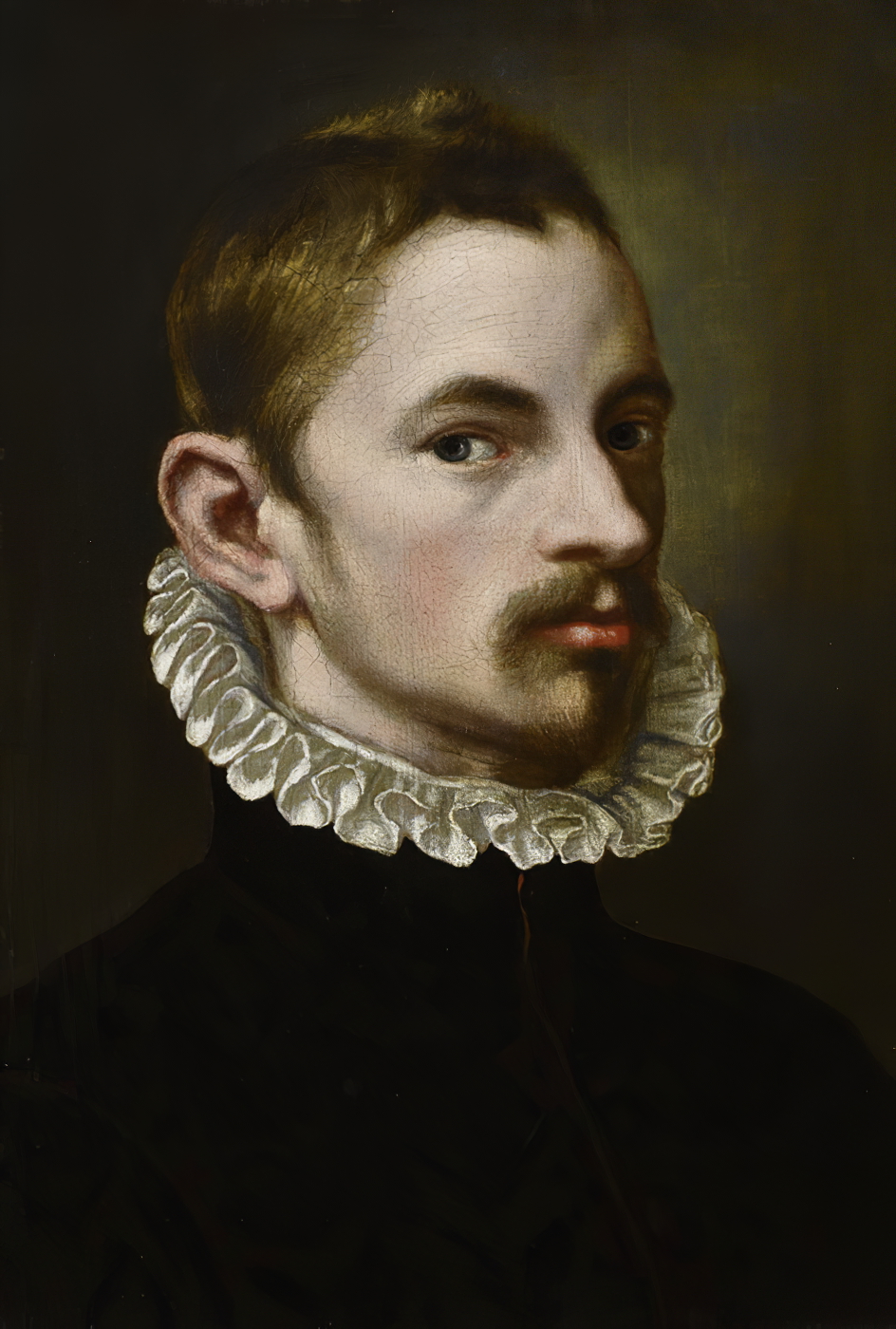
Bartolomeo Passerotti was an Italian painter of the mannerist period, who worked mainly in his native Bologna.
He influenced many Bolognese who would later play a role in the rise of the Baroque. Annibale Carracci (whose brother Agostino studied with Passerotti) was influenced by Passerotti's genre scenes in a select set of paintings (such as The Beaneater and The Butcher's Shop, the latter being originally attributed to Passerotti). Lucio Massari and Francesco Brizzi were among his pupils. Three of Passerotti's sons, including Ventura (1566–1618), Aurelio (1560–1609) and Tiburzio, were painters.


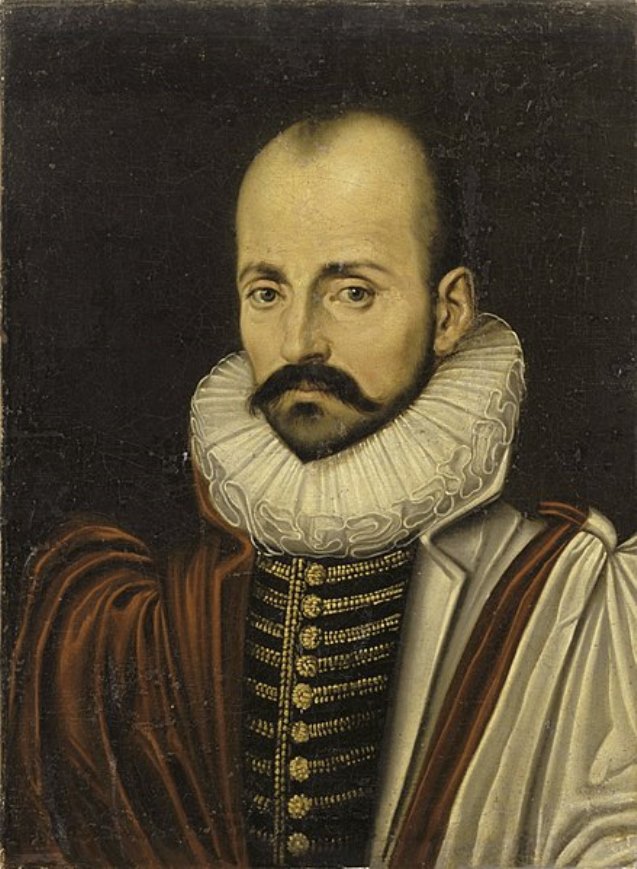


Gerard van Honthorst (Dutch: Gerrit van Honthorst) was a Dutch Golden Age painter who became known for his depiction of artificially lit scenes, eventually receiving the nickname Gherardo delle Notti ("Gerard of the Nights"). Early in his career he visited Rome, where he had great success painting in a style influenced by Caravaggio. Following his return to the Netherlands he became a leading portrait painter.


Gerard van Honthorst (Dutch: Gerrit van Honthorst) was a Dutch Golden Age painter who became known for his depiction of artificially lit scenes, eventually receiving the nickname Gherardo delle Notti ("Gerard of the Nights"). Early in his career he visited Rome, where he had great success painting in a style influenced by Caravaggio. Following his return to the Netherlands he became a leading portrait painter.
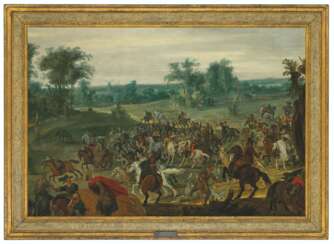

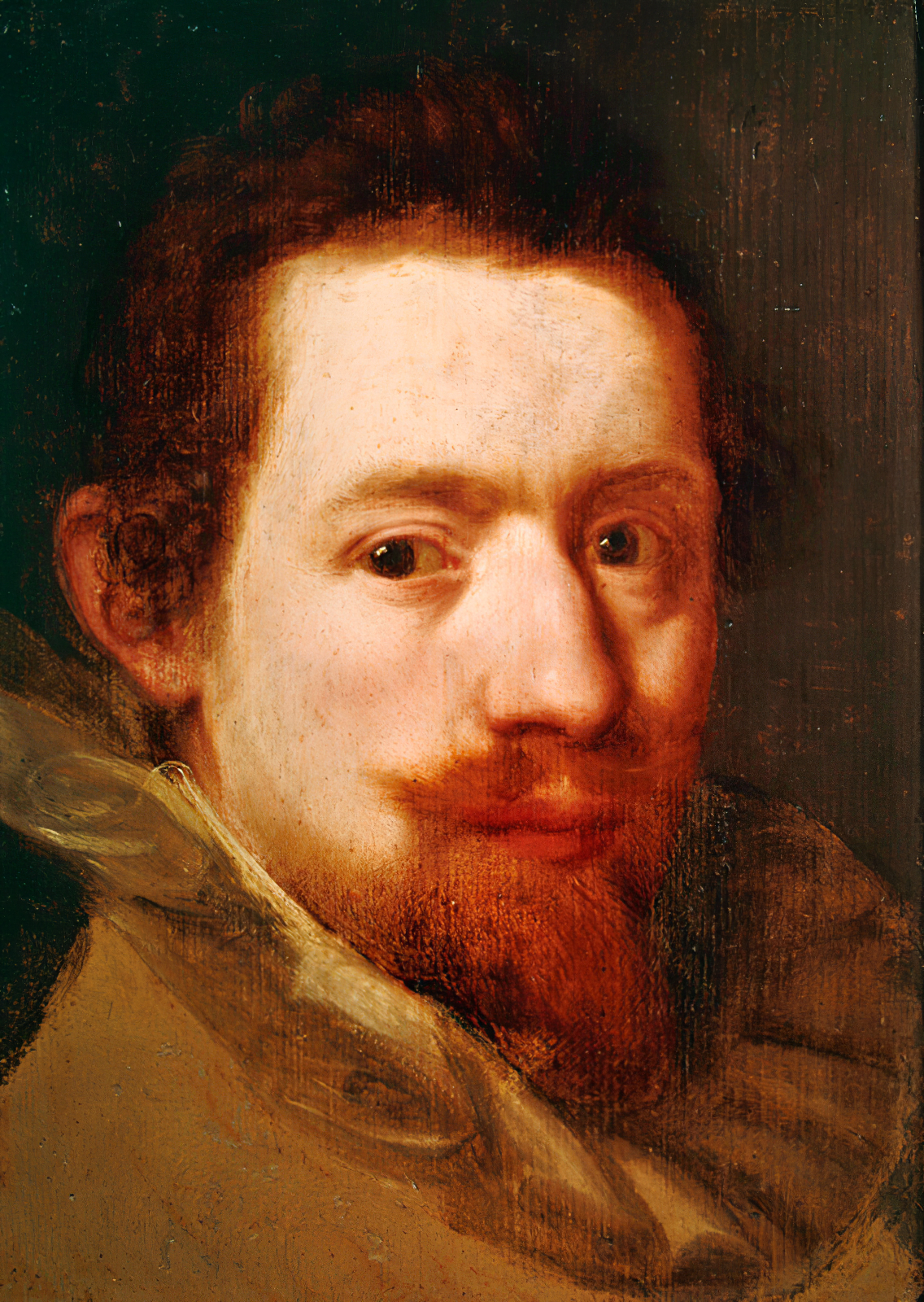
Pieter Snayers was a Flemish painter known for his panoramic battle scenes, depictions of cavalry skirmishes, attacks on villages, coaches and convoys and hunting scenes. He established his reputation mainly through his topographic battle scenes providing a bird's eye view over the battlefield. He further painted large landscapes and portraits of the aristocracy. He was a regular collaborator of local landscape painters and also Rubens.
After starting his career in Antwerp, he moved to Brussels where he worked for the court. He was the principal military iconographer of the court in Brussels and the appointed court painter with the rank of lieutenant-colonel.

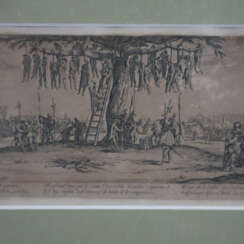

Jacques Callot was a baroque printmaker and draftsman from the Duchy of Lorraine (an independent state on the north-eastern border of France, southwestern border of Germany and overlapping the southern Netherlands). He is an important person in the development of the old master print. He made more than 1,400 etchings that chronicled the life of his period, featuring soldiers, clowns, drunkards, Gypsies, beggars, as well as court life. He also etched many religious and military images, and many prints featured extensive landscapes in their background.




_Calligraphy-VIL_WiKi.jpeg)
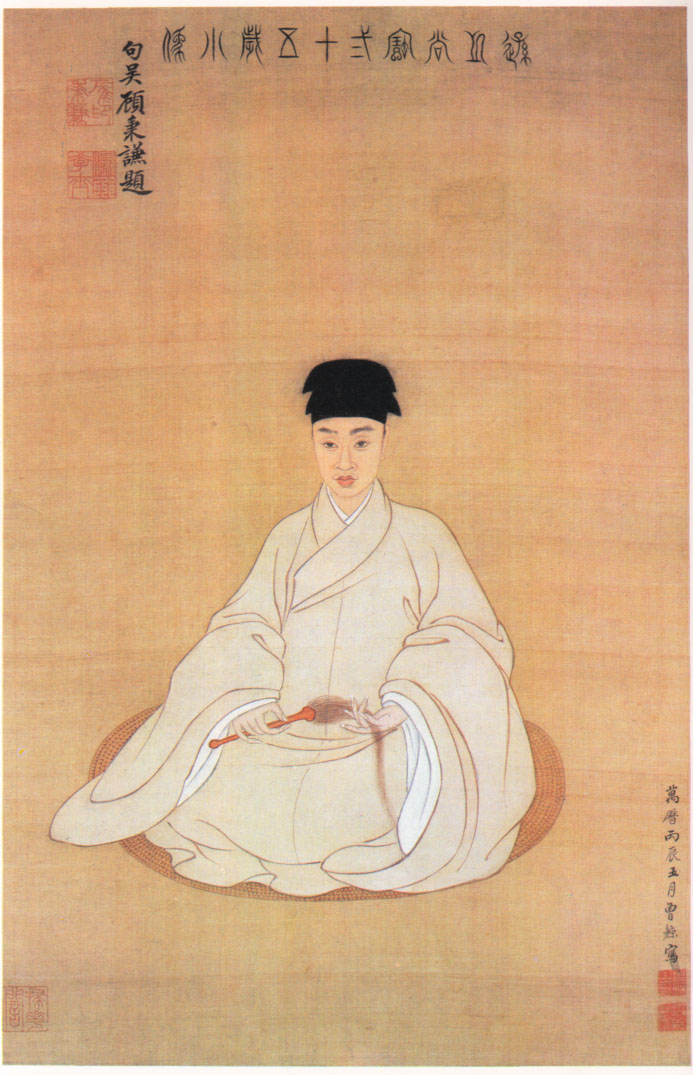
Wang Duo was a Chinese calligrapher, painter, and poet during the Ming dynasty, renowned for his artistic versatility and the cultural depth of his work. Born in Mengjin, Henan province, Wang Duo left an indelible mark on the artistic landscape of China, bridging the late Ming and early Qing dynasties with his creative expression.
His works, such as a mountain landscape dated 1651, showcase his mastery of ink on paper, reflecting the aesthetic preferences and skilled craftsmanship of the Qing dynasty period. Another remarkable piece, a free copy of Xu Jiaozhi’s calligraphy dating back to 1635, is a testament to his prowess in calligraphic arts, executed on a hanging scroll with ink on satin. Additionally, his lettering on gold-flecked paper, a medium that added a luminous quality to his work, is preserved as an album leaf, evidencing the fusion of literary and visual arts during the late Ming to early Qing dynasty.
For collectors, auctioneers, and experts in art and antiques, Wang Duo’s works not only represent a significant cultural heritage but also offer a glimpse into the rich tapestry of Chinese history through art. His legacy is encapsulated in the intricate strokes of his calligraphy and the serene landscapes of his paintings, many of which are held in prestigious institutions like The Metropolitan Museum of Art. To stay informed on updates related to Wang Duo and similar artists, sign up for our newsletter and enrich your collection with the essence of Chinese art history.
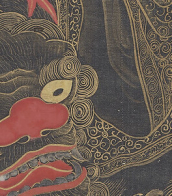


Bartolomeo Passerotti was an Italian painter of the mannerist period, who worked mainly in his native Bologna.
He influenced many Bolognese who would later play a role in the rise of the Baroque. Annibale Carracci (whose brother Agostino studied with Passerotti) was influenced by Passerotti's genre scenes in a select set of paintings (such as The Beaneater and The Butcher's Shop, the latter being originally attributed to Passerotti). Lucio Massari and Francesco Brizzi were among his pupils. Three of Passerotti's sons, including Ventura (1566–1618), Aurelio (1560–1609) and Tiburzio, were painters.
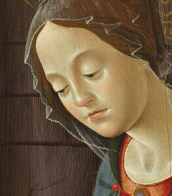
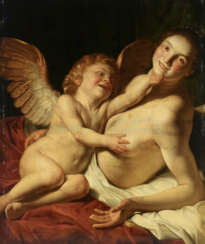

Gerard van Honthorst (Dutch: Gerrit van Honthorst) was a Dutch Golden Age painter who became known for his depiction of artificially lit scenes, eventually receiving the nickname Gherardo delle Notti ("Gerard of the Nights"). Early in his career he visited Rome, where he had great success painting in a style influenced by Caravaggio. Following his return to the Netherlands he became a leading portrait painter.
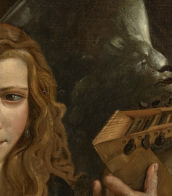


Jacques Callot was a baroque printmaker and draftsman from the Duchy of Lorraine (an independent state on the north-eastern border of France, southwestern border of Germany and overlapping the southern Netherlands). He is an important person in the development of the old master print. He made more than 1,400 etchings that chronicled the life of his period, featuring soldiers, clowns, drunkards, Gypsies, beggars, as well as court life. He also etched many religious and military images, and many prints featured extensive landscapes in their background.
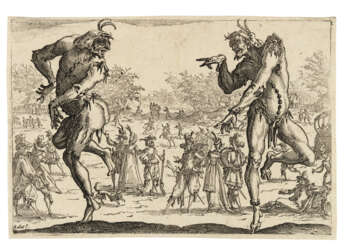

Jacques Callot was a baroque printmaker and draftsman from the Duchy of Lorraine (an independent state on the north-eastern border of France, southwestern border of Germany and overlapping the southern Netherlands). He is an important person in the development of the old master print. He made more than 1,400 etchings that chronicled the life of his period, featuring soldiers, clowns, drunkards, Gypsies, beggars, as well as court life. He also etched many religious and military images, and many prints featured extensive landscapes in their background.
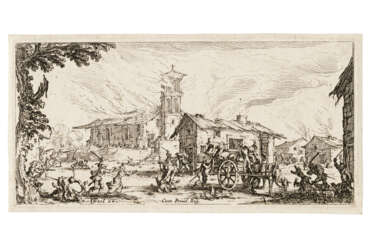

Jacques Callot was a baroque printmaker and draftsman from the Duchy of Lorraine (an independent state on the north-eastern border of France, southwestern border of Germany and overlapping the southern Netherlands). He is an important person in the development of the old master print. He made more than 1,400 etchings that chronicled the life of his period, featuring soldiers, clowns, drunkards, Gypsies, beggars, as well as court life. He also etched many religious and military images, and many prints featured extensive landscapes in their background.


Jacques Callot was a baroque printmaker and draftsman from the Duchy of Lorraine (an independent state on the north-eastern border of France, southwestern border of Germany and overlapping the southern Netherlands). He is an important person in the development of the old master print. He made more than 1,400 etchings that chronicled the life of his period, featuring soldiers, clowns, drunkards, Gypsies, beggars, as well as court life. He also etched many religious and military images, and many prints featured extensive landscapes in their background.
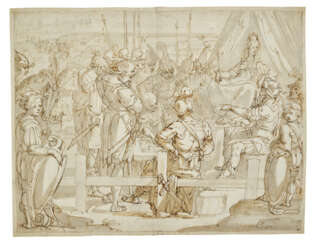

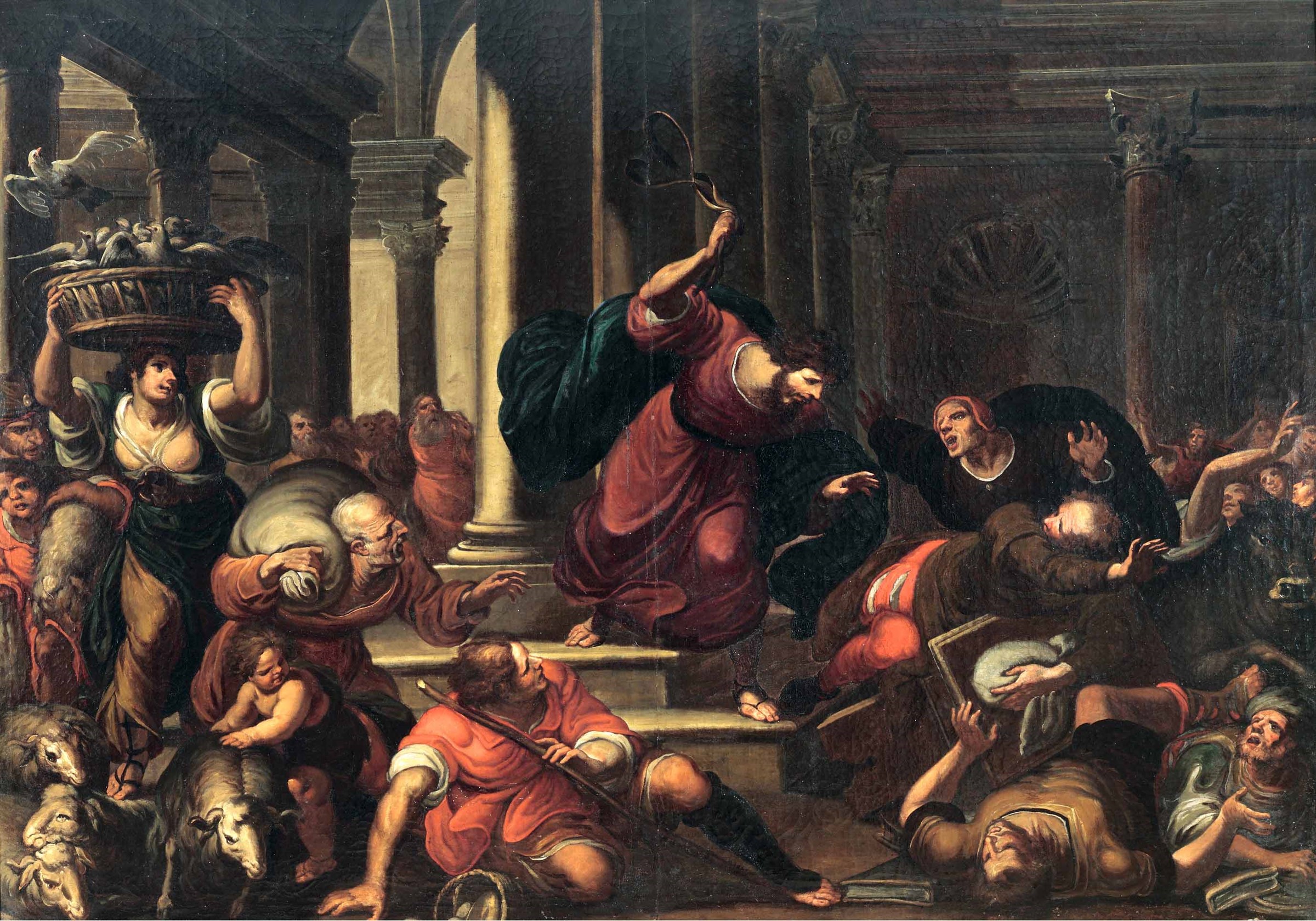
Giulio Benso was a Genovese painter of the early Baroque. He is known as one of the followers of the style of Luca Cambiasi. Initially under the patronage of Giovanni Carl Doria, he met Giulio Cesare Procaccini and was encouraged to study in the Genovese Accademia del Nudo. Afterwards, he was apprenticed to Giovanni Battista Paggi. Apart from his work in Liguria, he decorated the Palazzo Grimaldi in Cagnes-sur-Mer with the Fall of Phaeton and sent works to the Abbey of Weingarten in Germany. In the 1640s, he completed his masterpiece, a fresco in the presbytery and apse of the church of the Basilica della Santissima Annunziata del Vastato. There are also paintings of his in his hometown of Pieve di Teco as well as in the parish church of Sant'Ambrogio in Alassio.
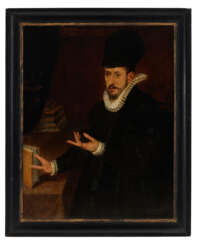

Bartolomeo Passerotti was an Italian painter of the mannerist period, who worked mainly in his native Bologna.
He influenced many Bolognese who would later play a role in the rise of the Baroque. Annibale Carracci (whose brother Agostino studied with Passerotti) was influenced by Passerotti's genre scenes in a select set of paintings (such as The Beaneater and The Butcher's Shop, the latter being originally attributed to Passerotti). Lucio Massari and Francesco Brizzi were among his pupils. Three of Passerotti's sons, including Ventura (1566–1618), Aurelio (1560–1609) and Tiburzio, were painters.
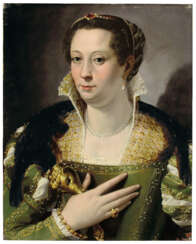

Bartolomeo Passerotti was an Italian painter of the mannerist period, who worked mainly in his native Bologna.
He influenced many Bolognese who would later play a role in the rise of the Baroque. Annibale Carracci (whose brother Agostino studied with Passerotti) was influenced by Passerotti's genre scenes in a select set of paintings (such as The Beaneater and The Butcher's Shop, the latter being originally attributed to Passerotti). Lucio Massari and Francesco Brizzi were among his pupils. Three of Passerotti's sons, including Ventura (1566–1618), Aurelio (1560–1609) and Tiburzio, were painters.
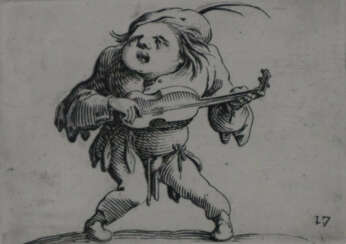

Jacques Callot was a baroque printmaker and draftsman from the Duchy of Lorraine (an independent state on the north-eastern border of France, southwestern border of Germany and overlapping the southern Netherlands). He is an important person in the development of the old master print. He made more than 1,400 etchings that chronicled the life of his period, featuring soldiers, clowns, drunkards, Gypsies, beggars, as well as court life. He also etched many religious and military images, and many prints featured extensive landscapes in their background.
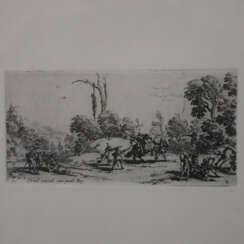

Jacques Callot was a baroque printmaker and draftsman from the Duchy of Lorraine (an independent state on the north-eastern border of France, southwestern border of Germany and overlapping the southern Netherlands). He is an important person in the development of the old master print. He made more than 1,400 etchings that chronicled the life of his period, featuring soldiers, clowns, drunkards, Gypsies, beggars, as well as court life. He also etched many religious and military images, and many prints featured extensive landscapes in their background.


Wang Duo was a Chinese calligrapher, painter, and poet during the Ming dynasty, renowned for his artistic versatility and the cultural depth of his work. Born in Mengjin, Henan province, Wang Duo left an indelible mark on the artistic landscape of China, bridging the late Ming and early Qing dynasties with his creative expression.
His works, such as a mountain landscape dated 1651, showcase his mastery of ink on paper, reflecting the aesthetic preferences and skilled craftsmanship of the Qing dynasty period. Another remarkable piece, a free copy of Xu Jiaozhi’s calligraphy dating back to 1635, is a testament to his prowess in calligraphic arts, executed on a hanging scroll with ink on satin. Additionally, his lettering on gold-flecked paper, a medium that added a luminous quality to his work, is preserved as an album leaf, evidencing the fusion of literary and visual arts during the late Ming to early Qing dynasty.
For collectors, auctioneers, and experts in art and antiques, Wang Duo’s works not only represent a significant cultural heritage but also offer a glimpse into the rich tapestry of Chinese history through art. His legacy is encapsulated in the intricate strokes of his calligraphy and the serene landscapes of his paintings, many of which are held in prestigious institutions like The Metropolitan Museum of Art. To stay informed on updates related to Wang Duo and similar artists, sign up for our newsletter and enrich your collection with the essence of Chinese art history.
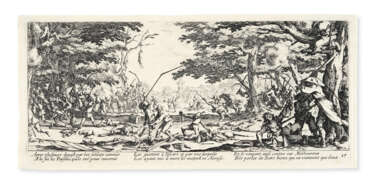

Jacques Callot was a baroque printmaker and draftsman from the Duchy of Lorraine (an independent state on the north-eastern border of France, southwestern border of Germany and overlapping the southern Netherlands). He is an important person in the development of the old master print. He made more than 1,400 etchings that chronicled the life of his period, featuring soldiers, clowns, drunkards, Gypsies, beggars, as well as court life. He also etched many religious and military images, and many prints featured extensive landscapes in their background.



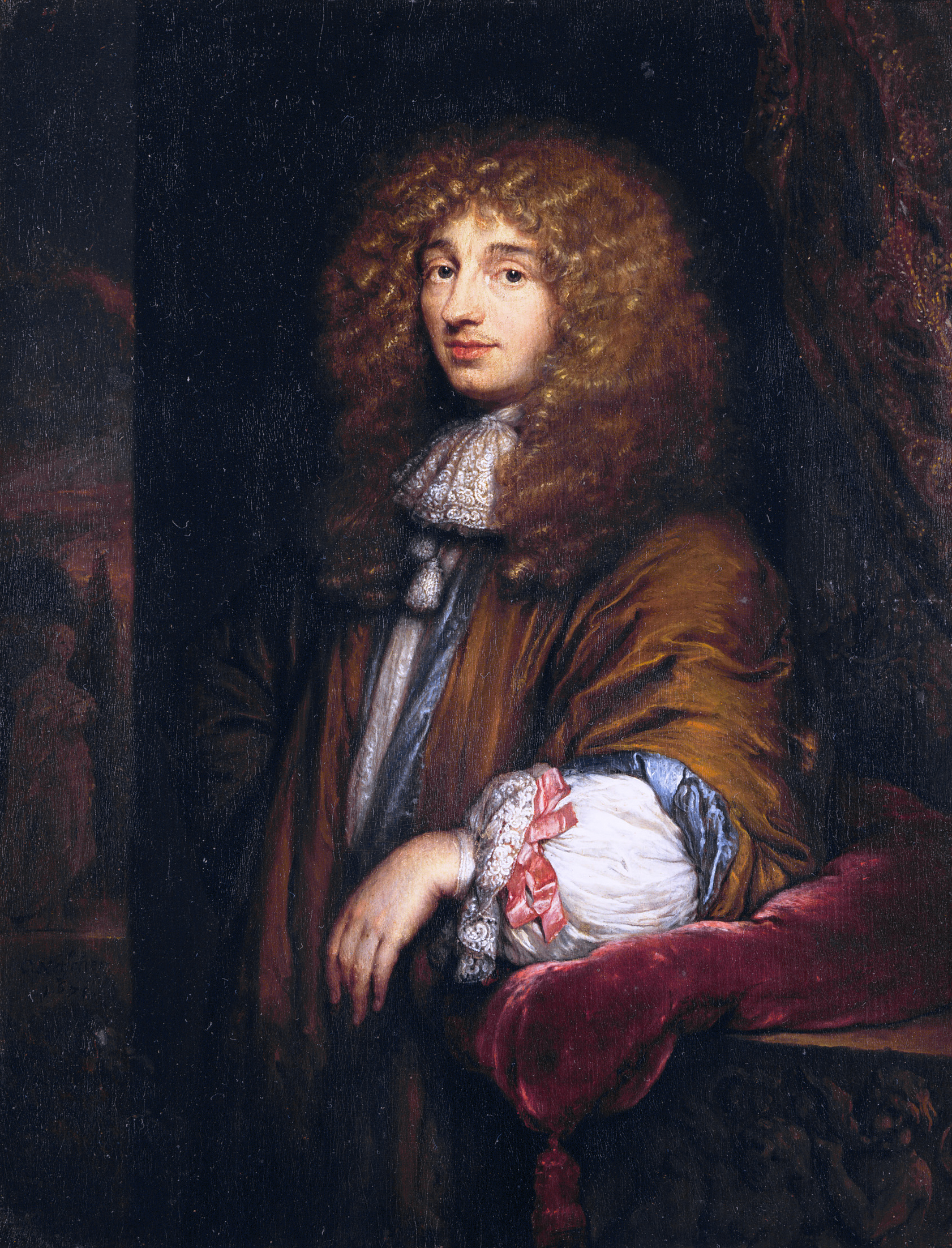
Christiaan Huygens van Zeelhem was a Dutch mechanic, physicist, mathematician, inventor and astronomer who formulated the wave theory of light.
An admirer of Descartes, Huygens preferred to conduct new experiments himself to observe and formulate laws. In physics, he contributed to the development of the crucial Huygens-Fresnel principle, which applies to wave propagation. He also extensively investigated free fall. He experimentally proved the law of conservation of momentum. He derived the law of centrifugal force for uniform circular motion.
He also invented the pendulum clock, discovered centrifugal force and the true shape of Saturn's rings as well as its moon Titan. Huygens is considered the first theoretical physicist to use formulas in physics and one of the founders of theoretical mechanics and probability theory.
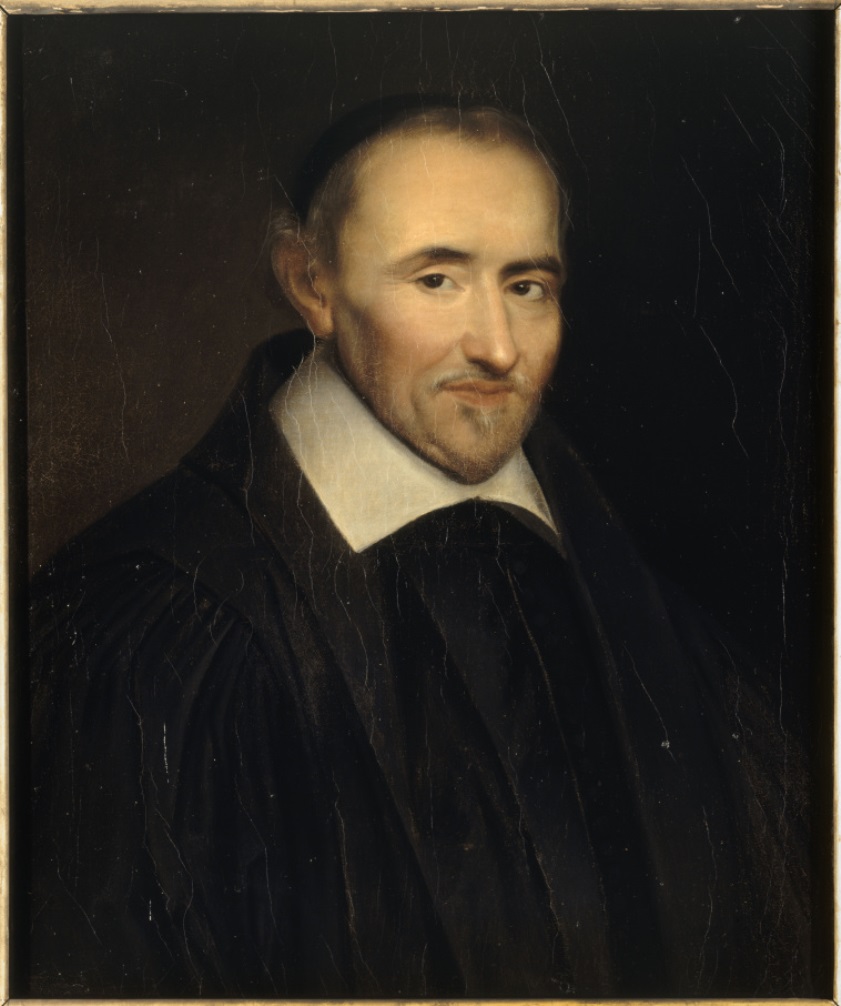
Pierre Gassendi was a French Catholic priest, Epicurean philosopher, mathematician, astronomer and researcher of ancient texts.
He taught rhetoric at Diné and philosophy at Aix-en-Provence. Gassendi's Syntagma philosophicum, the result of his historical research and philosophical reflections, is a well-known work. Several of his works on astronomy, physics and mechanics were also published in the 17th century.