185 185 89
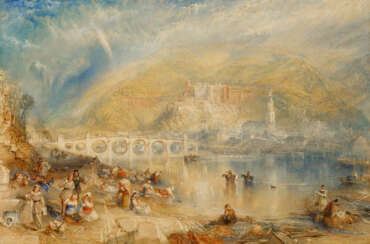


Joseph Mallord William Turner, a seminal figure in British painting, was born in 1775 and left an indelible mark on the Romantic movement. Known for his expressive coloration, imaginative landscapes, and turbulent marine paintings, Turner's work transcends the traditional boundaries of art to capture the sublime force of nature. His career was distinguished by early talent, evidenced by his acceptance into the Royal Academy at the young age of 14, and a prolific output that included over 2,000 paintings and 19,000 drawings and sketches.
William Turner's unique approach to landscape painting, characterized by dramatic skies and atmospheric effects, set a new standard for capturing mood and emotion on canvas. His innovative use of light and color influenced countless artists, elevating landscape painting to rival the status of history painting. Turner's legacy is also marked by his eccentricity and reclusiveness, traits that only added to the mystique surrounding his artistic genius.
Among his most famous works are "The Fighting Temeraire," symbolizing the passing of the old world, and "Rain, Steam and Speed," capturing the Industrial Revolution's impact. These paintings not only showcase William Turner's technical skill but also his philosophical engagement with the changing world around him.
For collectors and experts in art and antiques, William Turner's works represent the pinnacle of Romantic art, offering insight into the 19th-century aesthetic and philosophical landscape. His influence on subsequent generations of artists underscores his position as a pivotal figure in the history of Western art.
To stay informed about Joseph Mallord William Turner's works and related events, signing up for updates from reputable art institutions can provide valuable insights into new discoveries and auction events related to this master of the British landscape.
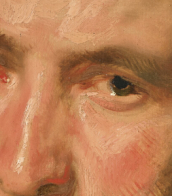
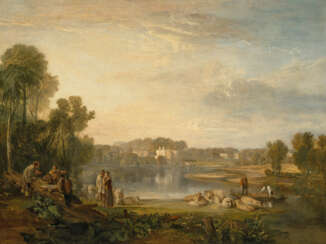

Joseph Mallord William Turner, a seminal figure in British painting, was born in 1775 and left an indelible mark on the Romantic movement. Known for his expressive coloration, imaginative landscapes, and turbulent marine paintings, Turner's work transcends the traditional boundaries of art to capture the sublime force of nature. His career was distinguished by early talent, evidenced by his acceptance into the Royal Academy at the young age of 14, and a prolific output that included over 2,000 paintings and 19,000 drawings and sketches.
William Turner's unique approach to landscape painting, characterized by dramatic skies and atmospheric effects, set a new standard for capturing mood and emotion on canvas. His innovative use of light and color influenced countless artists, elevating landscape painting to rival the status of history painting. Turner's legacy is also marked by his eccentricity and reclusiveness, traits that only added to the mystique surrounding his artistic genius.
Among his most famous works are "The Fighting Temeraire," symbolizing the passing of the old world, and "Rain, Steam and Speed," capturing the Industrial Revolution's impact. These paintings not only showcase William Turner's technical skill but also his philosophical engagement with the changing world around him.
For collectors and experts in art and antiques, William Turner's works represent the pinnacle of Romantic art, offering insight into the 19th-century aesthetic and philosophical landscape. His influence on subsequent generations of artists underscores his position as a pivotal figure in the history of Western art.
To stay informed about Joseph Mallord William Turner's works and related events, signing up for updates from reputable art institutions can provide valuable insights into new discoveries and auction events related to this master of the British landscape.


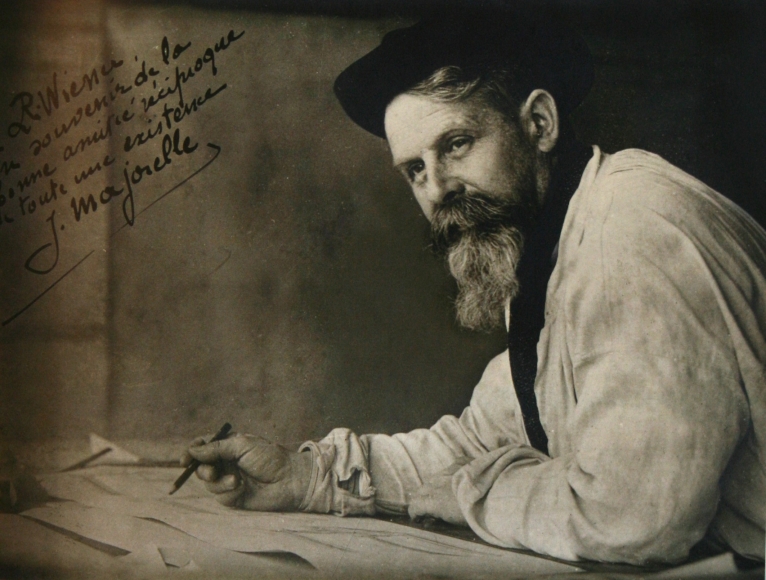
Louis Majorelle was a prominent French artist, cabinetmaker, furniture designer, and a leading figure of the Art Nouveau movement. Trained initially as a painter, Majorelle shifted focus to furniture design, taking over his family's business and emerging as a dynamic force within the École de Nancy.
Louis Majorelle was instrumental in the Art Nouveau style's development, known for his innovative and nature-inspired designs. He was one of the founding members of the École de Nancy, a collective that aimed to promote Lorraine's decorative arts. Louis Majorelle's work, particularly in furniture and interior design, showcased his skill in integrating natural forms with functional pieces. His use of materials such as mahogany and his incorporation of floral and organic motifs were distinctive of his work. Notably, Majorelle's Nénuphar bed, displaying water lily motifs, stands as a testament to his design philosophy and can be seen at the Musée d'Orsay in Paris.
The Villa Majorelle, his own residence in Nancy, serves as an embodiment of Art Nouveau architecture, featuring intricate ironwork and woodwork crafted by Louis Majorelle himself. This house not only served as his home but also as a beacon of Art Nouveau's architectural potential, showcasing the movement's aesthetic in a living environment.
For collectors and experts in art and antiques, Louis Majorelle's work represents the pinnacle of Art Nouveau's embrace of naturalistic designs and the seamless blend of art and craftsmanship. His contributions to the movement have left an indelible mark on the history of decorative arts.
To stay informed about new discoveries and interpretations related to Louis Majorelle and his era, signing up for updates is highly recommended. This subscription will ensure you're alerted to new product sales, auction events, and exhibitions related to this significant figure in art and design history.

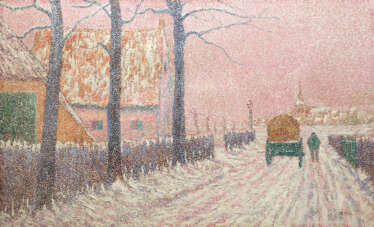

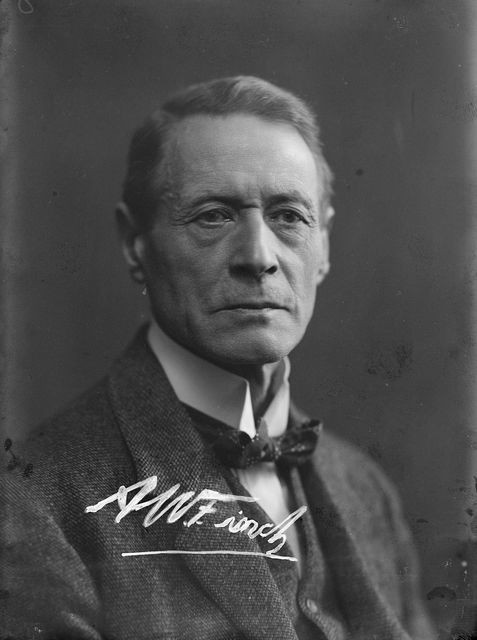
Alfred William (Willy) Finch was a ceramist and painter in the pointillist and Neo-Impressionist style. Born in Brussels to British parents, he spent most of his creative life in Finland. In 1883 he became a founding member of Les XX, a group of twenty Belgian painters, designers and sculptors, who rebelled against the prevailing artistic standards and outmoded academism. He was impressed by the works of Georges Seurat and Paul Signac and changed his own painting style from a more realistic approach into a pointillistic style. In the following years, Finch became one of the leading representatives of his style in Belgium, along with Théo van Rysselberghe. During the early 1890s Finch switched careers from painting to pottery, upon the realization that he couldn't make a living by painting. In 1897, invited by count Louis Sparre, Finch moved to Porvoo, Finland, to head the Iris ceramics factory, and influenced the development of the local Jugendstil. After the factory was closed, Finch resumed his painting career.
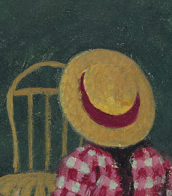
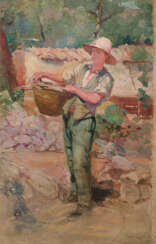

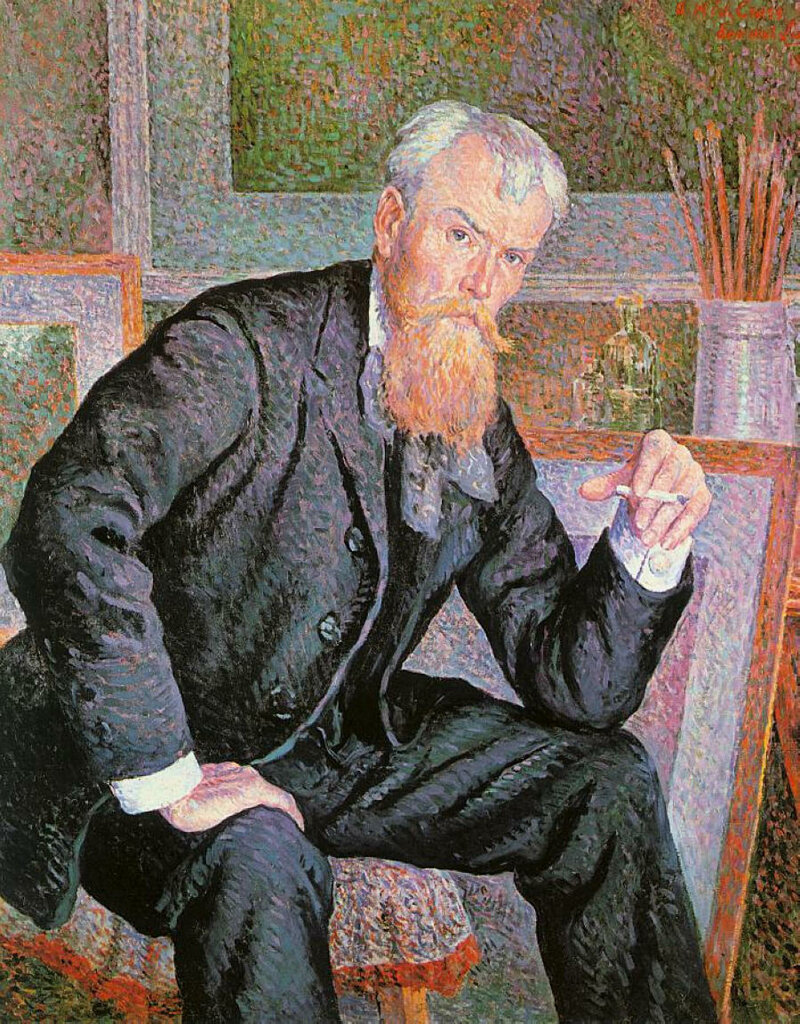
Henri Edmond Cross, a French painter and printmaker, emerged as a pivotal figure in the Neo-Impressionism movement, significantly influencing the realm of modern art. His work, celebrated for its innovative use of color and technique, played a crucial role in transitioning from Pointillism to broader, more expressive brushstrokes, marking a departure from strict naturalism. This evolution allowed for greater personal expression and creativity, profoundly impacting artists like Henri Matisse, who was inspired by Cross's harmonious representations of Arcadian landscapes.
Cross's paintings, characterized by their vibrant color harmonies and lyrical emotion, encapsulate the artist's desire to portray utopian ideals, often reflecting his anarchist beliefs in a hopeful, ideal society. His works, such as "L'air du Soir" and "La Plage de Saint-Clair," showcase his mastery of light and color, embodying the Neo-Impressionist vision of creating harmonies of pure color independent of naturalistic constraints. These pieces not only exemplify Cross's technical prowess but also his philosophical aspirations, intertwining art with social and political ideals.
Despite the challenges posed by his health in later years, Cross's productivity and creativity remained undiminished, leading to significant critical acclaim and commercial success. His solo exhibitions, particularly the one held at Galerie Druet in Paris in 1905, received widespread acclaim, underscoring his influence on the art world and his role in shaping the principles that would guide future movements such as Fauvism.
For collectors and experts in art and antiques, Henri-Edmond Cross's work represents a crucial juncture in the evolution of modern art, offering insights into the transition from the meticulous dots of Pointillism to the expressive freedom of later movements. His legacy is preserved in esteemed institutions like the Musée d'Orsay, where his masterpieces continue to inspire admiration and study.
For those interested in the intersection of art, culture, and history, signing up for updates on sales and auction events related to Henri-Edmond Cross can offer valuable opportunities to engage with the vibrant legacy of this influential artist. This subscription ensures access to the latest offerings and insights into the world of Neo-Impressionism, inviting enthusiasts to deepen their appreciation for Cross's contribution to modern art.
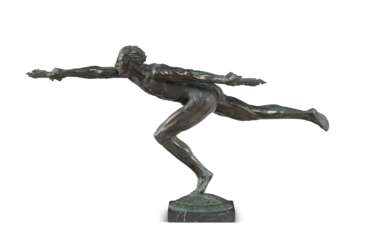

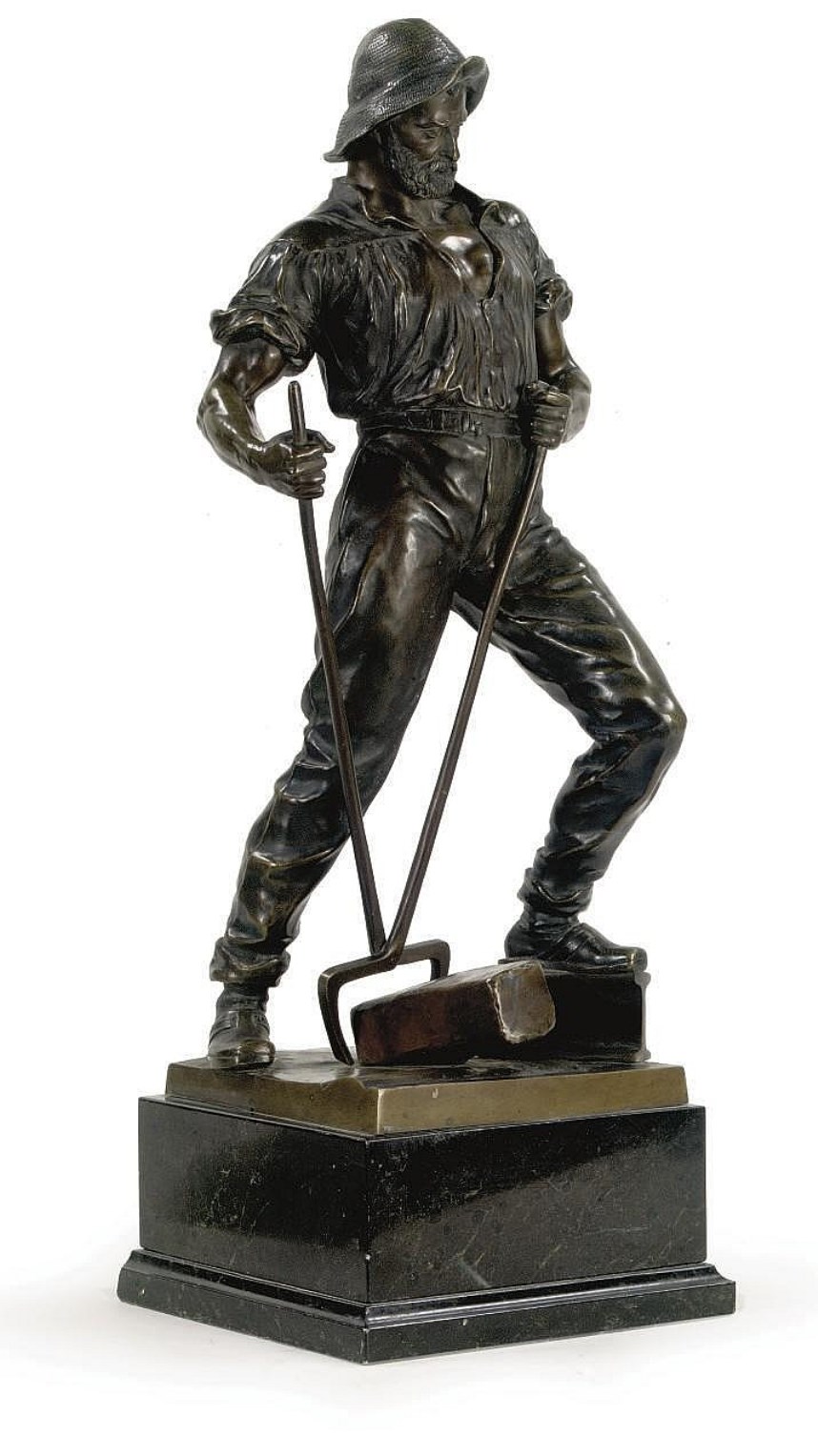



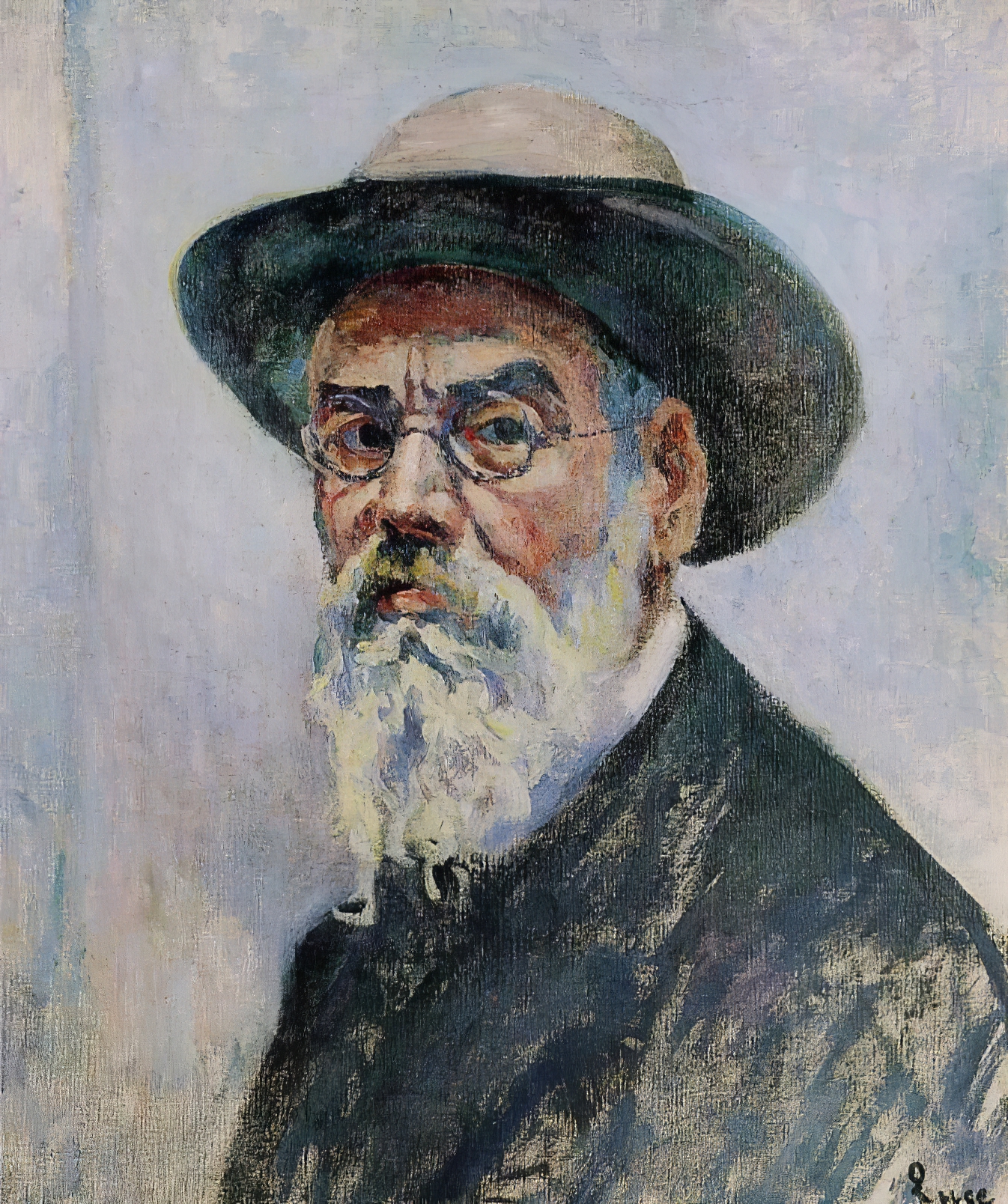
Maximilien Luce was a prolific French Neo-impressionist artist, known for his paintings, illustrations, engravings, and graphic art, and also for his anarchist activism. Starting as an engraver, he then concentrated on painting, first as an Impressionist, then as a Pointillist, and finally returning to Impressionism.


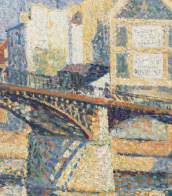
Maximilien Luce was a prolific French Neo-impressionist artist, known for his paintings, illustrations, engravings, and graphic art, and also for his anarchist activism. Starting as an engraver, he then concentrated on painting, first as an Impressionist, then as a Pointillist, and finally returning to Impressionism.
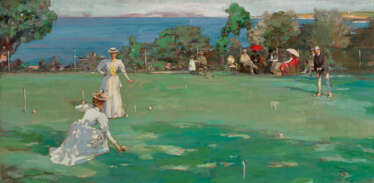

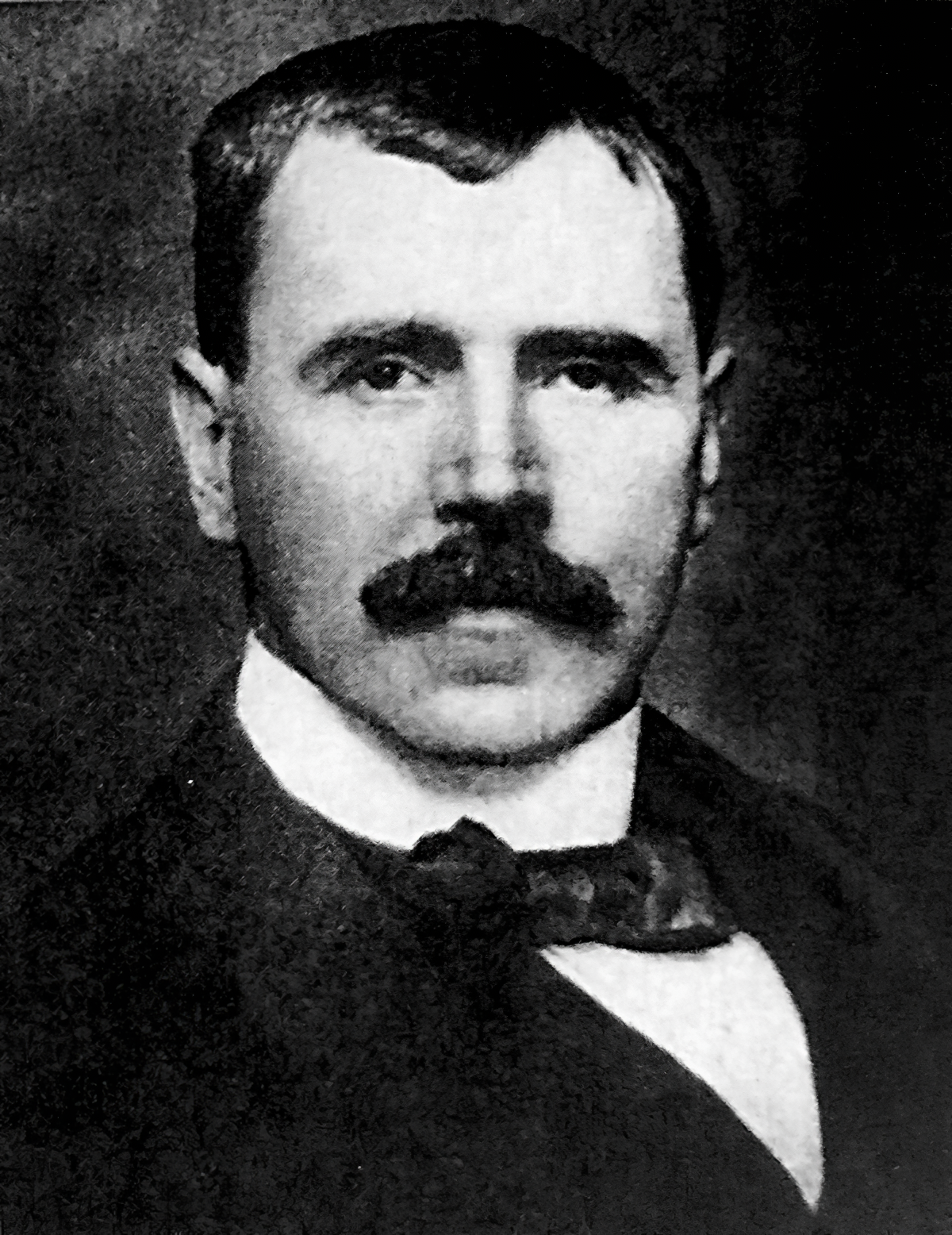
John Lavery was an Irish artist, renowned for his portraits and wartime depictions, hailing from the influential Glasgow School. Born on March 20, 1856, Lavery's artistry was a blend of the Ulster, Irish, and British Schools, celebrated for breathing life into sketches and creating atmospheric depth with each brushstroke.
His technique, leaving each touch of the brush visible, added a vibrant quality to his works, making him a standout artist of his time. Lavery's education and practice in Glasgow, London, and Paris at the Académie Julian honed his skill, leading to a mastery of landscapes and everyday scenes that carried the subtle influence of French painters.
Lavery's legacy endures in galleries and collections, where his magic touch with landscapes and portraiture continues to inspire awe. Collectors and aficionados of fine art regard Lavery's works as a significant part of Irish and Scottish art heritage. His pieces are not only visually stunning but also historically important, encapsulating the spirit of an era that bridged traditional and modern art forms.
For those who appreciate the allure of landscapes and the intimacy of portraiture, John Lavery's works are a must-have. Signing up for updates from galleries and auctions that feature his work is essential for any serious collector or expert in art and antiques, ensuring you don't miss the opportunity to own a piece by this master of the canvas.
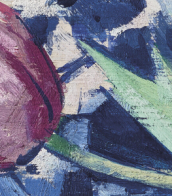


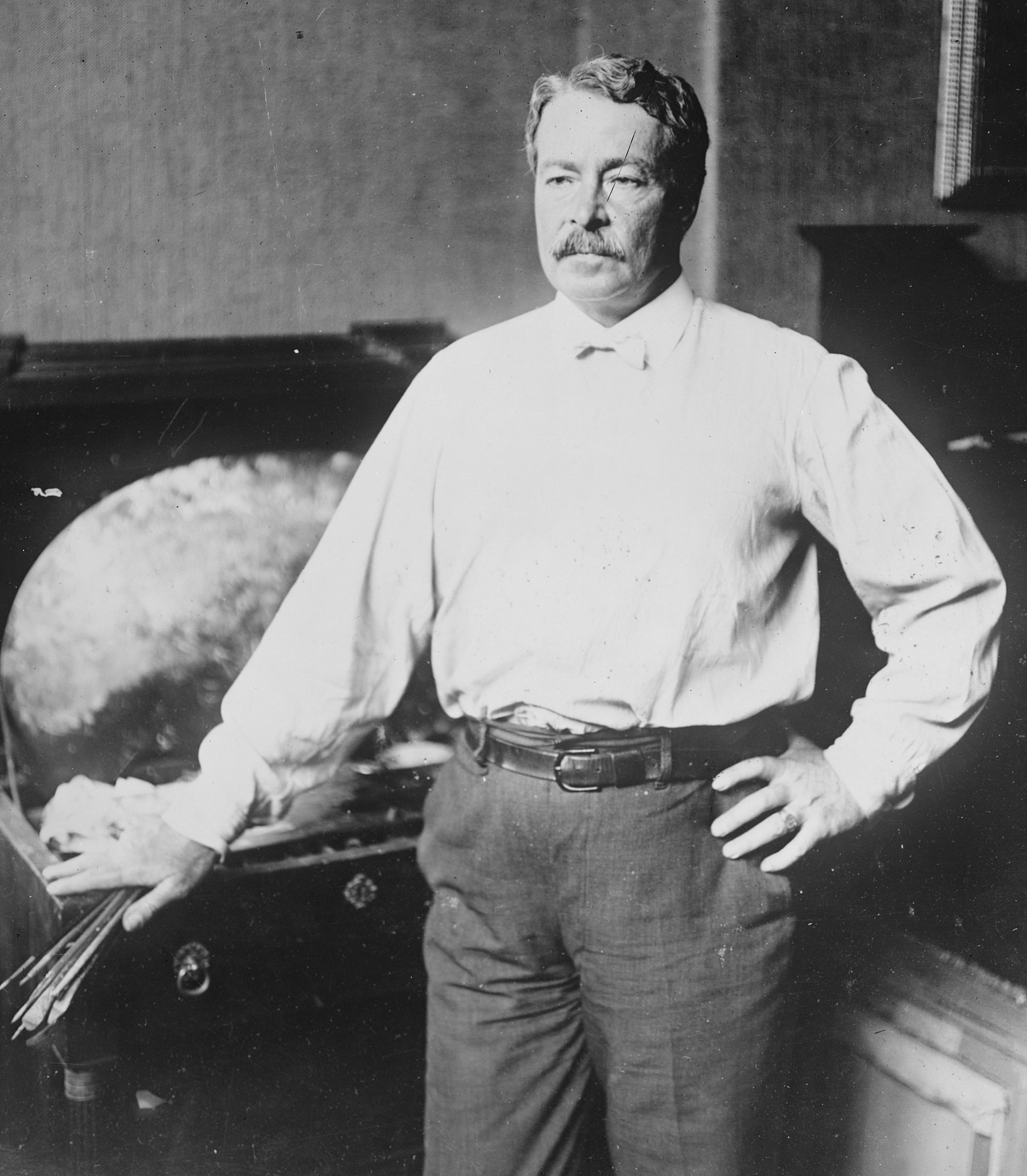
Frederick Childe Hassam was an American Impressionist painter, celebrated for his urban and coastal scenes. Born on October 17, 1859, in Dorchester, Massachusetts, Hassam was a pivotal figure in introducing French Impressionism to the American art scene. His prolific output includes over 3,000 works ranging from oils and watercolors to etchings and lithographs.
Hassam's technique was characterized by the use of light and vibrant colors, often focusing on bustling cityscapes and tranquil New England coastlines. He spent significant periods in Europe, particularly Paris, where he absorbed elements of the avant-garde styles of the time. Despite this, he often emphasized a connection to English landscape traditions over French ones.
Some of his most acclaimed works capture the essence of places like the Isles of Shoals in Maine and East Hampton in Long Island, where he later made his summer home. These settings often featured in his paintings, reflecting the picturesque and serene landscapes that contrasted with his urban subjects.
Hassam's legacy includes his influence on American collectors and institutions, helping to cultivate a taste for Impressionism in the United States. His works are held in major museums, including the Metropolitan Museum of Art and the Museum of Modern Art, ensuring his continued recognition as a key figure in American art history.
For those interested in exploring more about Hassam's life and works, signing up for updates on exhibitions and sales can provide valuable insights into his contributions to Impressionism. Subscribe for updates on new collections and auction events related to Frederick Childe Hassam's artworks.
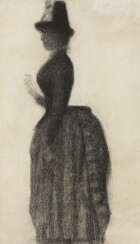

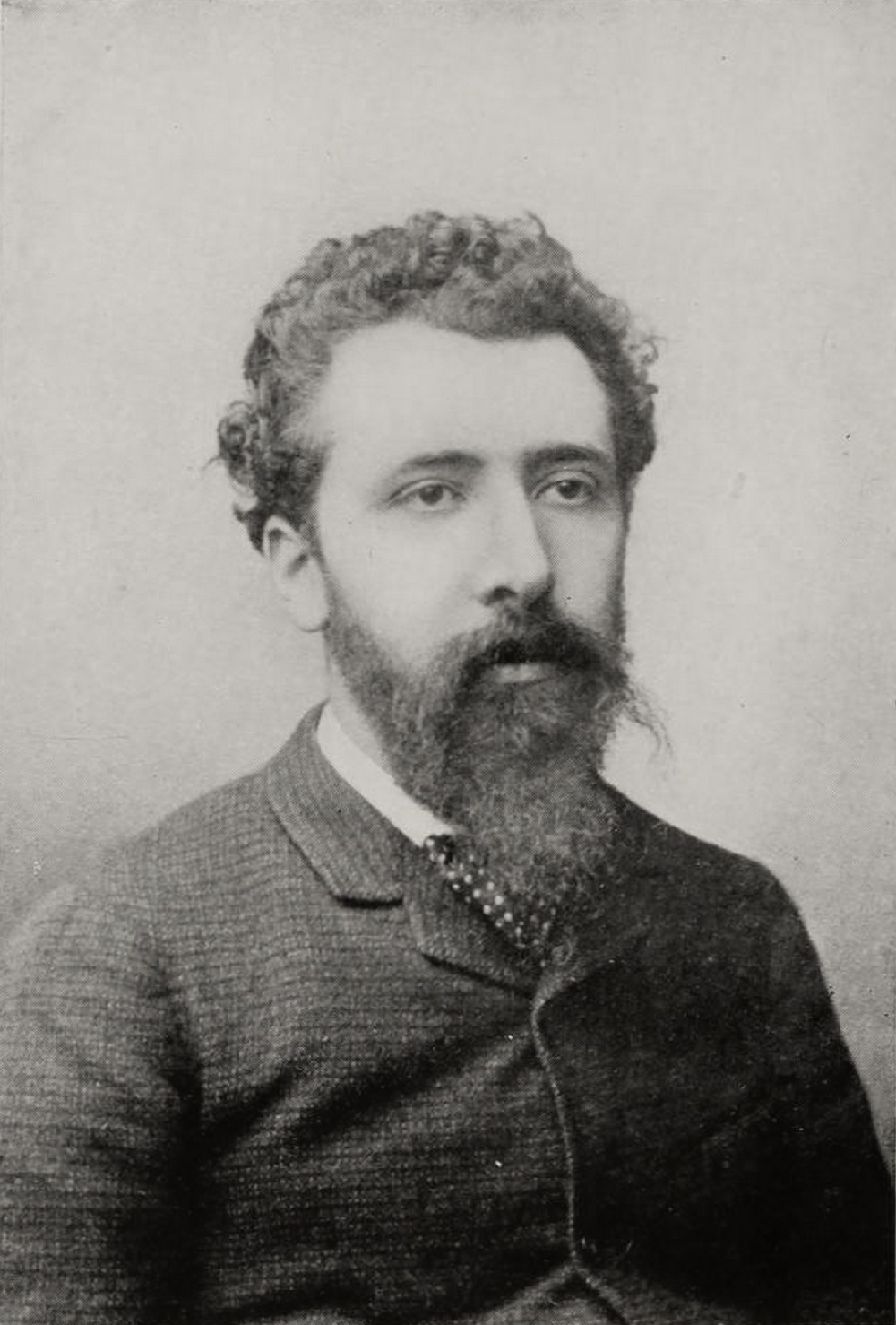
Georges Seurat was a French painter, renowned as the founder of the 19th-century French school of Neo-Impressionism. His groundbreaking technique, Pointillism, involved the use of tiny, contrasting color brushstrokes that, when viewed together, created a luminous quality in his compositions. Seurat's life was a blend of rigorous academic training and innovative artistic exploration.
Born on December 2, 1859, in Paris, Seurat demonstrated an early interest in art. He received formal training at the École des Beaux-Arts under Henri Lehmann, a disciple of the Neo-Classical painter Ingres, where he honed his skills in drawing and composition. Seurat was deeply influenced by color theories and the science of optics, which became central to his artistic approach. He was particularly inspired by the work of Michel-Eugène Chevreul and Ogden N. Rood, whose writings on color contrast and harmony greatly influenced his painting technique.
One of Seurat's most famous works, "A Sunday Afternoon on the Island of La Grande Jatte" (1884–1886), showcased his Pointillism technique. This painting, now housed in the Art Institute of Chicago, portrays members of different social classes engaged in various activities in a park setting. The work is notable for its use of small, juxtaposed dots of multi-colored paint, which allow the viewer's eye to blend colors optically. This technique was a significant departure from the traditional methods of color mixing on the canvas.
Another notable work by Seurat is "Bathers at Asnières" (1884), displayed at the National Gallery in London. This large canvas depicts young men relaxing by the Seine in a working-class suburb of Paris. The painting reflects Seurat's neoclassical training, with its smooth, simplified textures and carefully outlined figures.
Seurat's final painting, "The Circus" (1890-91), represents a shift to a more dynamic representation of movement and is typical of his late style. Unfortunately, Seurat's life was cut short when he died suddenly in March 1891, leaving "The Circus" unfinished. This painting is now part of the collection at the Musée d'Orsay in Paris.
Seurat's innovative techniques and his exploration of color theory and optics had a lasting impact on the art world, influencing subsequent generations of artists. His work remains a testament to the fusion of scientific principles with artistic expression, making him a pivotal figure in the transition from Impressionism to Post-Impressionism and modern art.
For those captivated by the genius of Georges Seurat and his revolutionary art, there's an exclusive opportunity waiting for you. By signing up for our updates, you'll be the first to know about new product sales and auction events related to Seurat's works and legacy. This subscription is tailored for enthusiasts, collectors, and experts in the field of art and antiques, ensuring you receive only the most relevant and curated information. Don't miss out on the chance to enhance your collection and deepen your understanding of Seurat's impact on the art world. Sign up now and stay ahead in the world of fine art and antiques.
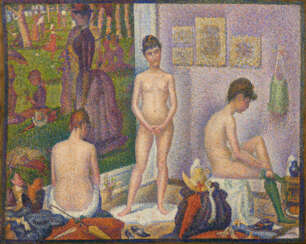

Georges Seurat was a French painter, renowned as the founder of the 19th-century French school of Neo-Impressionism. His groundbreaking technique, Pointillism, involved the use of tiny, contrasting color brushstrokes that, when viewed together, created a luminous quality in his compositions. Seurat's life was a blend of rigorous academic training and innovative artistic exploration.
Born on December 2, 1859, in Paris, Seurat demonstrated an early interest in art. He received formal training at the École des Beaux-Arts under Henri Lehmann, a disciple of the Neo-Classical painter Ingres, where he honed his skills in drawing and composition. Seurat was deeply influenced by color theories and the science of optics, which became central to his artistic approach. He was particularly inspired by the work of Michel-Eugène Chevreul and Ogden N. Rood, whose writings on color contrast and harmony greatly influenced his painting technique.
One of Seurat's most famous works, "A Sunday Afternoon on the Island of La Grande Jatte" (1884–1886), showcased his Pointillism technique. This painting, now housed in the Art Institute of Chicago, portrays members of different social classes engaged in various activities in a park setting. The work is notable for its use of small, juxtaposed dots of multi-colored paint, which allow the viewer's eye to blend colors optically. This technique was a significant departure from the traditional methods of color mixing on the canvas.
Another notable work by Seurat is "Bathers at Asnières" (1884), displayed at the National Gallery in London. This large canvas depicts young men relaxing by the Seine in a working-class suburb of Paris. The painting reflects Seurat's neoclassical training, with its smooth, simplified textures and carefully outlined figures.
Seurat's final painting, "The Circus" (1890-91), represents a shift to a more dynamic representation of movement and is typical of his late style. Unfortunately, Seurat's life was cut short when he died suddenly in March 1891, leaving "The Circus" unfinished. This painting is now part of the collection at the Musée d'Orsay in Paris.
Seurat's innovative techniques and his exploration of color theory and optics had a lasting impact on the art world, influencing subsequent generations of artists. His work remains a testament to the fusion of scientific principles with artistic expression, making him a pivotal figure in the transition from Impressionism to Post-Impressionism and modern art.
For those captivated by the genius of Georges Seurat and his revolutionary art, there's an exclusive opportunity waiting for you. By signing up for our updates, you'll be the first to know about new product sales and auction events related to Seurat's works and legacy. This subscription is tailored for enthusiasts, collectors, and experts in the field of art and antiques, ensuring you receive only the most relevant and curated information. Don't miss out on the chance to enhance your collection and deepen your understanding of Seurat's impact on the art world. Sign up now and stay ahead in the world of fine art and antiques.
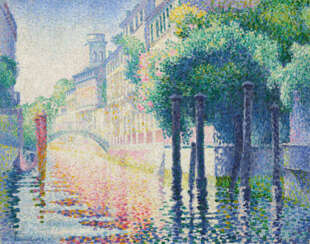

Henri Edmond Cross, a French painter and printmaker, emerged as a pivotal figure in the Neo-Impressionism movement, significantly influencing the realm of modern art. His work, celebrated for its innovative use of color and technique, played a crucial role in transitioning from Pointillism to broader, more expressive brushstrokes, marking a departure from strict naturalism. This evolution allowed for greater personal expression and creativity, profoundly impacting artists like Henri Matisse, who was inspired by Cross's harmonious representations of Arcadian landscapes.
Cross's paintings, characterized by their vibrant color harmonies and lyrical emotion, encapsulate the artist's desire to portray utopian ideals, often reflecting his anarchist beliefs in a hopeful, ideal society. His works, such as "L'air du Soir" and "La Plage de Saint-Clair," showcase his mastery of light and color, embodying the Neo-Impressionist vision of creating harmonies of pure color independent of naturalistic constraints. These pieces not only exemplify Cross's technical prowess but also his philosophical aspirations, intertwining art with social and political ideals.
Despite the challenges posed by his health in later years, Cross's productivity and creativity remained undiminished, leading to significant critical acclaim and commercial success. His solo exhibitions, particularly the one held at Galerie Druet in Paris in 1905, received widespread acclaim, underscoring his influence on the art world and his role in shaping the principles that would guide future movements such as Fauvism.
For collectors and experts in art and antiques, Henri-Edmond Cross's work represents a crucial juncture in the evolution of modern art, offering insights into the transition from the meticulous dots of Pointillism to the expressive freedom of later movements. His legacy is preserved in esteemed institutions like the Musée d'Orsay, where his masterpieces continue to inspire admiration and study.
For those interested in the intersection of art, culture, and history, signing up for updates on sales and auction events related to Henri-Edmond Cross can offer valuable opportunities to engage with the vibrant legacy of this influential artist. This subscription ensures access to the latest offerings and insights into the world of Neo-Impressionism, inviting enthusiasts to deepen their appreciation for Cross's contribution to modern art.
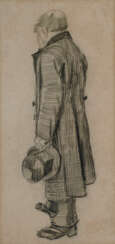

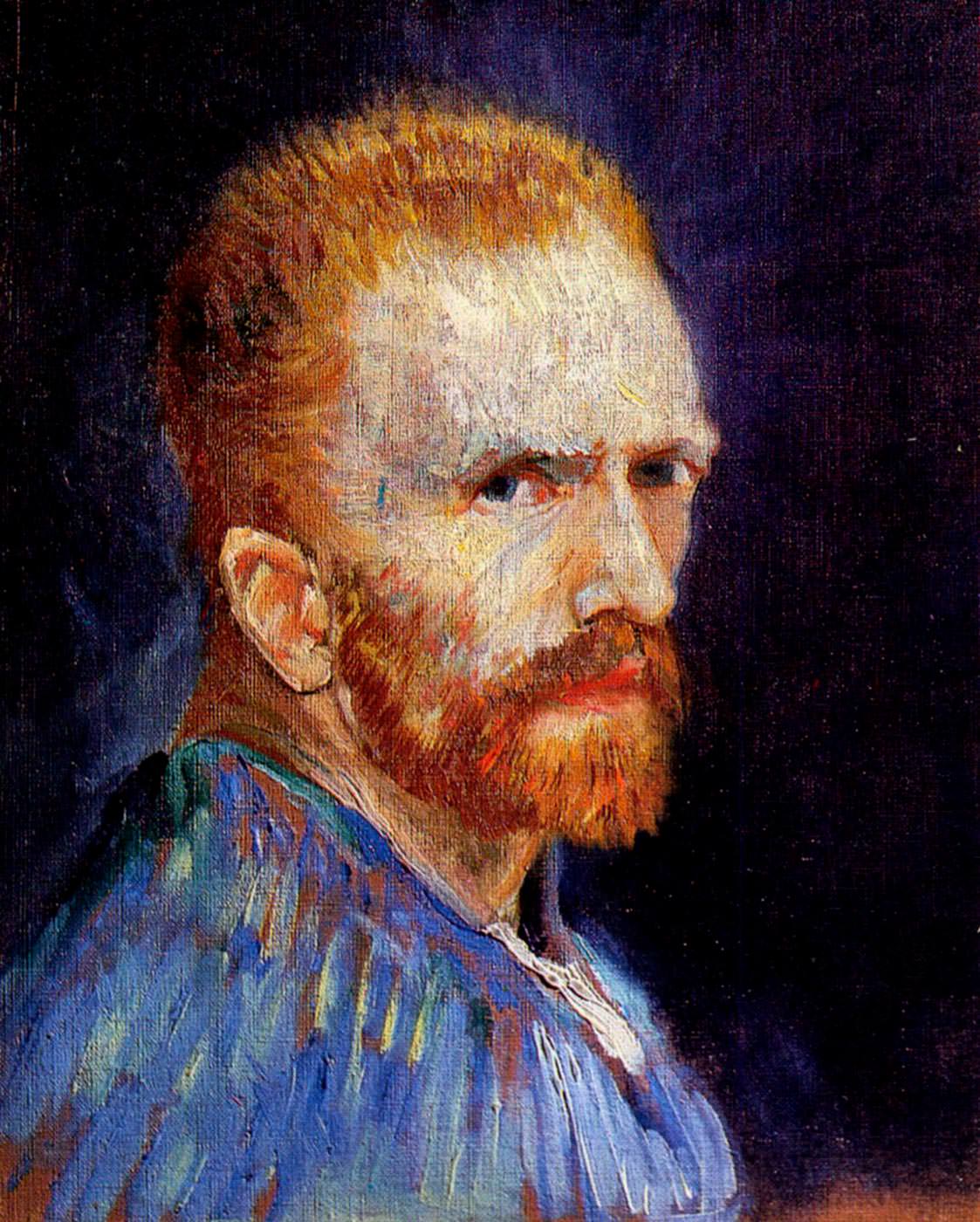
Vincent van Gogh, the Dutch Post-Impressionist painter, is recognized as one of the most influential figures in the history of Western art. Born on March 30, 1853, in Zundert, Netherlands, he lived a life marked by passionate artistry and personal hardship. Initially working as an art dealer and doing missionary work, Van Gogh turned to painting at the age of 27. His decision to pursue art, which at first was not seen as a sign of his extraordinary talent, led to a rapid transformation into a master known for his bold and harmonious color effects and simple but memorable compositions.
Van Gogh's creative career included a significant period of life in Paris, where he met Impressionist and Post-Impressionist painters who had a profound influence on his style. He became famous for creating some 2,100 works of art in just ten years, notable among them landscapes, still lifes, portraits and self-portraits. His art is characterized by vivid colors, dramatic brushwork, and expressive symbolism, which helped form the foundations of modern art. Despite his prolific output, only one of his paintings was sold during his lifetime.
Some of his famous works include Sunflowers, Bedroom at Arles, Starry Night, and Wheat Field with Crows. These works are notable for their innovative use of color and brushwork, demonstrating Van Gogh's ability to convey emotion and beauty in everyday objects.
Unfortunately, Van Gogh suffered from mental illness throughout his life, which led to his suicide at the age of 37. However, his legacy grew posthumously, with his work being widely recognized and displayed in major museums around the world, including the Van Gogh Museum in Amsterdam and the Art Institute of Chicago. Van Gogh's art, correspondence, and history continue to fascinate and inspire viewers, cementing his place as a key figure in art history.
For collectors and art experts, Van Gogh's works represent not only significant artistic achievements, but also epitomize the artist's intensely personal journey and contribution to the development of modern art.
To stay up-to-date on new releases, sales and auction events related to Vincent van Gogh, subscribe to our newsletter. This subscription will provide you with timely alerts to keep you informed of opportunities to acquire items related to this iconic artist.
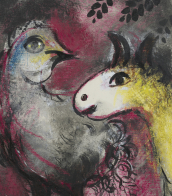
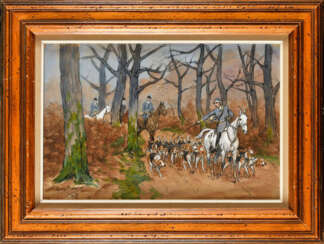

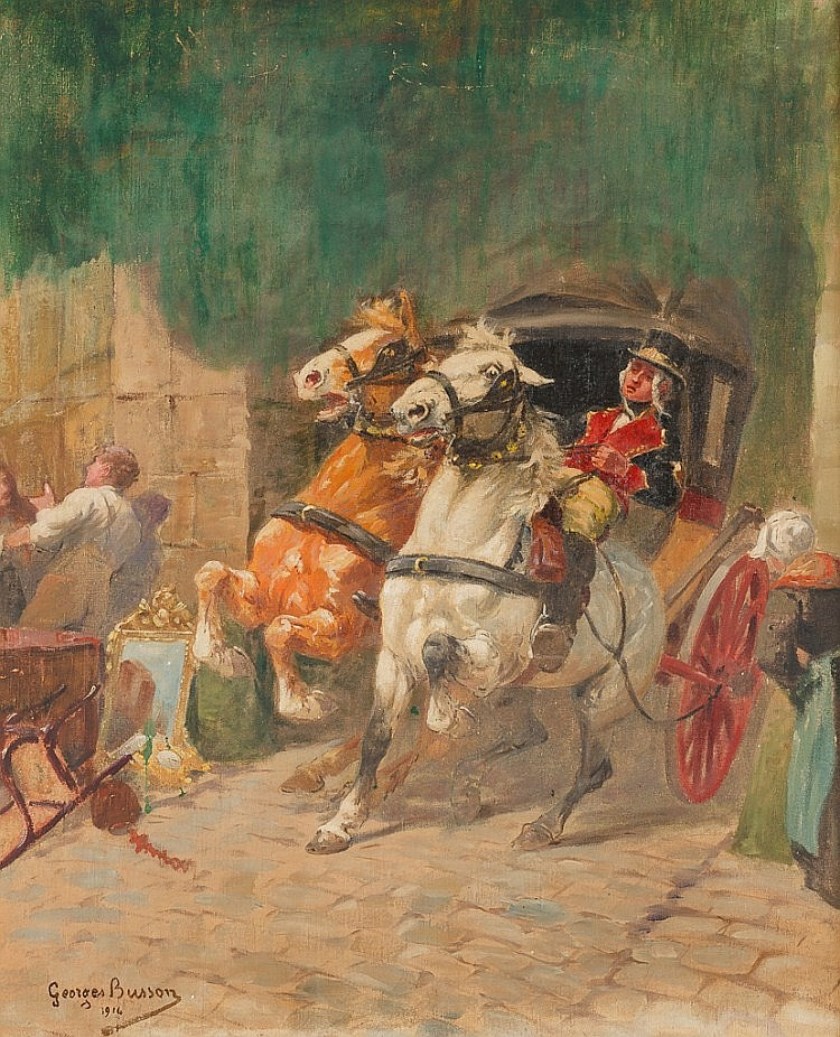
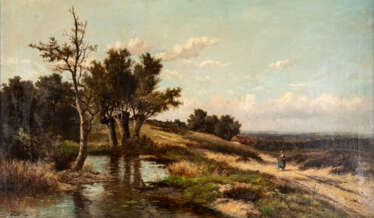

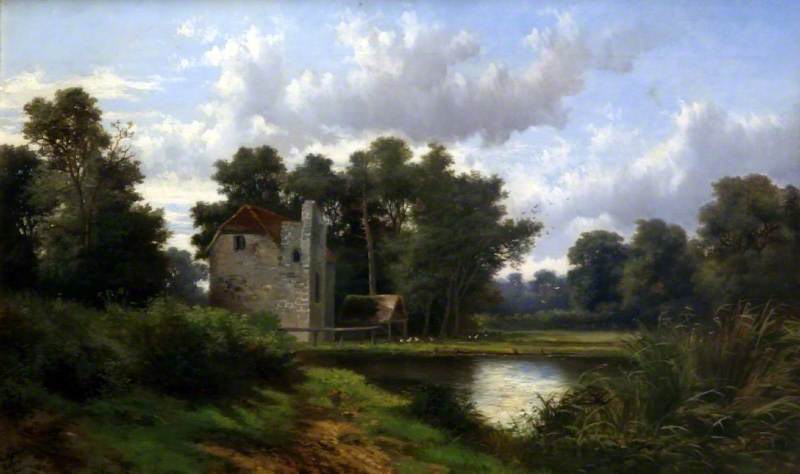
Abraham Hulk the Younger was an Anglo-Dutch landscape painter, son of the famous marinist Abraham Hulk the Elder.
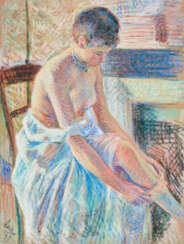

Maximilien Luce was a prolific French Neo-impressionist artist, known for his paintings, illustrations, engravings, and graphic art, and also for his anarchist activism. Starting as an engraver, he then concentrated on painting, first as an Impressionist, then as a Pointillist, and finally returning to Impressionism.
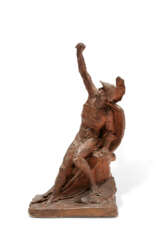

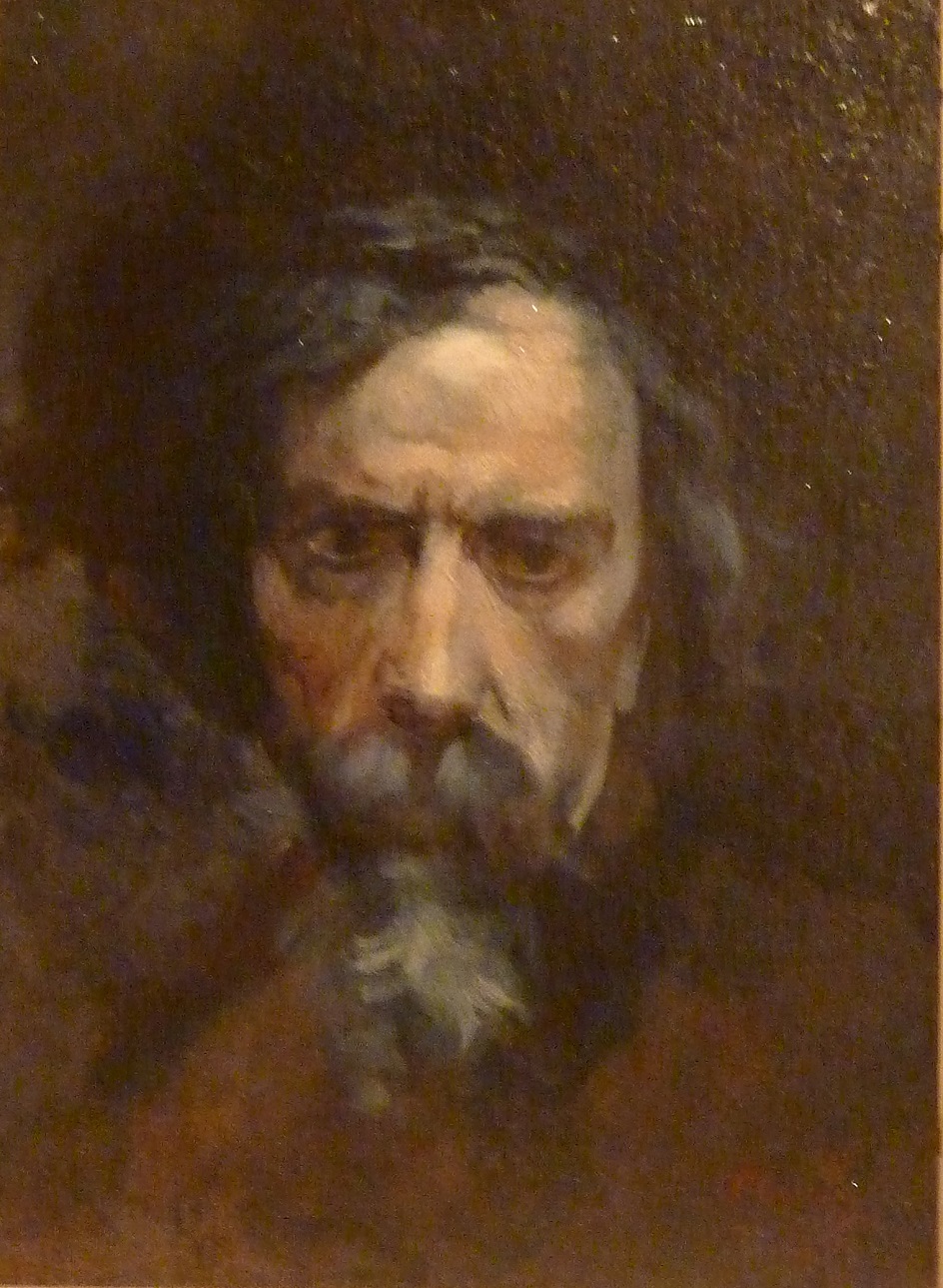
Jean-Baptiste Carpeaux was a French sculptor and painter during the Second Empire under Napoleon III.