

1926


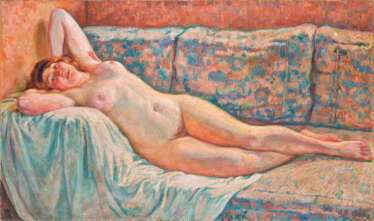

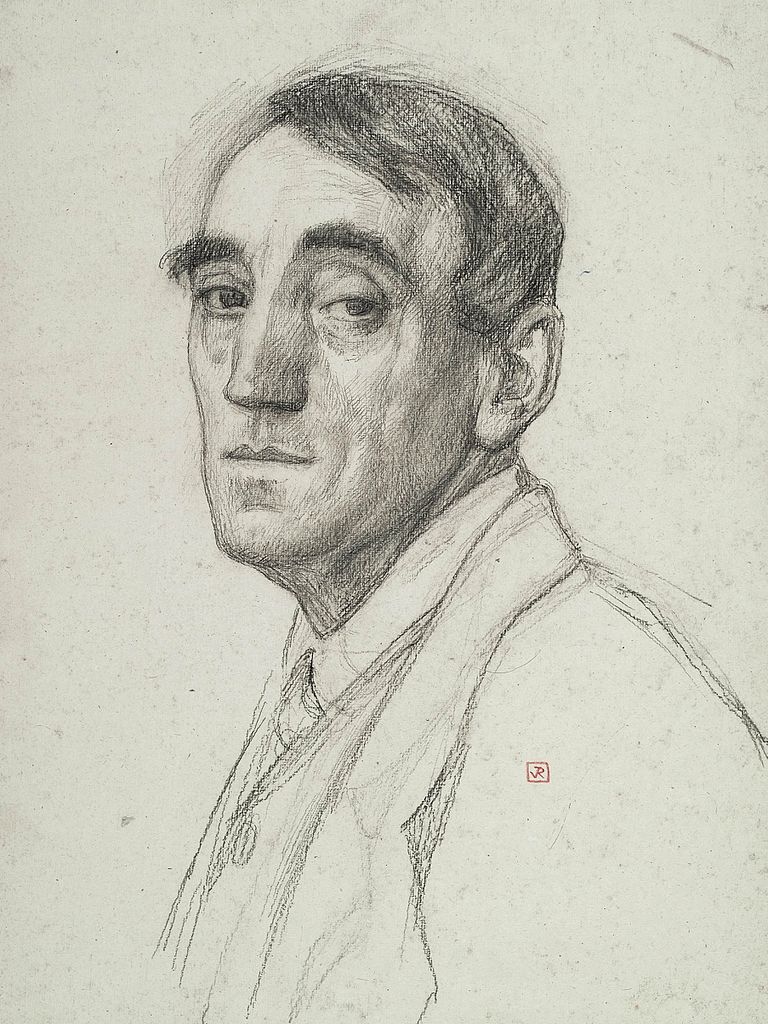
Théo van Rysselberghe, a prominent Belgian painter, was a key figure in the Neo-Impressionist movement, particularly known for his adoption of the pointillist technique. Born in Ghent, Belgium, in 1862, van Rysselberghe played a crucial role in the artistic circle Les XX, a group of avant-garde artists who sought to break away from traditional academic art norms. His early works displayed an Impressionist influence, which evolved significantly after he encountered Georges Seurat's pointillist masterpiece at an Impressionist exhibition in Paris in 1886.
Van Rysselberghe's career saw a significant shift after this encounter, as he embraced pointillism, a technique involving the application of small, distinct dots of color to form an image. His mastery in this style is evident in his landscapes and portraiture, where he employed vibrant colors and meticulous attention to light and detail. His work during this period is considered the pinnacle of his artistic achievements, showcasing his talent not only in landscapes but also in pointillist portraiture, a genre he significantly contributed to within the Neo-Impressionist movement.
Despite his success and contributions to pointillism, Théo van Rysselberghe eventually moved away from this technique around 1904, exploring other artistic expressions. Throughout his career, he remained an influential figure in the Belgian art scene, his works continuing to inspire and attract attention for their innovative approach and technical prowess.
For art collectors and enthusiasts, delving into Théo van Rysselberghe's oeuvre offers a fascinating glimpse into the evolution of Neo-Impressionism and pointillism, highlighting the artist's significant role in these movements. To stay updated on sales and auctions featuring van Rysselberghe's works, signing up for updates can provide exclusive insights into opportunities to acquire pieces by this remarkable artist.
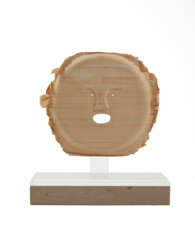

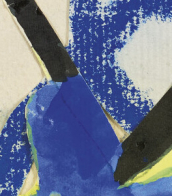
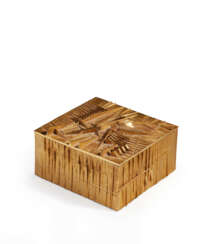

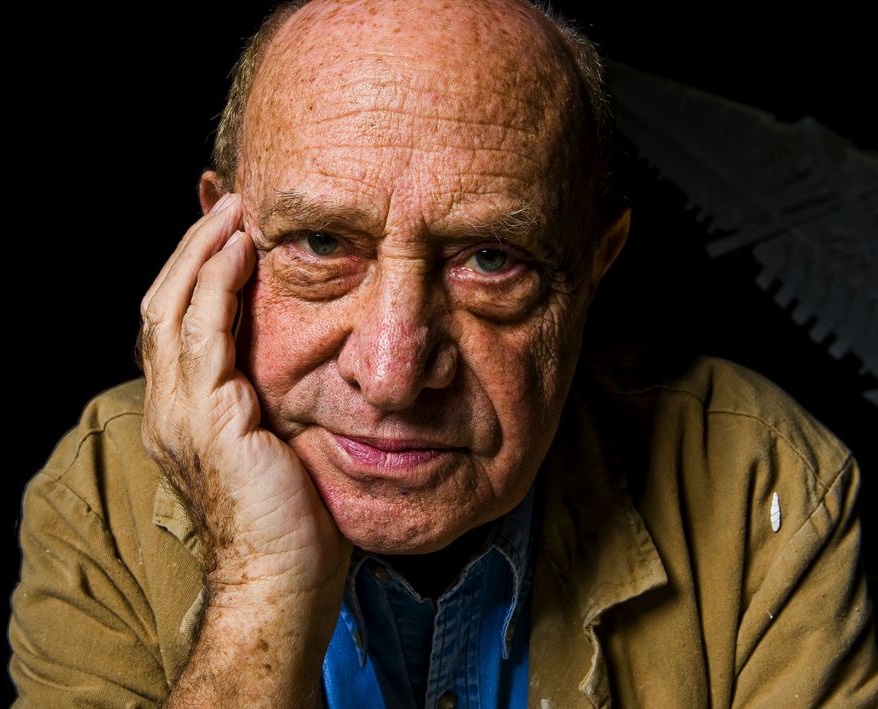
Arnaldo Pomodoro is an Italian sculptor. He was born in Morciano, Romagna, and lives and works in Milan. His brother, Giò Pomodoro (1930-2002) was also a sculptor.
Pomodoro designed a controversial fiberglass crucifix for the Cathedral of St. John the Evangelist in Milwaukee, Wisconsin. The piece is topped with a fourteen-foot diameter crown of thorns which hovers over the figure of Christ.
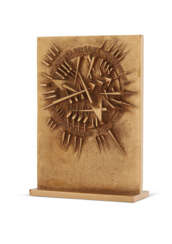

Arnaldo Pomodoro is an Italian sculptor. He was born in Morciano, Romagna, and lives and works in Milan. His brother, Giò Pomodoro (1930-2002) was also a sculptor.
Pomodoro designed a controversial fiberglass crucifix for the Cathedral of St. John the Evangelist in Milwaukee, Wisconsin. The piece is topped with a fourteen-foot diameter crown of thorns which hovers over the figure of Christ.
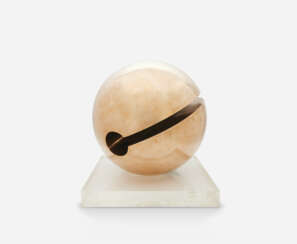

Arnaldo Pomodoro is an Italian sculptor. He was born in Morciano, Romagna, and lives and works in Milan. His brother, Giò Pomodoro (1930-2002) was also a sculptor.
Pomodoro designed a controversial fiberglass crucifix for the Cathedral of St. John the Evangelist in Milwaukee, Wisconsin. The piece is topped with a fourteen-foot diameter crown of thorns which hovers over the figure of Christ.








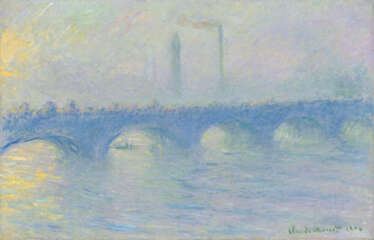

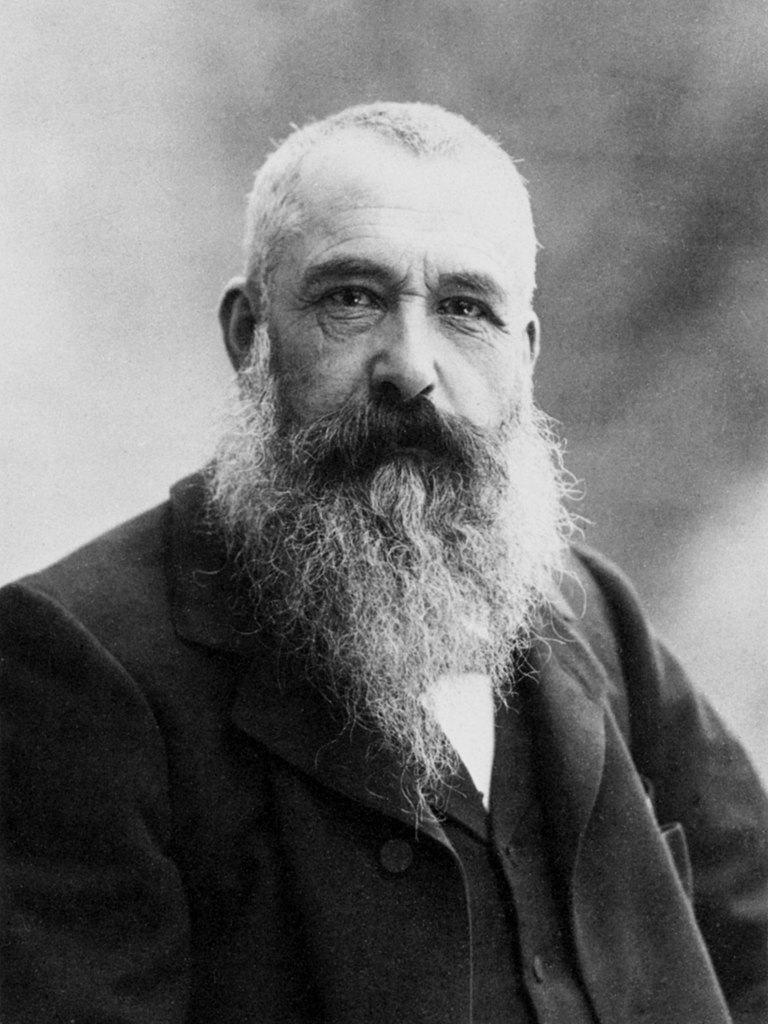
Oscar-Claude Monet, a French painter, revolutionized the art world with his Impressionist style, fundamentally altering the path of modern art. Born in Paris on November 14, 1840, Monet's journey into art was a defiance of his father's business aspirations for him, fueled instead by his mother's support. His early education in the arts began at Le Havre secondary school, where he honed his skills through charcoal caricatures and later, under the mentorship of Eugène Boudin, delved into outdoor painting, a technique that would later define his career.
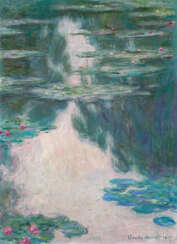
Monet's works, characterized by their vibrant light and brushed color, are renowned for capturing the essence of their subjects. He often painted the same scene multiple times to depict the changing light and seasons, which is vividly displayed in his series of Haystacks, Rouen Cathedral, and the famed Water Lilies. These pieces, among others, showcase his unique ability to blend color and light, bringing scenes to life in a way that was never seen before.
His most notable works, including "Impression, Sunrise" and the "Water Lilies" series, are celebrated worldwide and remain an integral part of major museum collections, such as the Musée d'Orsay in Paris and the Metropolitan Museum of Art in New York. Monet's dedication to capturing the natural world around him led him to reject traditional approaches to composition, color, and perspective. This approach not only set a new standard for art but also laid the groundwork for the Impressionist movement, influencing generations of artists to come.
As an art collector or enthusiast, the legacy of Monet offers an unparalleled glimpse into the genesis of modern art. His works are not just paintings; they are historical landmarks that mark the transition of art from traditional to modernist ideologies.
For updates on new product sales and auction events related to Monet, sign up for our newsletter. Stay informed and connected to the pulse of the Impressionist world.

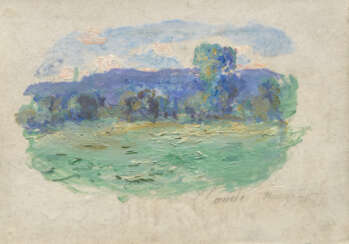
Oscar-Claude Monet, a French painter, revolutionized the art world with his Impressionist style, fundamentally altering the path of modern art. Born in Paris on November 14, 1840, Monet's journey into art was a defiance of his father's business aspirations for him, fueled instead by his mother's support. His early education in the arts began at Le Havre secondary school, where he honed his skills through charcoal caricatures and later, under the mentorship of Eugène Boudin, delved into outdoor painting, a technique that would later define his career.
Monet's works, characterized by their vibrant light and brushed color, are renowned for capturing the essence of their subjects. He often painted the same scene multiple times to depict the changing light and seasons, which is vividly displayed in his series of Haystacks, Rouen Cathedral, and the famed Water Lilies. These pieces, among others, showcase his unique ability to blend color and light, bringing scenes to life in a way that was never seen before.
His most notable works, including "Impression, Sunrise" and the "Water Lilies" series, are celebrated worldwide and remain an integral part of major museum collections, such as the Musée d'Orsay in Paris and the Metropolitan Museum of Art in New York. Monet's dedication to capturing the natural world around him led him to reject traditional approaches to composition, color, and perspective. This approach not only set a new standard for art but also laid the groundwork for the Impressionist movement, influencing generations of artists to come.
As an art collector or enthusiast, the legacy of Monet offers an unparalleled glimpse into the genesis of modern art. His works are not just paintings; they are historical landmarks that mark the transition of art from traditional to modernist ideologies.
For updates on new product sales and auction events related to Monet, sign up for our newsletter. Stay informed and connected to the pulse of the Impressionist world.

Oscar-Claude Monet, a French painter, revolutionized the art world with his Impressionist style, fundamentally altering the path of modern art. Born in Paris on November 14, 1840, Monet's journey into art was a defiance of his father's business aspirations for him, fueled instead by his mother's support. His early education in the arts began at Le Havre secondary school, where he honed his skills through charcoal caricatures and later, under the mentorship of Eugène Boudin, delved into outdoor painting, a technique that would later define his career.
Monet's works, characterized by their vibrant light and brushed color, are renowned for capturing the essence of their subjects. He often painted the same scene multiple times to depict the changing light and seasons, which is vividly displayed in his series of Haystacks, Rouen Cathedral, and the famed Water Lilies. These pieces, among others, showcase his unique ability to blend color and light, bringing scenes to life in a way that was never seen before.
His most notable works, including "Impression, Sunrise" and the "Water Lilies" series, are celebrated worldwide and remain an integral part of major museum collections, such as the Musée d'Orsay in Paris and the Metropolitan Museum of Art in New York. Monet's dedication to capturing the natural world around him led him to reject traditional approaches to composition, color, and perspective. This approach not only set a new standard for art but also laid the groundwork for the Impressionist movement, influencing generations of artists to come.
As an art collector or enthusiast, the legacy of Monet offers an unparalleled glimpse into the genesis of modern art. His works are not just paintings; they are historical landmarks that mark the transition of art from traditional to modernist ideologies.
For updates on new product sales and auction events related to Monet, sign up for our newsletter. Stay informed and connected to the pulse of the Impressionist world.
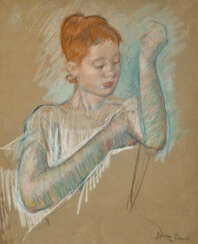

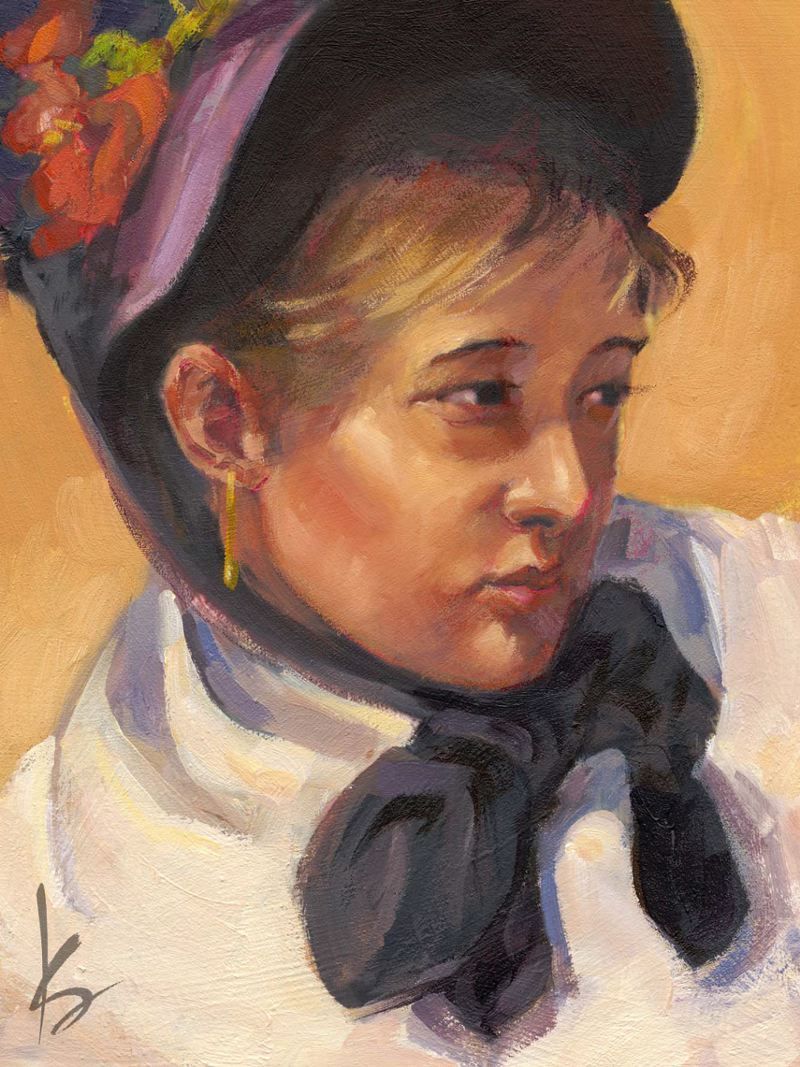
Mary Stevenson Cassatt was an influential American painter and printmaker known for her pivotal role in the Impressionist movement. Born on May 22, 1844, in Allegheny City, Pennsylvania, Cassatt spent much of her adult life in France, where she formed a significant professional relationship with Edgar Degas and exhibited with other Impressionists. Despite her family's initial reluctance, Cassatt pursued art from a young age, attending the Pennsylvania Academy of the Fine Arts at fifteen and later moving to Paris to continue her education under private tutors, including the renowned Jean-Léon Gérôme.
Cassatt's art mainly focused on women and children, encapsulating intimate moments with a profound sense of dignity and depth. Her works, such as "The Boating Party" and "Mother and Child," showcase her skill in portraying the nuanced interactions of everyday life. Cassatt's technique evolved from the light brushstrokes of early Impressionism to a more structured form, emphasizing solid figures and clear contours.
A prominent figure not just in art but also in art advocacy, Cassatt was instrumental in advising American collectors, including the Havemeyers, which helped enrich public and private American art collections significantly. Despite challenges related to her gender and later, her failing eyesight, Cassatt's contributions to art remain influential, reflecting her unique perspective and unyielding dedication to Impressionism.
For updates on exhibitions and sales related to Mary Stevenson Cassatt's works, consider signing up for our newsletter. This subscription will keep you informed about the latest auction events and product sales directly linked to Cassatt's enduring legacy.


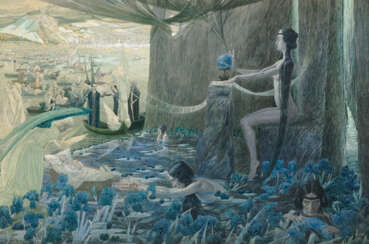

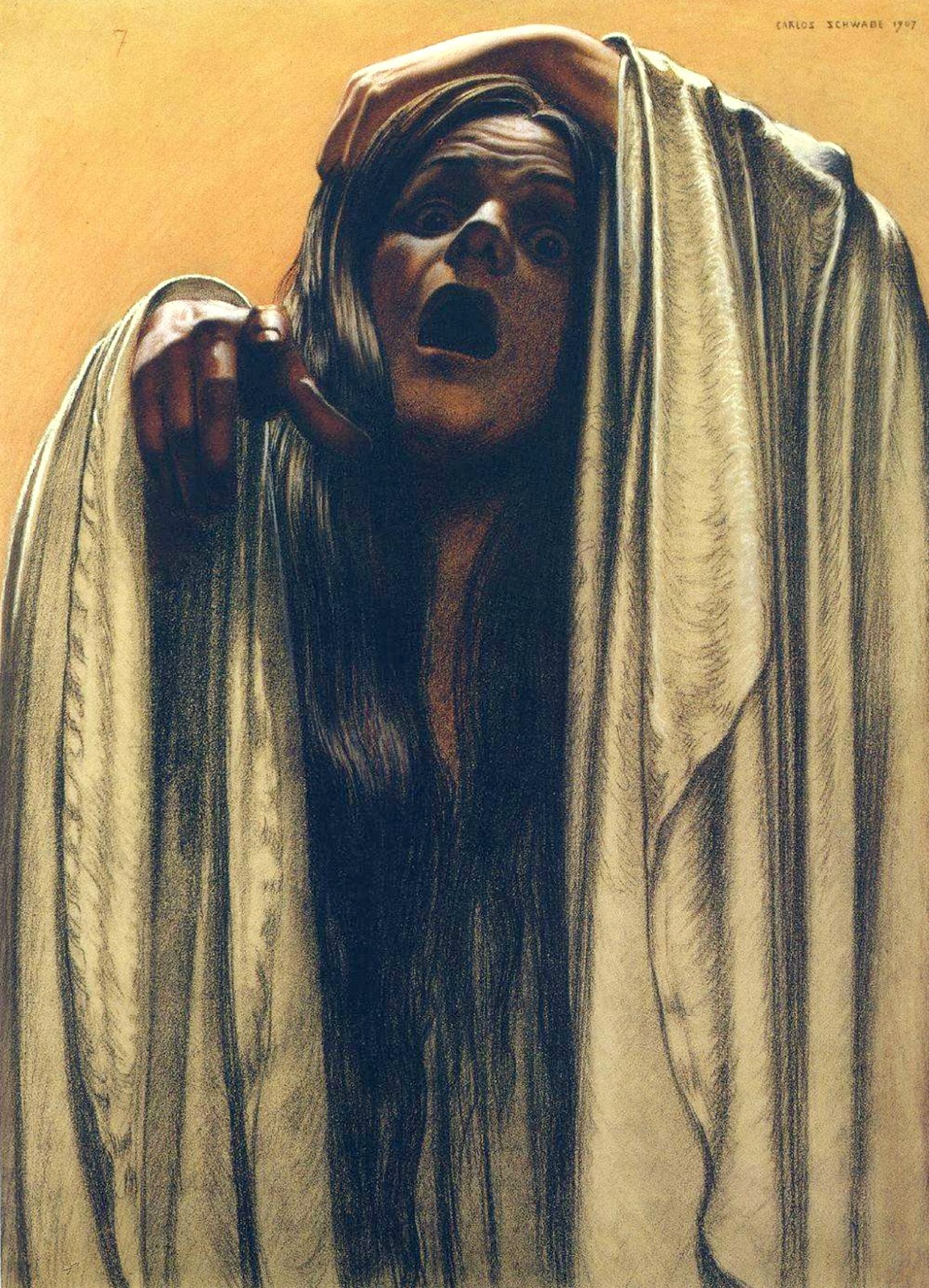
Carlos Schwabe (born Émile Martin Charles Schwab) was a Swiss Symbolist painter and printmaker.


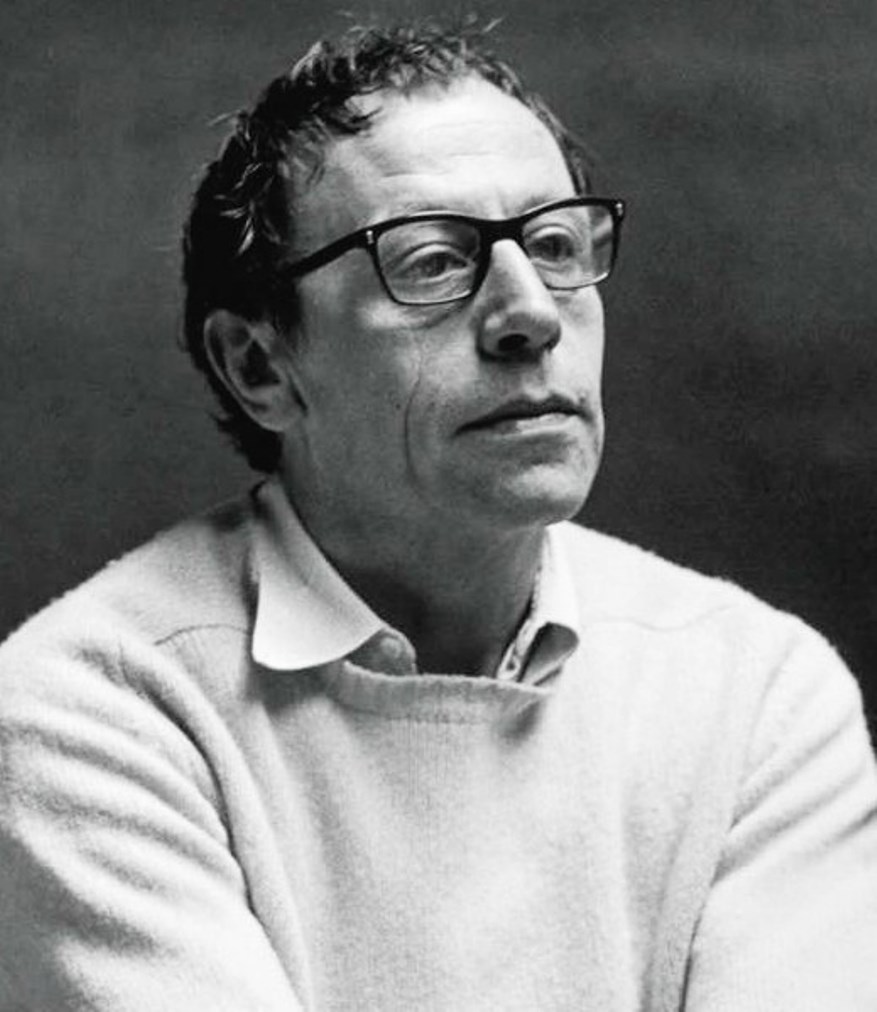
Robert Filliou is a French postmodern artist and poet, author, director and producer of videos and sculptures, working in the genres of happening and performance art. Filloux was a member of the Fluxus movement and the creator of the concept of the Museum in a Hat.
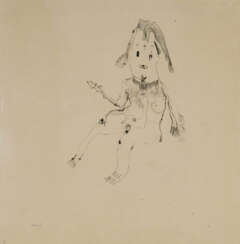

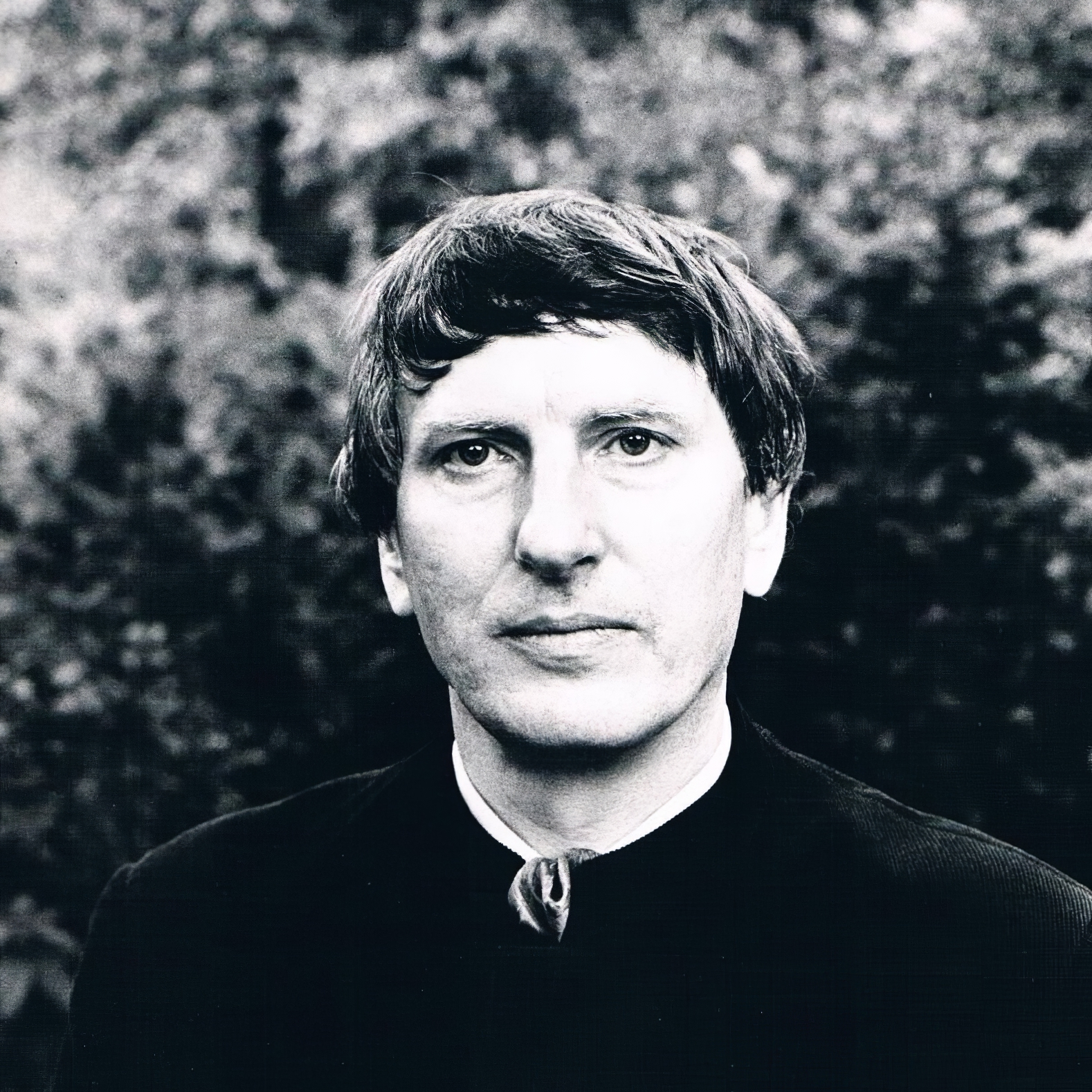
Gerhard Altenbourg is a German painter, sculptor, draughtsman and watercolourist.
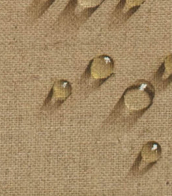
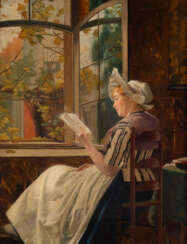

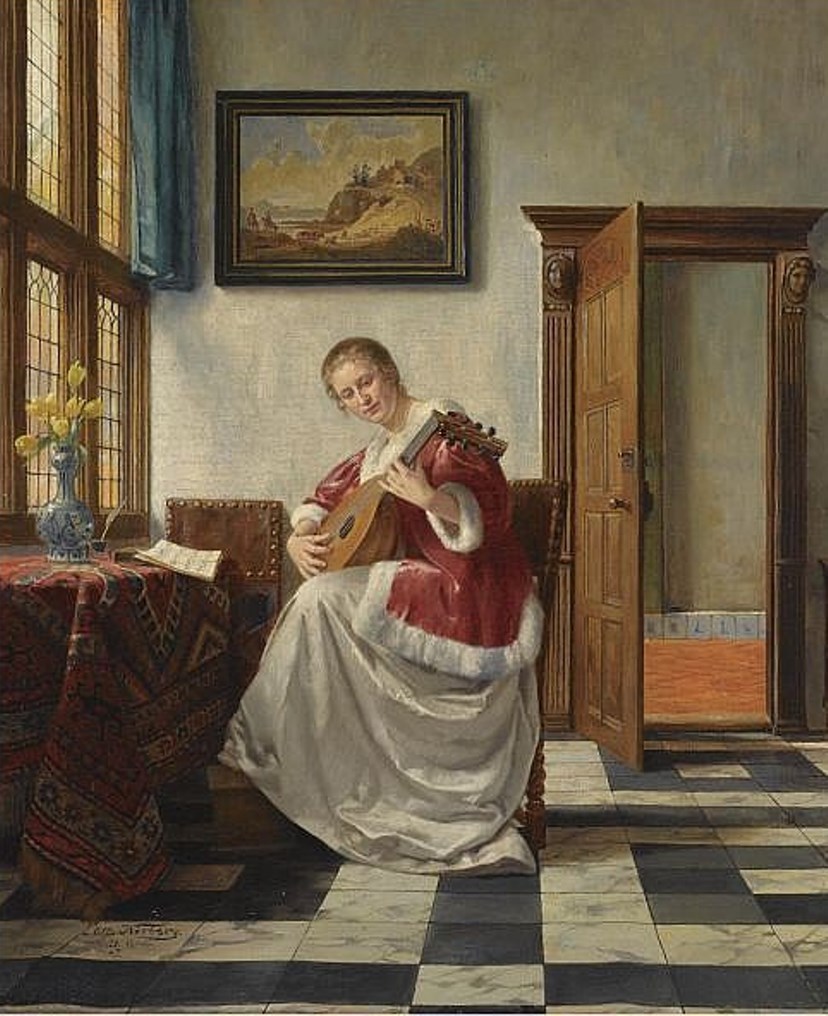
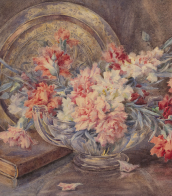

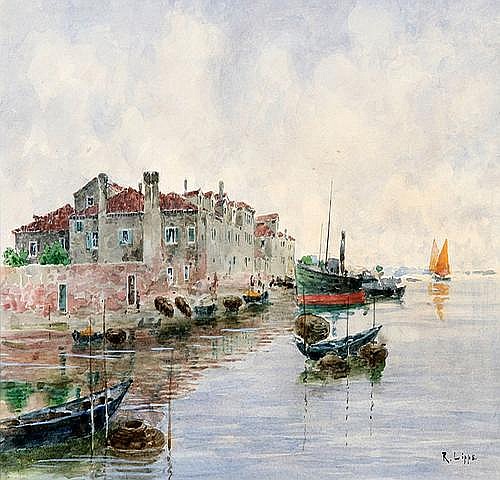
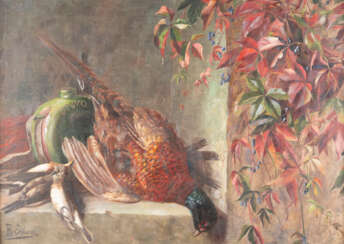

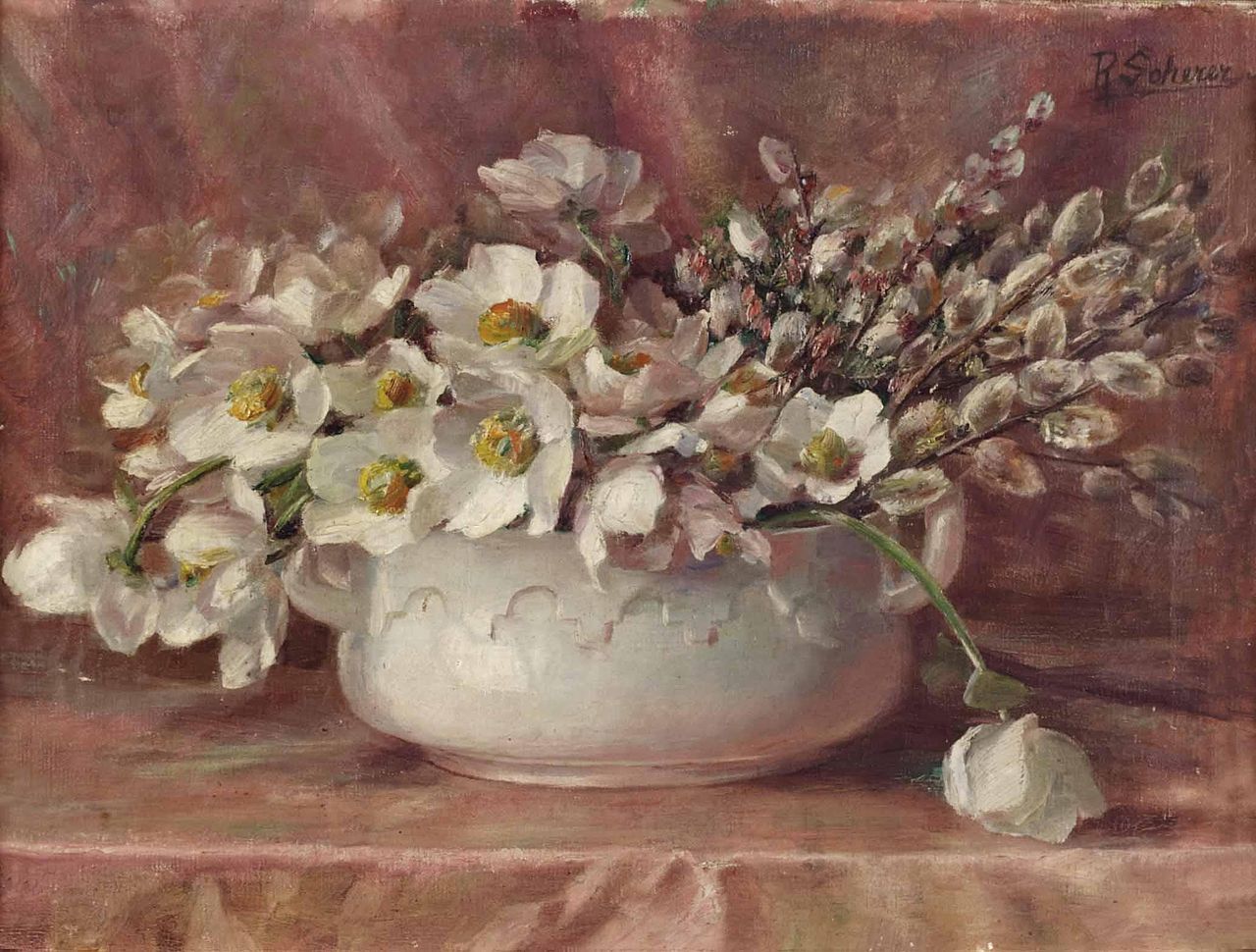
Rosa Scherer was an Austrian artist who specialised in images of floral still lifes.
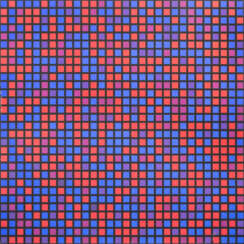

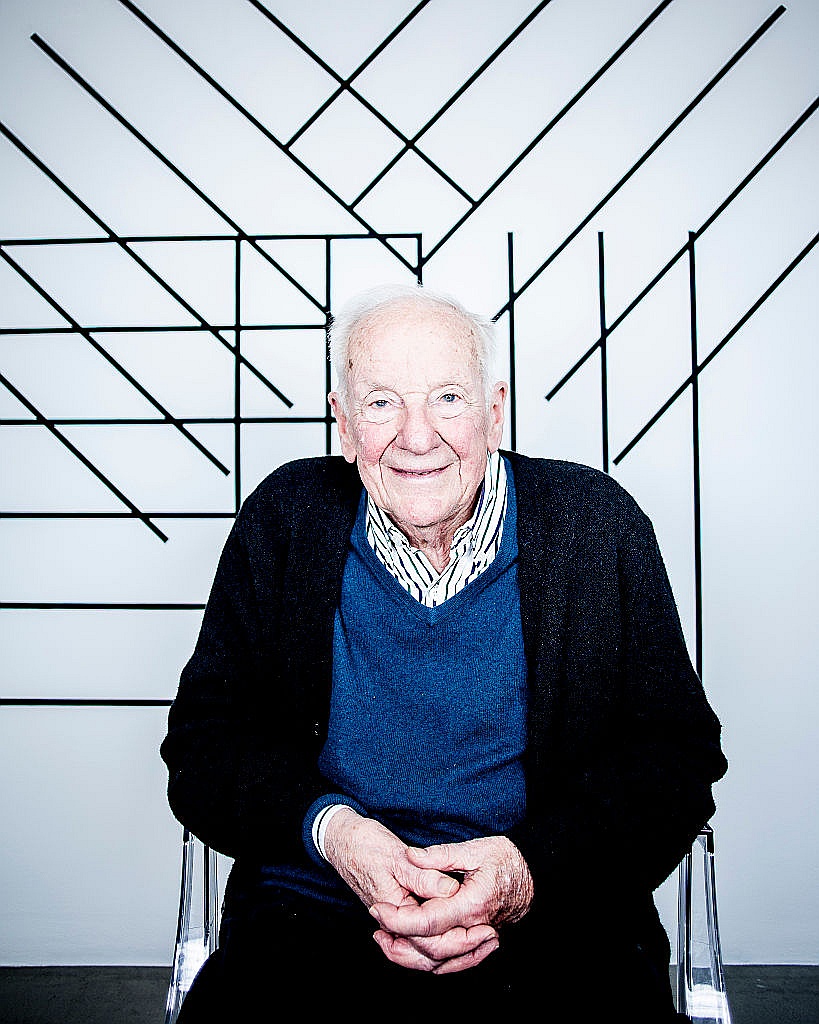
François Morellet was a French contemporary abstract painter, sculptor, and light artist. His early work prefigured minimal art and conceptual art and he played a prominent role in the development of geometrical abstract art and post-conceptual art.
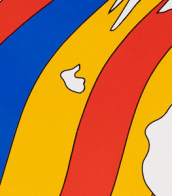
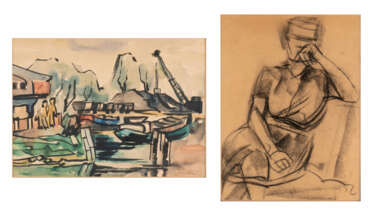

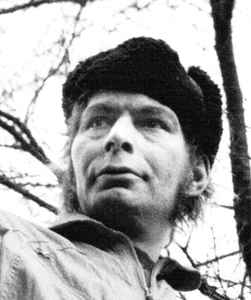
Günter Tollmann was a German painter, objectivist painter and sculptor.
He studied painting at the State Art Academy in Düsseldorf and his painting was influenced by the style of German Expressionism and the French New School of Paris. In 1967, Tollmann created his first kinetic art object and soon received his first commissions for kinetic sculptures in public spaces. With his cylindrical shaped objects he achieved international recognition.
Günter Tollmann was a member of the Association of West German Artists and taught at the Bremen University of the Arts.
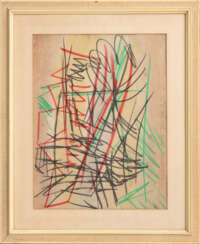

Günter Tollmann was a German painter, objectivist painter and sculptor.
He studied painting at the State Art Academy in Düsseldorf and his painting was influenced by the style of German Expressionism and the French New School of Paris. In 1967, Tollmann created his first kinetic art object and soon received his first commissions for kinetic sculptures in public spaces. With his cylindrical shaped objects he achieved international recognition.
Günter Tollmann was a member of the Association of West German Artists and taught at the Bremen University of the Arts.
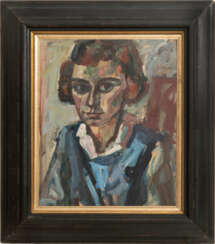

Günter Tollmann was a German painter, objectivist painter and sculptor.
He studied painting at the State Art Academy in Düsseldorf and his painting was influenced by the style of German Expressionism and the French New School of Paris. In 1967, Tollmann created his first kinetic art object and soon received his first commissions for kinetic sculptures in public spaces. With his cylindrical shaped objects he achieved international recognition.
Günter Tollmann was a member of the Association of West German Artists and taught at the Bremen University of the Arts.
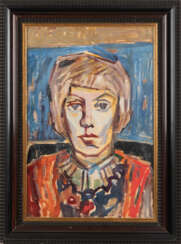

Günter Tollmann was a German painter, objectivist painter and sculptor.
He studied painting at the State Art Academy in Düsseldorf and his painting was influenced by the style of German Expressionism and the French New School of Paris. In 1967, Tollmann created his first kinetic art object and soon received his first commissions for kinetic sculptures in public spaces. With his cylindrical shaped objects he achieved international recognition.
Günter Tollmann was a member of the Association of West German Artists and taught at the Bremen University of the Arts.