2 for that
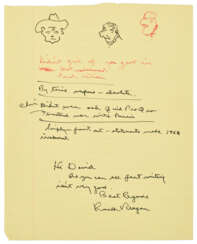

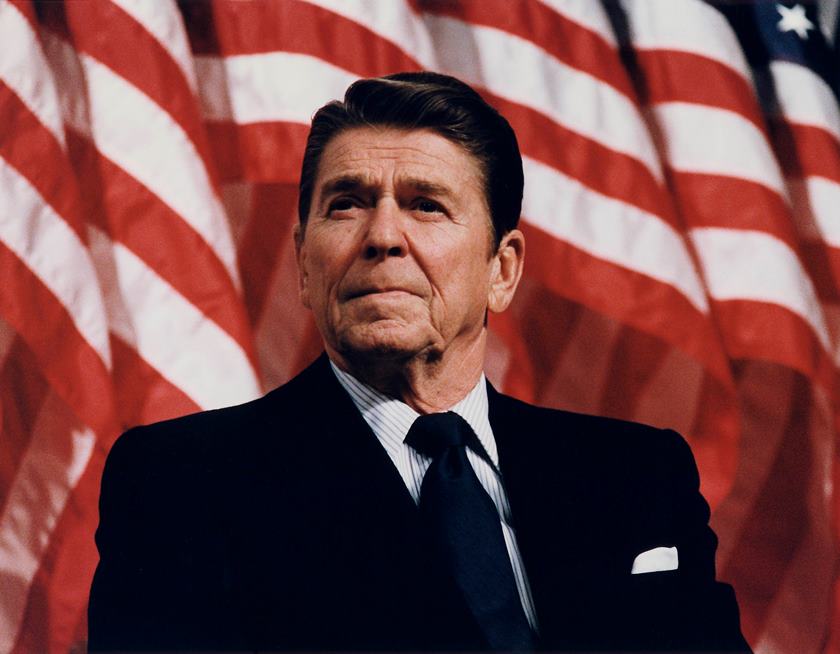
Ronald Wilson Reagan was an American statesman and politician, the 40th President of the United States of America (1981-1989).






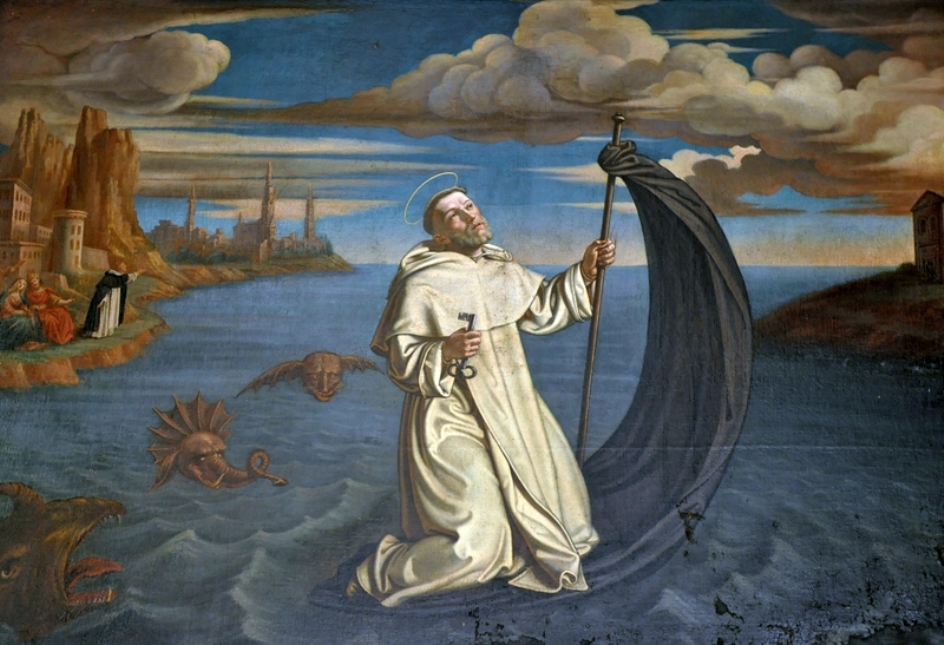
Raymond of Penyafort (Spanish: San Raimundo de Peñafort) was a Spanish theologian, canonist, and Dominican friar who is revered as a saint in the Catholic Church.
Raimondo was an adviser and confessor to the Pope in Rome as well as to kings, particularly James I of Catalonia and Aragon. Together with King James of Aragon and St. Peter Nolasco, he founded the Order of Our Lady of Ransom. The monks of this Order devoted themselves to saving Christians captured by the Moors. One of Raimondo of Peñafort's main goals was the conversion of Jews and Muslims to Christianity, and to achieve this goal he ordered Arabic and Hebrew to be studied and taught in the higher schools run by the Dominicans. He was also among those who founded the Inquisition in Catalonia.
Raimondo died at the age of 100 in Barcelona in 1275 and was canonized by Pope Clement VIII in the same year.
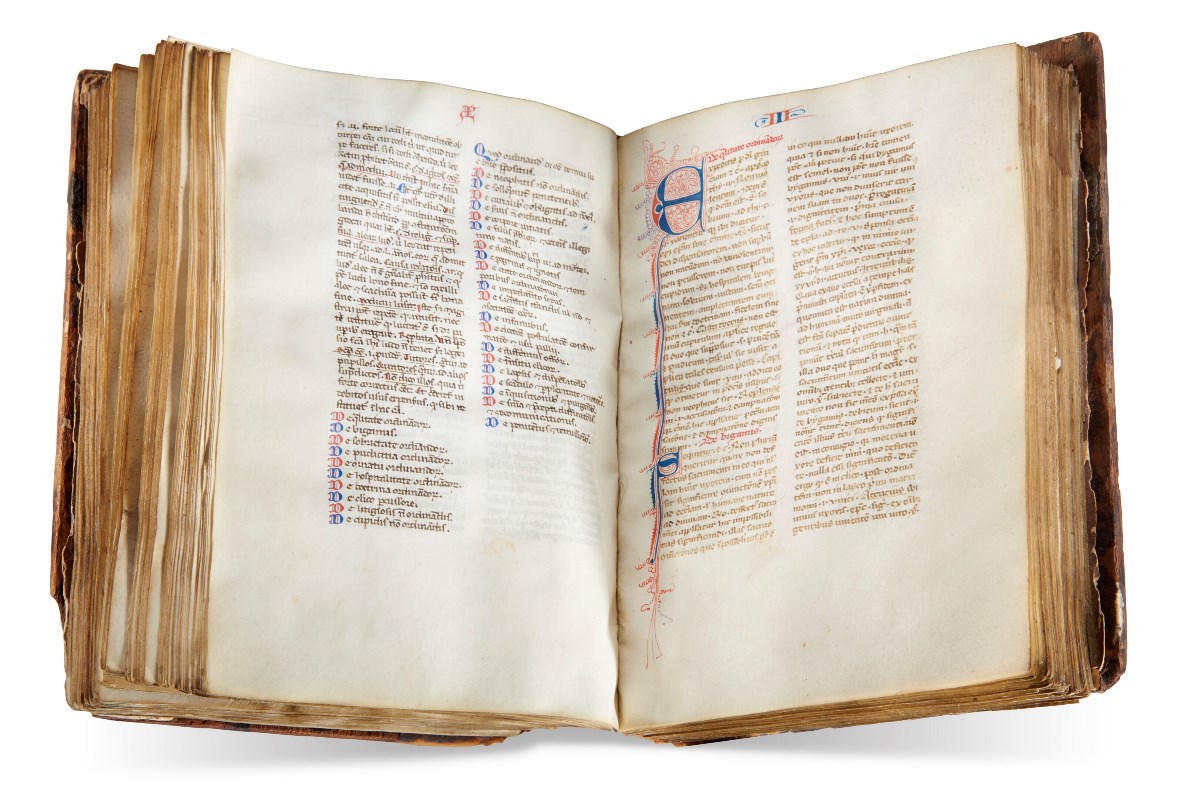
William of Rennes was a 13th-century French Roman Catholic monk, poet, theologian, and expert in canon law.
His commentaries and annotations on the works of the revered Catholic saint Raymond of Peñafort enjoyed almost equal authority in most manuscripts and early editions on academic theology and canon law. William of Rennes also wrote the epic of King Arthur, which is of interest to scholars of literature in that it was the first attempt to transform a medieval hero into a hero of classical eras.


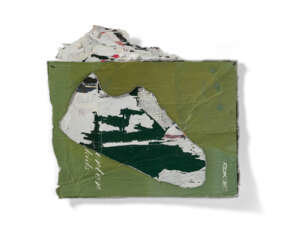


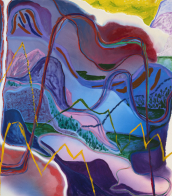
Mark Bradford is an American visual artist. Born in Los Angeles, Bradford studied at the California Institute of the Arts. Recognized for his collaged painting works, which have been shown internationally, his practice also encompasses video, print, and installation. Bradford was the U.S. representative for the 2017 Venice Biennale. He lives and works in Los Angeles.
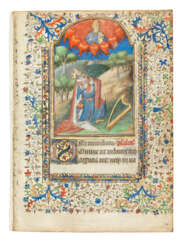

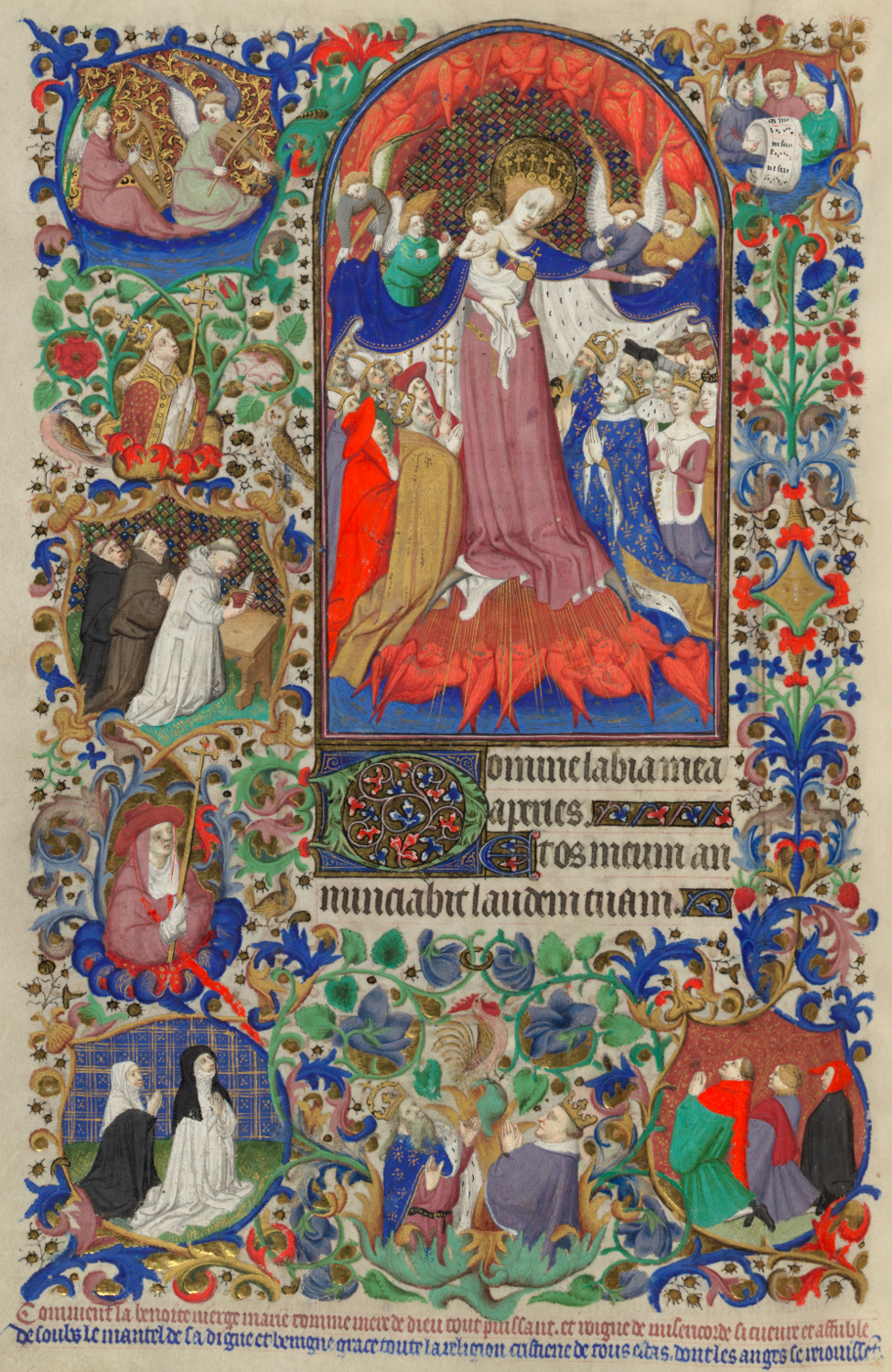
The Master of Bedford was a French miniaturist and manuscript illustrator.
This master of the chapbook worked in Paris from 1405-1435 and is considered one of the most important 15th-century illuminators. He ran an influential workshop in Paris. The artist received his name after his work on two books, which he decorated with illustrations for John Lancaster, Duke of Bedford. One of these, The Bedford Hours, is considered one of the most outstanding illuminated manuscripts extant from the medieval period, with numerous illustrations and extensive decoration, including more than 1,200 decorative medallions that appear in the margins of each page.
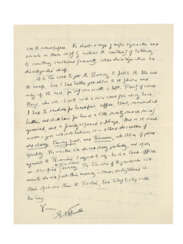

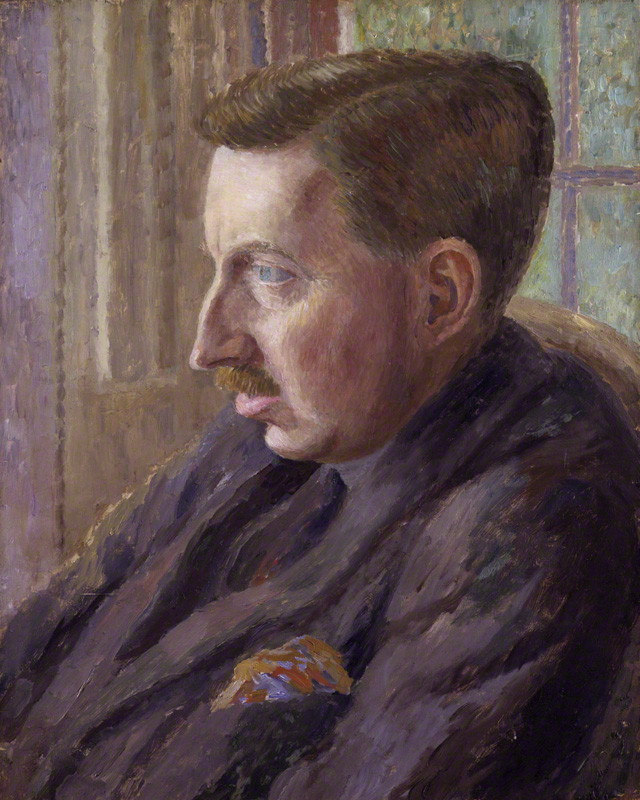
Edward Morgan Forster, English novelist, essayist, and critic, was a prominent literary figure of the early twentieth century. Born on 1 January 1879 in London and died on 7 June 1970 in Coventry, Forster's work was celebrated for its profound critique of social conventions, class distinctions and hypocrisy in British society. A member of the influential Bloomsbury group, Forster did not confine himself to novels, but also wrote essays, gave speeches and hosted programmes.
E. M. Forster was characterised by wit and a fine sense of irony. His novels, particularly A Room with a View, Howards End and A Passage to India, were recognised for their well-crafted plots and insightful social commentary. Not only have these works earned them a place in literature, but they have also been nominated for the Nobel Prize for Literature. The films A Room with a View and Howards End won Academy Awards and have been recognised and celebrated in film archives and retrospectives by film institutions.
Edward Morgan Forster's novels serve as critical social commentary of their time and remain relevant to this day. Those interested in the intersection of literary art and its influence on film can look to first editions of his works or objects associated with acclaimed film adaptations to add to their collections.
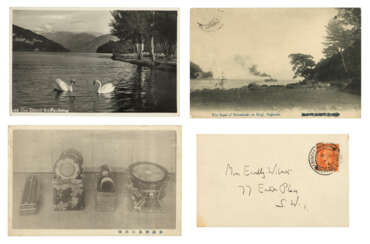

Edward Morgan Forster, English novelist, essayist, and critic, was a prominent literary figure of the early twentieth century. Born on 1 January 1879 in London and died on 7 June 1970 in Coventry, Forster's work was celebrated for its profound critique of social conventions, class distinctions and hypocrisy in British society. A member of the influential Bloomsbury group, Forster did not confine himself to novels, but also wrote essays, gave speeches and hosted programmes.
E. M. Forster was characterised by wit and a fine sense of irony. His novels, particularly A Room with a View, Howards End and A Passage to India, were recognised for their well-crafted plots and insightful social commentary. Not only have these works earned them a place in literature, but they have also been nominated for the Nobel Prize for Literature. The films A Room with a View and Howards End won Academy Awards and have been recognised and celebrated in film archives and retrospectives by film institutions.
Edward Morgan Forster's novels serve as critical social commentary of their time and remain relevant to this day. Those interested in the intersection of literary art and its influence on film can look to first editions of his works or objects associated with acclaimed film adaptations to add to their collections.
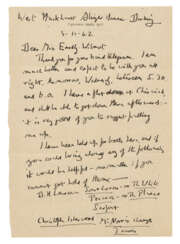

Edward Morgan Forster, English novelist, essayist, and critic, was a prominent literary figure of the early twentieth century. Born on 1 January 1879 in London and died on 7 June 1970 in Coventry, Forster's work was celebrated for its profound critique of social conventions, class distinctions and hypocrisy in British society. A member of the influential Bloomsbury group, Forster did not confine himself to novels, but also wrote essays, gave speeches and hosted programmes.
E. M. Forster was characterised by wit and a fine sense of irony. His novels, particularly A Room with a View, Howards End and A Passage to India, were recognised for their well-crafted plots and insightful social commentary. Not only have these works earned them a place in literature, but they have also been nominated for the Nobel Prize for Literature. The films A Room with a View and Howards End won Academy Awards and have been recognised and celebrated in film archives and retrospectives by film institutions.
Edward Morgan Forster's novels serve as critical social commentary of their time and remain relevant to this day. Those interested in the intersection of literary art and its influence on film can look to first editions of his works or objects associated with acclaimed film adaptations to add to their collections.


.jpg)
Jean Elysée Puiforcat was a French silversmith, sculptor and designer. Miller's Antiques Encyclopedia calls Puiforcat the «most important French Art Deco silversmith».


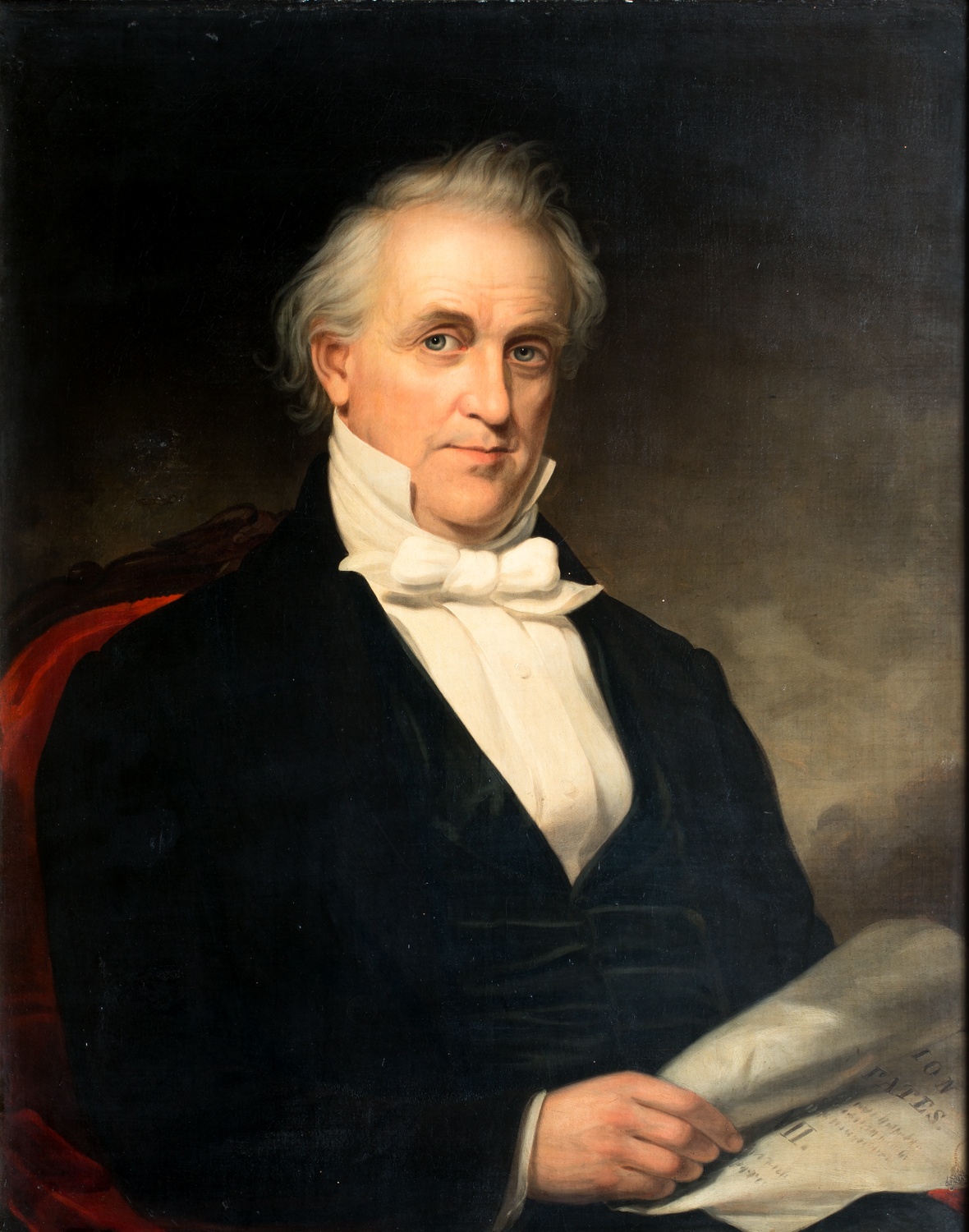
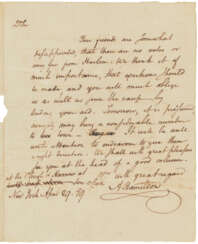

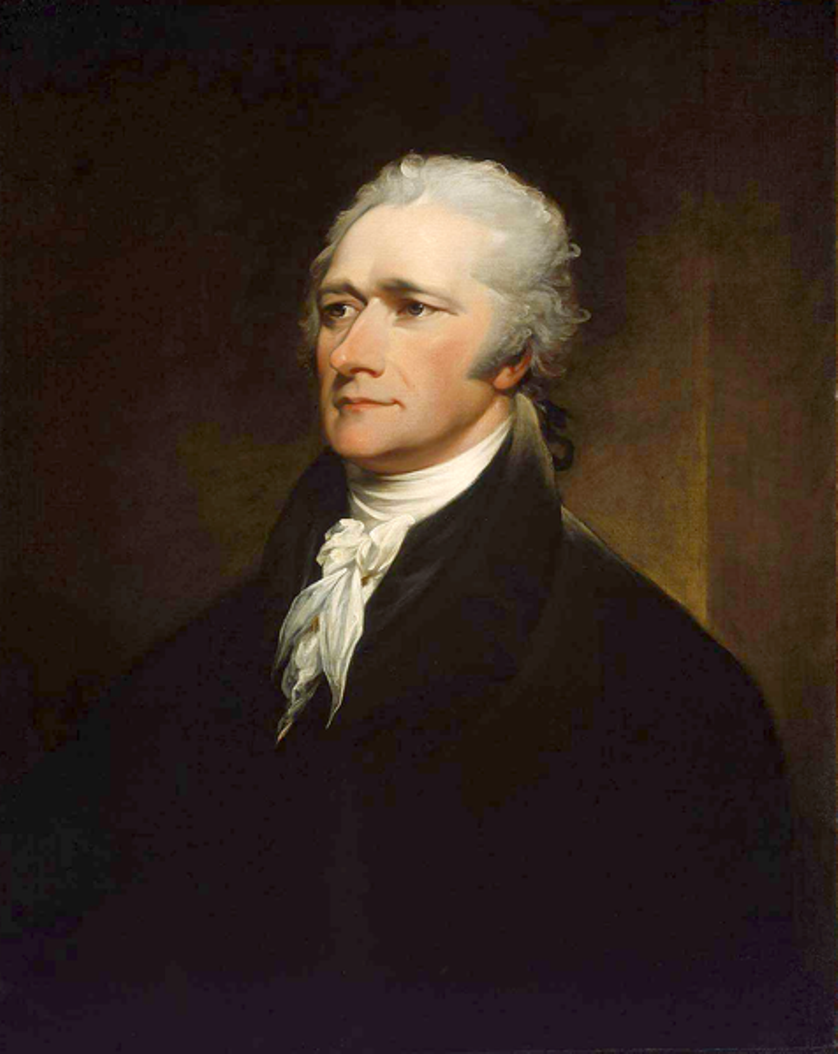
Alexander Hamilton was an American politician and statesman, the founder of the American financial system.
A native of Great Britain, Hamilton arrived in continental America in late 1772 and enrolled at King's College in New York. He became captain of an artillery company in 1776 and fought in the battles of Kips Bay, White Plains, Trenton, and Princeton during the American War of Independence. For four years he served on George Washington's staff as adjutant with the rank of lieutenant colonel. And in 1782, Hamilton was chosen by New York as a delegate to the Confederate Congress.
Alexander Hamilton was also one of New York's delegates to the Constitutional Convention in Philadelphia in 1787. He was a passionate advocate of the Constitution and, along with future President James Madison and John Jay, contributed to the famous book The Federalist (1788), writing most of the essays for it. After George Washington was elected the nation's first president in 1789, he appointed Hamilton Secretary of the Treasury. As the first Secretary of the Treasury (1789-1795), Hamilton developed plans to finance the national debt, secure federal credit, encourage the expansion of manufacturing, and organize a federal bank. In 1801, Hamilton founded the New York Evening Post newspaper.
On July 11, 1804, Hamilton was mortally wounded in a duel with his personal and political rival, Vice President Aaron Burr. Today, Alexander Hamilton is revered as one of the founding fathers of the United States, he is known for his role in creating America's financial system, and his portrait is on the ten dollar bill.


























Franklin Pierce was the 14th President of the United States of America (1853-57).
Pierce entered political life in New Hampshire as a Democrat, serving in the state legislature, the U.S. House of Representatives, and the Senate. Pierce saw the abolitionist movement (which sought to eliminate slavery in the country) as a fundamental threat to the unity of the nation, and alienated anti-slavery groups by signing the Kansas-Nebraska Act and enacting the Fugitive Slave Act.
The results of his presidency were generally so poor that Democrats refused to allow Pierce to run again. Years later he died in obscurity, accused of betraying the nation and disgraced. Historians and scholars generally rate Pierce as one of the worst U.S. presidents.