altes äg











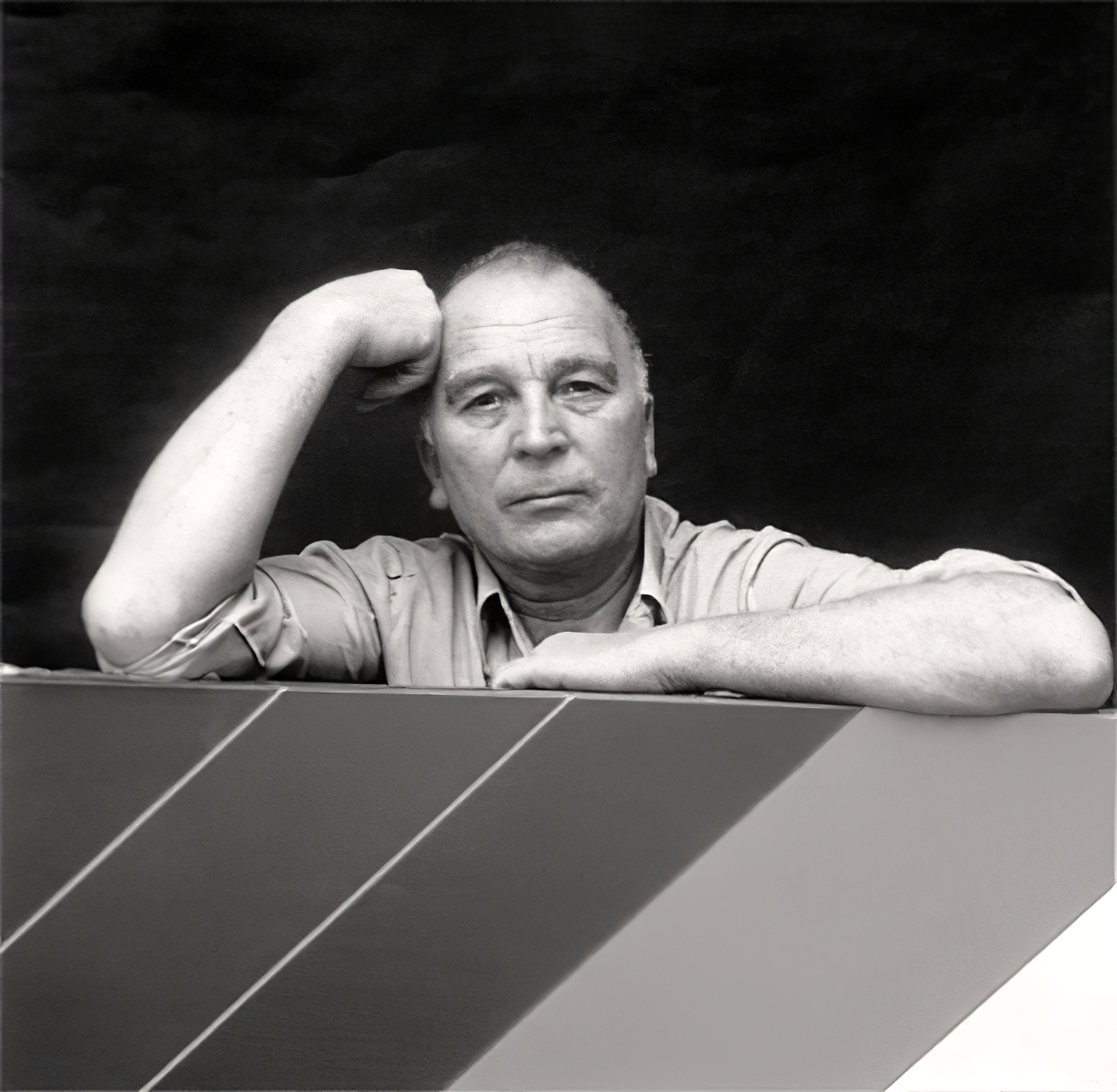
Günter Fruhtrunk was a German geometric abstract painter and printmaker whose work relates to op art.

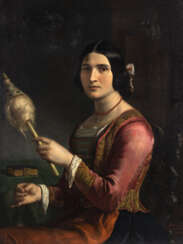

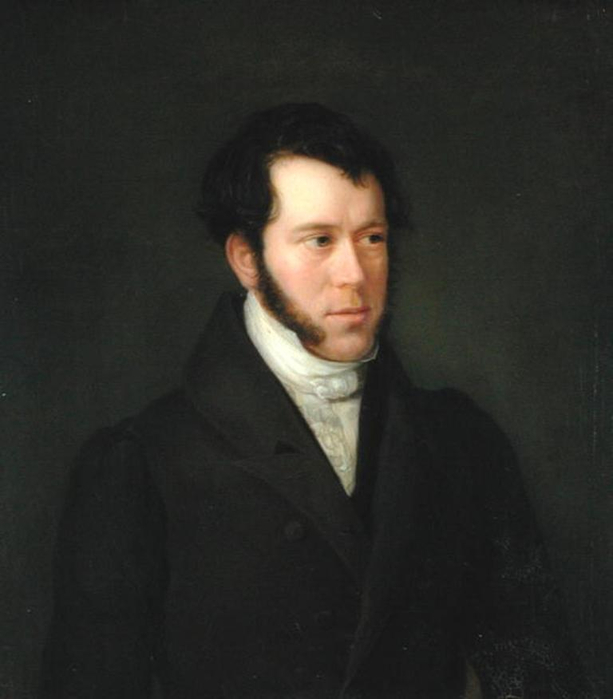
Günther Gensler was a German artist of the mid-nineteenth century. He is known as a painter, draughtsman, graphic artist and printmaker, a representative of the Hamburg art school.
Gensler created more than 120 oil paintings and graphic works during his career. The most famous of them is the painting "Meeting of Members of the Hamburg Artists' Club" in 1840. The master began preparatory work on this group portrait in 1838.
In 2019, Gensler's works were part of the exhibition "The Hamburg School - Rediscovering the 19th Century" at the Hamburger Kunsthalle.


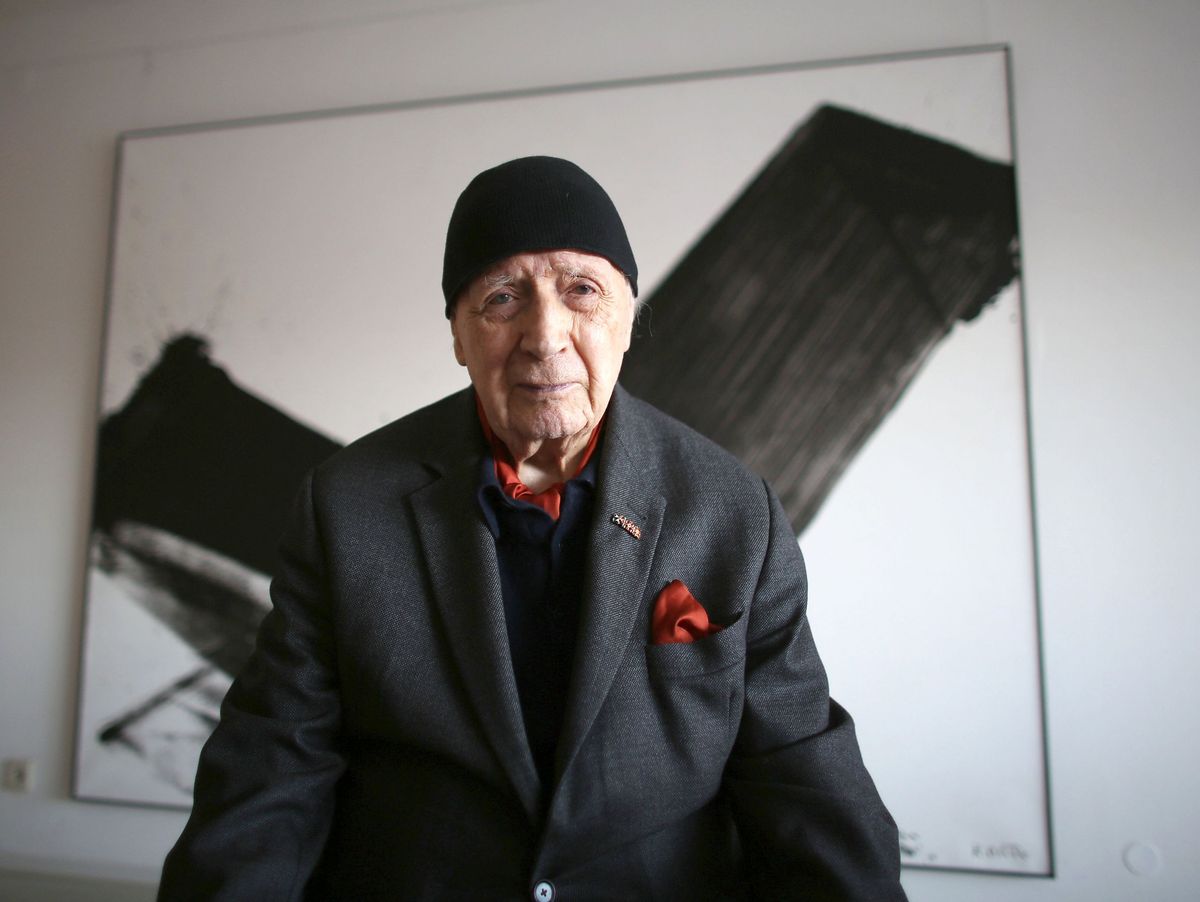
Karl Otto Götz was a German artist, filmmaker, draughtsman, printmaker, writer and professor of art at the Kunstakademie Düsseldorf. He was one of the oldest living and active artists older than 100 years of age and is best remembered for his explosive and complex abstract forms. His powerful, surrealist-inspired works earned him international recognition in exhibitions like documenta II in 1959. Götz never confined himself to one specific style or artistic field. He also explored generated abstract forms through television art. Götz is one of the most important members of the German Art Informel movement.
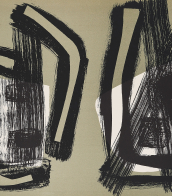
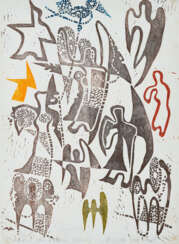

Karl Otto Götz was a German artist, filmmaker, draughtsman, printmaker, writer and professor of art at the Kunstakademie Düsseldorf. He was one of the oldest living and active artists older than 100 years of age and is best remembered for his explosive and complex abstract forms. His powerful, surrealist-inspired works earned him international recognition in exhibitions like documenta II in 1959. Götz never confined himself to one specific style or artistic field. He also explored generated abstract forms through television art. Götz is one of the most important members of the German Art Informel movement.
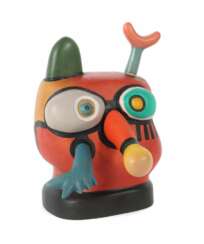

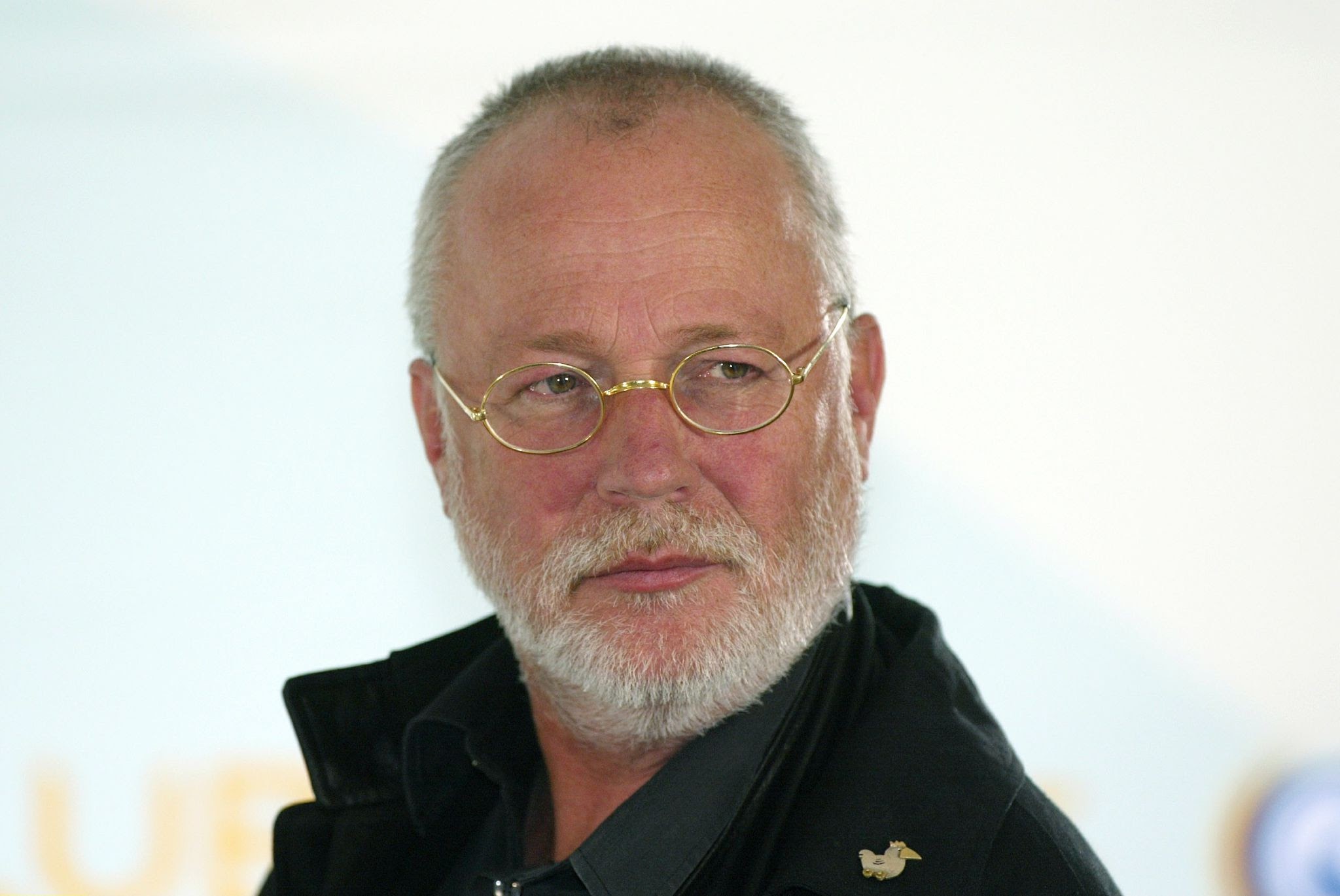
Otmar Alt was a German painter, graphic artist, designer and sculptor.
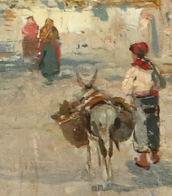


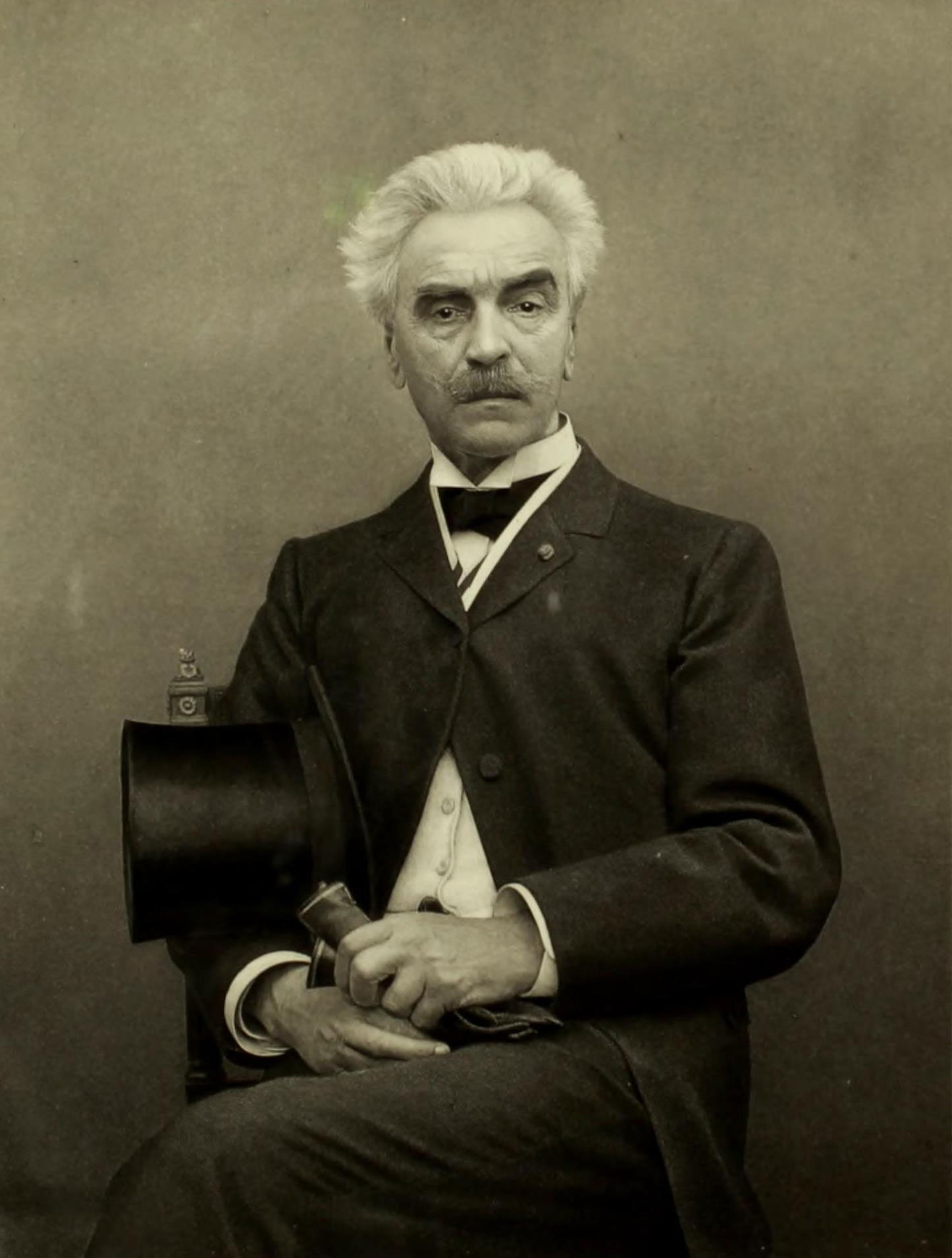
Jean-Léon Gérôme was a prominent 19th-century French painter, a representative of the academic school of painting. His paintings are notable for their impeccable composition and exquisite colour palette.
Jean-Léon Gérôme did not accept the work of the Impressionists, whom he considered to be the ignominy of French art. This has earned him a controversial reputation as a fierce supporter of academism and a persecutor of new movements.


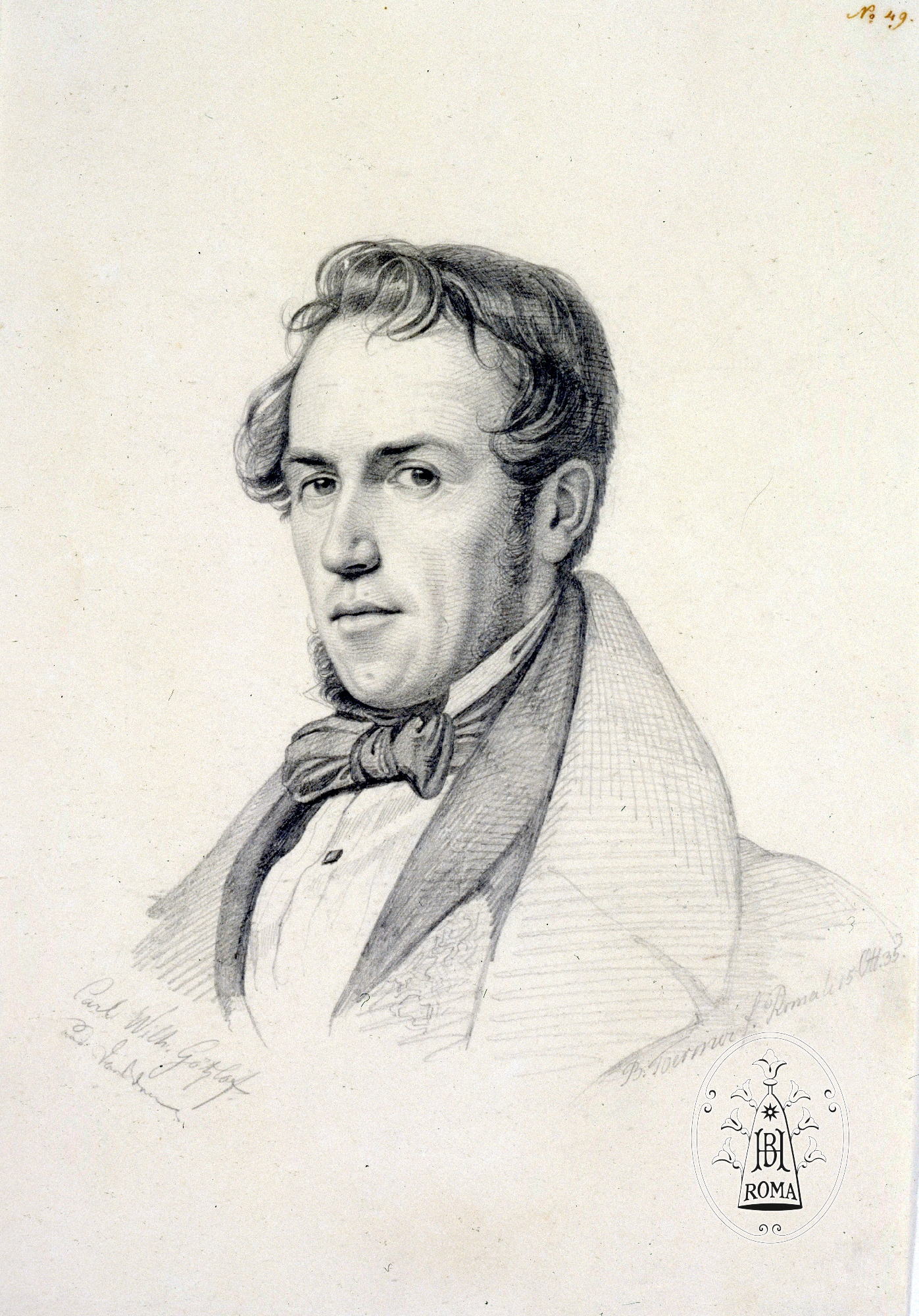
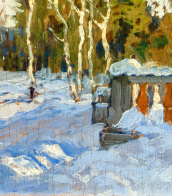
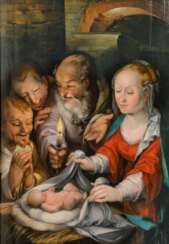

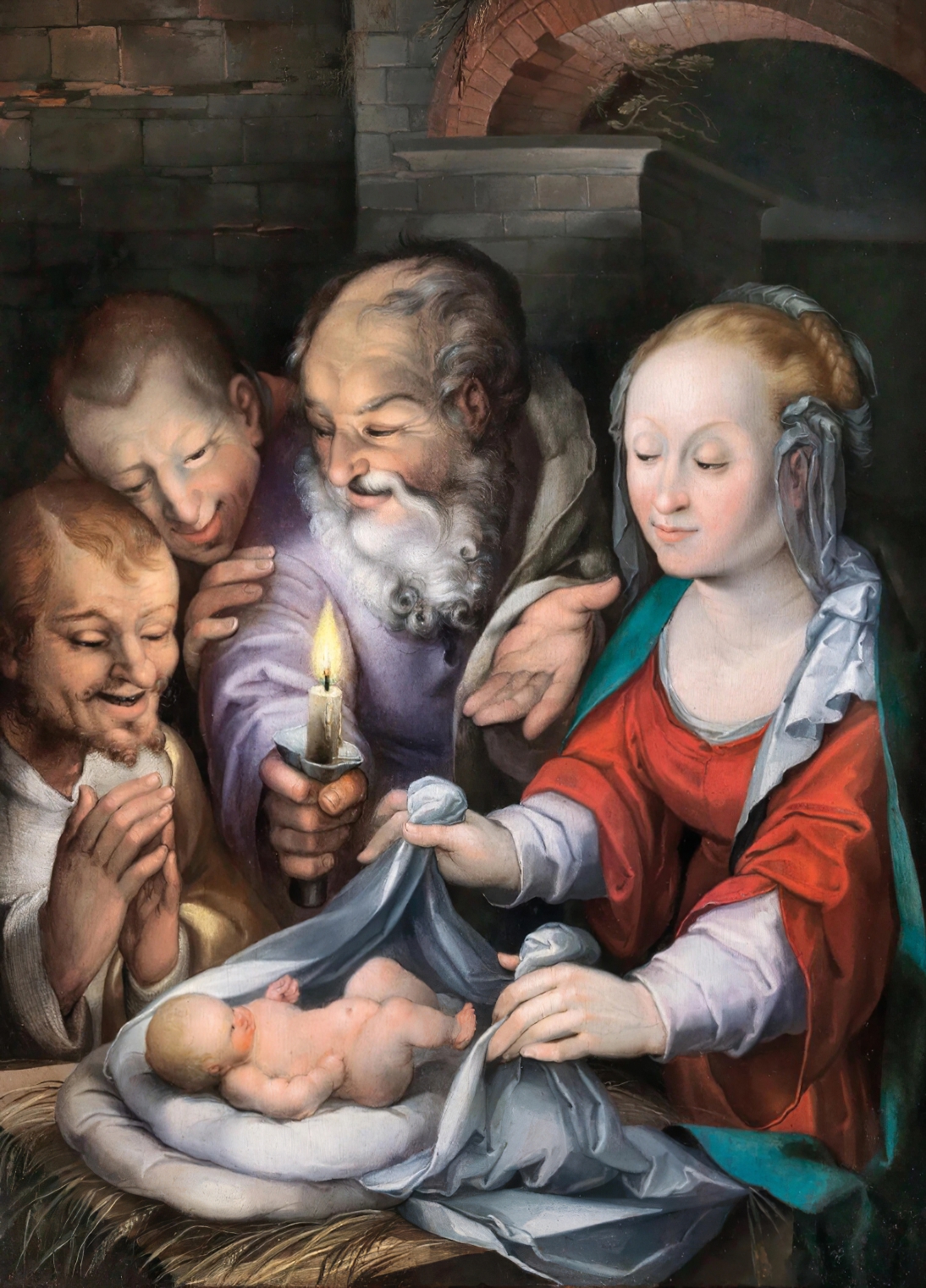
Georg Gärtner was a German Baroque painter who specialised in religious and mythological subjects.
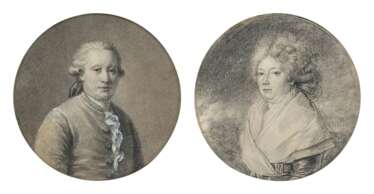

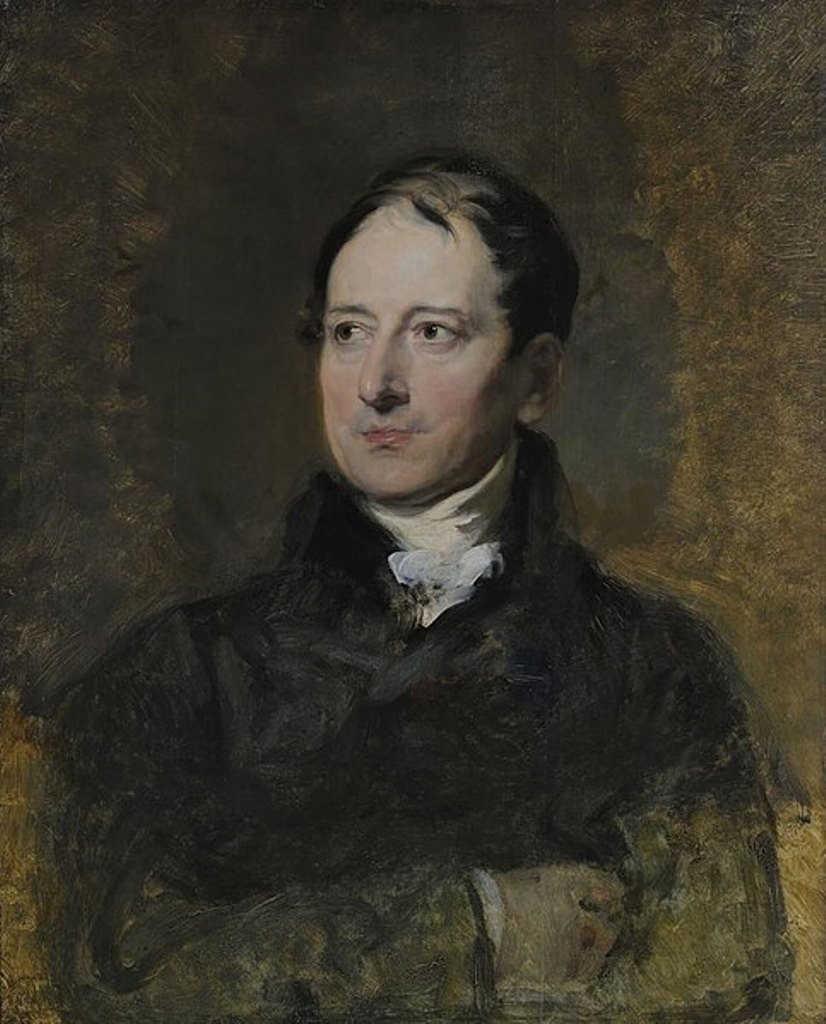
Baron François Pascal Simon Di Cerchia Gerard was a famous French painter of the late 18th century and the first half of the 19th century, an outstanding master of the portrait genre. Francois Gerard was also famous for his paintings on historical and mythological subjects in the neoclassical style. His portraits were highly regarded by the most important European nobles who often commissioned ceremonial portraits from him. His biography is an example of a successful career as an artist during a period of great political upheaval.

Karl Otto Götz was a German artist, filmmaker, draughtsman, printmaker, writer and professor of art at the Kunstakademie Düsseldorf. He was one of the oldest living and active artists older than 100 years of age and is best remembered for his explosive and complex abstract forms. His powerful, surrealist-inspired works earned him international recognition in exhibitions like documenta II in 1959. Götz never confined himself to one specific style or artistic field. He also explored generated abstract forms through television art. Götz is one of the most important members of the German Art Informel movement.
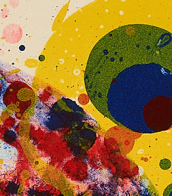
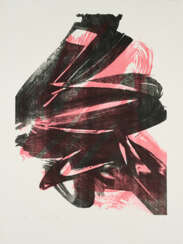

Karl Otto Götz was a German artist, filmmaker, draughtsman, printmaker, writer and professor of art at the Kunstakademie Düsseldorf. He was one of the oldest living and active artists older than 100 years of age and is best remembered for his explosive and complex abstract forms. His powerful, surrealist-inspired works earned him international recognition in exhibitions like documenta II in 1959. Götz never confined himself to one specific style or artistic field. He also explored generated abstract forms through television art. Götz is one of the most important members of the German Art Informel movement.
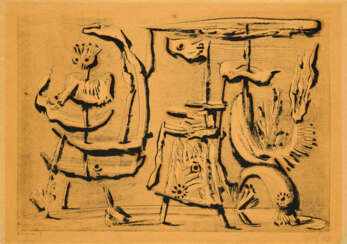

Karl Otto Götz was a German artist, filmmaker, draughtsman, printmaker, writer and professor of art at the Kunstakademie Düsseldorf. He was one of the oldest living and active artists older than 100 years of age and is best remembered for his explosive and complex abstract forms. His powerful, surrealist-inspired works earned him international recognition in exhibitions like documenta II in 1959. Götz never confined himself to one specific style or artistic field. He also explored generated abstract forms through television art. Götz is one of the most important members of the German Art Informel movement.
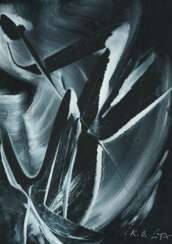

Karl Otto Götz was a German artist, filmmaker, draughtsman, printmaker, writer and professor of art at the Kunstakademie Düsseldorf. He was one of the oldest living and active artists older than 100 years of age and is best remembered for his explosive and complex abstract forms. His powerful, surrealist-inspired works earned him international recognition in exhibitions like documenta II in 1959. Götz never confined himself to one specific style or artistic field. He also explored generated abstract forms through television art. Götz is one of the most important members of the German Art Informel movement.
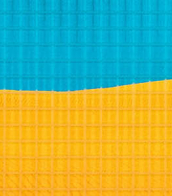
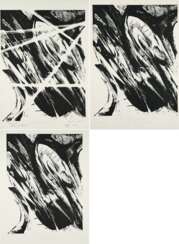

Karl Otto Götz was a German artist, filmmaker, draughtsman, printmaker, writer and professor of art at the Kunstakademie Düsseldorf. He was one of the oldest living and active artists older than 100 years of age and is best remembered for his explosive and complex abstract forms. His powerful, surrealist-inspired works earned him international recognition in exhibitions like documenta II in 1959. Götz never confined himself to one specific style or artistic field. He also explored generated abstract forms through television art. Götz is one of the most important members of the German Art Informel movement.


Karl Otto Götz was a German artist, filmmaker, draughtsman, printmaker, writer and professor of art at the Kunstakademie Düsseldorf. He was one of the oldest living and active artists older than 100 years of age and is best remembered for his explosive and complex abstract forms. His powerful, surrealist-inspired works earned him international recognition in exhibitions like documenta II in 1959. Götz never confined himself to one specific style or artistic field. He also explored generated abstract forms through television art. Götz is one of the most important members of the German Art Informel movement.
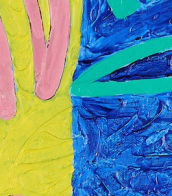
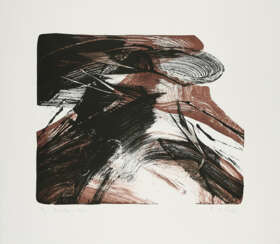

Karl Otto Götz was a German artist, filmmaker, draughtsman, printmaker, writer and professor of art at the Kunstakademie Düsseldorf. He was one of the oldest living and active artists older than 100 years of age and is best remembered for his explosive and complex abstract forms. His powerful, surrealist-inspired works earned him international recognition in exhibitions like documenta II in 1959. Götz never confined himself to one specific style or artistic field. He also explored generated abstract forms through television art. Götz is one of the most important members of the German Art Informel movement.


Karl Otto Götz was a German artist, filmmaker, draughtsman, printmaker, writer and professor of art at the Kunstakademie Düsseldorf. He was one of the oldest living and active artists older than 100 years of age and is best remembered for his explosive and complex abstract forms. His powerful, surrealist-inspired works earned him international recognition in exhibitions like documenta II in 1959. Götz never confined himself to one specific style or artistic field. He also explored generated abstract forms through television art. Götz is one of the most important members of the German Art Informel movement.

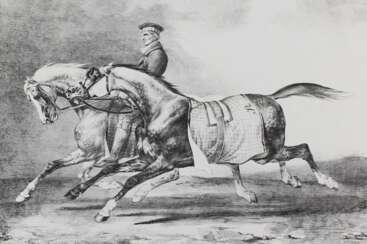

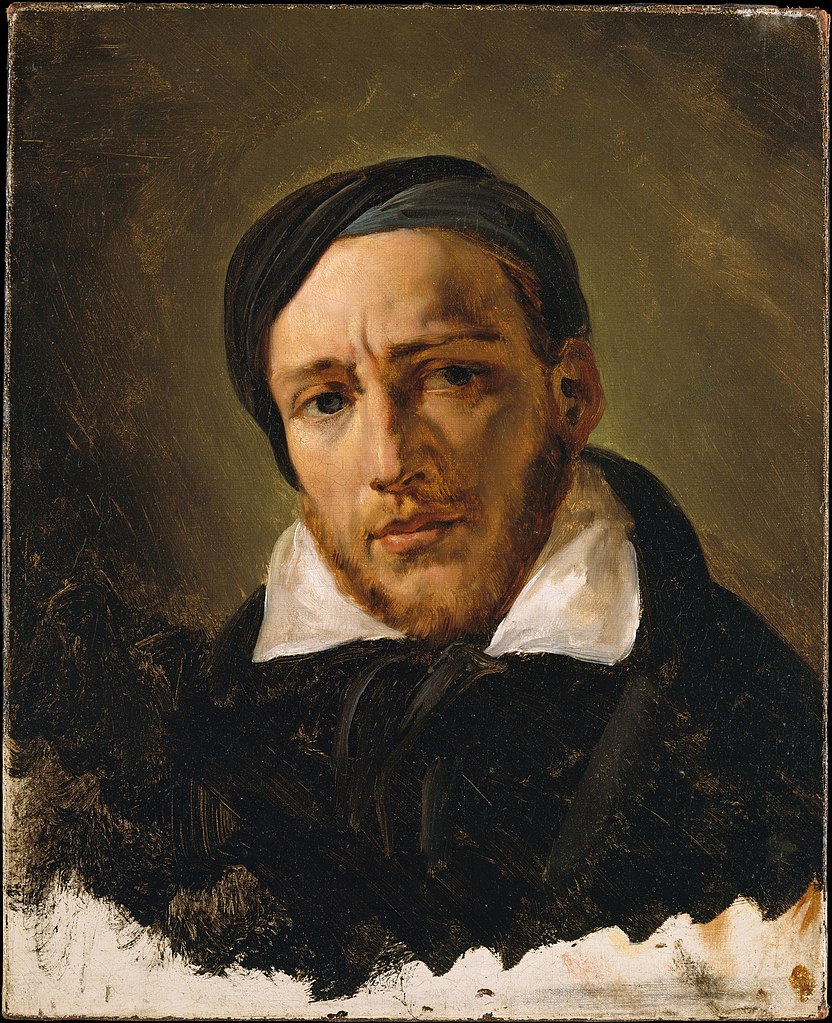
Jean-Louis André Théodore Géricault was a French painter and lithographer, celebrated for his pivotal role in the Romantic movement. Born in Rouen, France, in 1791, and educated among the elite in Paris, Géricault developed a profound connection with art from a young age, influenced by his training under notable figures like Carle Vernet and Pierre-Narcisse Guérin. This foundation set him on a path that diverged significantly from the classical traditions of his time.
Géricault's artistry is best known for its vibrant energy and emotional intensity, characteristics that marked a departure from the Neoclassical style predominant in the early 19th century. His most famous work, "The Raft of the Medusa" (1818–19), is a monumental canvas that dramatizes the tragic aftermath of the French shipwreck, Méduse, capturing the public and critical imagination for its raw portrayal of human despair and resilience. This painting not only criticized the French government but also showcased Géricault's masterful handling of drama, becoming an iconic symbol of Romanticism.
Throughout his career, Géricault remained deeply engaged with contemporary issues and the human condition, exploring themes of mental illness, social injustice, and the raw power of nature versus human vulnerability. His series of portraits depicting patients with mental illnesses, created towards the end of his life, highlighted his empathy and innovative approach to capturing human emotion and psychological depth.
Géricault's fascination with the dynamic forms and emotional potential of horses also led to some of the most stirring equestrian art of his time, reflecting his personal passion for horseback riding and his exceptional understanding of equine anatomy. This interest is evident in works like "A Horse Frightened by Lightning", showcasing his ability to capture motion and emotion in both human and animal forms.
Despite his premature death at the age of 32, Géricault's legacy endures, with his works residing in prestigious institutions like the Louvre in Paris. His artistic vision and dedication to portraying the realities and turbulences of his era have cemented his status as a pioneer of Romanticism, influencing subsequent generations of artists, including his contemporary and friend, Eugène Delacroix.
For collectors and experts in art and antiques, Géricault's oeuvre offers a profound insight into the Romantic spirit, embodying the tumult, passion, and innovation of an era on the cusp of modernity. His works continue to inspire and captivate audiences, reminding us of the power of art to provoke thought and evoke deep emotional responses.
To stay updated on exhibitions and auction events featuring Géricault's works, sign up for updates. This subscription will keep you informed on new discoveries and sales related to this influential artist, ensuring you never miss an opportunity to engage with the legacy of Jean-Louis André Théodore Géricault.
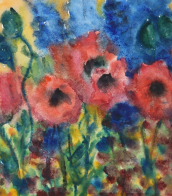
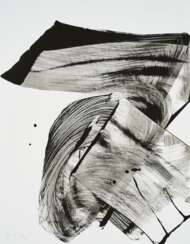

Karl Otto Götz was a German artist, filmmaker, draughtsman, printmaker, writer and professor of art at the Kunstakademie Düsseldorf. He was one of the oldest living and active artists older than 100 years of age and is best remembered for his explosive and complex abstract forms. His powerful, surrealist-inspired works earned him international recognition in exhibitions like documenta II in 1959. Götz never confined himself to one specific style or artistic field. He also explored generated abstract forms through television art. Götz is one of the most important members of the German Art Informel movement.
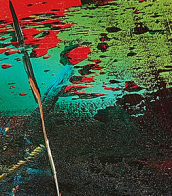


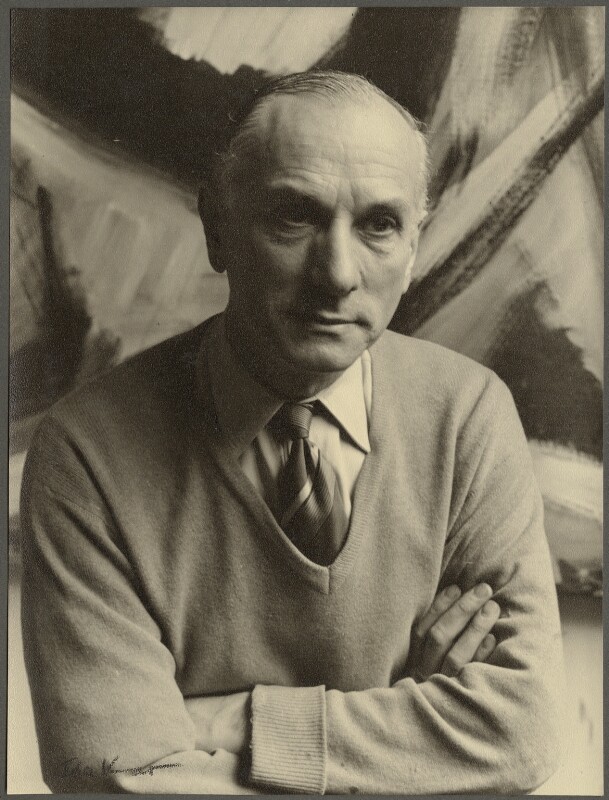
Gérard Ernest Schneider is a Swiss and French artist, one of the creators of lyrical abstraction.
He graduated from the Ecole Nationale des Beaux-Arts de Paris. And in the post-war years, the art of Gerard Schneider played a pioneering role in the birth of a new form of abstraction. Schneider, together with other artists in Paris, proposed a new, radical form of abstraction and called it lyrical abstraction. From the mid-1940s large exhibitions were organized in Paris and later in Germany, bringing together the main representatives of the new style.
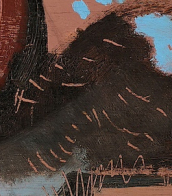
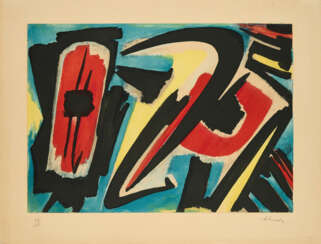

Gérard Ernest Schneider is a Swiss and French artist, one of the creators of lyrical abstraction.
He graduated from the Ecole Nationale des Beaux-Arts de Paris. And in the post-war years, the art of Gerard Schneider played a pioneering role in the birth of a new form of abstraction. Schneider, together with other artists in Paris, proposed a new, radical form of abstraction and called it lyrical abstraction. From the mid-1940s large exhibitions were organized in Paris and later in Germany, bringing together the main representatives of the new style.