angelo
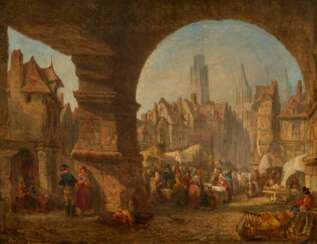

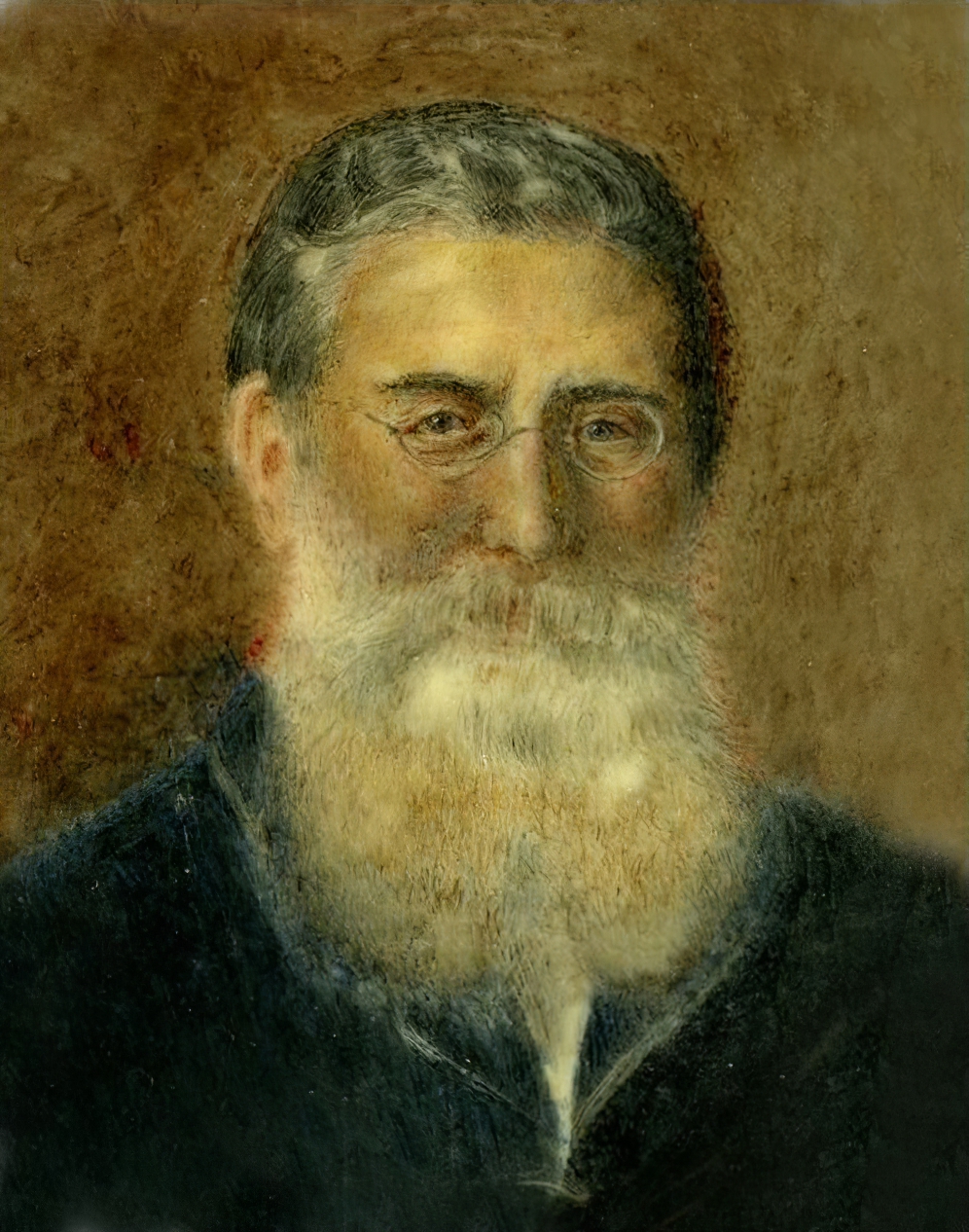
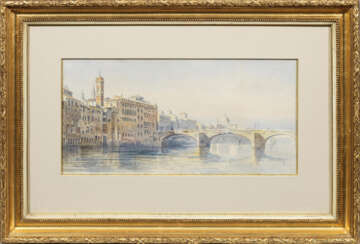
Edward Angelo Goodall was an English landscape and orientalist painter.
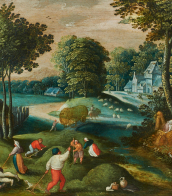


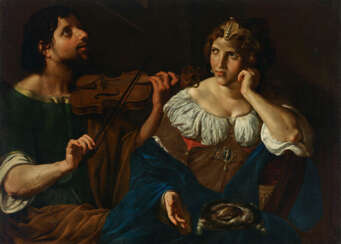

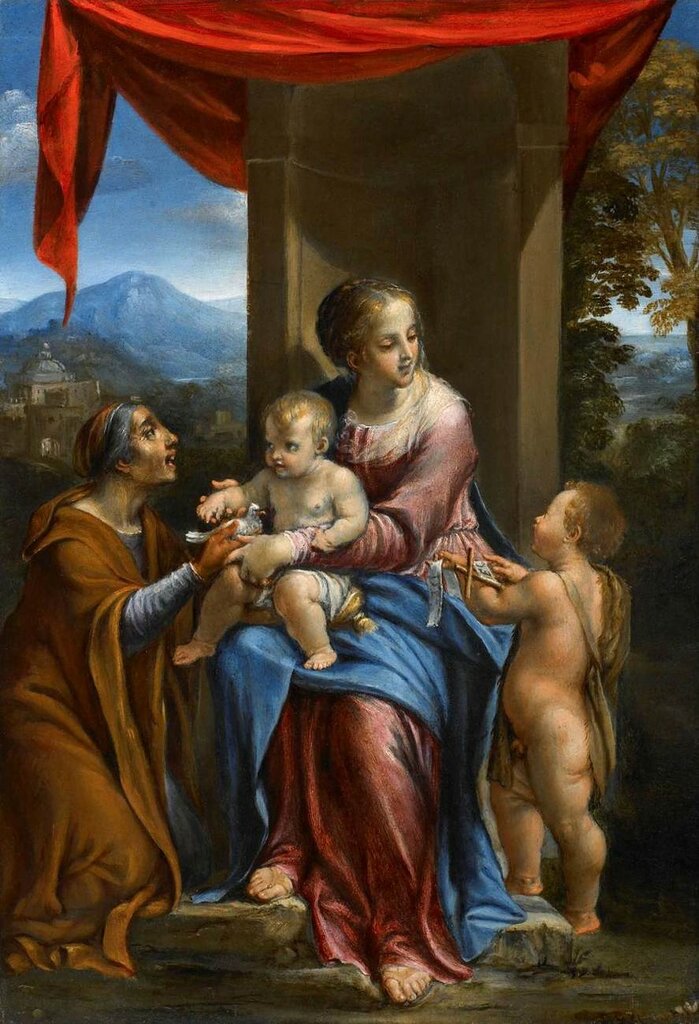
Angelo Caroselli was an Italian painter, born and active during the Baroque period, primarily in Rome. Known for his eclectic style, Caroselli's work was significantly influenced by Caravaggio, evident in the naturalism and chiaroscuro that marked his compositions. His subject matter often included colorful characters from contemporary Rome, scenes of witchcraft, musicians, and genre scenes reflective of the Caravaggisti, a group of artists who followed Caravaggio's stylistic approach. Caroselli's ability to blend allegories, religious works, and portraits with genre scenes showcased his search for originality and a unique narrative voice within the Baroque movement.
Angelo Caroselli's career was marked by his versatility as not only a painter but also an art restorer, copyist, and possibly a forger. This breadth of skills contributed to the diverse body of work he left behind, which ranged from scenes of everyday life to complex allegorical compositions. His works often depicted the lower echelons of society, including musicians, card players, and prostitutes, infused with a potent naturalism that brought these figures to life against the backdrop of 17th-century Rome.
Despite his adherence to Caravaggesque forms and themes, Angelo Caroselli's work also displayed 'archaicising' elements, which some art historians view as a conscious departure from the dominant Baroque style of his time. This aspect of his work, along with his skill in copying the works of ancient masters, highlights a deliberate exploration of and departure from the prevailing artistic norms, contributing to the unique place he occupies in Baroque art history.
Notably, Caroselli's influence extended beyond Italy, affecting the work of other Caravaggisti, including the Lucchese painter Pietro Paolini and the Dutch painter Dirck van Baburen. This cross-cultural impact underscores the broader significance of Caroselli's work within the Baroque period and its enduring influence on subsequent generations of artists.
His legacy includes several known works that are housed in prestigious institutions and collections worldwide, exemplifying the enduring appeal and historical importance of his artistic contributions. Among these, "The Plague at Ashdod (after Poussin)" stands out as a significant piece, reflecting his capability to engage with and reinterpret the works of his contemporaries and predecessors.
For collectors and experts in art and antiques, Caroselli's oeuvre offers a fascinating glimpse into the Baroque period's complexity, characterized by a blend of innovation, tradition, and a deep engagement with the human condition. His work remains a testament to the vibrancy and dynamism of 17th-century Italian art, inviting ongoing exploration and appreciation.
To stay updated on new discoveries, sales, and auction events related to Angelo Caroselli, sign up for our newsletter. This subscription ensures you're the first to know about the latest findings and opportunities to acquire works by or related to Angelo Caroselli, catering specifically to enthusiasts and collectors of historical art and antiques.


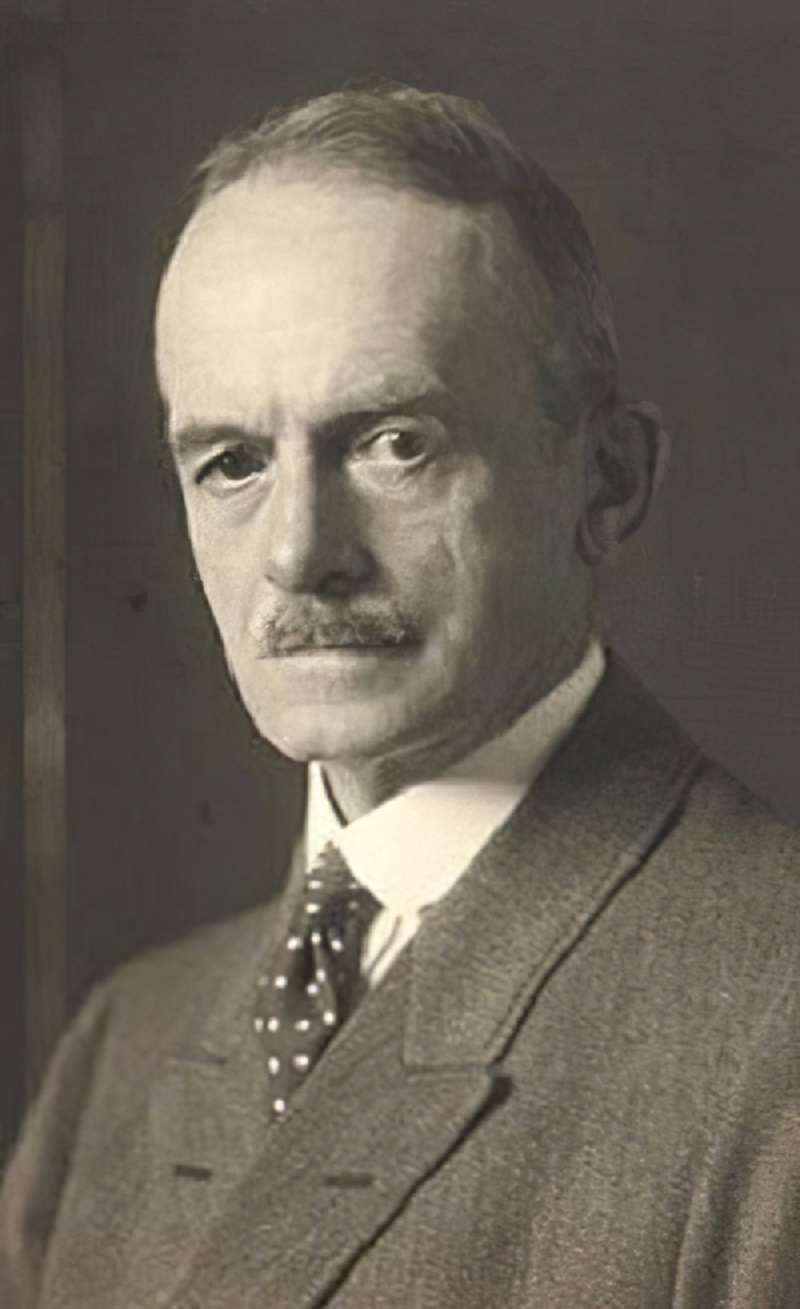
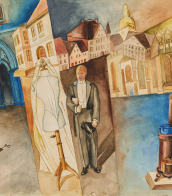
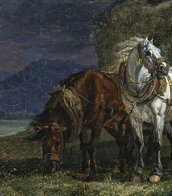
Angelo Jank was a German animal painter, illustrator and member of the Munich Secession. He was the son of the German painter Christian Jank and specialized in scenes with horses and riders. For many years, he was also employed as an illustrator for the magazines Jugend and Simplicissimus, And he was also an instructor at the Academy of Fine Arts. In addition to his canvases, he painted murals at the Justizpalast and scenes from history at the Reichstag building in Berlin. His work was also part of the painting event in the art competition at the 1936 Summer Olympics.


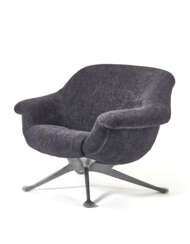

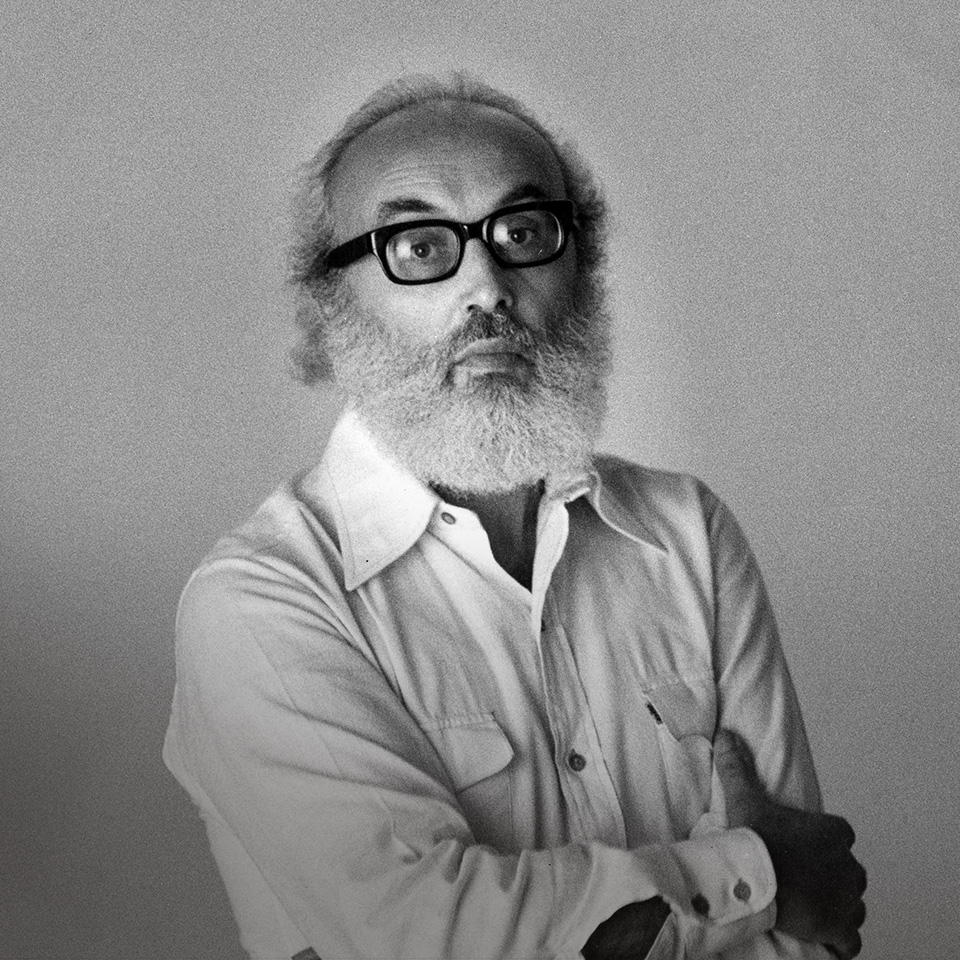
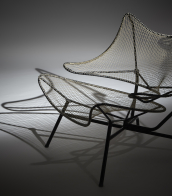
Angelo Mangiarotti was an Italian architect and industrial designer. His designs were mostly for industrial buildings and railway stations. In 1994 he received the Compasso d'Oro award of the Associazione per il Disegno Industriale for his lifetime of achievement.

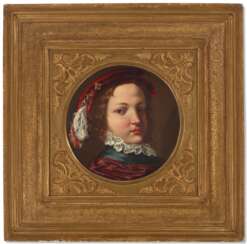

Angelo Caroselli was an Italian painter, born and active during the Baroque period, primarily in Rome. Known for his eclectic style, Caroselli's work was significantly influenced by Caravaggio, evident in the naturalism and chiaroscuro that marked his compositions. His subject matter often included colorful characters from contemporary Rome, scenes of witchcraft, musicians, and genre scenes reflective of the Caravaggisti, a group of artists who followed Caravaggio's stylistic approach. Caroselli's ability to blend allegories, religious works, and portraits with genre scenes showcased his search for originality and a unique narrative voice within the Baroque movement.
Angelo Caroselli's career was marked by his versatility as not only a painter but also an art restorer, copyist, and possibly a forger. This breadth of skills contributed to the diverse body of work he left behind, which ranged from scenes of everyday life to complex allegorical compositions. His works often depicted the lower echelons of society, including musicians, card players, and prostitutes, infused with a potent naturalism that brought these figures to life against the backdrop of 17th-century Rome.
Despite his adherence to Caravaggesque forms and themes, Angelo Caroselli's work also displayed 'archaicising' elements, which some art historians view as a conscious departure from the dominant Baroque style of his time. This aspect of his work, along with his skill in copying the works of ancient masters, highlights a deliberate exploration of and departure from the prevailing artistic norms, contributing to the unique place he occupies in Baroque art history.
Notably, Caroselli's influence extended beyond Italy, affecting the work of other Caravaggisti, including the Lucchese painter Pietro Paolini and the Dutch painter Dirck van Baburen. This cross-cultural impact underscores the broader significance of Caroselli's work within the Baroque period and its enduring influence on subsequent generations of artists.
His legacy includes several known works that are housed in prestigious institutions and collections worldwide, exemplifying the enduring appeal and historical importance of his artistic contributions. Among these, "The Plague at Ashdod (after Poussin)" stands out as a significant piece, reflecting his capability to engage with and reinterpret the works of his contemporaries and predecessors.
For collectors and experts in art and antiques, Caroselli's oeuvre offers a fascinating glimpse into the Baroque period's complexity, characterized by a blend of innovation, tradition, and a deep engagement with the human condition. His work remains a testament to the vibrancy and dynamism of 17th-century Italian art, inviting ongoing exploration and appreciation.
To stay updated on new discoveries, sales, and auction events related to Angelo Caroselli, sign up for our newsletter. This subscription ensures you're the first to know about the latest findings and opportunities to acquire works by or related to Angelo Caroselli, catering specifically to enthusiasts and collectors of historical art and antiques.


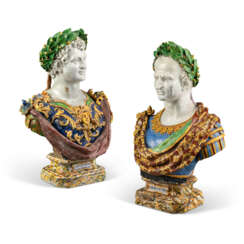

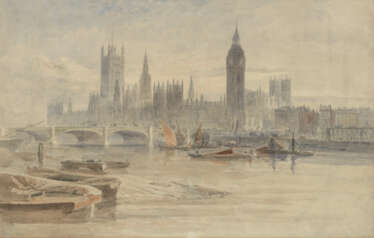

Edward Angelo Goodall was an English landscape and orientalist painter.


Michael Angelo Rooker was an English oil and watercolour painter of architecture and landscapes, illustrator and engraver. He was also the principal scene painter at the Haymarket Theatre.
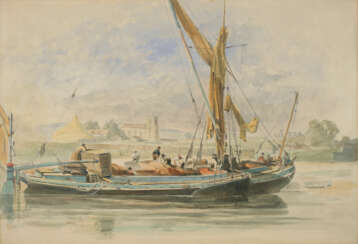

Edward Angelo Goodall was an English landscape and orientalist painter.
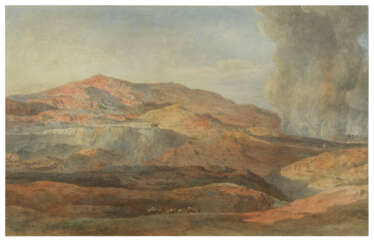

Edward Angelo Goodall was an English landscape and orientalist painter.
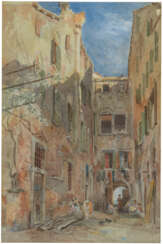

Edward Angelo Goodall was an English landscape and orientalist painter.
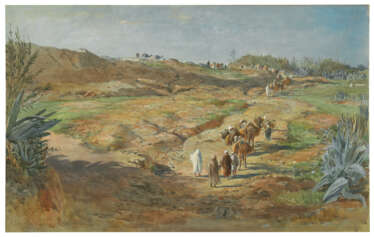

Edward Angelo Goodall was an English landscape and orientalist painter.
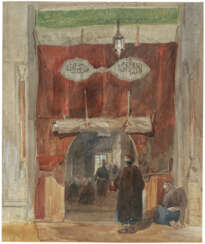

Edward Angelo Goodall was an English landscape and orientalist painter.
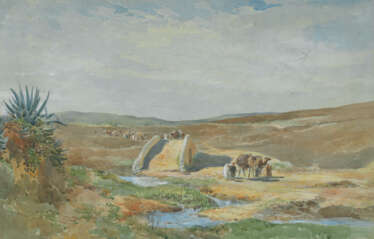

Edward Angelo Goodall was an English landscape and orientalist painter.
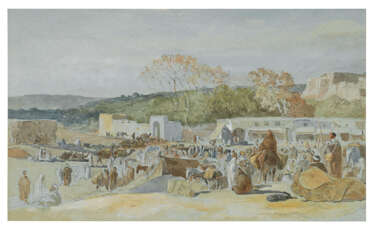

Edward Angelo Goodall was an English landscape and orientalist painter.
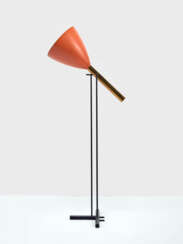

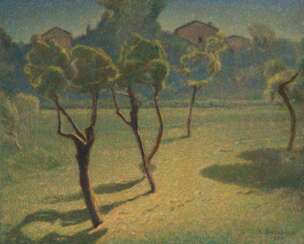

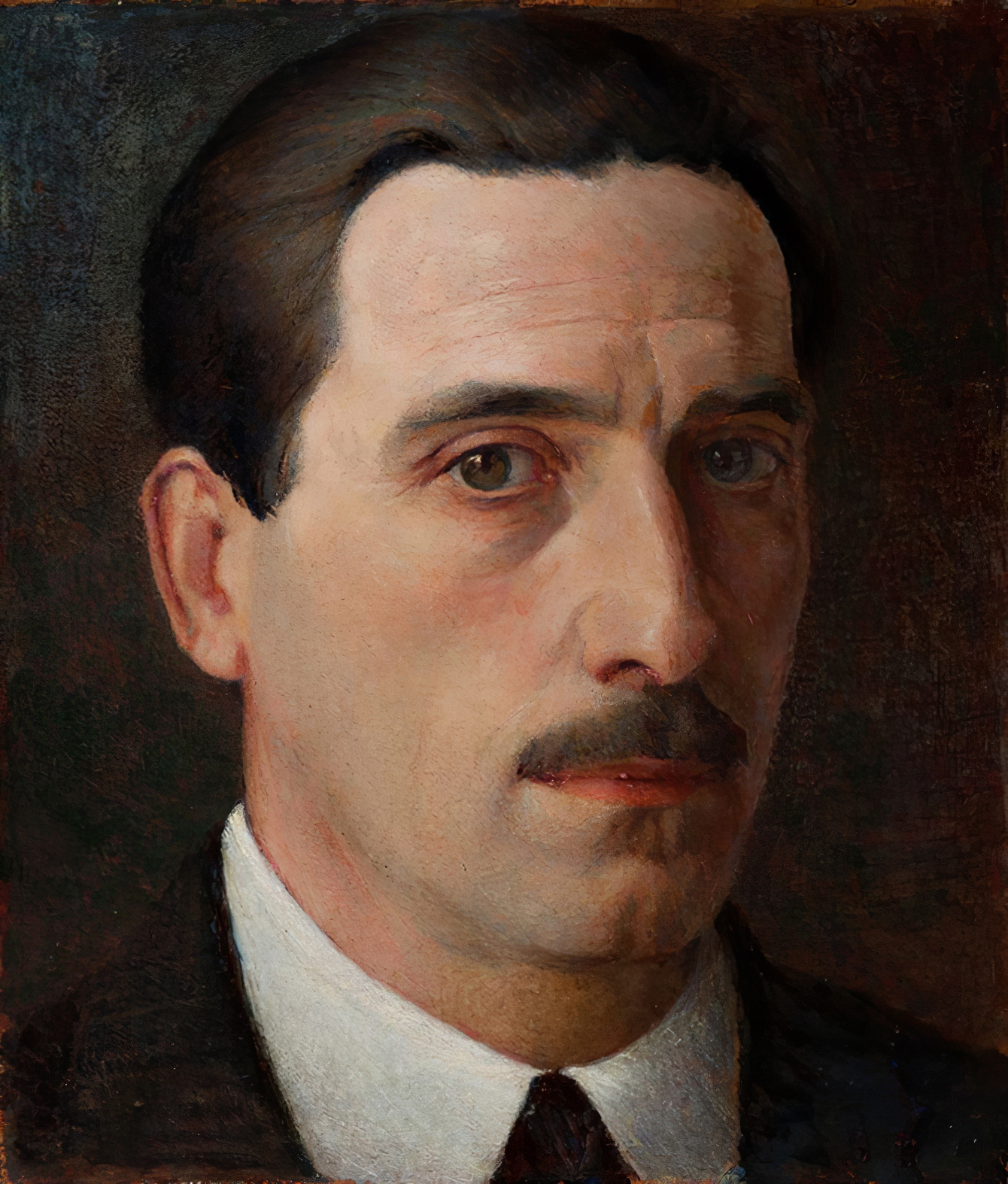
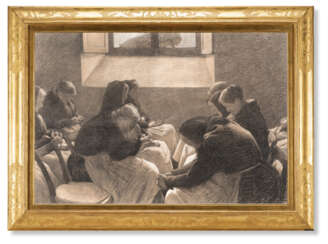
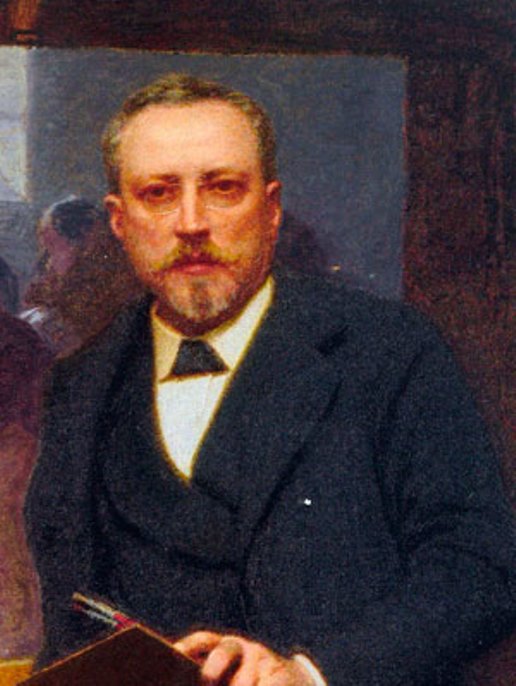
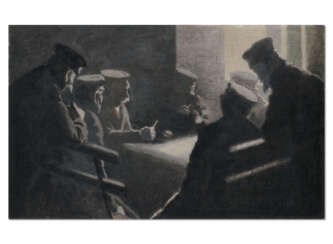
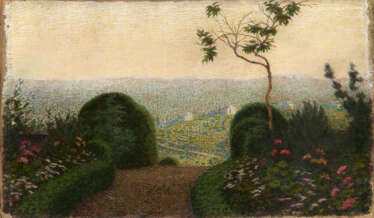
Angelo Barabino was an Italian painter, divisionist-symbolist, exponent of the social current, friend and pupil of Giuseppe Pellizza da Volpedo.
In Barabino's work we encounter realistic and symbolic instances applied to not infrequently social-oriented themes, always supported by a technical quality that was reworked on Pellizza with wholly original results.
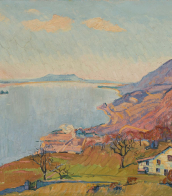



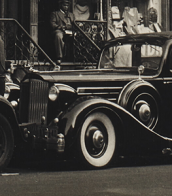


Angelo Jank was a German animal painter, illustrator and member of the Munich Secession. He was the son of the German painter Christian Jank and specialized in scenes with horses and riders. For many years, he was also employed as an illustrator for the magazines Jugend and Simplicissimus, And he was also an instructor at the Academy of Fine Arts. In addition to his canvases, he painted murals at the Justizpalast and scenes from history at the Reichstag building in Berlin. His work was also part of the painting event in the art competition at the 1936 Summer Olympics.
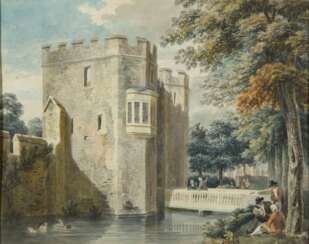

Michael Angelo Rooker was an English oil and watercolour painter of architecture and landscapes, illustrator and engraver. He was also the principal scene painter at the Haymarket Theatre.
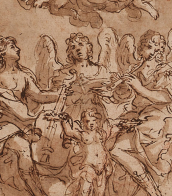

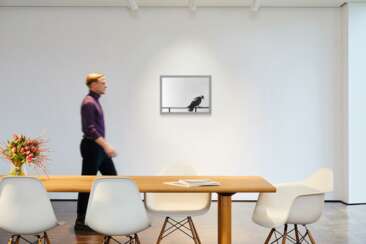

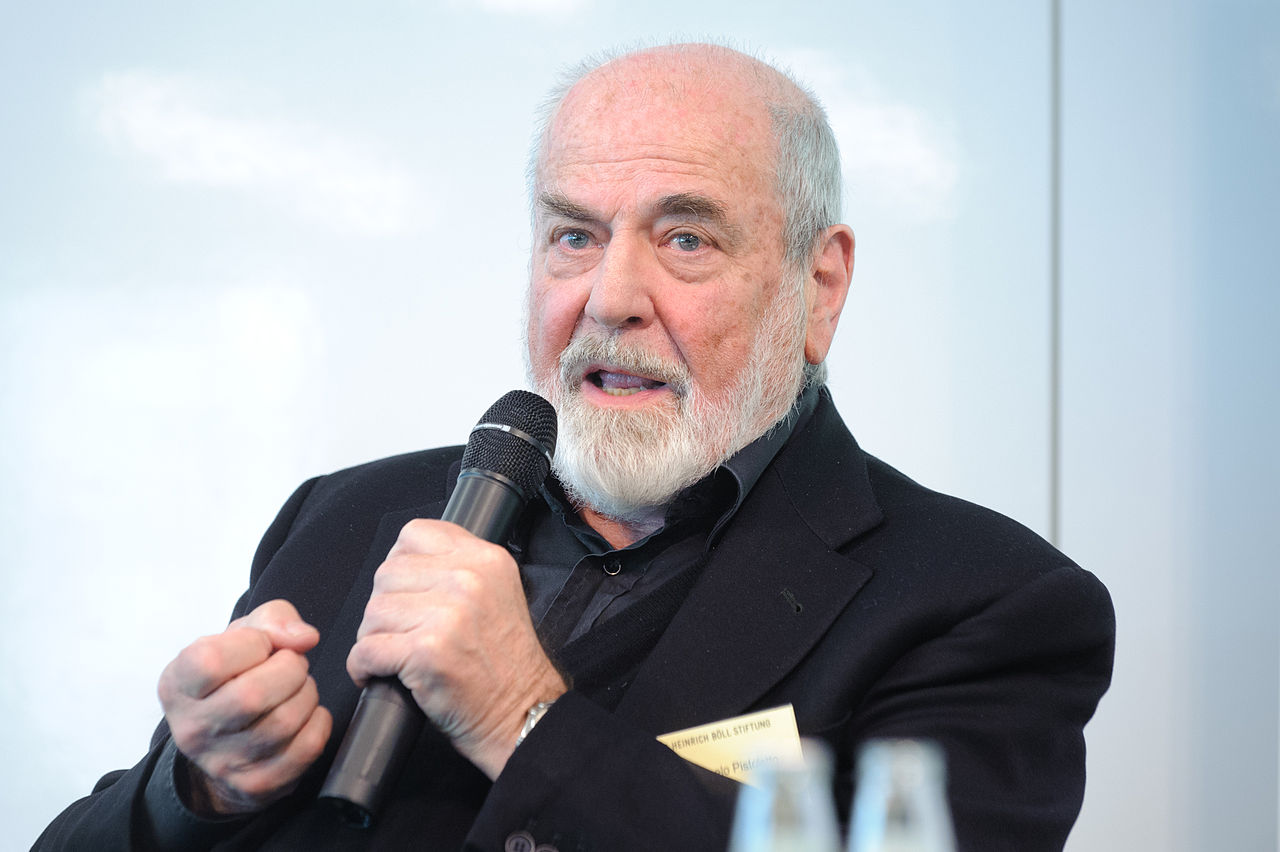
Michelangelo Pistoletto is an Italian painter, action and object artist, and art theorist. Pistoletto is acknowledged as one of the main representatives of the Italian Arte Povera. His work mainly deals with the subject matter of reflection and the unification of art and everyday life in terms of a Gesamtkunstwerk.