apa 2013





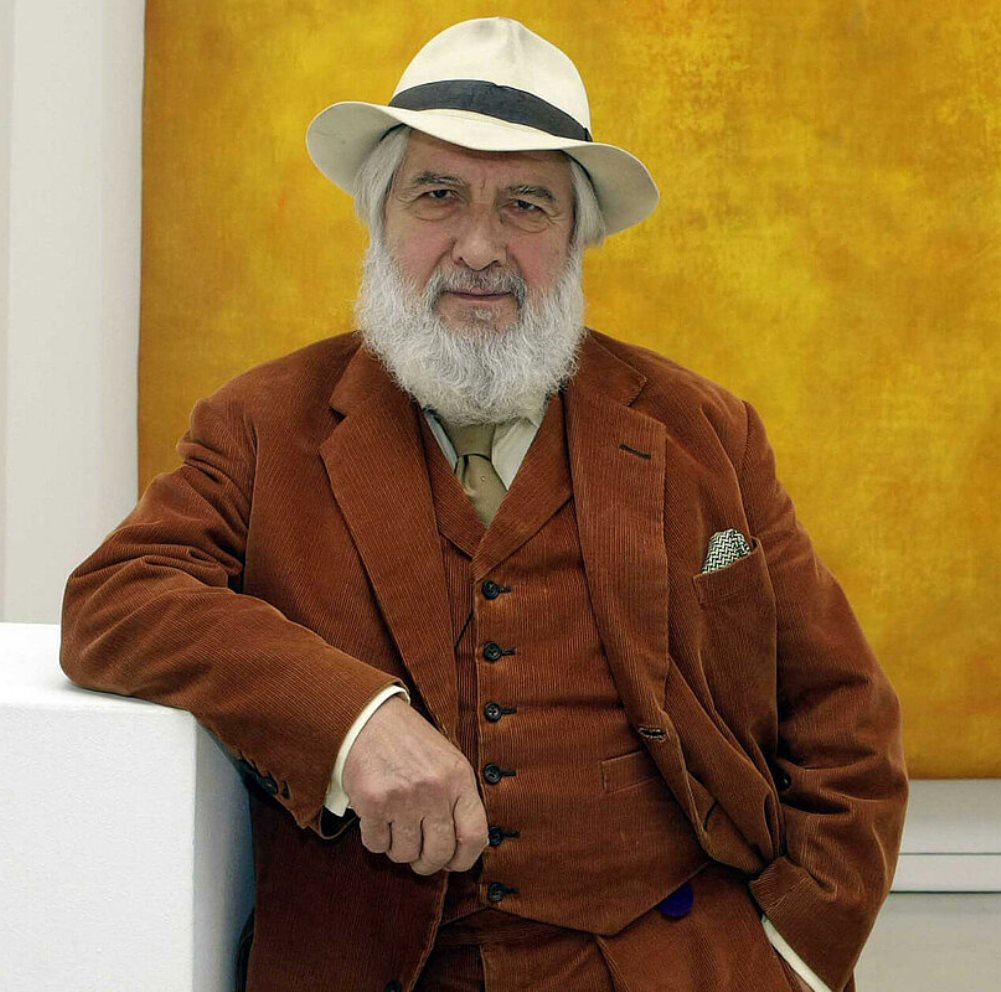
Gotthard Graubner was a German abstract painter associated with the post-war Zero and Informel movements. Graubner's work is known for its focus on color and its relationship to space and perception.
Graubner studied at the Kunstakademie Düsseldorf under the painter Georg Meistermann. In the 1950s, he became associated with the Zero group, a movement of artists who sought to create a new art form that was free of traditional artistic conventions and focused on the use of unconventional materials.
In the 1960s, Graubner began creating his signature "color-space bodies," large canvases that were mounted away from the wall and filled with thick layers of pigment. These works were designed to be experienced as three-dimensional objects that were both paintings and sculptures, and they often created a sense of depth and spatial ambiguity.
Graubner's work was exhibited widely in Europe and the United States, and he was the recipient of numerous awards and honors throughout his career. He also taught at several art schools, including the Kunstakademie Düsseldorf and the Städelschule in Frankfurt.
Graubner's innovative approach to painting and his exploration of the relationship between color, space, and perception continue to be an important influence on contemporary art.


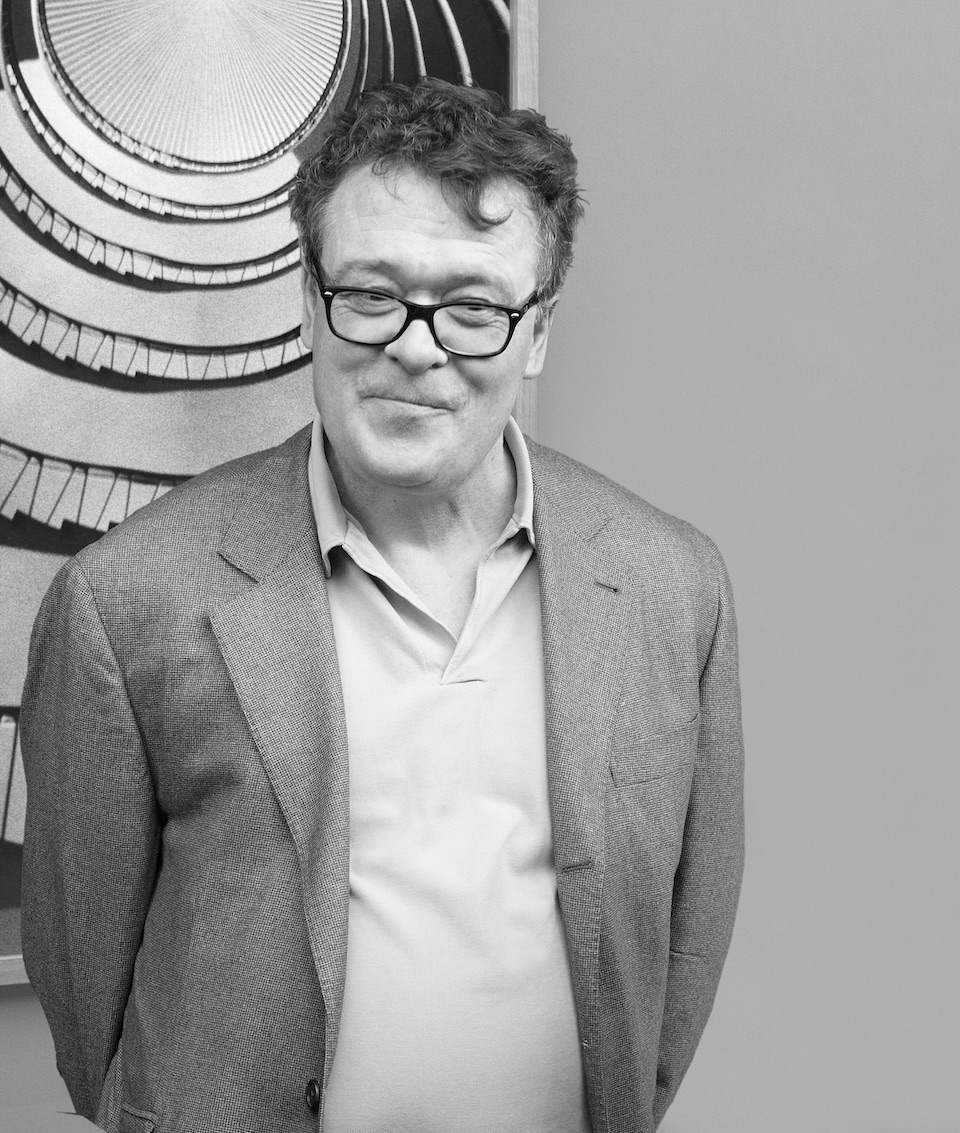
Günther Förg was a German painter, graphic designer, sculptor and photographer. His abstract style was influenced by American abstract painting.
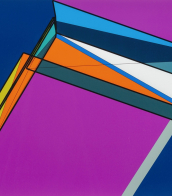
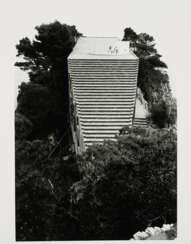

Günther Förg was a German painter, graphic designer, sculptor and photographer. His abstract style was influenced by American abstract painting.
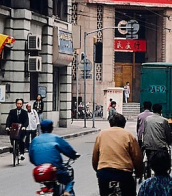


Günther Förg was a German painter, graphic designer, sculptor and photographer. His abstract style was influenced by American abstract painting.


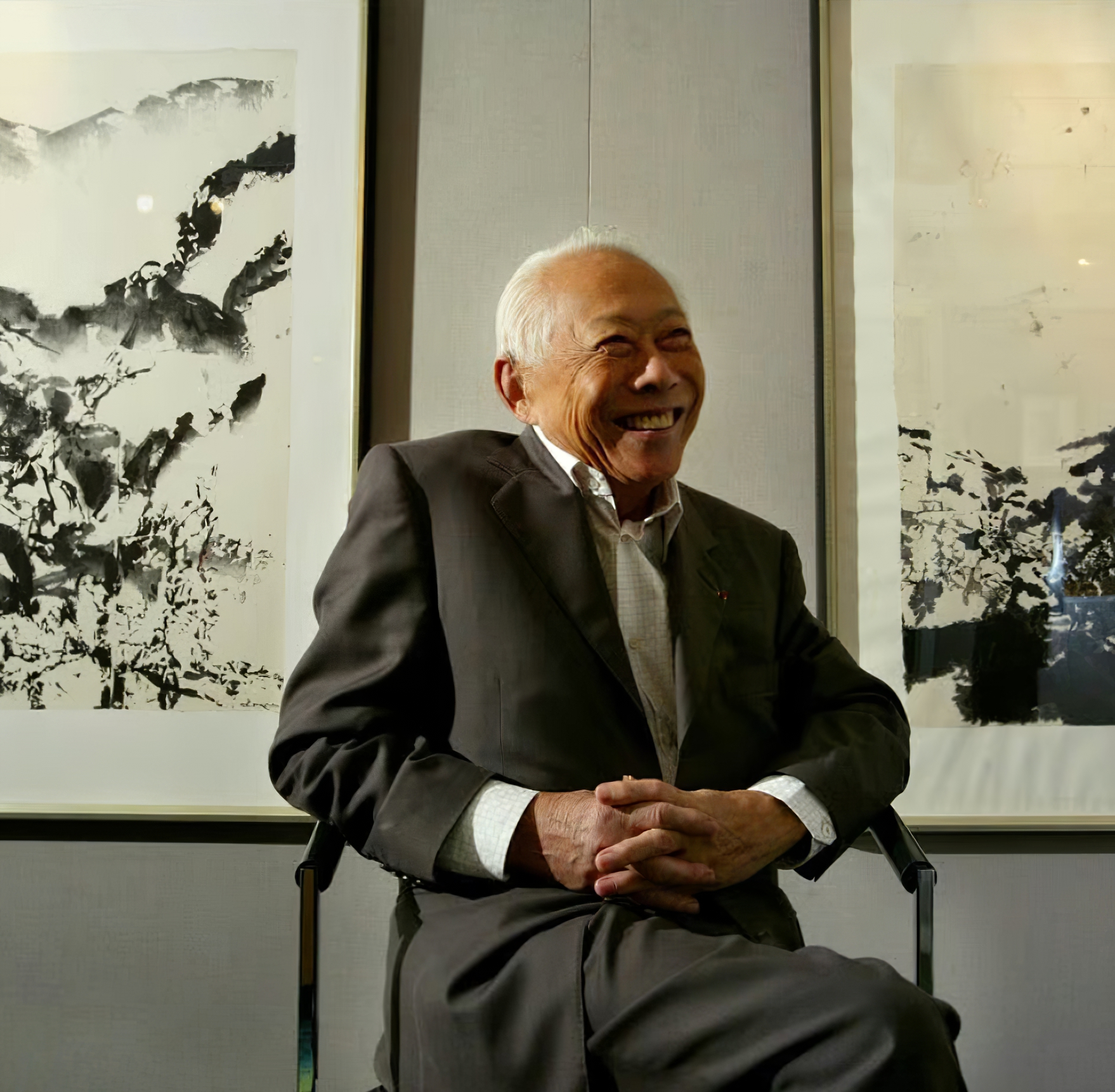
Zhao Wou-Ki (Chinese: 赵无极, pinyin: Zhào Wújí) was a Chinese-French painter. He was a member of the Académie des Beaux-Arts in Paris. Zao Wou-Ki graduated from the China Academy of Art in Hangzhou, where he studied under Fang Ganmin and Wu Dayu.
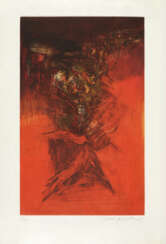

Zhao Wou-Ki (Chinese: 赵无极, pinyin: Zhào Wújí) was a Chinese-French painter. He was a member of the Académie des Beaux-Arts in Paris. Zao Wou-Ki graduated from the China Academy of Art in Hangzhou, where he studied under Fang Ganmin and Wu Dayu.
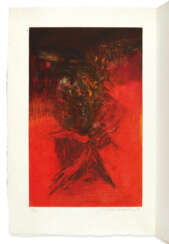

Zhao Wou-Ki (Chinese: 赵无极, pinyin: Zhào Wújí) was a Chinese-French painter. He was a member of the Académie des Beaux-Arts in Paris. Zao Wou-Ki graduated from the China Academy of Art in Hangzhou, where he studied under Fang Ganmin and Wu Dayu.
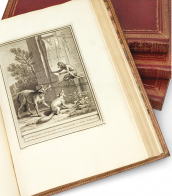
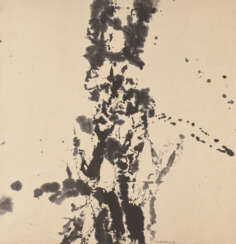

Zhao Wou-Ki (Chinese: 赵无极, pinyin: Zhào Wújí) was a Chinese-French painter. He was a member of the Académie des Beaux-Arts in Paris. Zao Wou-Ki graduated from the China Academy of Art in Hangzhou, where he studied under Fang Ganmin and Wu Dayu.

Zhao Wou-Ki (Chinese: 赵无极, pinyin: Zhào Wújí) was a Chinese-French painter. He was a member of the Académie des Beaux-Arts in Paris. Zao Wou-Ki graduated from the China Academy of Art in Hangzhou, where he studied under Fang Ganmin and Wu Dayu.
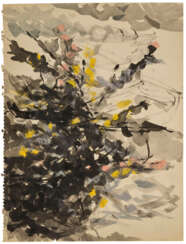



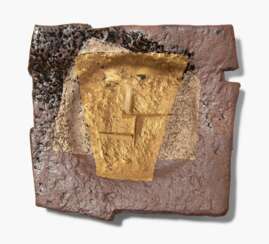



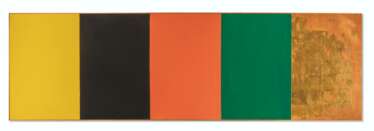





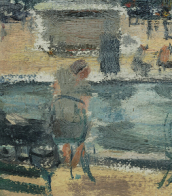



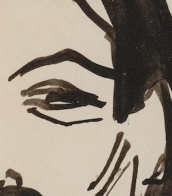


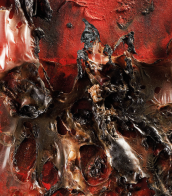
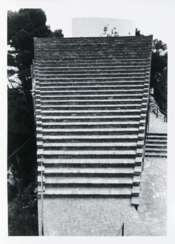

Günther Förg was a German painter, graphic designer, sculptor and photographer. His abstract style was influenced by American abstract painting.
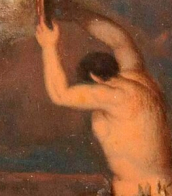


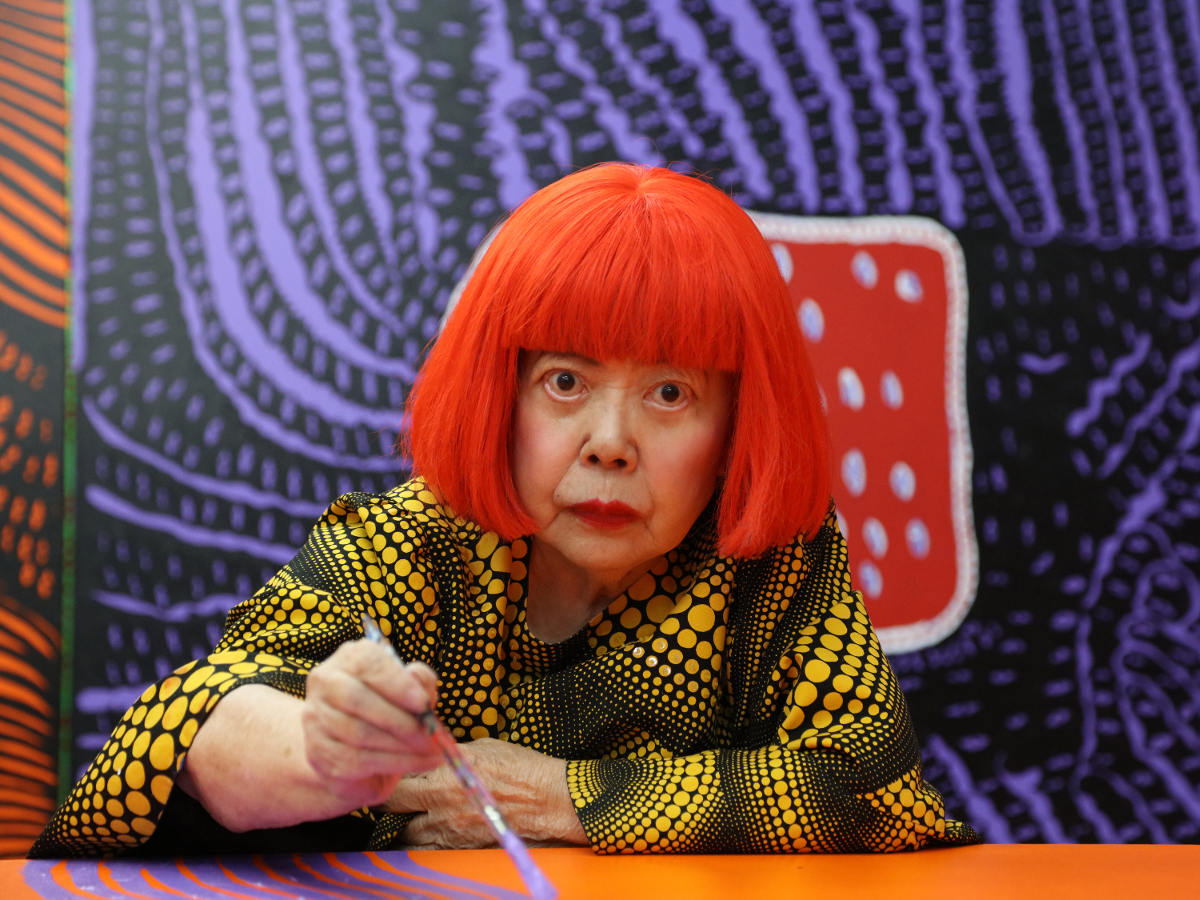
Yayoi Kusama is a Japanese contemporary artist who works primarily in sculpture and installation, but is also active in painting, performance, video art, fashion, poetry, fiction, and other arts. Her work is based in conceptual art and shows some attributes of feminism, minimalism, surrealism, Art Brut, pop art, and abstract expressionism, and is infused with autobiographical, psychological, and sexual content. She has been acknowledged as one of the most important living artists to come out of Japan.
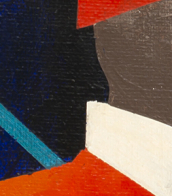
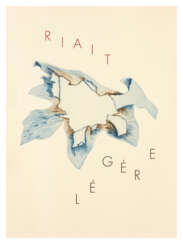

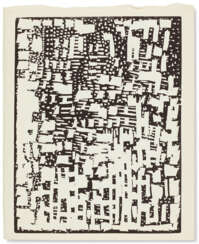

Nicolas de Staël was a Russian-born French artist known for his abstract and figurative paintings. He was born in 1914 in St. Petersburg, Russia and grew up in a wealthy family. In 1919, his family fled Russia and settled in Poland before eventually moving to Brussels, Belgium.
De Staël began studying painting at the Académie Royale des Beaux-Arts in Brussels in 1932. After several years of studying and traveling, he settled in Paris in 1938, where he became associated with the group of artists known as the School of Paris.
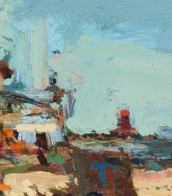
During the 1940s and 1950s, de Staël developed a distinctive style that blended elements of abstraction and figuration. He used a palette knife and bold, thick brushstrokes to create abstract landscapes and seascapes that were often inspired by his travels to the south of France and the Mediterranean.
In the early 1950s, de Staël began to incorporate figurative elements into his work, creating portraits and still lifes that were characterized by their simplified forms and bold colors. He also experimented with different mediums, including lithography and stained glass.
De Staël's work was well-received by critics and collectors during his lifetime, and he participated in numerous exhibitions in France and internationally. However, he struggled with depression and committed suicide. His legacy has continued to inspire artists and art lovers around the world, and his paintings are held in the collections of major museums, including the Centre Georges Pompidou in Paris and the Museum of Modern Art in New York.