auf der flucht





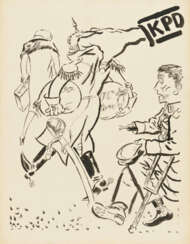

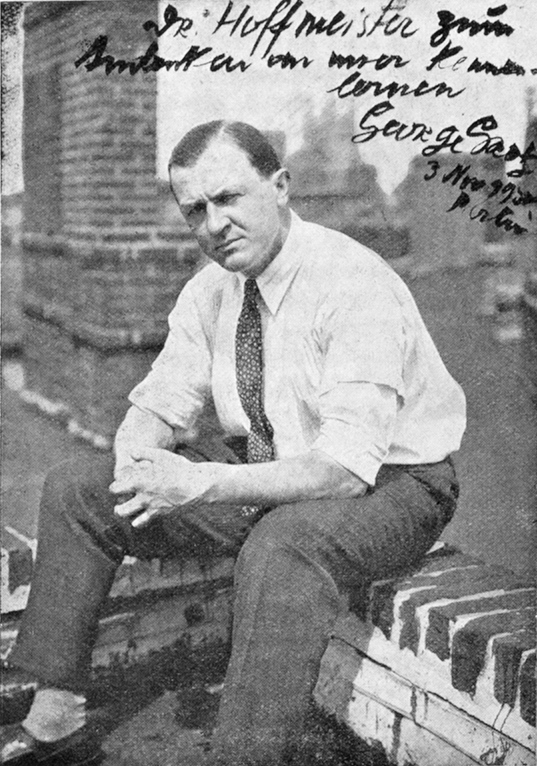
George Grosz was a twentieth-century German painter, graphic artist, and cartoonist. In his work one can find features of various styles of avant-garde art, including Dadaism, Expressionism, and Futurism.
George Grosz drew in every style in a sharp-grotesque and satirical spirit, ridiculing the vices of society. The erotic theme, which occupied a prominent place in Gross's work, was executed in the same spirit.
Grosz devoted more than 20 years to teaching at the Art Students League of New York, and was elected an honorary member of the American and Berlin Academies for his outstanding services to the arts.
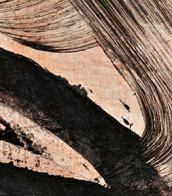
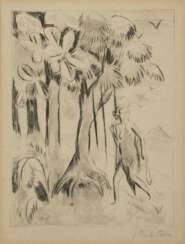

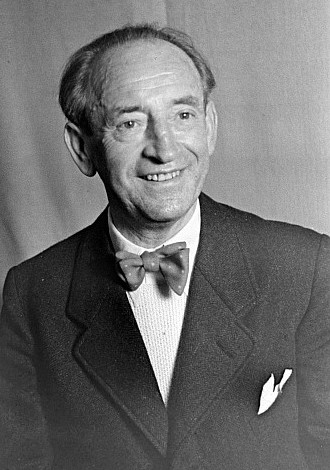
Max Pechstein, a German Expressionist painter and printmaker, was a significant figure in the art world known for his vibrant use of color and dynamic compositions. Born in Zwickau in 1881, Pechstein's journey into the realms of expressionism began with his training as a decorator's apprentice before moving to Dresden to further his studies at the Kunstgewerbeschule. His career took a pivotal turn in 1906 when he met Erich Heckel and joined the Die Brücke group, alongside other notable artists such as Ernst Ludwig Kirchner and Karl Schmidt-Rottluff, which marked the beginning of his foray into revolutionary art and expressionism.
Pechstein's art was not just confined to painting; he was also a master printmaker, with a prolific output that included 421 lithographs, 315 woodcuts and linocuts, and 165 intaglio prints, predominantly etchings. His works often depicted scenes from nature, social gatherings, and elements of primitive art, reflecting his interest in the raw and unrefined aspects of culture and humanity. This diverse body of work was recognized for its bold innovation and unique perspective, which significantly contributed to the expressionist movement.
The Nazis' rise to power in 1933 had a profound impact on Pechstein's career. His works were deemed degenerate, and he faced severe repression, including the removal of 326 of his paintings from German museums and his dismissal from his teaching position at the Preussische Akademie der Künste. Despite these challenges, Pechstein's legacy endured, and after World War II, he was reinstated to his teaching post and received numerous accolades for his contributions to art.
Pechstein's works are held in high esteem in museums and galleries worldwide. Notably, his etchings, which depicted the grim realities of war, are housed in the Imperial War Museum in London, showcasing his ability to convey profound emotional and psychological experiences through art. Additionally, his painting "Summer in Nidden," which captures the idyllic beauty of the Baltic coast, is part of the collection at the Museo Nacional Thyssen-Bornemisza in Madrid, illustrating his love for natural landscapes and vibrant, expressive use of color.
For collectors and experts in art and antiques, Hermann Max Pechstein's works offer a fascinating glimpse into the early 20th-century expressionist movement, characterized by a bold exploration of color, form, and social commentary. His contributions to modern art are invaluable, providing insight into the cultural and historical context of his time.
To stay informed about new product sales and auction events related to Hermann Max Pechstein, we invite you to sign up for updates. This subscription will ensure that you are the first to know about opportunities to acquire works by this influential artist, allowing you to add to your collection of significant expressionist art.


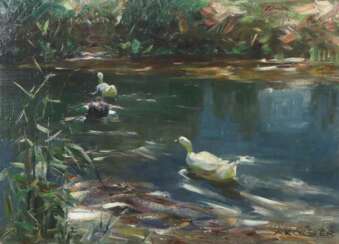

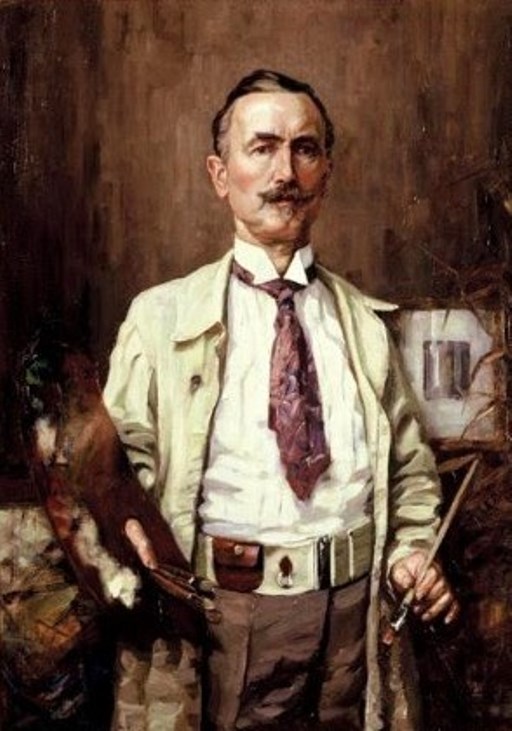
Alexander Max Koester was a German painter. He depicted coastal landscapes and still lifes with flowers. After the artist first presented one of his landscapes with a family of ducks in Berlin in 1899, he earned the nickname "Duck Koester." The "duck" paintings were extremely popular with art lovers.


Max Pechstein, a German Expressionist painter and printmaker, was a significant figure in the art world known for his vibrant use of color and dynamic compositions. Born in Zwickau in 1881, Pechstein's journey into the realms of expressionism began with his training as a decorator's apprentice before moving to Dresden to further his studies at the Kunstgewerbeschule. His career took a pivotal turn in 1906 when he met Erich Heckel and joined the Die Brücke group, alongside other notable artists such as Ernst Ludwig Kirchner and Karl Schmidt-Rottluff, which marked the beginning of his foray into revolutionary art and expressionism.
Pechstein's art was not just confined to painting; he was also a master printmaker, with a prolific output that included 421 lithographs, 315 woodcuts and linocuts, and 165 intaglio prints, predominantly etchings. His works often depicted scenes from nature, social gatherings, and elements of primitive art, reflecting his interest in the raw and unrefined aspects of culture and humanity. This diverse body of work was recognized for its bold innovation and unique perspective, which significantly contributed to the expressionist movement.
The Nazis' rise to power in 1933 had a profound impact on Pechstein's career. His works were deemed degenerate, and he faced severe repression, including the removal of 326 of his paintings from German museums and his dismissal from his teaching position at the Preussische Akademie der Künste. Despite these challenges, Pechstein's legacy endured, and after World War II, he was reinstated to his teaching post and received numerous accolades for his contributions to art.
Pechstein's works are held in high esteem in museums and galleries worldwide. Notably, his etchings, which depicted the grim realities of war, are housed in the Imperial War Museum in London, showcasing his ability to convey profound emotional and psychological experiences through art. Additionally, his painting "Summer in Nidden," which captures the idyllic beauty of the Baltic coast, is part of the collection at the Museo Nacional Thyssen-Bornemisza in Madrid, illustrating his love for natural landscapes and vibrant, expressive use of color.
For collectors and experts in art and antiques, Hermann Max Pechstein's works offer a fascinating glimpse into the early 20th-century expressionist movement, characterized by a bold exploration of color, form, and social commentary. His contributions to modern art are invaluable, providing insight into the cultural and historical context of his time.
To stay informed about new product sales and auction events related to Hermann Max Pechstein, we invite you to sign up for updates. This subscription will ensure that you are the first to know about opportunities to acquire works by this influential artist, allowing you to add to your collection of significant expressionist art.
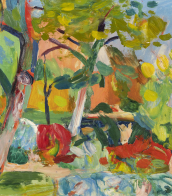
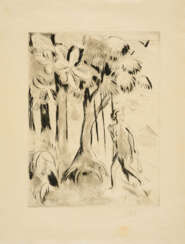

Max Pechstein, a German Expressionist painter and printmaker, was a significant figure in the art world known for his vibrant use of color and dynamic compositions. Born in Zwickau in 1881, Pechstein's journey into the realms of expressionism began with his training as a decorator's apprentice before moving to Dresden to further his studies at the Kunstgewerbeschule. His career took a pivotal turn in 1906 when he met Erich Heckel and joined the Die Brücke group, alongside other notable artists such as Ernst Ludwig Kirchner and Karl Schmidt-Rottluff, which marked the beginning of his foray into revolutionary art and expressionism.
Pechstein's art was not just confined to painting; he was also a master printmaker, with a prolific output that included 421 lithographs, 315 woodcuts and linocuts, and 165 intaglio prints, predominantly etchings. His works often depicted scenes from nature, social gatherings, and elements of primitive art, reflecting his interest in the raw and unrefined aspects of culture and humanity. This diverse body of work was recognized for its bold innovation and unique perspective, which significantly contributed to the expressionist movement.
The Nazis' rise to power in 1933 had a profound impact on Pechstein's career. His works were deemed degenerate, and he faced severe repression, including the removal of 326 of his paintings from German museums and his dismissal from his teaching position at the Preussische Akademie der Künste. Despite these challenges, Pechstein's legacy endured, and after World War II, he was reinstated to his teaching post and received numerous accolades for his contributions to art.
Pechstein's works are held in high esteem in museums and galleries worldwide. Notably, his etchings, which depicted the grim realities of war, are housed in the Imperial War Museum in London, showcasing his ability to convey profound emotional and psychological experiences through art. Additionally, his painting "Summer in Nidden," which captures the idyllic beauty of the Baltic coast, is part of the collection at the Museo Nacional Thyssen-Bornemisza in Madrid, illustrating his love for natural landscapes and vibrant, expressive use of color.
For collectors and experts in art and antiques, Hermann Max Pechstein's works offer a fascinating glimpse into the early 20th-century expressionist movement, characterized by a bold exploration of color, form, and social commentary. His contributions to modern art are invaluable, providing insight into the cultural and historical context of his time.
To stay informed about new product sales and auction events related to Hermann Max Pechstein, we invite you to sign up for updates. This subscription will ensure that you are the first to know about opportunities to acquire works by this influential artist, allowing you to add to your collection of significant expressionist art.
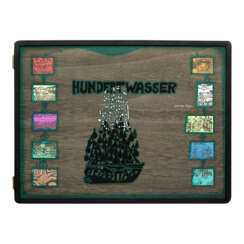

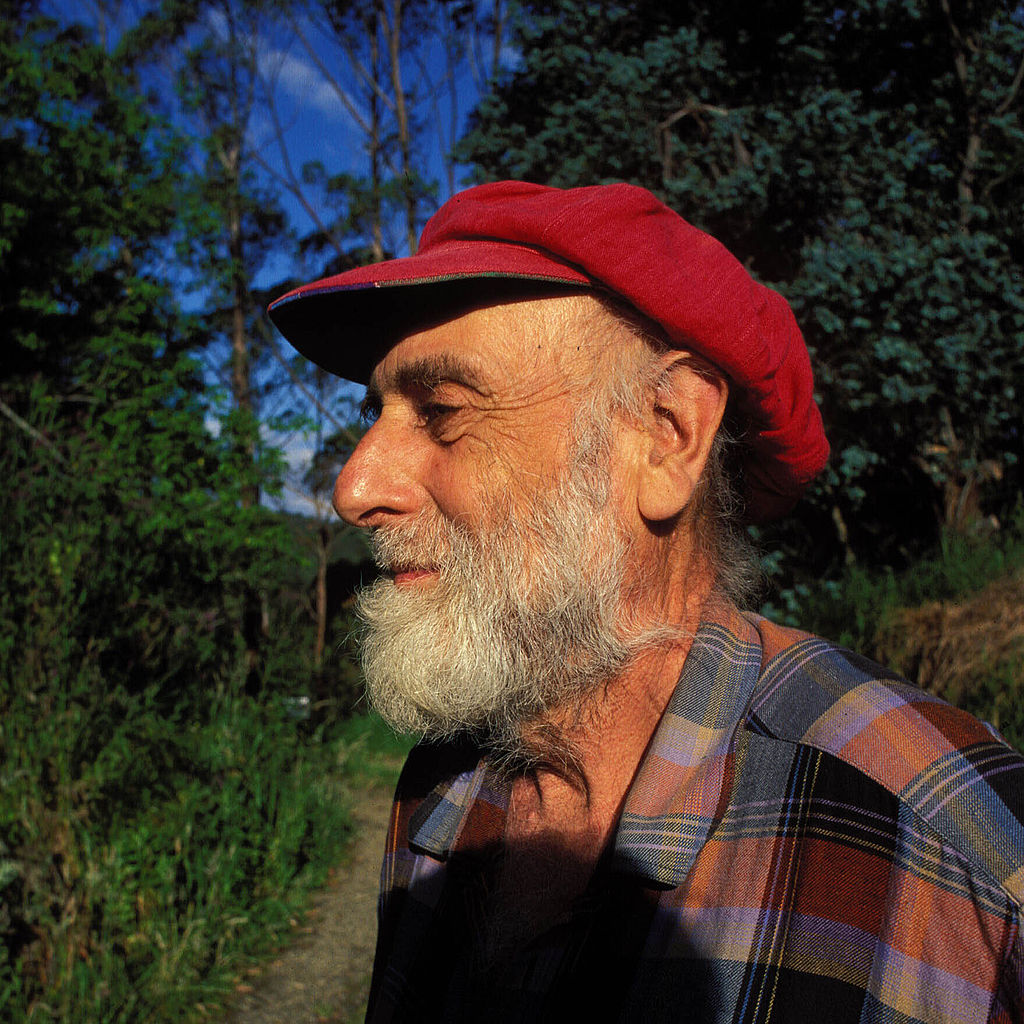
Friedensreich Regentag Dunkelbunt Hundertwasser was an Austrian visual artist and architect who also worked in the field of environmental protection.
Hundertwasser stood out as an opponent of "a straight line" and any standardization, expressing this concept in the field of building design. His best known work is the Hundertwasserhaus in Vienna, which has become a notable place of interest in the Austrian capital, characterised by imaginative vitality and uniqueness.






Max Pechstein, a German Expressionist painter and printmaker, was a significant figure in the art world known for his vibrant use of color and dynamic compositions. Born in Zwickau in 1881, Pechstein's journey into the realms of expressionism began with his training as a decorator's apprentice before moving to Dresden to further his studies at the Kunstgewerbeschule. His career took a pivotal turn in 1906 when he met Erich Heckel and joined the Die Brücke group, alongside other notable artists such as Ernst Ludwig Kirchner and Karl Schmidt-Rottluff, which marked the beginning of his foray into revolutionary art and expressionism.
Pechstein's art was not just confined to painting; he was also a master printmaker, with a prolific output that included 421 lithographs, 315 woodcuts and linocuts, and 165 intaglio prints, predominantly etchings. His works often depicted scenes from nature, social gatherings, and elements of primitive art, reflecting his interest in the raw and unrefined aspects of culture and humanity. This diverse body of work was recognized for its bold innovation and unique perspective, which significantly contributed to the expressionist movement.
The Nazis' rise to power in 1933 had a profound impact on Pechstein's career. His works were deemed degenerate, and he faced severe repression, including the removal of 326 of his paintings from German museums and his dismissal from his teaching position at the Preussische Akademie der Künste. Despite these challenges, Pechstein's legacy endured, and after World War II, he was reinstated to his teaching post and received numerous accolades for his contributions to art.
Pechstein's works are held in high esteem in museums and galleries worldwide. Notably, his etchings, which depicted the grim realities of war, are housed in the Imperial War Museum in London, showcasing his ability to convey profound emotional and psychological experiences through art. Additionally, his painting "Summer in Nidden," which captures the idyllic beauty of the Baltic coast, is part of the collection at the Museo Nacional Thyssen-Bornemisza in Madrid, illustrating his love for natural landscapes and vibrant, expressive use of color.
For collectors and experts in art and antiques, Hermann Max Pechstein's works offer a fascinating glimpse into the early 20th-century expressionist movement, characterized by a bold exploration of color, form, and social commentary. His contributions to modern art are invaluable, providing insight into the cultural and historical context of his time.
To stay informed about new product sales and auction events related to Hermann Max Pechstein, we invite you to sign up for updates. This subscription will ensure that you are the first to know about opportunities to acquire works by this influential artist, allowing you to add to your collection of significant expressionist art.


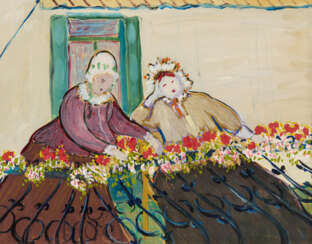

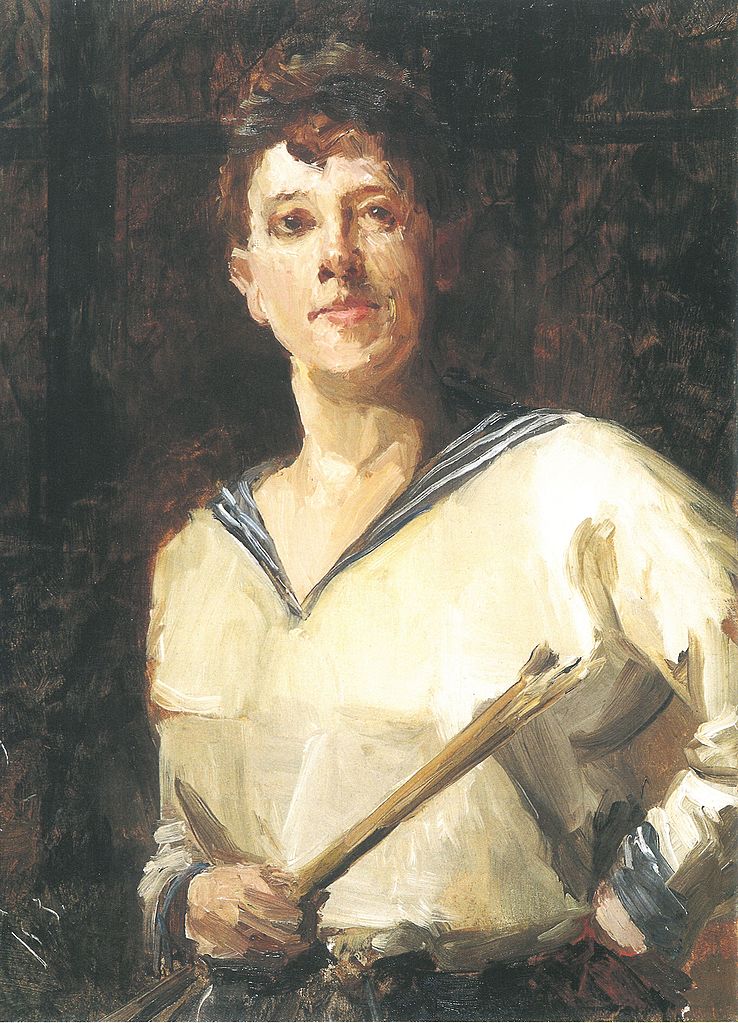
Marianne von Werefkin (Russian: Марианна Владимировна Верёвкина), born in Russia in 1860, was a distinguished artist whose innovative work bridged the realms of realism and expressionism. Known as the "Russian Rembrandt" in her early career, Werefkin's artistic journey began with realism, earning her acclaim within the Tsarist Empire. However, her move to Munich in 1896 marked a significant shift in her style and artistic affiliations, leading her to explore and eventually embrace expressionism.
Werefkin's life was marked by a pivotal relationship with fellow artist Alexej von Jawlensky, which greatly influenced her personal and professional trajectory. Despite pausing her painting to focus on Jawlensky's development, Werefkin's contribution to art went beyond her own creations. She founded the influential artist groups, including the New Association of Artists in Munich (NKVM) and later The Blue Rider, alongside luminaries like Wassily Kandinsky and Franz Marc.
Her return to painting saw a dramatic transformation in her style, characterized by bold, expressive strokes and a deep exploration of the emotional and spiritual aspects of her subjects. This period of her work is marked by significant pieces such as the "Self-Portrait" (1910), which is celebrated for its emotional depth and innovative use of color, encapsulating the essence of Munich-school Expressionism.
Werefkin's later years in Ascona, Switzerland, were devoted to capturing the natural landscape and its emotional resonances through a vibrant expressionist lens. Her works from this period reflect a continued engagement with human fragility and resilience, as seen in pieces like "Eternal Path" (1929).
Her oeuvre is a testament to her pioneering spirit and her role in shaping the course of modern art. Werefkin's works are held in esteemed collections, including the Museum of Modern Art in Ascona and the Städtische Galerie im Lenbachhaus in Munich, ensuring her legacy endures within the art world.
For collectors and experts in art and antiques, Marianne von Werefkin's life and work offer a rich field of study. Her contributions to the development of expressionism and her unique artistic voice make her a figure of enduring interest. To stay informed about new product sales and auction events related to Marianne von Werefkin, signing up for updates can provide exclusive insights and opportunities to engage with her remarkable legacy.


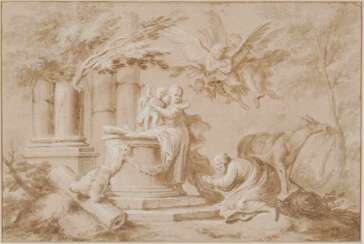

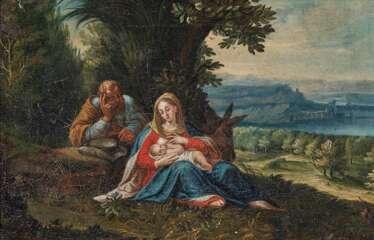

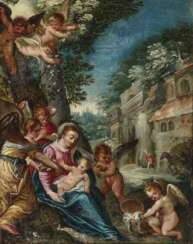

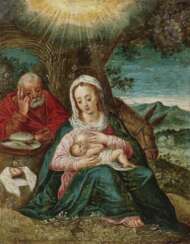

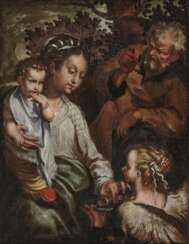



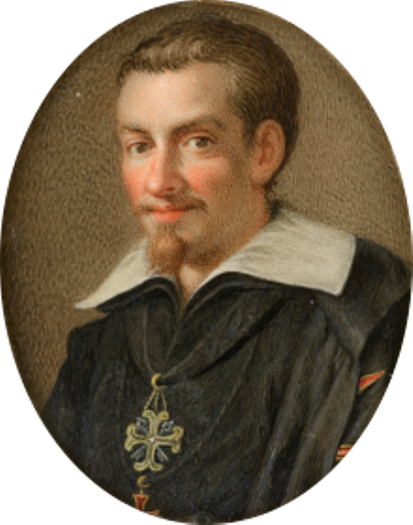
Francesco Vanni was an Italian painter, draughtsman, printmaker, publisher and printer active in Rome and his native city of Siena.


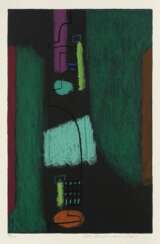

Max Ackermann was a German painter and graphic artist. He was a pupil of Adolf Hölzel and is considered a pioneer of abstract painting.
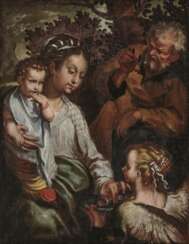

Francesco Vanni was an Italian painter, draughtsman, printmaker, publisher and printer active in Rome and his native city of Siena.
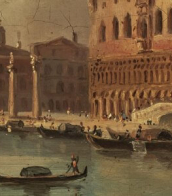


Friedensreich Regentag Dunkelbunt Hundertwasser was an Austrian visual artist and architect who also worked in the field of environmental protection.
Hundertwasser stood out as an opponent of "a straight line" and any standardization, expressing this concept in the field of building design. His best known work is the Hundertwasserhaus in Vienna, which has become a notable place of interest in the Austrian capital, characterised by imaginative vitality and uniqueness.
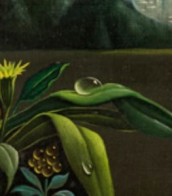
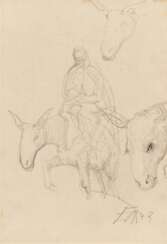

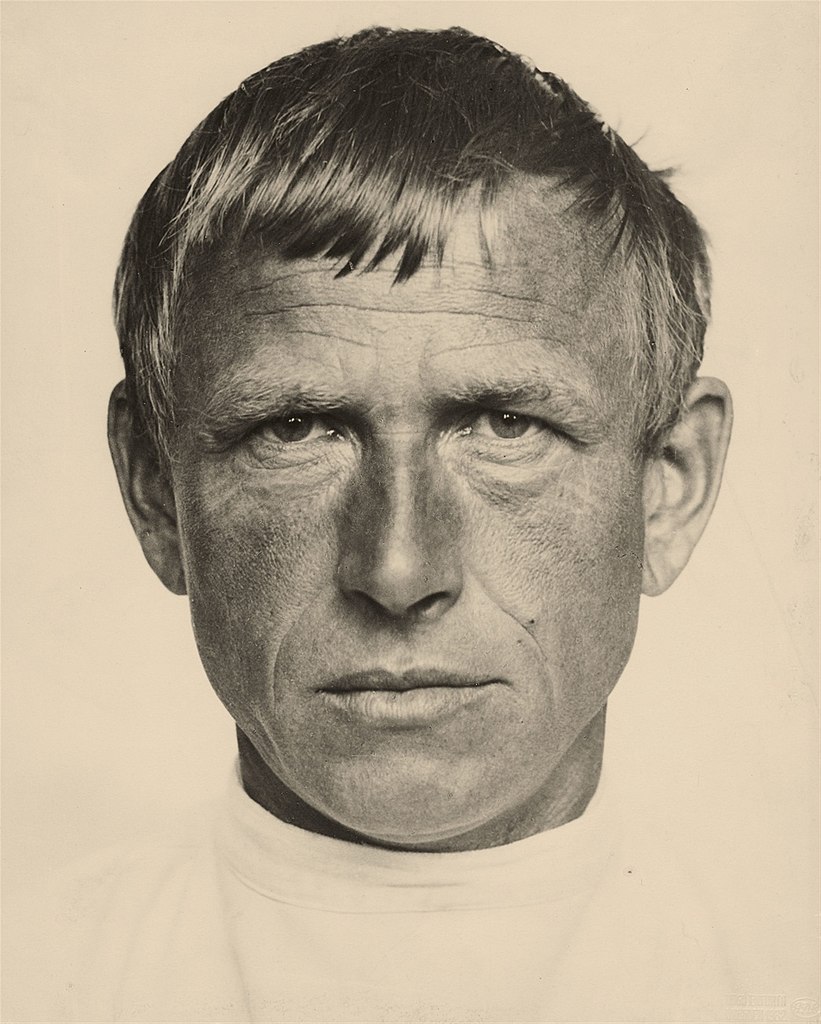
Wilhelm Heinrich Otto Dix was a German artist whose work stands as a stark, unyielding reflection of the societal tumult and trauma of the early 20th century. Born in 1891 in Untermhaus, Germany, Dix's early life was steeped in the arts, his ambition to become an artist nurtured by both familial influence and formal education in Dresden. His experiences as a soldier in World War I deeply influenced his artistic direction, leading him to vividly depict the horrors of war and the decay of the Weimar Republic with a brutal realism that became his signature style.
Dix's association with the Dada movement and the New Objectivity (Neue Sachlichkeit) further honed his critical, often cynical portrayal of post-war society. His works, such as "The Trench" and "War Cripples," expose the visceral aftermath of conflict, while his engagement with the Dadaists imbued his art with a disruptive, confrontational energy against societal norms and the art establishment.
Perhaps most notable is Dix's ability to capture the psychological depth and societal critiques through his portraits and landscapes, which ranged from the grotesque to the surreal. Paintings like "Portrait of the Journalist Sylvia von Harden" and the triptychs "Metropolis" and "War" are emblematic of his keen observation and stark depiction of the era's social and political unrest.
Despite facing significant adversity, including being labeled a degenerate artist by the Nazi regime and facing professional and personal setbacks, Dix's legacy as a painter and printmaker endures. His works are not only historical documents but also profound reflections on humanity, war, and society, resonating with collectors and art experts alike.
For enthusiasts of culture, art, and history, Dix's oeuvre offers an unflinching look into the human condition under the strain of societal and political upheaval. His contributions to painting and printmaking continue to be celebrated in museums and galleries worldwide, underscoring the enduring relevance of his work.
For those interested in exploring the profound depth and historical significance of Otto Dix's work, signing up for updates on new product sales and auction events related to his art can provide invaluable insights. This subscription is a gateway to staying informed about opportunities to engage with the tangible pieces of Dix's enduring legacy.